
Key Takeaways
- Roughly 3 million dogs enter shelters and rescues each year across the US and UK combined, and many are healthy, well-socialised adults ready for a family
- The average dog adoption fee ranges from £150 to £350 in the UK (or $50 to $500 in the US), which typically covers vaccinations, microchipping and neutering
- Most rescued dogs need a structured two-week decompression period before you can accurately judge their true personality and behaviour
- First-year costs after dog adoption average £1,500 to £2,000 once you factor in food, veterinary care, insurance, training and supplies
- Dogs adopted from reputable rescues receive a full veterinary health check, behavioural assessment and are matched to your lifestyle before going home
- The 3-3-3 rule (3 days, 3 weeks, 3 months) is the widely accepted timeline for a rescue dog to fully settle into a new home
In This Guide
- Why Dog Adoption Matters
- Preparing Your Home for a Rescue Dog
- Choosing the Right Dog for Your Lifestyle
- The Adoption Process Step by Step
- The First Two Weeks: Decompression and Settling In
- Common Behavioural Challenges and How to Handle Them
- Costs of Dog Adoption Versus Buying a Puppy
- Building a Lifelong Bond with Your Rescue Dog
I have worked with hundreds of rescue dogs over the past decade, and I can tell you honestly that dog adoption changed the direction of my career. Early on, I trained mostly puppies from breeders. Then a local shelter asked me to help rehabilitate a fearful Staffordshire Bull Terrier mix named Rosie. Within weeks, watching her blossom from a trembling, shut-down dog into a confident, tail-wagging companion showed me the extraordinary resilience rescue dogs carry. Since that day, a large portion of my caseload has been newly adopted dogs and their families.
If you are considering dog adoption, you are making a decision that will genuinely save a life. But rescuing a dog is not simply a matter of walking into a shelter and picking the cutest face. It requires preparation, patience and realistic expectations. This guide covers everything I wish every adopter knew before bringing a rescue dog home.
Why Dog Adoption Matters
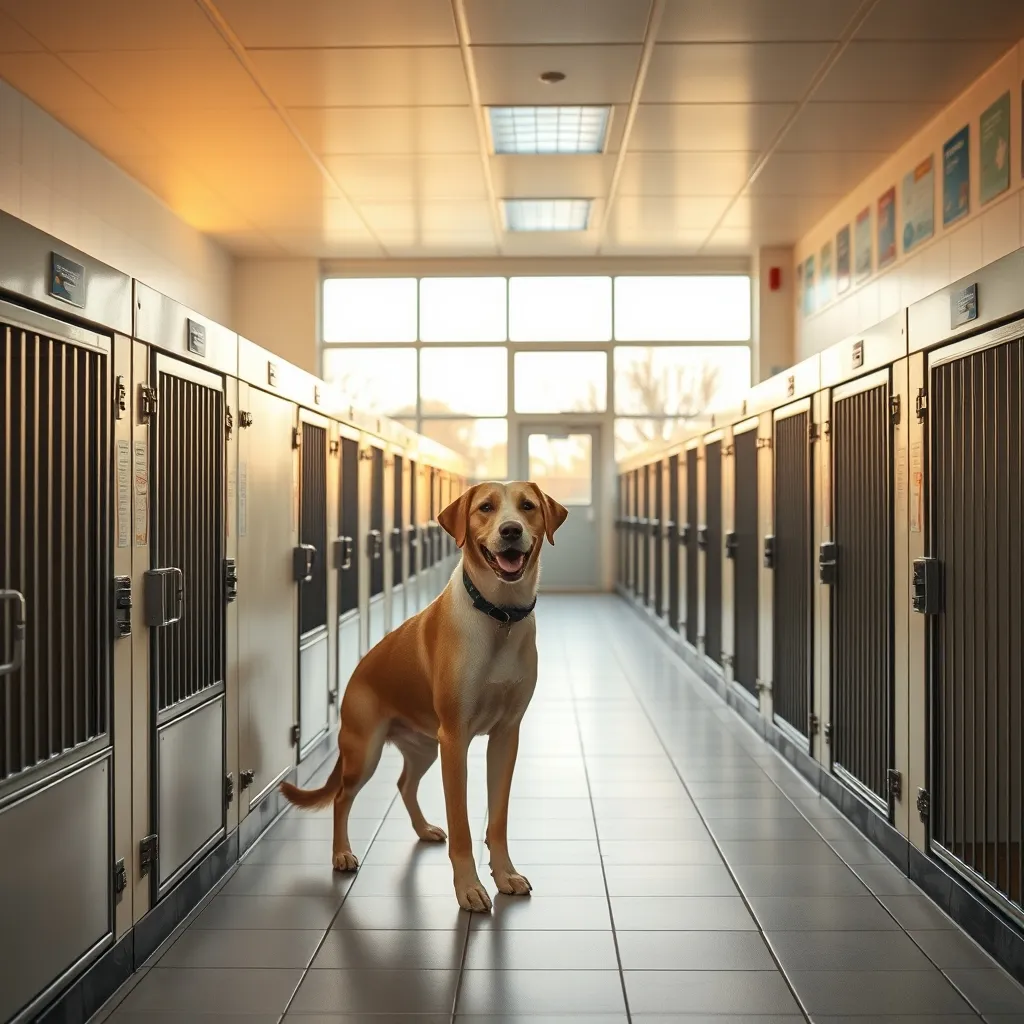
Every year, thousands of dogs end up in rescue centres through no fault of their own. Relationship breakdowns, housing changes, financial hardship and the death of an owner are among the most common reasons dogs are surrendered. According to the RSPCA’s animal welfare reports, the charity alone takes in tens of thousands of animals annually across England and Wales, with dogs representing a significant proportion.
When you choose dog adoption over purchasing from a breeder, you do three things simultaneously. First, you give a deserving animal a second chance. Second, you free up a kennel space so the rescue can help another dog in need. Third, you refuse to support unethical breeding operations, including puppy farms, that prioritise profit over animal welfare.
There is a persistent myth that rescue dogs are “damaged goods.” In my professional experience, the vast majority of shelter dogs are normal, healthy animals who simply ended up in unfortunate circumstances. Many already know basic commands, are house-trained and walk nicely on a lead. Some were beloved family pets whose owners could no longer care for them. The notion that you can only get a well-adjusted dog from a breeder is simply untrue.
That said, some rescue dogs do come with behavioural baggage, and I would be doing you a disservice if I glossed over that. The key is understanding what to expect and having a plan. That is precisely what we will cover throughout this article.
Preparing Your Home for a Rescue Dog
Preparation begins well before you collect your new dog. I always tell my clients to think of it like bringing a baby home: you would not wait until the day of arrival to baby-proof your house.
Secure your garden first. Walk the entire perimeter checking for gaps in fencing, loose panels and areas where a dog could dig underneath. Rescue dogs who are anxious or unfamiliar with their surroundings are more likely to attempt an escape in the first few days. A fence height of at least 1.5 metres is advisable for most medium to large breeds.
Inside the house, identify a quiet space that will become your dog’s safe zone. This does not need to be an entire room; a corner of the living room with a comfortable bed, a properly introduced crate and a water bowl works well. The goal is to give your dog a predictable retreat where they can decompress without being disturbed.
Stock up on essentials before adoption day:
- A well-fitting harness and a two-metre training lead (avoid retractable leads initially)
- Stainless steel or ceramic food and water bowls
- High-value training treats for positive reinforcement
- An appropriately sized bed or crate
- Poo bags, enzymatic cleaner for accidents and a basic grooming kit
- A selection of safe, enriching toys including a stuffable Kong or similar food puzzle
If you have children, establish ground rules before the dog arrives. Children should understand that the new dog needs space, that they must not approach the dog while it is eating or sleeping, and that all interactions should be calm and gentle. Learning to read a dog’s body language is one of the most important safety skills a family can develop.
Choosing the Right Dog for Your Lifestyle
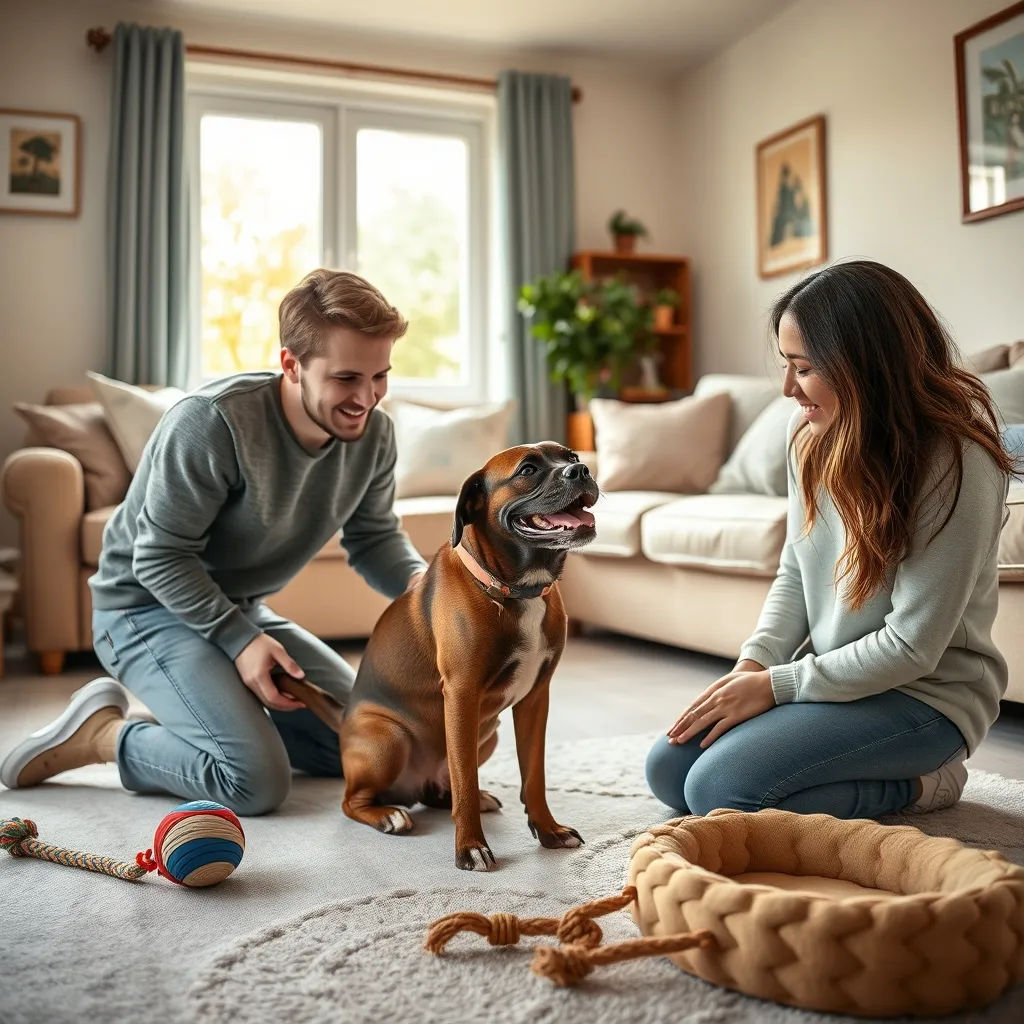
This is where I see the biggest mistakes. People fall in love with a photo online and apply to adopt based purely on appearance. A gorgeous Border Collie might melt your heart, but if you work full-time and live in a flat with no garden, that dog will be miserable, and so will you.
Be brutally honest about your daily routine. How many hours are you away from home? How much exercise can you realistically provide every single day, rain or shine? Do you have experience with dogs, or is this your first? If you are a first-time owner, certain breeds and breed mixes will suit you far better than others.
Good rescue organisations will conduct a thorough lifestyle assessment and match you with a dog whose energy level, size and temperament fit your household. Trust their guidance. The staff and foster carers spend weeks or months observing each dog and understanding its quirks. When a rescue says a particular dog needs an experienced handler or a home without cats, they mean it.
Consider adopting an adult dog rather than a puppy. Adults often come house-trained, past the destructive teething stage and with a known personality. You can see exactly how large they are, how much energy they have and how they respond to everyday situations. Puppies are wonderful, but they are also an enormous amount of work, and there are fewer unknowns with an adult.
If allergies are a concern in your household, discuss this openly with the rescue. Some organisations foster low-shedding breeds that may be more suitable, although no dog is truly 100% hypoallergenic.
The Adoption Process Step by Step
The dog adoption process varies between organisations, but most reputable rescues follow a similar framework. Understanding it in advance helps manage expectations and reduces frustration.
- Application form: You fill in a detailed questionnaire about your home, lifestyle, experience and what you are looking for in a dog. Be thorough and honest; the rescue uses this to match you appropriately.
- Home check: A volunteer or staff member visits your home (or conducts a virtual check) to ensure it is safe and suitable. They check garden security, sleeping arrangements and general living conditions.
- Meet and greet: You meet the dog, ideally more than once. Bring all household members, including existing dogs if applicable. Pay attention to how the dog interacts with everyone.
- Trial period: Some rescues offer a fostering-to-adopt arrangement, giving both you and the dog a chance to see if the match works before finalising.
- Adoption contract: You sign an agreement that typically includes a clause requiring you to return the dog to the rescue if things do not work out, rather than rehoming privately.
- Post-adoption support: Good rescues offer ongoing advice and behavioural support. Make use of this; it exists precisely for moments when you feel stuck.
The Blue Cross rehoming process is a good example of what to expect from a well-structured rescue, with clear steps from enquiry through to bringing your new dog home.
The entire process can take anywhere from a few days to several weeks. If a rescue hands over a dog with no questions asked and no home check, treat that as a red flag. Responsible organisations take the time to ensure a good match because a failed adoption is traumatic for the dog.
The First Two Weeks: Decompression and Settling In
The day you bring your rescue dog home is exciting for you, but it can be overwhelming for the dog. Everything they know has changed: the smells, the sounds, the people, the routine. I always advise my clients to follow the 3-3-3 rule, a guideline widely used by trainers and rescues alike.
In the first 3 days, your dog may be shut down, refuse food, hide, or conversely be hyperactive and restless. They may have accidents indoors even if they are house-trained. This is completely normal. Keep things calm and quiet. Avoid hosting visitors, taking the dog to busy parks or introducing them to the entire neighbourhood.
Over the first 3 weeks, your dog begins to learn the household routine. They start to understand when meals happen, where they sleep and who the family members are. You may also see some less desirable behaviours emerge as they feel more comfortable, things like counter-surfing, barking at the doorbell or resource guarding. This is not a sign of failure; it is a sign your dog is relaxing enough to show you who they really are.
By 3 months, most rescue dogs have fully settled. They bond more deeply, respond more consistently to training and show their true personality. Some dogs with more traumatic histories may take longer, and that is perfectly fine.
During the decompression period, establish a consistent daily routine. Feed at the same times each day, walk the same quiet routes and keep the household predictable. Learn how much to feed your dog based on their size, age and activity level, as rescue dogs are sometimes over- or underweight when they arrive.
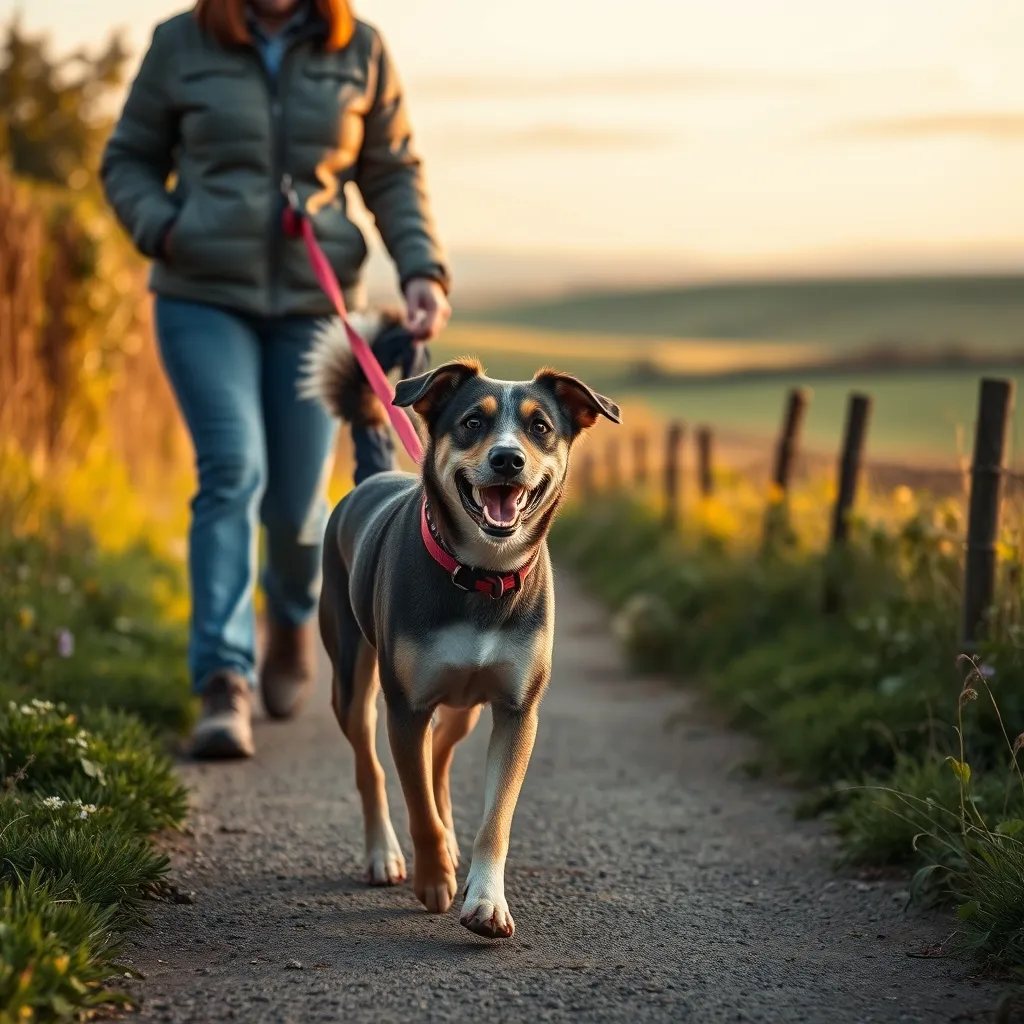
Start lead training early using positive reinforcement. Many rescue dogs have never been taught to walk nicely, and gentle, reward-based sessions build trust while teaching a valuable life skill.
Common Behavioural Challenges and How to Handle Them
In my years of working with rescue dogs, certain behavioural issues come up repeatedly. None of them are insurmountable, but all of them benefit from understanding and a force-free approach.
Separation anxiety is the single most common issue I see in newly adopted dogs. A dog who has been abandoned or surrendered may panic when left alone, leading to destructive behaviour, excessive barking or toileting indoors. Build alone-time gradually. Start by leaving the room for just a few seconds and slowly increase the duration. Never punish a dog for anxiety-driven behaviour; it only makes things worse.
Fear and reactivity towards people, other dogs or specific triggers like umbrellas, men in hats or loud vehicles are also common. If your dog shows signs of reactive or aggressive behaviour, seek professional help early. A qualified force-free trainer can design a desensitisation and counter-conditioning programme tailored to your dog’s specific triggers.
House-training regressions happen even with dogs who were previously reliable. The stress of rehoming can cause setbacks. Go back to basics: take them outside frequently, reward them generously for going in the right spot and clean accidents with enzymatic cleaner to remove scent markers.
Excessive barking often stems from boredom, anxiety or frustration. Before you can address it, you need to understand why your dog is barking. A dog barking at every noise outside needs a different approach than one who barks because they are left alone.
Resource guarding, where a dog growls or snaps when you approach their food, toys or resting place, requires professional guidance. Do not attempt to “train it out” by taking things away, as this usually escalates the problem. A qualified behaviourist can help you implement a structured trading protocol that teaches your dog they gain more by sharing than by guarding.
Costs of Dog Adoption Versus Buying a Puppy
One of the most practical considerations around dog adoption is cost. Let me lay out a realistic comparison so you can budget properly.
| Expense | Dog Adoption (Rescue) | Buying a Puppy (Breeder) |
|---|---|---|
| Initial fee | £150 – £350 | £800 – £3,000+ |
| Vaccinations | Usually included | £60 – £150 |
| Microchipping | Usually included | £20 – £35 |
| Neutering/spaying | Usually included or arranged | £150 – £400 |
| First veterinary check | Completed by rescue | £40 – £80 |
| Behavioural assessment | Completed by rescue | Not typically available |
| Annual insurance | £300 – £600 | £300 – £600 |
| Monthly food | £30 – £80 | £30 – £80 |
| Parasite prevention (annual) | £100 – £200 | £100 – £200 |
As you can see, the upfront savings with dog adoption are substantial. The adoption fee often represents a fraction of the cost of purchasing from a breeder, and the fact that vaccinations, microchipping and neutering are typically bundled in means fewer surprise expenses in the first few weeks.
Ongoing costs are broadly similar regardless of whether you adopt or buy. Budget for annual veterinary check-ups, regular grooming, coat care, quality food and pet insurance. The PDSA estimates the lifetime cost of a dog at between £6,000 and over £30,000 depending on the breed, size and health needs. Knowing this upfront prevents financial strain later.
If cost is a significant concern, speak to the rescue about their support options. Some organisations offer subsidised veterinary care, free training classes or food bank services for adopters facing temporary financial difficulty.
Building a Lifelong Bond with Your Rescue Dog
The bond you build with a rescue dog is something truly special. There is a reason so many adopters say their dog “chose them.” Once a rescue dog learns to trust you, the loyalty and affection they show is extraordinary.
Building that bond takes time and consistency. Here are the strategies I recommend to every adopter:
Use positive reinforcement exclusively. Reward the behaviours you want to see with treats, praise and play. Punishment-based methods damage trust, and trust is the single most important currency you have with a rescue dog. Force-free training is not just kinder; it is backed by RSPCA training guidelines and produces more reliable, long-lasting results.
Establish predictable routines. Dogs thrive on knowing what comes next. Consistent feeding times, walk schedules and bedtime routines reduce anxiety and help your rescue dog feel secure.
Invest in enrichment. Mental stimulation is just as important as physical exercise. Scatter feeding, snuffle mats, puzzle toys and short training sessions keep your dog’s brain active and prevent boredom-related behaviours. If you are feeding homemade meals, you can use portions of their daily food allowance for training and enrichment games rather than serving it all in a bowl.
Learn to read your dog. Every wag, ear position and body shift tells you something. A dog who licks their lips, yawns or turns their head away is communicating discomfort. Respecting those signals builds trust faster than any treat ever could. Understanding canine body language is a skill I consider non-negotiable for any dog owner.
Be patient with setbacks. There will be days when your rescue dog chews a shoe, has an accident on the carpet or barks at the postman for the hundredth time. These moments are not failures. They are part of the journey. The dog in front of you has been through upheaval, and every day they spend in your home learning that they are safe is a day closer to the companion you hoped for.
If you plan to travel with your dog, introduce car journeys gradually. Many rescue dogs associate vehicle travel with stressful experiences such as being taken to the shelter. Short, positive trips to enjoyable destinations help rewrite that association.
Ensure your rescue dog’s vaccinations are up to date and schedule a veterinary check within the first week of bringing them home, even if the rescue has already provided medical records. Your vet can establish a baseline for your dog’s health, discuss an appropriate parasite prevention plan and flag any concerns early. If you notice any injuries or health issues during the settling-in period, having a basic understanding of canine first aid can be invaluable.
Dog adoption is not always easy. There are hard days, sleepless nights and moments of doubt. But when your rescue dog curls up beside you on the sofa, rests their head on your lap and sighs with contentment, you will understand why every single challenge was worth it. You did not just save their life. They changed yours, too.
Key Points
- Complete a full home safety check including garden fencing before collecting your rescue dog
- Follow the 3-3-3 rule (3 days, 3 weeks, 3 months) and resist the urge to rush introductions or outings
- Budget at least £1,500 for first-year costs beyond the adoption fee, covering insurance, food, veterinary care and supplies
- Use positive reinforcement only to build trust, and seek a qualified force-free trainer if behavioural issues arise
- Book a veterinary check-up within the first week to establish a health baseline and update parasite prevention
Frequently Asked Questions
How long does the dog adoption process take from application to bringing a dog home?
The timeline varies by rescue organisation, but most processes take between one and four weeks. This includes completing the application form, undergoing a home check, attending one or more meet-and-greet sessions and signing the adoption contract. Some rescues with high demand may have waiting lists for popular breeds or sizes. Patience during this stage is important because a thorough process leads to better matches and fewer returns.
Yes, but you need a realistic plan for your dog’s care during working hours. Many rescues will consider full-time workers who can arrange for a dog walker, doggy day care or a trusted friend or family member to break up the day. Most adult dogs should not be left alone for more than four to six hours at a time. Be upfront about your schedule during the application process so the rescue can match you with a dog whose independence level suits your situation.Can I adopt a dog if I work full-time?
Most reputable rescues include vaccinations, microchipping, neutering or spaying, a veterinary health check and a behavioural assessment within the adoption fee. Some organisations also provide a starter pack with food, a lead and basic information about the dog’s history and preferences. The fee, typically between £150 and £350, represents only a fraction of the actual cost the rescue has invested in the dog’s care.What is included in a typical dog adoption fee?
Many rescue dogs are excellent with children, and rescues specifically assess dogs for child-friendliness before placing them in family homes. However, every dog is an individual. Always follow the rescue’s guidance on whether a specific dog is suitable for a household with children, and teach children how to interact safely with dogs, including recognising stress signals and respecting the dog’s space. Supervision during all interactions between young children and any dog, adopted or otherwise, is essential.Are rescue dogs good with children?
First, remember that some dogs take longer than others to decompress, particularly those with traumatic backgrounds. If significant behavioural issues persist beyond four to six weeks, contact the rescue organisation for post-adoption support and consider working with a certified force-free dog trainer or behaviourist. Do not feel ashamed for asking for help; it is far better to seek guidance early than to wait until both you and the dog are stressed beyond coping.What should I do if my rescue dog is not settling in after several weeks?
Absolutely. Many rescue dogs live happily alongside other dogs and cats. The key is choosing a dog that has been assessed as compatible with other animals and managing introductions carefully. Rescues typically arrange controlled meet-and-greet sessions between your existing pets and the potential new addition. Introductions should be gradual, in neutral territory, and supervised until you are confident that all animals are comfortable with one another.Can I adopt a dog if I already have pets at home?