
Key Takeaways
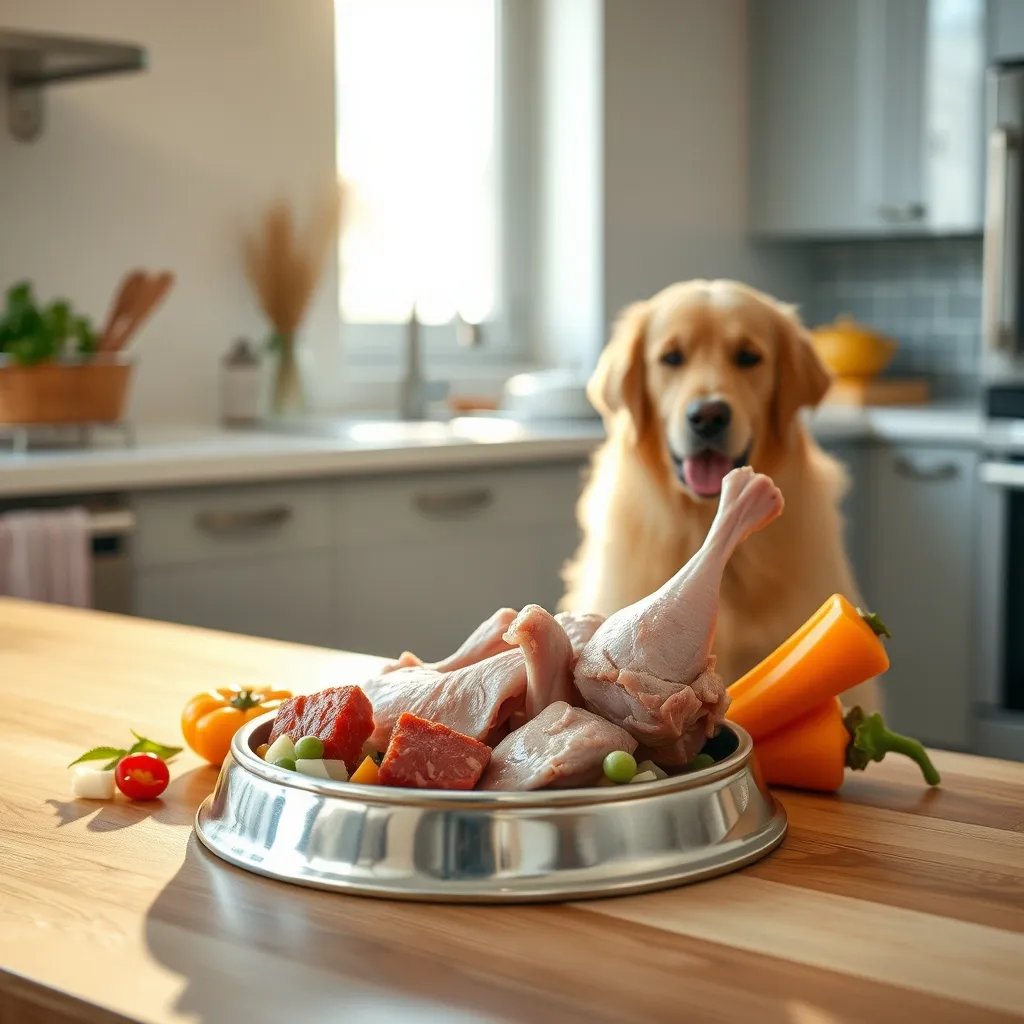
- A raw dog food diet typically consists of 80% muscle meat, 10% raw bone, 5% liver and 5% other offal, following the prey-model ratio
- The AVMA and British Veterinary Association both advise caution due to bacterial contamination risks including Salmonella and Campylobacter
- Transitioning to raw dog food should take a minimum of 7 to 10 days, gradually increasing the raw portion while decreasing the previous diet
- A complete raw diet for a healthy adult dog costs roughly £2 to £5 per day depending on the dog’s size and protein sources chosen
- Puppies, senior dogs and immunocompromised animals require veterinary consultation before switching to any raw feeding programme
- Proper food-handling hygiene, including separate chopping boards and sanitising surfaces with a bleach solution, is non-negotiable when feeding raw
In This Guide
I have spent over a decade working with dogs of every breed, size and temperament. In that time, raw dog food has gone from a fringe topic whispered about in training circles to one of the most debated subjects in canine nutrition. Owners ask me about it almost every week, and I understand why. The idea of feeding your dog a species-appropriate, minimally processed diet is genuinely appealing. But raw feeding is not something you should dive into without solid information, careful planning and honest awareness of the risks involved.
In this guide, I am going to walk you through everything I have learned about raw dog food: the genuine benefits owners report, the real dangers veterinary science has identified, and a practical step-by-step framework if you decide this approach is right for your dog. My goal is not to sell you on raw feeding or scare you away from it. It is to give you enough knowledge to make a confident, informed decision.
What Is Raw Dog Food?
Raw dog food refers to any diet built around uncooked animal products including muscle meat, organ meat, raw meaty bones, and sometimes vegetables, fruits and supplements. The concept gained mainstream attention in 1993 when Australian veterinarian Dr Ian Billinghurst published his book on what he called the BARF diet, which stands for Biologically Appropriate Raw Food.
There are several models within the raw feeding world, but the two most common are:
- Prey Model Raw (PMR): Aims to replicate a whole prey animal. It follows a ratio of roughly 80% muscle meat, 10% raw edible bone, 5% liver and 5% other secreting organs. No plant matter is added.
- BARF Model: Follows a similar meat and bone foundation but includes around 10% vegetables, fruits and sometimes seeds, eggs or dairy.
Both models reject heavily processed kibble in favour of whole, raw ingredients. Proponents argue that dogs evolved eating raw prey for thousands of years before commercial pet food appeared in the mid-twentieth century. Critics counter that domesticated dogs have genetically adapted to digest starches and that the risks of bacterial contamination outweigh any theoretical benefit.
Understanding how much to feed your dog based on size, age and activity level is foundational before you begin calculating raw portions.
Potential Benefits of Feeding Raw
I want to be transparent: much of the evidence for raw dog food benefits is anecdotal, reported by owners and breeders rather than established through large-scale clinical trials. That said, the consistency of these reports across thousands of dogs is worth discussing.
Improved coat and skin condition. This is the benefit owners mention most frequently. Many report that their dog’s coat becomes shinier, softer and less prone to dandruff within four to six weeks of switching. The higher levels of natural fats and omega-3 fatty acids in raw meat likely contribute to this. If you already maintain a regular brushing routine suited to your dog’s coat type, you may notice the difference even sooner.
Smaller, firmer stools. Dogs on a well-balanced raw diet tend to produce noticeably less waste. This happens because raw food contains fewer fillers and indigestible carbohydrates than many commercial kibbles. The stool is typically firmer, less odorous and easier to pick up.
Better dental health. Chewing raw meaty bones provides a natural mechanical cleaning action on the teeth. Many raw feeders report reduced plaque and tartar build-up compared to dogs fed exclusively on soft or processed food.
Higher energy and leaner body composition. Some owners notice their dogs maintain a healthier weight more easily on raw, with visible muscle definition and sustained energy throughout the day. The higher protein-to-carbohydrate ratio in raw diets may play a role here.
Reduced allergy symptoms. For dogs with food sensitivities, a raw diet allows complete control over every ingredient. Eliminating common allergens like wheat, soy and artificial additives can significantly reduce itching, ear infections and digestive upset.
Risks and Concerns You Must Know
No responsible discussion of raw dog food can skip the risks. These are not scare tactics; they are documented concerns raised by veterinary bodies worldwide.
Bacterial contamination is the primary risk. Raw meat can harbour pathogens including Salmonella, Listeria, E. coli and Campylobacter. According to the PDSA’s guidance on raw diets, these bacteria pose a health risk not only to your dog but to everyone in the household, particularly young children, elderly family members and anyone with a compromised immune system.
Nutritional imbalance. Formulating a complete and balanced raw diet is far more complex than most owners realise. Getting the calcium-to-phosphorus ratio wrong, for instance, can lead to metabolic bone disease in growing puppies. Deficiencies in zinc, iodine, vitamin D and manganese are common in poorly planned DIY raw diets.
Internal injuries from bones. While raw bones are softer than cooked ones, they can still cause problems. Bone fragments may chip teeth, become lodged in the oesophagus or cause intestinal obstruction or perforation. Weight-bearing bones from large animals like beef femurs are especially risky.
Cost and time commitment. Preparing a balanced raw diet requires sourcing multiple protein sources, weighing portions accurately and storing large quantities of raw meat safely. It is a significant ongoing commitment that many owners underestimate at the start.
The British Veterinary Association’s position on raw feeding highlights these risks and recommends that owners who choose to feed raw do so under professional veterinary guidance.
Who Should Avoid Raw Feeding
Raw feeding is not suitable for every dog or every household. I always advise extra caution or avoidance altogether in these situations:
- Puppies under 12 weeks old have developing immune systems and are more vulnerable to bacterial infections. Their precise nutritional requirements for growth make DIY raw particularly risky. Consult the puppy vaccination schedule and your vet before making dietary changes during this critical period.
- Senior dogs with compromised organ function. Older dogs with kidney or liver disease may struggle with the high protein load in raw diets. If you have an ageing companion, review senior dog care guidelines and involve your vet in any dietary shift.
- Immunocompromised dogs undergoing chemotherapy or taking immunosuppressive medications face heightened infection risk from bacterial exposure.
- Households with very young children or immunocompromised people. The risk of zoonotic bacterial transmission through shared surfaces, dog saliva and faecal matter is a serious consideration.
- Dogs with a history of pancreatitis. The high fat content of many raw recipes can trigger dangerous flare-ups in susceptible dogs.
How to Start a Raw Dog Food Diet
If you have weighed the evidence, consulted your vet and decided to try raw dog food, here is the step-by-step approach I recommend.
Step 1: Get a veterinary health check. Before changing anything, have your dog examined. Request a baseline blood panel so you have a reference point for monitoring health over time. Discuss your plans openly with your vet.
Step 2: Choose your model. Decide whether you will follow the prey model, the BARF model or use a commercial raw brand. Beginners often find commercial complete raw meals the safest starting point because the nutritional balancing is done for you.
Step 3: Start with a single protein source. Chicken is the most common starter protein because it is mild, affordable and widely available. Feed one protein for at least a week before introducing another. This makes it far easier to identify any sensitivities or digestive issues.
Step 4: Transition gradually over 7 to 10 days. I recommend the following schedule:
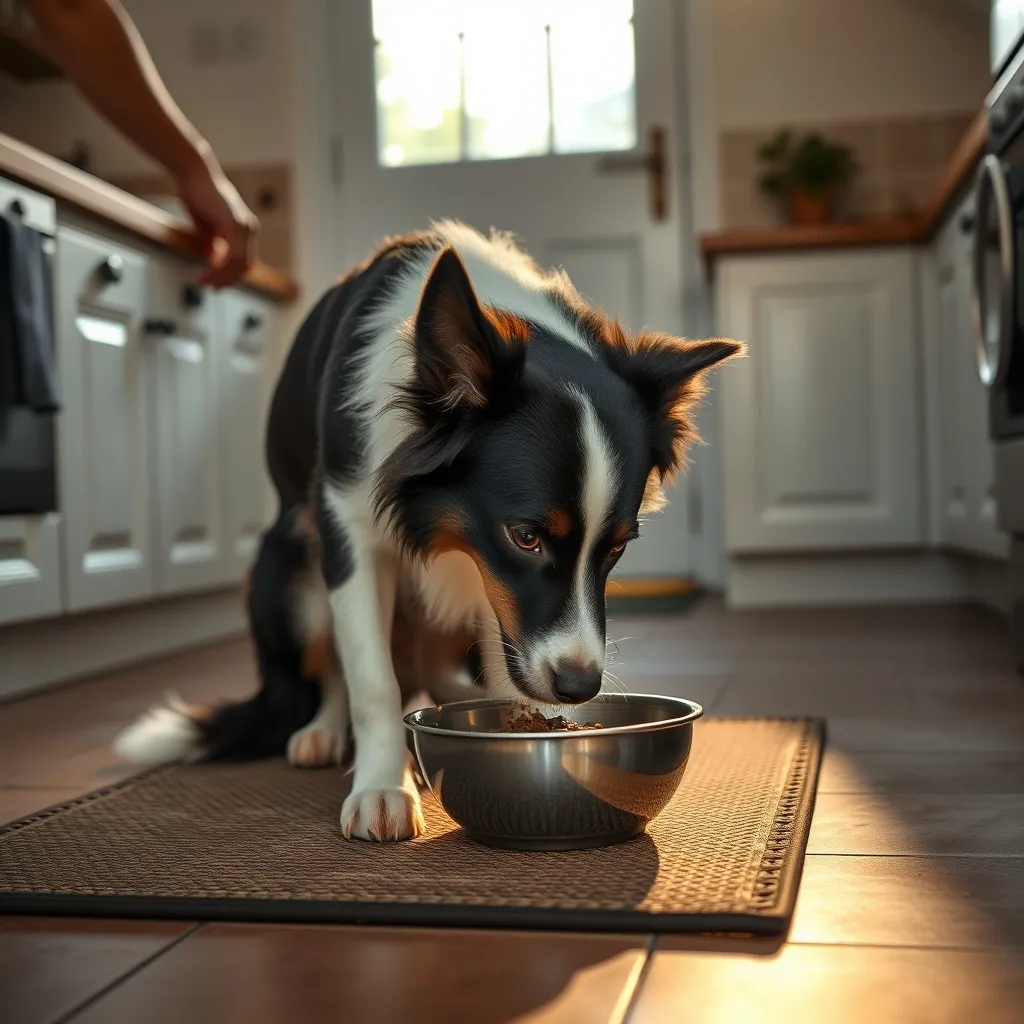
- Days 1 to 3: 25% raw, 75% current food (served in separate bowls)
- Days 4 to 6: 50% raw, 50% current food
- Days 7 to 9: 75% raw, 25% current food
- Day 10 onwards: 100% raw
Some dogs transition without any issue. Others experience loose stools, mild vomiting or temporary appetite changes. If symptoms persist beyond 48 hours, slow down the transition or consult your vet.
Step 5: Weigh and monitor. Weigh your dog weekly for the first two months. Adjust portions to maintain a healthy body condition score. If you are looking for guidance on balanced homemade nutrition, our vet-approved homemade dog food recipes offer a helpful reference framework.
Raw Diet Ratio and Portion Guide
Getting the ratios right is the single most important factor in raw feeding. An unbalanced diet can cause serious harm over time, even if your dog looks healthy in the short term.
| Component | Prey Model (PMR) | BARF Model | Purpose |
|---|---|---|---|
| Muscle meat | 80% | 70% | Primary protein and fat source |
| Raw edible bone | 10% | 10% | Calcium and phosphorus |
| Liver | 5% | 5% | Vitamin A, B vitamins, iron |
| Other secreting organs | 5% | 5% | Trace minerals and nutrients |
| Vegetables and fruit | 0% | 10% | Fibre, antioxidants, phytonutrients |
For daily portion sizes, the general guideline is to feed 2% to 3% of your adult dog’s ideal body weight per day, split across two meals. More active dogs, working breeds and underweight dogs may need closer to 3% or even 4%. Less active or overweight dogs may need as little as 1.5%.
Puppies require significantly more food relative to body weight. A growing puppy typically needs between 5% and 8% of their current weight daily, gradually decreasing as they approach adult size. This is a period where professional nutritional guidance is especially valuable.
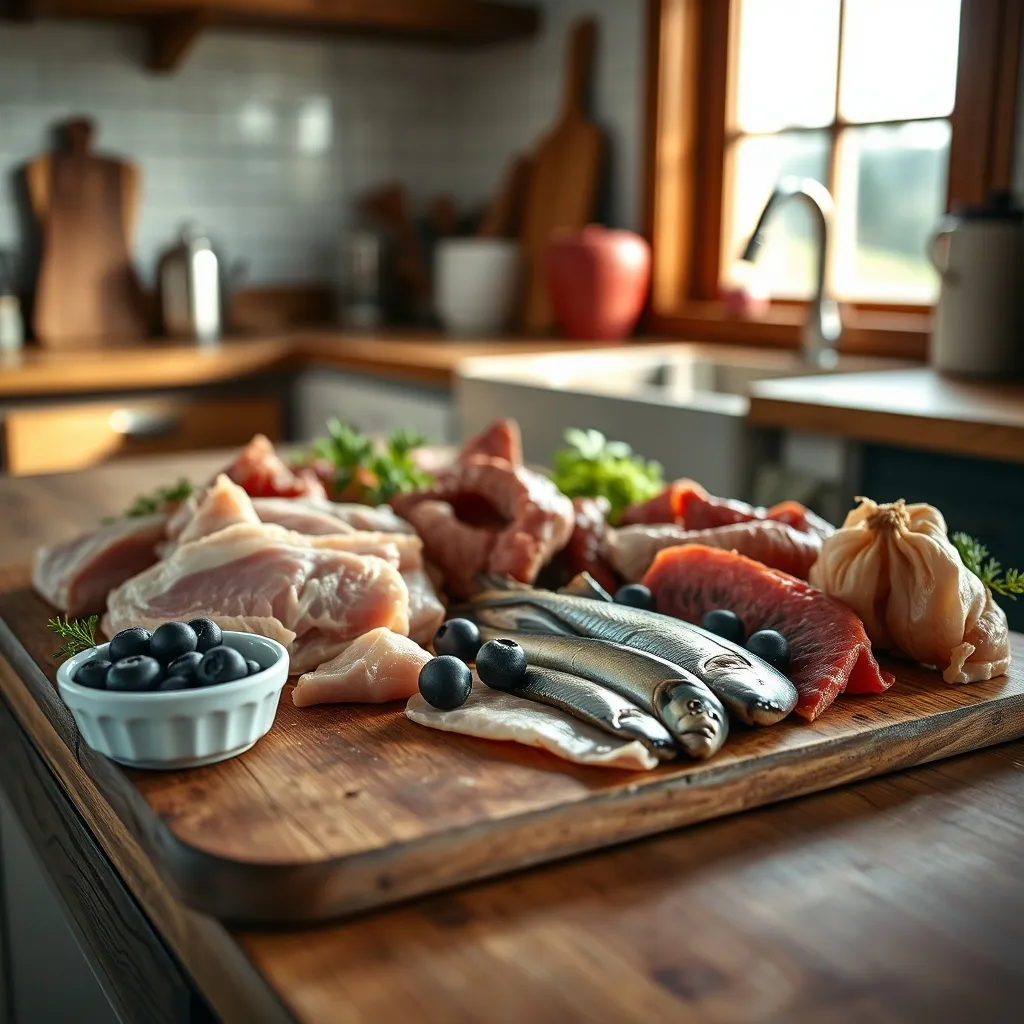
Variety is critical over time. Aim to rotate through at least three different protein sources each month. Chicken, turkey, beef, lamb, duck, rabbit and oily fish like sardines or mackerel each bring a different nutrient profile to the diet.
Commercial Raw vs DIY Raw
One of the first decisions new raw feeders face is whether to buy pre-made commercial raw meals or prepare everything from scratch. Both approaches have clear advantages and drawbacks.
Commercial raw food is sold frozen or freeze-dried and is formulated to meet FEDIAF (European Pet Food Industry Federation) nutritional guidelines. Reputable brands test for pathogens, balance the calcium-to-phosphorus ratio and include the correct proportion of organs. The convenience factor is enormous: you simply thaw and serve.
The downside is cost. Commercial raw typically costs two to four times more than preparing your own. For a 25kg dog, you might spend £100 to £150 per month on commercial raw compared to £50 to £80 for a well-sourced DIY approach.
DIY raw feeding gives you complete control over sourcing, quality and ingredients. It can be more economical, especially if you buy in bulk from butchers, wholesale meat suppliers or raw feeding co-operatives. However, the responsibility for nutritional completeness falls entirely on you.
If you go the DIY route, I strongly recommend using a canine nutritionist or a formulation tool to check your recipes. Common deficiencies in unsupervised DIY raw diets include manganese, vitamin E, zinc and omega-3 fatty acids. Adding a small amount of oily fish or a quality fish oil supplement two to three times a week helps address the omega-3 gap.
For owners new to preparing meals at home for their dogs, reviewing homemade dog food recipes can help build confidence with portioning and ingredient variety.
Food Safety and Handling Rules
If you feed raw dog food, you are handling raw meat daily. The same food safety principles that apply in your kitchen for human meals apply here, and arguably need to be even stricter because the meat is served uncooked.
Essential hygiene practices:
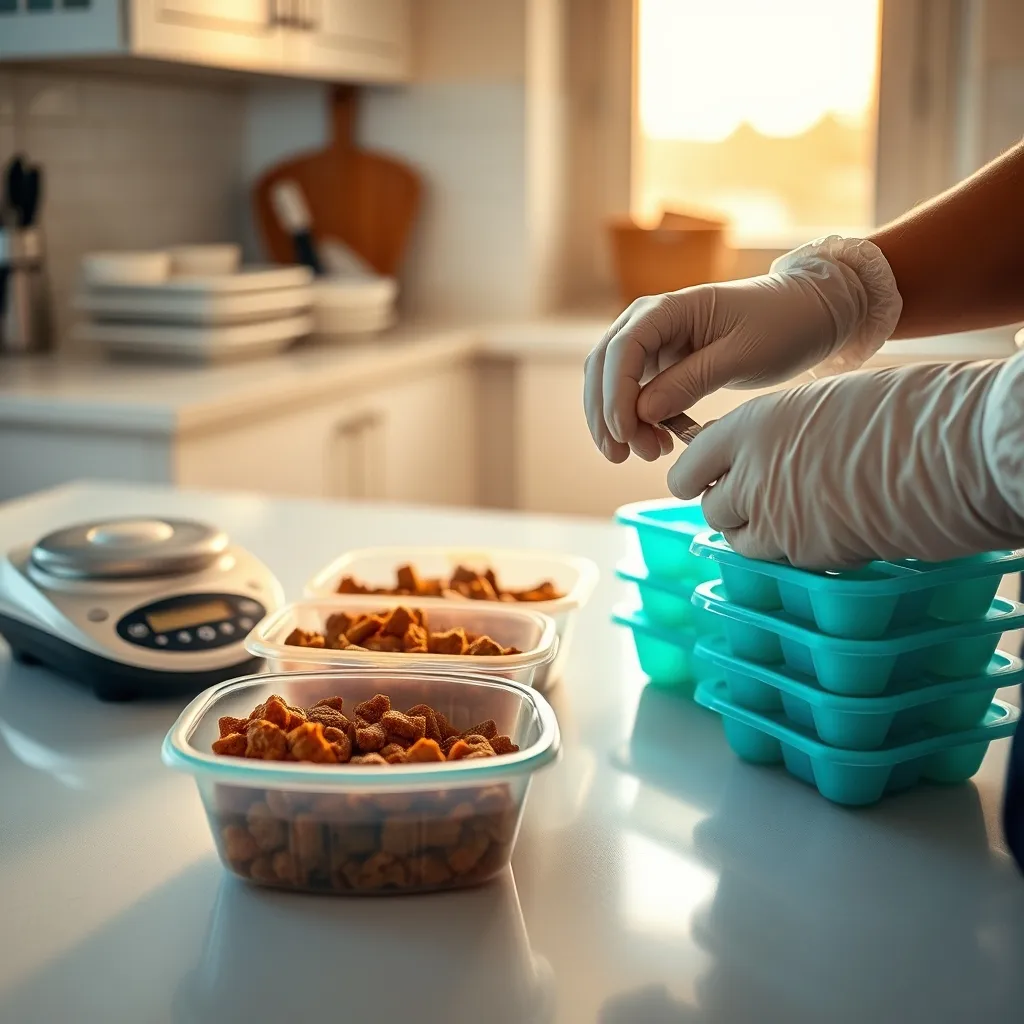
- Use dedicated chopping boards, bowls and utensils for your dog’s raw food. Never share these with human food preparation.
- Clean and disinfect all surfaces, bowls and utensils immediately after preparation. A solution of one tablespoon of bleach per litre of water is effective.
- Wash your hands thoroughly with soap and warm water for at least 20 seconds after handling any raw meat.
- Store raw dog food in sealed containers at the bottom of your freezer or fridge to prevent drips contaminating other food.
- Thaw frozen raw food in the fridge, never at room temperature. Discard any thawed food that has been left out for more than 30 minutes.
- Pick up and dispose of your dog’s faeces promptly, as raw-fed dogs are more likely to shed bacteria like Salmonella in their stools.
If your dog eats in a crate, wipe down the crate floor after every meal. For general crate hygiene and setup advice, our guide on humane crate training covers maintenance tips that apply here.
Children should never handle raw dog food, and dogs should not lick faces immediately after eating a raw meal. These are simple rules, but they are easy to forget in the routine of daily life.
Monitoring Your Dog’s Health on Raw
Switching to raw dog food is not a set-and-forget decision. Ongoing monitoring is essential to make sure the diet is truly serving your dog well.
In the first month, watch for:
- Stool consistency and colour. Loose stools during the first week of transition are normal. Persistent diarrhoea, mucus or blood is not.
- Vomiting. Occasional regurgitation of bone fragments can happen but frequent vomiting warrants veterinary attention.
- Energy levels and appetite. A healthy dog on a suitable diet should eat eagerly and maintain steady energy.
At the three-month mark, schedule a follow-up blood panel with your vet. Compare the results to your baseline. Key markers to review include albumin, calcium, phosphorus, liver enzymes and red blood cell counts. Any significant shifts may indicate a nutritional imbalance that needs correcting.
Ongoing indicators of a well-balanced raw diet:
- Healthy body condition score (you should be able to feel ribs easily without them being visible)
- Clean, white teeth with minimal tartar
- Bright, clear eyes with no excessive discharge
- A glossy, full coat without excessive shedding or dandruff
- Firm, small stools that are easy to pick up
Learning to read your dog’s subtle physical signals is just as important with diet as it is with behaviour. Understanding dog body language helps you spot discomfort, nausea or pain early, before a small issue becomes a serious one.
Remember that diet is one piece of a bigger picture. Regular parasite prevention remains essential regardless of what your dog eats, and maintaining a basic first aid skill set means you are prepared for any unexpected reactions during the transition.
Key Points
- Consult your vet and request a baseline blood panel before starting any raw diet
- Begin with a single protein source like chicken and transition gradually over 7 to 10 days
- Follow the 80/10/5/5 prey model ratio or use a FEDIAF-compliant commercial raw brand
- Maintain strict hygiene: dedicated utensils, bleach-clean surfaces and proper thawing in the fridge only
- Schedule a follow-up blood panel at three months and weigh your dog weekly during transition
Frequently Asked Questions
Is raw food actually good for dogs?
Raw food can offer benefits such as improved coat condition, smaller stools and better dental health. However, there is limited large-scale clinical evidence proving it is superior to high-quality commercial diets. The key factor is whether the raw diet is nutritionally complete and balanced. A poorly formulated raw diet is significantly worse than a good-quality kibble. I always recommend working with a veterinary nutritionist if you choose to feed raw, particularly for puppies and senior dogs.
Chicken is the most widely recommended starter protein for raw feeding. It is mild, easily digestible, affordable and widely available. Start with boneless chicken thigh or breast for the first few days, then introduce chicken frames or wings for the bone content. Feed one protein source for at least a week before adding a second, such as turkey or beef, so you can identify any digestive sensitivities quickly.What is the best protein to start a raw dog food diet with?
This is one of the most debated questions in raw feeding circles. Many raw advocates claim that raw and kibble digest at different rates and should never be combined. However, there is no published scientific evidence supporting this claim. During the transition period, feeding raw and kibble in the same day but at separate meals is a practical approach. Some owners continue mixed feeding long-term without issues. If your dog tolerates it well and maintains good health markers, there is no strong reason to avoid it.Can I mix raw dog food with kibble?
Costs vary depending on your dog’s size, the proteins you choose and whether you use commercial or DIY raw. As a rough guide, feeding a medium-sized dog (15 to 25 kg) costs approximately £60 to £150 per month. Commercial complete raw meals sit at the higher end, while sourcing meat directly from butchers or wholesale suppliers brings costs down. Buying in bulk and batch-preparing meals can further reduce expenses, though you will need adequate freezer space.How much does it cost to feed a dog a raw diet?
Safe raw bones are soft, edible bones that a dog can chew and consume entirely. Examples include chicken wings, chicken and turkey necks, duck frames, rabbit ribs and lamb ribs. Avoid weight-bearing bones from large animals like beef femur or marrow bones, as these are dense enough to fracture teeth. Never feed cooked bones of any kind, as cooking makes them brittle and far more likely to splinter. Always supervise your dog while they eat bones and match the bone size to your dog’s chewing style.What bones are safe for dogs to eat raw?
You should avoid feeding raw salmon and raw trout from the Pacific Northwest region of the United States, as these can carry a parasite called Neorickettsia helminthoeca that causes salmon poisoning disease, which is potentially fatal in dogs. Farmed salmon from other regions and frozen salmon are generally considered safe, as freezing at -20°C for at least seven days kills the parasite. Additionally, avoid feeding raw pork from unregulated sources due to the risk of Aujeszky’s disease (pseudorabies), which is fatal in dogs. UK-sourced pork is considered lower risk, but freezing before serving adds an extra layer of safety.Are there any meats I should never feed my dog raw?