

Key Takeaways
- Most dogs are considered senior between ages seven and ten, though giant breeds may reach senior status as early as five
- Twice-yearly veterinary check-ups can detect age-related conditions up to 18 months earlier than annual visits alone
- Senior dogs need around 20% fewer calories than younger adults, yet often require higher-quality protein to maintain lean muscle mass
- Joint supplements containing glucosamine and omega-3 fatty acids can measurably improve mobility when started before symptoms become severe
- Cognitive decline affects an estimated 28% of dogs aged 11 to 12 and over 60% of dogs aged 15 to 16, but environmental enrichment slows progression
- Simple home modifications such as non-slip mats and orthopaedic beds significantly reduce fall risk and improve daily comfort
In This Guide
- When Is a Dog Considered Senior?
- Common Health Conditions in Older Dogs
- Nutrition and Diet for Senior Dogs
- Supporting Mobility and Joint Health
- Cognitive Health and Mental Enrichment
- Grooming and Daily Comfort
- Adapting Exercise and Activity
- Making Your Home Senior-Dog Friendly
- Knowing When Your Senior Dog Needs Help
I still remember the morning I noticed my own dog, a ten-year-old Border Collie called Pepper, hesitate at the back steps she had bounded up every day for a decade. That small pause changed everything about how I approached her daily routine. After more than ten years of working with dogs professionally, including hundreds of senior rescues and rehabs, I can tell you that senior dog care is not about slowing down; it is about adapting intelligently so your dog’s later years are genuinely comfortable and fulfilling.
This guide covers every practical aspect of caring for an ageing dog, from the veterinary basics to the tiny household changes that make an enormous difference. Whether your dog just turned seven or is well into their teenage years, the information here will help you give them the quality of life they deserve.
When Is a Dog Considered Senior?

There is no single birthday that transforms a dog from adult to senior. Size, breed and individual genetics all play a role. As a general guide, most veterinary professionals use the following age ranges, and the American Veterinary Medical Association recommends discussing senior-specific screenings once your dog reaches the appropriate threshold for their size category.
| Dog Size | Approximate Adult Weight | Senior Threshold | Common Lifespan |
|---|---|---|---|
| Small breeds | Under 10 kg (22 lb) | 9 to 11 years | 14 to 17 years |
| Medium breeds | 10 to 25 kg (22 to 55 lb) | 8 to 10 years | 12 to 15 years |
| Large breeds | 25 to 40 kg (55 to 88 lb) | 6 to 8 years | 10 to 13 years |
| Giant breeds | Over 40 kg (88 lb) | 5 to 6 years | 8 to 11 years |
Giant breeds such as Great Danes and Saint Bernards age considerably faster than a Chihuahua or a Miniature Poodle. If you are unsure where your dog falls on the spectrum, a conversation with your vet is the simplest starting point. I always tell my clients: once you notice the first grey hairs around the muzzle, it is time to start thinking like a senior dog carer, even if your dog still acts like a puppy.
Common Health Conditions in Older Dogs
Ageing brings predictable changes, and the earlier you spot them, the more options you have. Here are the conditions I encounter most frequently when working with senior dogs.
Osteoarthritis
Arthritis affects an estimated 80% of dogs over the age of eight. Symptoms include stiffness after rest, reluctance to jump or climb stairs, and a noticeable change in gait. Mild cases respond well to weight management and gentle exercise, while advanced cases may need veterinary-prescribed pain relief.
Dental disease
By the time most dogs are senior, periodontal disease is already present to some degree. Infected gums cause chronic pain and can affect the heart, kidneys and liver. Annual dental cleanings under anaesthesia become more important, not less, as your dog ages. Regular tooth brushing at home remains the single most effective preventative measure.
Kidney and liver changes
Organ function naturally declines with age. Routine blood panels every six months allow your vet to catch subtle shifts in kidney and liver values long before clinical signs appear. Early detection often means dietary changes alone can manage the condition for years.
Vision and hearing loss
Nuclear sclerosis, a clouding of the lens, is extremely common and does not significantly impair vision. True cataracts, however, can cause partial or complete blindness. Hearing loss tends to be gradual, and many owners do not notice until the dog stops responding to verbal cues. If your dog already understands hand signals from clicker training, the transition will be far smoother.
Cancer
Cancer is the leading cause of death in dogs over ten. Lumps, bumps, unexplained weight loss, persistent lameness or sudden lethargy all warrant a prompt veterinary visit. Many cancers are treatable when caught early, especially mast cell tumours and certain lymphomas.
I strongly recommend switching from annual to twice-yearly veterinary visits once your dog enters their senior years. According to the VCA Hospitals senior care guidelines, bi-annual examinations combined with blood work, urinalysis and blood pressure checks give the best chance of catching problems early.
Nutrition and Diet for Senior Dogs
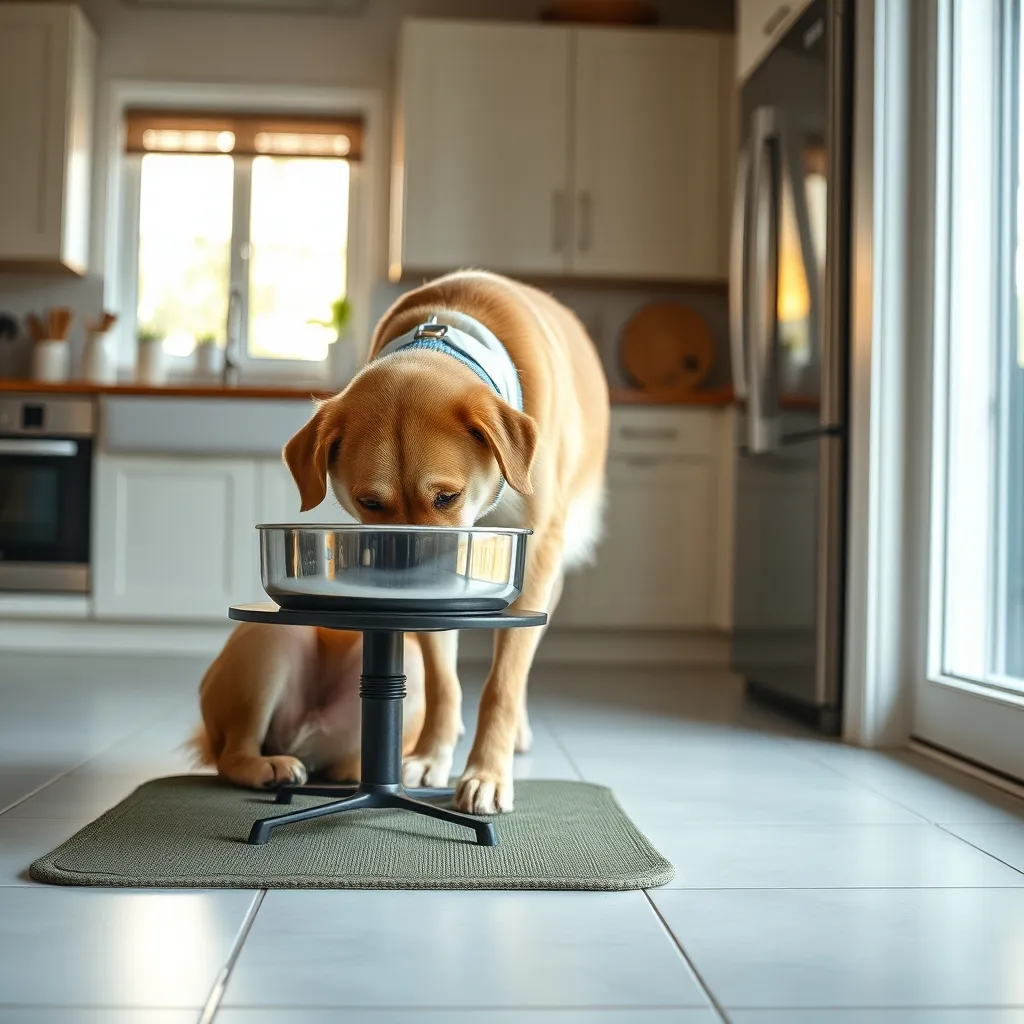
What your senior dog eats has a direct impact on energy levels, coat quality, joint health and cognitive function. Nutritional needs shift as metabolism slows and muscle mass naturally decreases.
Calories and portion control
Senior dogs are less active and have a lower basal metabolic rate. Overfeeding is one of the biggest risks I see. Excess weight places enormous stress on ageing joints and increases the likelihood of diabetes, heart disease and respiratory problems. If you are unsure about the right quantity, our guide on how much to feed a dog by size, age and activity breaks it down clearly.
Protein quality matters
Older dogs do not need less protein; they need highly digestible, quality protein to maintain lean muscle. Look for named animal proteins (chicken, salmon, lamb) as the first ingredient. Avoid formulas that rely heavily on plant-based protein fillers. Dogs with diagnosed kidney disease are the exception and may need a controlled-protein veterinary diet.
Beneficial supplements
- Glucosamine and chondroitin: support cartilage repair and slow joint deterioration
- Omega-3 fatty acids (EPA and DHA): reduce inflammation and support brain health
- Probiotics: aid digestion, which often becomes less efficient with age
- Antioxidants (vitamins E and C): help combat oxidative stress linked to cognitive decline
Always consult your vet before adding supplements. If you prepare meals at home, check our veterinarian-approved homemade dog food recipes for balanced options suitable for older dogs.
Hydration
Senior dogs, particularly those with kidney concerns, need constant access to fresh, clean water. If your dog is reluctant to drink, try adding a splash of low-sodium bone broth to their water bowl or switching to a pet water fountain. Monitoring water intake is also a useful diagnostic tool: a sudden increase can signal kidney disease or diabetes.
Supporting Mobility and Joint Health
Mobility loss is usually the first change owners notice, and it is the area where thoughtful senior dog care can make the biggest visible difference.
Weight management is priority one
Every extra kilogramme your dog carries amplifies pressure on inflamed joints. A dog at a healthy weight is a dog that moves more freely, which in turn strengthens the muscles that support those joints. It is a virtuous cycle. Regular weigh-ins, ideally monthly, help you track trends before they become problems.
Gentle, consistent exercise
I recommend two or three shorter walks per day rather than one long outing. Swimming is outstanding low-impact exercise for arthritic dogs because the water supports body weight while allowing full range of motion. Hydrotherapy, offered by many canine rehabilitation centres, combines the benefits of warm water with professional guidance.
Joint supplements and veterinary treatments
Glucosamine supplements are widely used, but the strongest evidence supports omega-3 fatty acid supplementation for reducing inflammatory markers in arthritic dogs. Your vet may also discuss non-steroidal anti-inflammatory drugs (NSAIDs), adequan injections, laser therapy or acupuncture depending on severity.
Assistive devices
- Ramps and steps: for getting on and off furniture, into cars, or up porch steps
- Harnesses with handles: let you provide gentle lift support for the hind end
- Orthopaedic beds: memory foam or bolstered beds relieve pressure points
- Toe grips or non-slip socks: help dogs gain traction on slippery floors
Keeping your dog’s nails short is surprisingly important for mobility. Overgrown nails alter paw posture and make slipping more likely. Our step-by-step guide to trimming your dog’s nails safely covers the best tools and technique.
Cognitive Health and Mental Enrichment

Canine cognitive dysfunction (CCD) is sometimes called “doggy dementia,” and it is far more common than most owners realise. Research published in the journal Frontiers in Veterinary Science found that cognitive decline affects roughly 28% of dogs aged 11 to 12 and over 60% of dogs aged 15 to 16.
Signs to watch for
- Disorientation in familiar environments
- Staring at walls or getting stuck in corners
- Disrupted sleep cycles, including pacing or vocalising at night
- Loss of house training
- Reduced interaction with family members
- Increased anxiety or clinginess
How to support cognitive function
Mental stimulation is the single most powerful tool you have. Puzzle feeders, scent games and short training sessions keep neural pathways active. I have seen remarkable results with dogs whose owners introduced daily enrichment routines after a CCD diagnosis. Appropriate enrichment toys for every life stage can make this easier to maintain.
Dietary support also plays a role. Diets rich in medium-chain triglycerides (MCTs), antioxidants and B vitamins have shown measurable cognitive benefits in clinical trials. Your vet may recommend a prescription brain-health diet or specific supplements.
Maintaining a consistent daily routine is equally critical. Dogs with CCD become anxious when their environment changes unpredictably. Keep feeding times, walk routes and sleeping areas as consistent as possible. Understanding your dog’s body language will help you detect early signs of confusion or distress.
Grooming and Daily Comfort
Senior dogs often need more frequent grooming, not less. Ageing skin becomes drier, coats thin, and the dog’s reduced mobility means they cannot groom themselves as effectively.
Coat and skin care
Regular brushing stimulates circulation, distributes natural oils and gives you a chance to check for lumps, sores or parasites. If you are unsure how often to brush or which tool to use, our guide on brushing a dog’s coat by breed type has detailed recommendations.
Bathing
Older dogs may need bathing more or less frequently depending on skin condition. Use a gentle, moisturising shampoo formulated for sensitive skin. If your dog struggles to stand in the bath, a non-slip mat and a handheld shower attachment make the process far less stressful. Our step-by-step bathing guide covers common mistakes to avoid.
Parasite prevention
Senior dogs are just as vulnerable to fleas, ticks and intestinal parasites as younger dogs, and compromised immune systems can make infestations more harmful. Stay on top of a year-round prevention programme using our complete parasite prevention guide.
Ear and eye care
Check ears weekly for redness, odour or discharge. Clean gently with a vet-approved ear solution. For dogs developing cloudy eyes or increased tear staining, mention it at your next vet visit. While nuclear sclerosis is benign, cataracts and glaucoma require treatment.
Adapting Exercise and Activity
Exercise remains essential for senior dogs. The goal is not to stop activity but to match the type and intensity to your dog’s current ability.
Walk modifications
Swap one long walk for two or three shorter outings of 15 to 20 minutes each. Walk on soft, even surfaces whenever possible; grass and dirt paths are kinder to ageing joints than concrete pavements. Allow your dog to set the pace, and never force a reluctant dog to continue. If your senior dog still pulls on the lead, gentle techniques from our leash training guide are effective without adding physical strain.
Low-impact alternatives
- Swimming: excellent for cardiovascular fitness with zero joint impact
- Sniff walks: let your dog explore at their own pace, prioritising mental stimulation over distance
- Indoor games: hide treats around the house, practise known cues, or use puzzle toys
- Gentle play: short, calm tug sessions or rolling a ball at ground level
Rest and recovery
Senior dogs need more sleep than younger adults, often 14 to 18 hours per day. Ensure they have a quiet, comfortable resting spot away from household traffic. Watch for stiffness after exercise; if your dog limps or seems sore the following day, you have pushed too hard. Scale back and rebuild gradually.
Making Your Home Senior-Dog Friendly
Small environmental modifications often have the biggest impact on a senior dog’s daily quality of life. These changes cost very little but deliver enormous comfort.
Flooring and traction
Slippery laminate and tile floors are a genuine hazard for older dogs. Place non-slip runners or yoga mats along your dog’s main walking routes, especially near food bowls, water stations and doorways. Carpet strips at the top and bottom of staircases help prevent dangerous slips.
Bed placement and quality
Invest in a supportive orthopaedic bed with memory foam or egg-crate padding. Place beds in every room your dog frequents so they always have a comfortable option nearby. Raised beds can be easier for dogs with neck stiffness to get into, while bolstered beds provide a sense of security for anxious seniors.
Food and water stations
Elevated food and water bowls reduce neck strain during mealtimes. The correct height is roughly level with the dog’s lower chest. For dogs with arthritis in the forelimbs, this one change can transform their willingness to eat and drink.
Temperature control
Older dogs are less efficient at regulating body temperature. Provide warm blankets in winter and ensure access to cool, shaded areas in summer. A heated bed pad, used on a low setting with a cover, can ease overnight stiffness considerably.
Safe spaces
Dogs experiencing cognitive decline or increased anxiety benefit from having a predictable, enclosed resting area. If your dog was crate trained earlier in life, leaving the crate open with a comfortable bed inside provides a familiar retreat.
Knowing When Your Senior Dog Needs Help
One of the hardest parts of senior dog care is distinguishing between normal ageing and something that needs veterinary attention. As a rule, any sudden change warrants a vet visit. Gradual changes should be monitored and reported at your next scheduled appointment.
Signs that need prompt veterinary attention
- Sudden loss of appetite lasting more than 24 hours
- Difficulty breathing or persistent coughing
- Collapse, seizures or extreme lethargy
- Bloody urine or stool
- Sudden onset of disorientation or circling
- Unexplained weight loss over a two-week period
- New lumps that grow rapidly or change shape
Keeping a simple health journal helps enormously. Note daily food intake, water consumption, energy levels, bowel movements and any behavioural changes. This log gives your vet actionable data and helps you spot patterns that might otherwise go unnoticed. Having a solid understanding of canine first aid is also invaluable for responding calmly to emergencies.
Quality-of-life assessments
When a senior dog’s health declines significantly, regular quality-of-life checks become essential. The widely used HHHHHMM Quality of Life Scale developed by Dr. Alice Villalobos evaluates seven categories: Hurt, Hunger, Hydration, Hygiene, Happiness, Mobility and More Good Days Than Bad. Each category is scored from 0 to 10, with a total above 35 generally indicating acceptable quality of life.
I encourage every senior dog owner to use this scale monthly. It removes some of the emotional guesswork and gives you an objective framework for the most difficult conversations.
Palliative care and end-of-life planning
Nobody wants to think about this, but having a plan reduces stress when the time comes. Talk to your vet about pain management protocols, hospice care options, and what euthanasia looks like if it becomes necessary. Many veterinary practices now offer in-home euthanasia, which can be far less distressing for both dog and owner.
Key Points
- Switch to twice-yearly vet visits with full blood work once your dog reaches their senior threshold
- Reduce daily calorie intake by approximately 20% and prioritise high-quality, easily digestible protein
- Add non-slip mats, orthopaedic beds and elevated bowls to your home for immediate comfort improvements
- Introduce daily mental enrichment through puzzle feeders, scent games and short training sessions to slow cognitive decline
- Keep a weekly health journal tracking appetite, mobility, behaviour and energy levels to share with your vet
Frequently Asked Questions
At what age is a dog classed as senior?
It depends on size. Small breeds (under 10 kg) are generally considered senior around 9 to 11 years, medium breeds at 8 to 10, large breeds at 6 to 8, and giant breeds as early as 5 to 6. Your vet can advise on the specific threshold for your dog’s breed and health profile.
Focus on four pillars: regular veterinary care (twice yearly), appropriate nutrition with joint-supporting supplements, gentle daily exercise tailored to their ability, and consistent mental enrichment. Small home modifications such as non-slip flooring and orthopaedic bedding also make a significant difference to daily comfort.How do I give my senior dog the best life?
Watch for changes in appetite, mobility, sleep patterns and social behaviour. Dogs often hide pain, so subtle signs matter: panting at rest, reluctance to be touched in certain areas, decreased interest in food or play, and withdrawal from family activities. The HHHHHMM Quality of Life Scale provides a structured way to assess comfort levels objectively.How do I know if my senior dog is suffering?
In most cases, yes. Senior dogs benefit from food that is lower in calories but higher in quality protein, with added joint support (glucosamine, omega-3s) and antioxidants. Transition gradually over 7 to 10 days to avoid digestive upset, and consult your vet, especially if your dog has kidney, liver or heart conditions that require a prescription diet.Should I change my senior dog’s food?
Most senior dogs benefit from two to three shorter walks of 15 to 20 minutes rather than one long outing. Low-impact activities like swimming and scent-based enrichment games are excellent alternatives. Let your dog set the pace and watch for post-exercise stiffness; if they limp or seem sore the next day, reduce the duration and intensity.How much exercise does a senior dog need?
The supplements with the strongest evidence are omega-3 fatty acids (EPA and DHA) for joint inflammation and brain health, glucosamine and chondroitin for cartilage support, and probiotics for digestive health. Antioxidants such as vitamins E and C may also support cognitive function. Always check with your vet before starting any supplement regimen.What supplements help senior dogs the most?