
Key Takeaways
- Dogs need access to 3 to 5 different toy types rotated weekly to prevent boredom and destructive behaviour
- Puppies under 6 months should only use soft rubber or fabric toys to protect developing teeth and gums
- Puzzle feeders and snuffle mats can reduce stress-related behaviours by up to 30 percent according to canine enrichment research
- A toy should be large enough that your dog cannot fit it entirely in their mouth to minimise choking risk
- Supervise all chew sessions and discard any toy once stuffing, squeakers or small pieces become exposed
- Senior dogs benefit most from gentle puzzle toys and soft plush options that accommodate sensitive teeth and joints
In This Guide
- Why Dog Toys Matter More Than You Think
- Types of Dog Toys and When to Use Each One
- Choosing the Right Dog Toys by Life Stage
- Safety Hazards Every Owner Should Know
- Best Dog Toys for Mental Enrichment
- Indestructible Dog Toys: What Actually Works
- How to Rotate Dog Toys to Keep Things Fresh
- Building the Perfect Toy Collection on a Budget
I have spent over a decade working with dogs of every size, breed and temperament, and one thing I tell every client on day one is this: the right dog toys are not a luxury. They are a fundamental part of your dog’s physical health, emotional wellbeing and behavioural development. A dog without appropriate outlets for chewing, tugging and problem-solving will find their own entertainment, and that usually means your furniture, shoes or door frames.
Whether you are bringing home a tiny puppy, managing an adolescent chewer or supporting a greying senior, understanding how to select, use and maintain dog toys will transform your daily life together. In this guide, I will walk you through every category of toy, explain what works at each life stage and share the safety knowledge I wish every owner had from the start.
Why Dog Toys Matter More Than You Think
Dog toys serve far more purposes than simple amusement. From a behavioural standpoint, appropriate toys satisfy your dog’s natural drives to chew, chase, tug and forage. When those drives go unmet, I see the consequences in my practice every week: destructive chewing, excessive barking, anxiety and even aggression. In fact, many of the cases I work on involving aggression in dogs include a component of understimulation that the right toy routine could have prevented.
Chewing in particular releases endorphins that help dogs self-soothe. This is why I always recommend specific chew toys as part of any crate training programme. A stuffed KONG or durable chew gives your dog a positive association with their space and a constructive way to manage mild stress.

The RSPCA recommends providing dogs with a variety of toys as part of meeting their five welfare needs, specifically the need for a suitable environment and the need to exhibit normal behaviour patterns. Toys are not optional extras; they are tools that support a healthy, well-adjusted dog.
Beyond behaviour, dog toys also provide physical exercise. Fetch toys build cardiovascular fitness, tug toys strengthen jaw and neck muscles, and interactive toys encourage movement throughout the day. For dogs recovering from injury or those with mobility limitations, gentle puzzle play keeps the mind active without placing strain on the body.
Types of Dog Toys and When to Use Each One
Not all dog toys are created equal, and understanding the main categories helps you build a balanced collection. I group toys into five core types, each serving a different need.
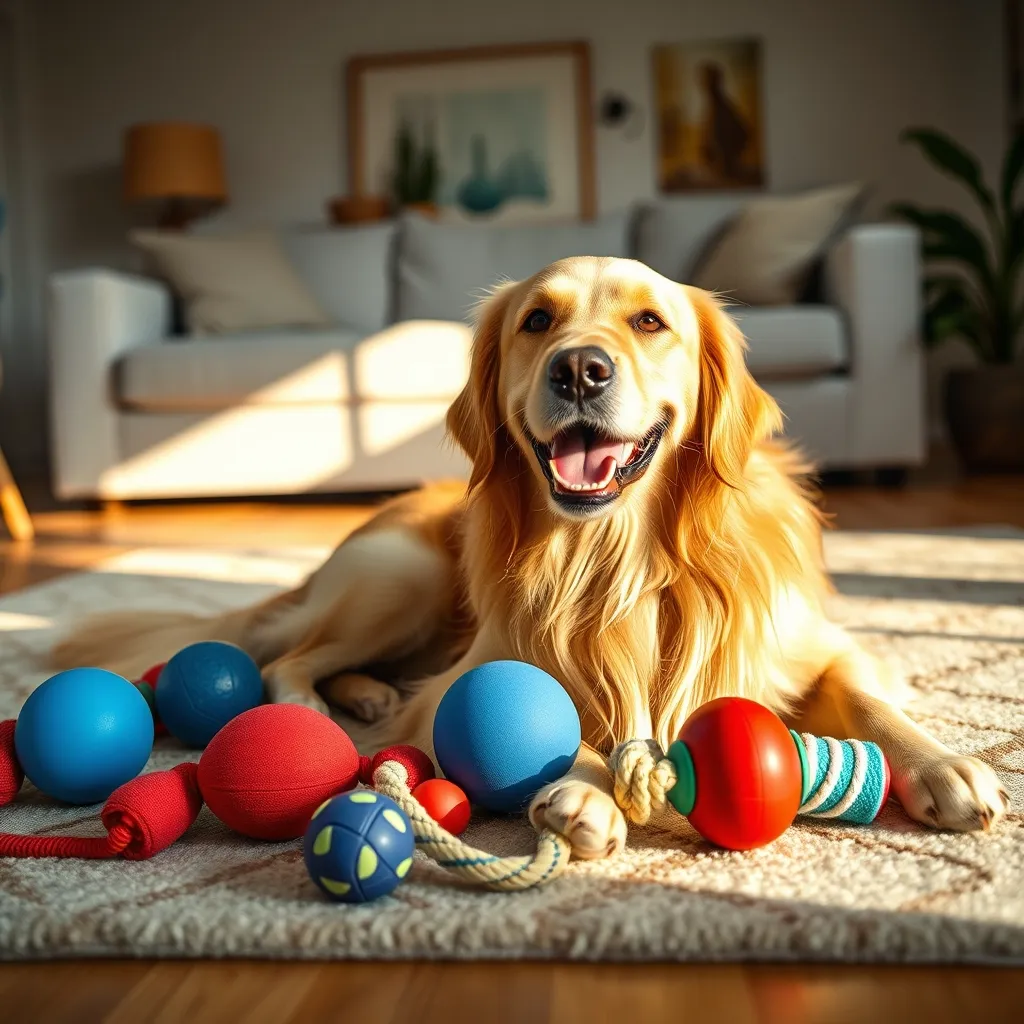
Chew toys are the foundation of any toy collection. These include rubber toys like KONGs, nylon bones and dental chews. They satisfy the natural urge to gnaw and can help with dental health by scraping plaque from tooth surfaces. For puppies working through the teething process, a frozen rubber chew toy offers genuine relief.
Fetch and chase toys tap into your dog’s prey drive. Balls, frisbees and launcher toys encourage running and retrieval. These are excellent for high-energy breeds but should always be used in safe, enclosed spaces to prevent your dog bolting near roads.
Tug toys are brilliant for interactive play between you and your dog. Contrary to outdated myths, tug does not cause aggression. When played with clear rules (a “drop it” cue, pausing if teeth touch skin), tug actually builds impulse control and strengthens your bond.
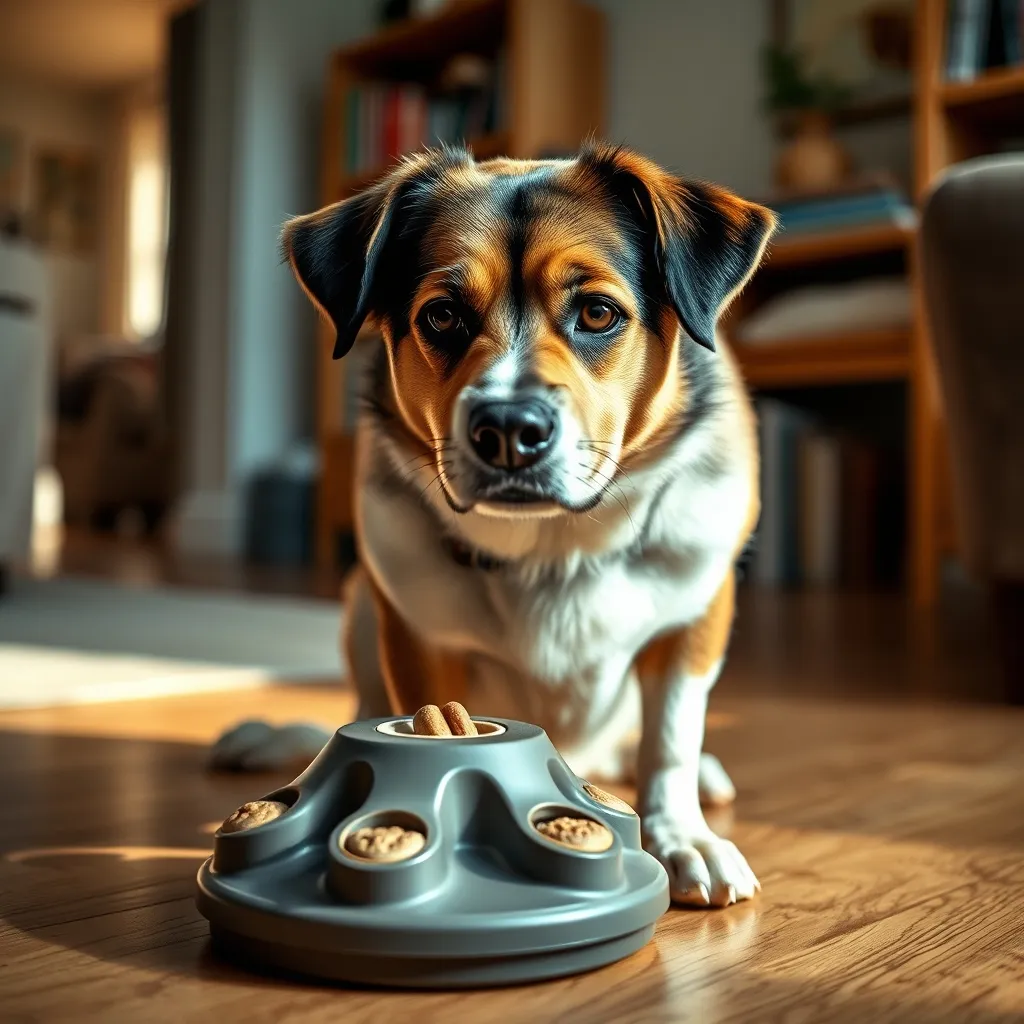
Puzzle and enrichment toys challenge your dog’s brain. Treat-dispensing balls, snuffle mats, lick mats and multi-step puzzle boards all fall into this category. These are particularly valuable for dogs prone to boredom or those dealing with separation anxiety.
Comfort toys are the soft plush toys many dogs carry, cuddle and guard. While not suitable for aggressive chewers unsupervised, comfort toys serve an emotional purpose, especially for puppies adjusting to a new home or dogs who have experienced rehoming.
| Toy Type | Primary Benefit | Best For | Supervision Level |
|---|---|---|---|
| Chew toys (rubber, nylon) | Dental health, stress relief | All dogs, especially teething puppies | Moderate (check for wear) |
| Fetch toys (balls, frisbees) | Cardiovascular exercise | Active breeds, adolescent dogs | Active supervision required |
| Tug toys (rope, rubber) | Bond building, impulse control | Medium to large breeds | Interactive play only |
| Puzzle toys (dispensers, mats) | Mental stimulation, anxiety relief | All dogs, especially anxious dogs | Low to moderate |
| Comfort toys (plush, soft) | Emotional security | Puppies, gentle chewers, seniors | High (remove if shredding) |
Choosing the Right Dog Toys by Life Stage
One of the most common mistakes I see is treating dog toys as one-size-fits-all. A toy that is perfect for an adult Labrador could be dangerous for a 10-week-old puppy, and what entertains a teenage Border Collie might frustrate a 12-year-old Cavalier with arthritis.
Puppies (8 Weeks to 6 Months)
Puppy mouths are delicate. Their baby teeth are razor-sharp but surprisingly fragile, and their gums are tender during the teething phase. I recommend soft rubber toys, lightweight rope toys and small plush toys for this stage. Frozen wet washcloths tied in a knot make an excellent free teething aid. Avoid hard nylon bones, antlers and anything that does not give slightly when pressed with your thumbnail.
This is also the ideal time to introduce puzzle toys at the easiest difficulty level. A puppy KONG stuffed with a smear of peanut butter (xylitol-free, always) teaches your pup that toys are rewarding and builds early problem-solving skills. If you are working through crate training, a stuffed toy inside the crate creates a powerful positive association.
Adolescents (6 Months to 2 Years)
This is the stage where your dog’s jaw strength increases dramatically and their energy seems limitless. Durable rubber toys, heavy-duty tug toys and interactive fetch toys become essential. I also strongly recommend ramping up puzzle difficulty. Dogs at this stage need mental challenges to burn energy; a 20-minute puzzle session can tire a dog as effectively as a 45-minute walk.
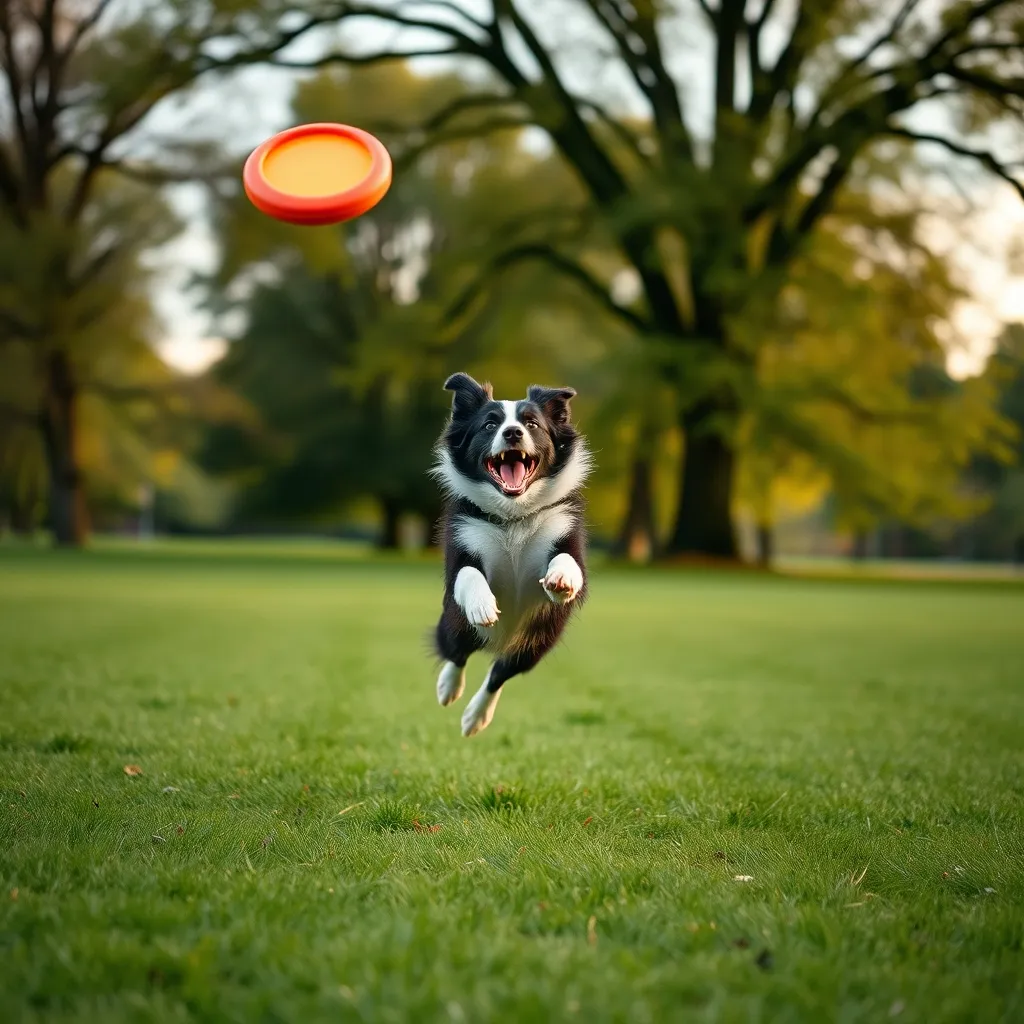
Adolescent dogs are also the most likely to destroy toys, so inspect every toy after each play session. Discard anything with exposed stuffing, loose squeakers or torn pieces. A swallowed squeaker is a veterinary emergency.
Adults (2 to 7 Years)
Adult dogs generally have well-established play preferences. By now you know whether your dog is a shredder, a fetcher, a tugger or a puzzle solver. Build your toy collection around their natural tendencies while still offering variety. A rotation of 3 to 5 accessible toys, swapped weekly, keeps things interesting without overwhelming your dog.
Seniors (7+ Years)
Older dogs often experience dental sensitivity, reduced jaw strength and joint stiffness. Switch to softer toys, gentle puzzle feeders and lightweight fetch options. Snuffle mats are excellent for seniors because they encourage natural foraging behaviour without requiring intense physical effort. If your senior dog has specific health conditions, discuss toy choices with your veterinarian.
Safety Hazards Every Owner Should Know
In my years of training, I have heard too many heartbreaking stories about toy-related injuries that could have been prevented. Safety should guide every toy purchase and play session.
Size matters enormously. The number one rule is that no toy should be small enough for your dog to swallow or lodge in their throat. A tennis ball is a choking hazard for a large breed dog. Always size up when in doubt. The Blue Cross advises checking toy size relative to your dog’s mouth before every purchase.
Material matters too. Avoid dog toys with chemical odours, flaking paint or unknown material compositions. Look for toys labelled non-toxic and free from BPA, phthalates and lead. While there is no single regulatory standard for dog toys in the UK or US, reputable manufacturers will list materials and safety testing on their packaging.
Here are the top safety rules I share with every client:
- Never leave your dog unsupervised with a toy that has small removable parts, squeakers or stuffing
- Discard rope toys once they begin to fray; ingested string can cause intestinal blockages requiring surgery
- Avoid cooked bones, rawhide and thin plastic toys that can splinter
- Check rubber toys regularly for cracks or missing chunks
- Keep children’s toys away from dogs; buttons, batteries and small parts are extremely dangerous
- Never use sticks as fetch toys; stick injuries to the throat and mouth send thousands of dogs to emergency vets annually
If your dog does swallow a piece of a toy, contact your veterinarian or emergency clinic immediately. Knowing basic dog first aid can make a critical difference while you arrange professional care.
Best Dog Toys for Mental Enrichment
If I could give every dog owner one piece of advice, it would be this: invest more in puzzle toys and less in passive chew toys. Mental enrichment is the single most underused tool in dog welfare, and the right enrichment toys can address a wide range of behavioural issues.
Puzzle feeders are my top recommendation. Instead of pouring kibble into a bowl, serve meals in a treat-dispensing ball, wobble feeder or snuffle mat. This simple change transforms a 30-second meal into a 15-minute foraging session that satisfies your dog’s natural scavenging instinct. I have seen this one change reduce excessive barking in understimulated dogs within days.
Lick mats smeared with yoghurt, mashed banana or wet food are another powerful enrichment tool. The repetitive licking action has been shown to lower cortisol levels in dogs, making lick mats ideal for stressful situations like bath time or during thunderstorms.
For dogs who need a greater challenge, multi-step puzzle boards require sliding, lifting and turning compartments to access hidden treats. Start at the easiest level and increase difficulty gradually. Frustration is counterproductive; the goal is to build confidence and problem-solving ability, not to create an impossible task.
DIY enrichment options are equally effective. A muffin tin with tennis balls placed over treats in each cup creates an instant puzzle. A cardboard box filled with scrunched paper and scattered kibble makes a brilliant destruction box that gives your dog a sanctioned outlet for shredding. Frozen KONGs layered with different foods (a plug of peanut butter at the narrow end, a layer of kibble, a layer of wet food, topped with a banana slice) can keep a dog engaged for 30 minutes or more.
The PDSA highlights enrichment activities as essential for preventing boredom and promoting good mental health in dogs. I could not agree more. Every dog deserves the chance to think, solve and discover during their day.
Indestructible Dog Toys: What Actually Works
Let me be honest: there is no such thing as a truly indestructible dog toy. I have seen determined German Shepherds demolish toys marketed with lifetime guarantees. However, some toys come remarkably close, and knowing what to look for saves you money and keeps your dog safer.
Natural rubber toys from brands like KONG (the black “Extreme” line) and West Paw are the gold standard for power chewers. Natural rubber has give, which protects teeth, while being dense enough to resist most jaws. These toys can also be stuffed, frozen and used as enrichment tools, making them excellent multi-purpose investments.
Solid nylon and composite chew toys from brands like Nylabone and Benebone offer long-lasting chew satisfaction. However, these should always be discarded once they develop sharp edges or become small enough to swallow. I check my own dogs’ nylon chews weekly.
For tug play with heavy chewers, look for firehose-material toys or double-layered rubber tug toys rather than rope. Rope toys unravel with aggressive chewers, and the fibres pose a serious intestinal risk if swallowed.
A few things to avoid when shopping for durable dog toys:
- Toys labelled “tough” that are simply thicker versions of regular plush toys; they will last slightly longer but still get destroyed
- Extremely hard materials like antlers, weight-bearing bones and metal; these can fracture teeth, leading to painful and expensive dental work
- Any toy your dog can compress flat; if they can deform it significantly, they can likely tear it apart
How to Rotate Dog Toys to Keep Things Fresh
Dogs, like humans, experience something called habituation: repeated exposure to the same stimulus reduces their response to it. That favourite squeaky toy your dog went wild for on day one? After two weeks of constant access, it is just part of the background furniture.
Toy rotation solves this brilliantly. Here is the system I recommend to all my clients:
- Divide your dog’s toy collection into 3 to 4 groups of 3 to 5 toys each
- Leave one group out at a time, stored in your dog’s usual play area
- Every 5 to 7 days, swap the current group for the next one
- Store unused groups out of sight and out of reach (a sealed box in a cupboard works perfectly)
- When the “new” group comes out, your dog will greet them with renewed excitement
There are a couple of exceptions. If your dog has a specific comfort toy they sleep with or carry for emotional security, leave that one available at all times. Similarly, any toy used as part of a training protocol (such as a stuffed KONG used during crate training or a specific toy associated with crate enrichment) should remain consistently available so the association stays strong.
Rotation also gives you a natural inspection schedule. Each time you swap groups, check every toy for damage. Toss anything that is cracked, torn, missing pieces or showing exposed stuffing. Replace discarded toys to keep each group well-stocked.
Building the Perfect Toy Collection on a Budget
You do not need to spend a fortune on dog toys. In fact, some of the best enrichment tools cost next to nothing. Here is how I advise new clients to build a well-rounded starter collection without breaking the bank.
Start with the essentials. Every dog needs at minimum: one durable chew toy (a classic KONG or similar, around £8 to £12), one fetch toy (a standard rubber ball, £3 to £5) and one puzzle feeder (a basic treat-dispensing ball, £5 to £10). That is a solid foundation for under £30.
Next, add DIY enrichment. Snuffle mats can be made from a rubber sink mat and fleece strips. Frozen treats in silicone moulds or ice cube trays cost pennies. Cardboard boxes, paper towel rolls stuffed with kibble and old towels rolled around treats all provide genuine mental stimulation at zero cost.
When buying commercial toys, invest in quality over quantity. One well-made rubber toy that lasts six months is better value than five cheap toys that get destroyed in a week. Look for manufacturer warranties and replacement programmes; several premium brands offer these.
If you are also working on other aspects of your dog’s care, such as nail trimming or preparing for travel, having a reliable toy your dog loves can make those experiences significantly less stressful for both of you. A favourite lick mat during nail trims or a comforting toy in a travel crate makes a genuine difference.
Finally, buy seasonally. Many pet retailers offer significant discounts on dog toys during January sales, Black Friday and end-of-season clearances. Stock up during these periods and store the extras for your rotation system. Your dog will not know the difference between a full-price toy and one you bought at 50 percent off.
Key Points
- Build a starter collection with one chew toy, one fetch toy and one puzzle feeder for under £30
- Rotate toys in groups of 3 to 5 every 5 to 7 days to maintain novelty and excitement
- Inspect every toy before and after play; discard immediately if stuffing, squeakers or sharp edges are exposed
- Use puzzle feeders at mealtimes to turn a 30-second bowl meal into 15 minutes of mental enrichment
- Always choose a toy size large enough that your dog cannot fit it entirely in their mouth
Frequently Asked Questions
What toy do dogs love the most?
Most dogs gravitate toward toys that combine food reward with interaction. Stuffed KONGs consistently rank as the most universally loved toy across breeds and ages because they satisfy the chewing instinct while dispensing food. For interactive play, many dogs prefer tug toys because they involve their favourite person. The key is observing your individual dog’s play style; some are natural chasers who love balls, while others are dedicated shredders who prefer plush toys.
A frozen, layered KONG is the single best option for extended entertainment. Layer peanut butter, kibble, wet food and a banana slice, then freeze overnight. This can occupy most dogs for 20 to 45 minutes. For longer periods, combine a frozen KONG with a snuffle mat and a treat-dispensing ball to create a multi-activity enrichment session. Rotate between these options to prevent habituation.What is the best toy to keep a dog entertained for hours?
Rope toys are safe only during supervised interactive play such as tug sessions. They should never be left with a dog unsupervised, especially if the dog is an aggressive chewer. Ingested rope fibres can wrap around the intestines, causing a life-threatening condition called a linear foreign body obstruction that requires emergency surgery. Once a rope toy begins to fray, discard it immediately.Are rope toys safe for dogs?
I recommend a total collection of 10 to 15 toys divided into rotation groups of 3 to 5, with one group accessible at a time. This gives enough variety to keep your dog engaged across all five toy types (chew, fetch, tug, puzzle, comfort) while preventing toy fatigue. Having too many toys available at once can actually reduce your dog’s interest in all of them.How many toys should a dog have?
Standard tennis balls are not ideal for puppies or large breed dogs. For puppies, the fuzzy outer layer can wear down developing teeth over time, and the ball may be too large or too firm for small mouths. For large breeds, tennis balls pose a serious choking hazard because they can compress and lodge in the throat. Use size-appropriate rubber balls designed specifically for puppies, and always supervise ball play regardless of your dog’s age.Can puppies play with tennis balls?
Contact your veterinarian or an emergency veterinary clinic immediately. Do not attempt to induce vomiting unless specifically instructed by a professional, as some objects can cause more damage coming back up. Note what material was swallowed and approximately how much. Signs of a blockage include vomiting, loss of appetite, lethargy, abdominal pain and changes in bowel movements. Quick action is essential; knowing basic dog first aid can help you respond calmly in the moment.What should I do if my dog swallows part of a toy?