
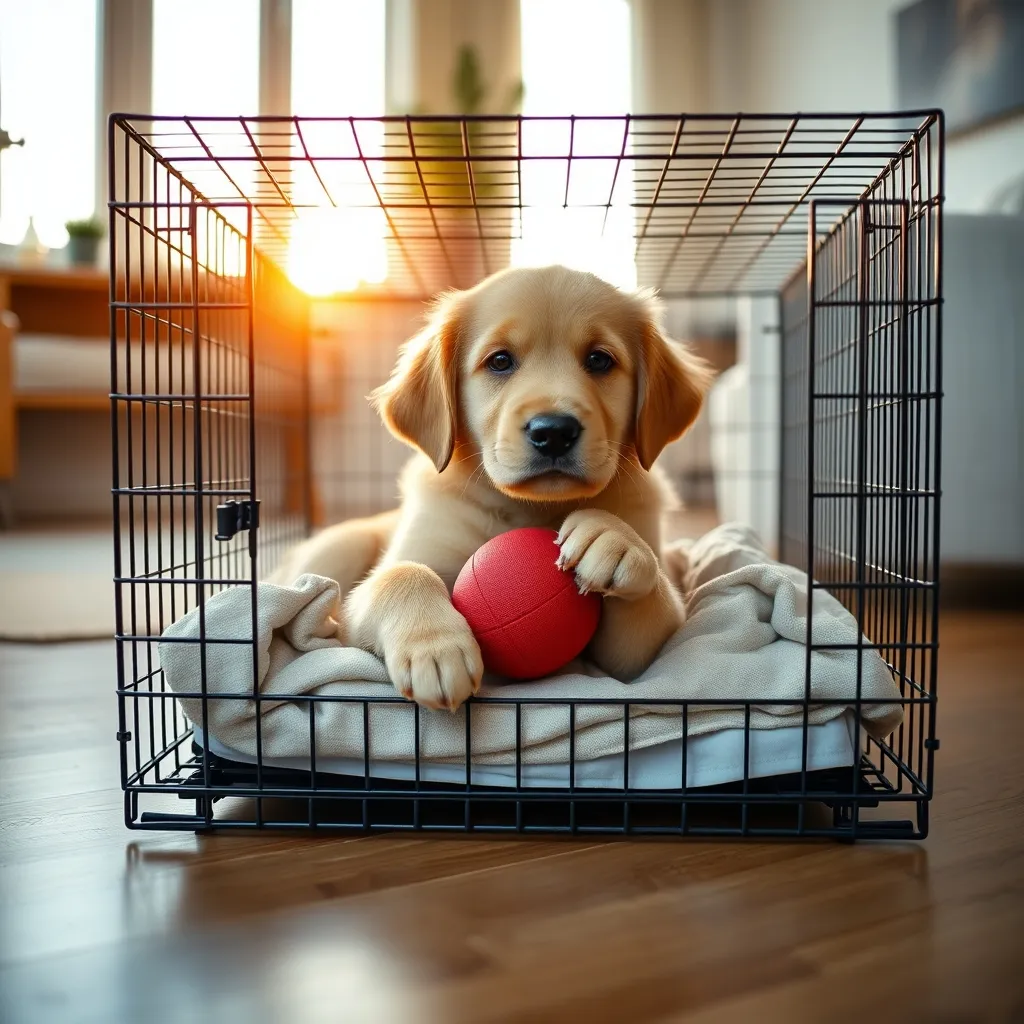
Key Takeaways
- The right dog toys for crate training can reduce settling time by up to 50% in most puppies
- Stuffed Kongs and lick mats rank as the top 2 safest enrichment options for unsupervised crate time
- Puppies under 6 months should only have crate toys that pass the “fist test” (larger than the dog’s open mouth)
- Rotating 3 to 4 toys weekly prevents boredom and keeps your dog genuinely excited about crate time
- Avoid plush toys with squeakers and small detachable parts; these are a choking hazard when left unsupervised
- A frozen stuffed Kong can keep an anxious dog occupied for 20 to 45 minutes, easing early separation distress
In This Guide
- Why the Right Toys Matter for Crate Training
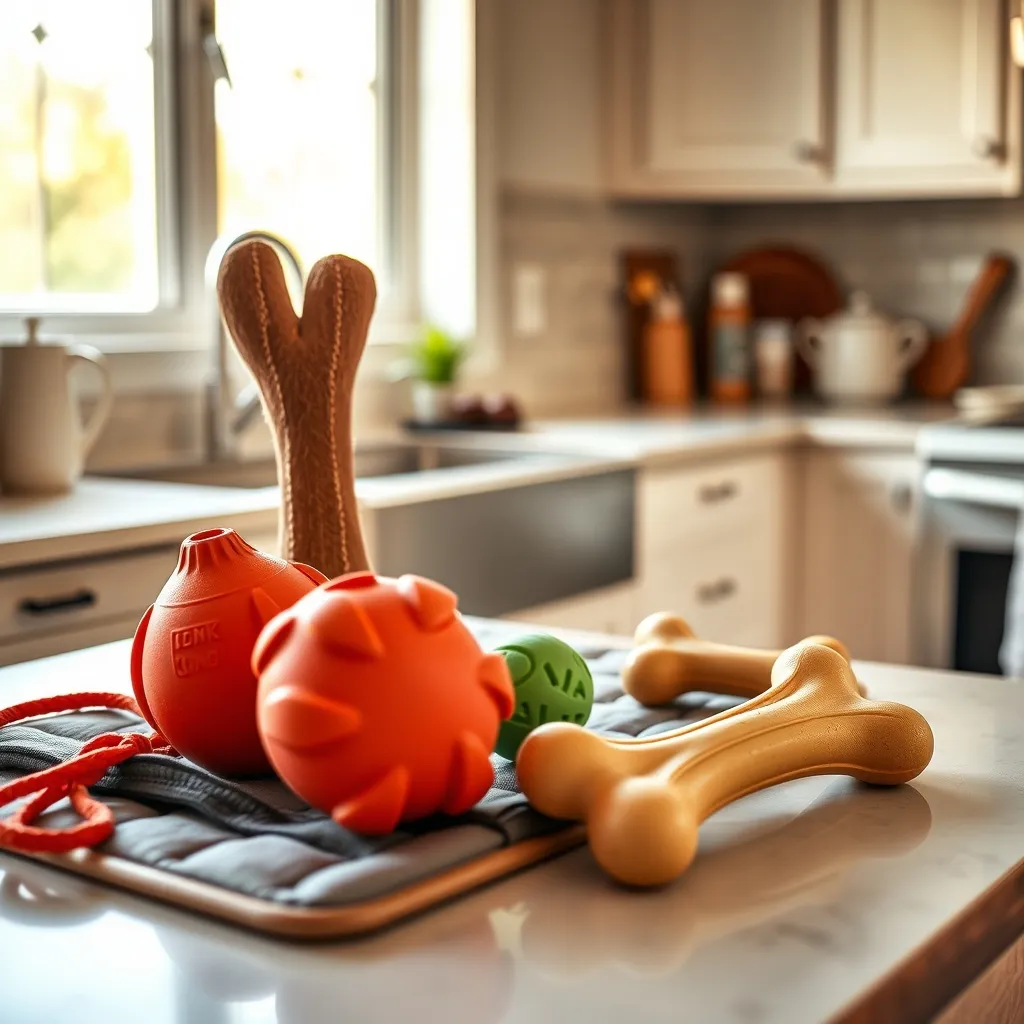
- Safety First: Choosing Crate-Safe Toys
- Top 7 Dog Toys for Crate Training
- Comparison Table: Best Crate Training Toys
- How to Introduce Toys in the Crate
- Toys to Avoid Inside the Crate
- Age-Specific Crate Toy Recommendations
- Crate Toy Rotation and Enrichment Strategy
Why the Right Toys Matter for Crate Training
After more than a decade of helping families in Austin and beyond crate-train their dogs, I can tell you one thing with absolute certainty: the toys you put inside that crate make or break the entire process. A crate without the right enrichment is just a metal box. A crate with carefully chosen dog toys for crate training becomes a place your dog genuinely wants to be.
The science behind this is straightforward. Dogs form associations quickly. When a puppy enters a crate and immediately discovers something delicious to chew on or a puzzle to solve, the brain releases dopamine. That feel-good chemical becomes linked to the crate itself. Over repeated sessions, your dog starts viewing the crate as a reward zone rather than a confinement area. This is classical conditioning at its most practical, and it is the foundation of every successful crate training programme I have run.
The RSPCA’s guidance on crate training emphasises that crates should always be associated with positive experiences, never used as punishment. Toys are the single most effective tool I have found for building that positive association consistently.
I also see a direct connection between crate enrichment and broader training methods. Dogs who learn to self-soothe in the crate tend to be calmer on walks, more responsive to cues, and less prone to destructive behaviour throughout the house. The crate becomes a stepping stone to overall good manners.
Safety First: Choosing Crate-Safe Toys
Before I share my top seven picks, let me be very clear about safety. Not every dog toy belongs in a crate. When your dog is unsupervised, the toy selection criteria change dramatically. Here are the non-negotiable rules I follow in my practice:
The fist test. If a toy or any detachable piece can fit entirely inside the dog’s mouth, it does not go in the crate. For puppies, I use my closed fist as a rough size guide; the toy must be larger than that.
No stuffing, no squeakers. Plush toys with polyfill stuffing and embedded squeakers are fantastic for supervised play. Inside a crate, they become a choking and intestinal blockage risk. I have seen emergency vet bills exceeding £3,000 from ingested squeakers alone.
Durability matters. Choose toys rated for aggressive chewers if your dog is a power chewer. Rubber toys from reputable brands undergo rigorous safety testing. Look for non-toxic, BPA-free materials and avoid anything that splinters or shreds easily.
Supervise first. Every toy should be tested during supervised crate sessions before you leave your dog alone with it. Watch how your dog interacts with it for at least three to five sessions. If they try to tear it apart rather than chew or lick it, that toy is not crate-safe for your particular dog.
The Blue Cross crate training guide also recommends removing collars and harnesses inside the crate to prevent snagging. I extend this principle to toys: anything with loops, strings, or fabric handles should stay outside.
Top 7 Dog Toys for Crate Training
These are the seven toys I recommend most frequently to my clients. I have tested each one across hundreds of dogs, from tiny French Bulldogs (who can have their own behavioural challenges) to large Labradors and German Shepherds. Every toy on this list meets my safety criteria for unsupervised crate use.
1. Classic Kong (Stuffable Rubber Toy)
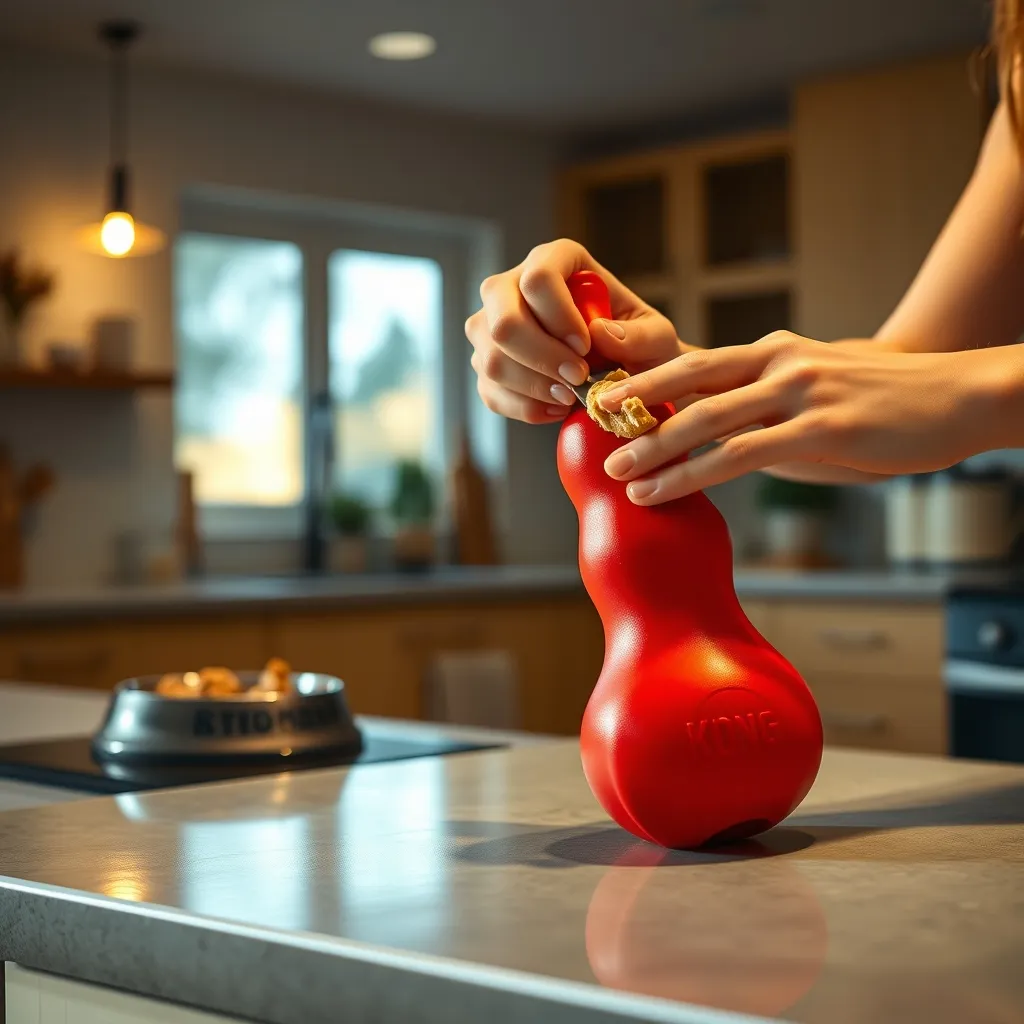
The Kong is the undisputed champion of crate training toys, and for good reason. Its hollow centre can be stuffed with peanut butter, wet food, banana, or a combination, then frozen for extended engagement. A frozen Kong typically lasts 20 to 45 minutes, which is often enough time for a puppy to settle and fall asleep. I call it the “crate gateway drug” because it transforms reluctant dogs into willing crate users almost overnight.
I recommend the black “Extreme” version for power chewers and the red classic for average chewers. The puppy version (light blue or pink) is softer and designed for teething puppies under six months.
2. Lick Mat with Suction Cups
Lick mats have revolutionised my crate training protocols over the past few years. The repetitive licking motion releases calming endorphins, making these ideal for anxious dogs and puppies with early separation distress. I spread a thin layer of plain yoghurt, pumpkin purée, or wet food on the mat, freeze it, then attach it to the crate floor or wall using the suction cups.
For dogs who struggle with stress-related behaviours, a lick mat can serve as a valuable calming tool both inside and outside the crate.
3. West Paw Toppl
Think of the Toppl as a Kong’s easier cousin. Its wider opening makes it simpler to stuff and, crucially, simpler for puppies and flat-faced breeds to access. I often nest a small Toppl inside a large one for a multi-stage puzzle that extends engagement time to 30 minutes or more. The material is Zogoflex, which is durable, dishwasher-safe, and non-toxic.
4. Benebones (Flavoured Nylon Chew)
Benebones are infused with real flavour (bacon, chicken, or peanut) rather than sprayed with a coating that wears off. They satisfy the natural chewing urge without the risks of rawhide or real bones. The wishbone shape is my preferred option for crate use because it is easy for dogs to hold between their paws. Replace Benebones when they show significant wear or when pieces start to chip.
5. Snuffle Mat
A snuffle mat turns mealtime into a foraging game. I scatter a portion of the dog’s kibble throughout the fabric strips, place the mat in the crate, and let the dog use their nose to find every piece. This provides 15 to 25 minutes of mental stimulation, which is often more tiring than physical exercise. Snuffle mats are best for dogs who do not try to destroy fabric; always supervise the first few uses.
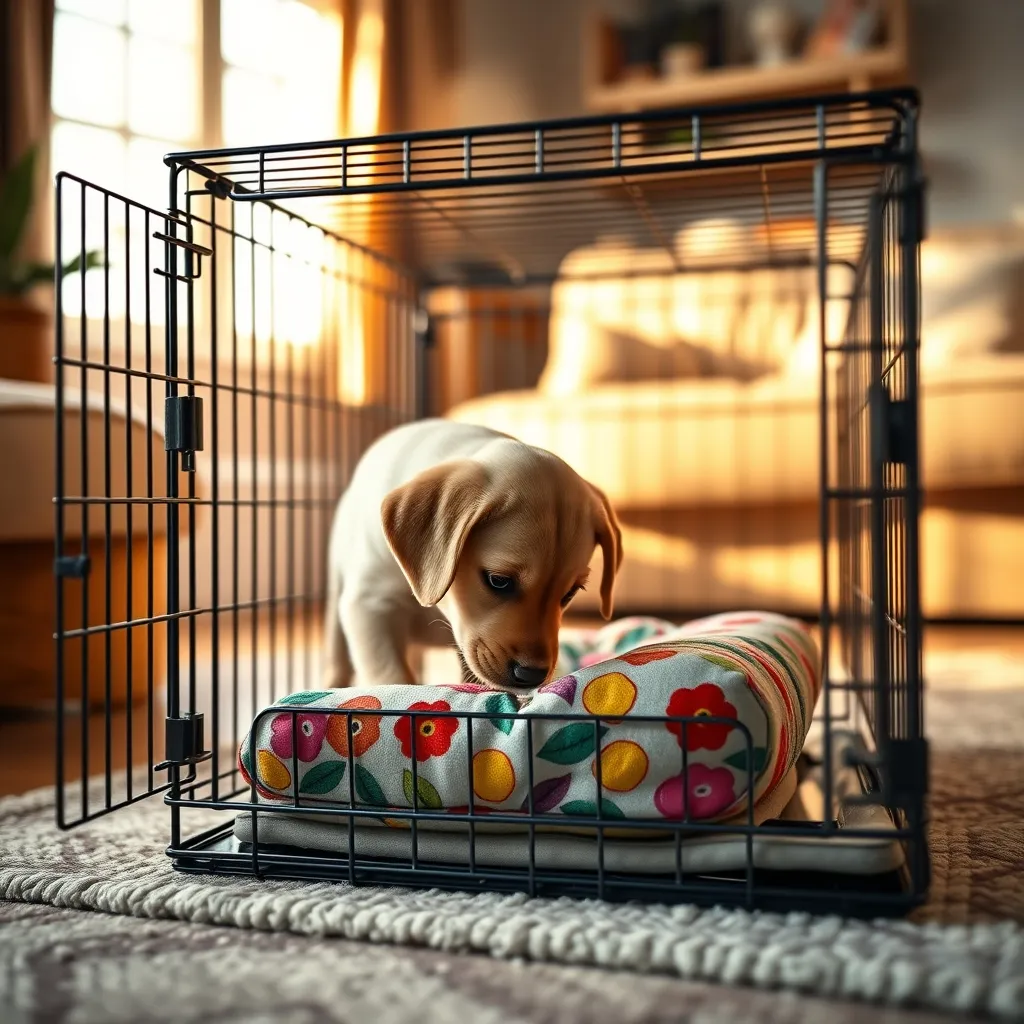
6. Kong Wobbler or Bob-A-Lot
These food-dispensing wobble toys turn a regular meal into a 15-minute enrichment session. The dog pushes, nudges, and paws at the toy to release kibble piece by piece. I particularly recommend these for larger crates where the dog has enough room to engage with a wobble toy comfortably. They are excellent for dogs who eat too fast, as they naturally slow down consumption.
7. Nylabone DuraChew
For dogs who simply need to chew, a Nylabone DuraChew is a reliable standby. These come in various shapes and flavours and are designed for powerful chewers weighing up to 25 kg or more. The textured surface helps clean teeth during chewing, which is a nice bonus. I keep one in the crate as a “background” chew option alongside a stuffable toy for variety.
Comparison Table: Best Crate Training Toys
| Toy | Type | Engagement Time | Best For | Chewer Level | Freezable |
|---|---|---|---|---|---|
| Classic Kong | Stuffable rubber | 20–45 min | All dogs | Moderate to power | Yes |
| Lick Mat | Licking enrichment | 10–30 min | Anxious dogs | Light to moderate | Yes |
| West Paw Toppl | Stuffable rubber | 15–30 min | Puppies, flat-faced breeds | Moderate | Yes |
| Benebone | Flavoured nylon chew | 30–60 min | Power chewers | Power | No |
| Snuffle Mat | Foraging mat | 15–25 min | Nose-driven dogs | Light (supervised first) | No |
| Kong Wobbler | Food-dispensing wobble | 10–15 min | Fast eaters, large crates | Moderate | No |
| Nylabone DuraChew | Nylon chew | 30–60 min | Heavy chewers | Power | No |
How to Introduce Toys in the Crate
Having the perfect toys means nothing if you introduce them incorrectly. Here is the step-by-step protocol I use with every client, and it works whether you are working with an 8-week-old puppy or a rescued adult dog who has never seen a crate before.
Step 1: Pair the toy with the open crate. Place the stuffed Kong or lick mat just inside the crate door. Let your dog reach in and enjoy it without closing the door. Do this for two to three days.
Step 2: Move the toy further back. Gradually position the toy towards the rear of the crate so your dog needs to step fully inside. Still, do not close the door. Repeat for another two to three days.
Step 3: Close the door briefly. Once your dog is comfortably entering the crate for the toy, gently close the door while they are engaged. Open it again before they finish the toy. This teaches them that the door closing is not a big deal.
Step 4: Gradually extend crate time. Over the next week, increase the duration the door stays closed. Always ensure the toy’s engagement time exceeds the crate time initially. If you plan to close the crate for 15 minutes, provide a toy that lasts at least 20 minutes.
Step 5: Make crate toys exclusive. This is critical. The special stuffed Kong or high-value chew should only appear inside the crate. When your dog comes out, the toy goes away. This creates a powerful motivation to enter the crate willingly. I call these “crate-only treasures,” and they are the single most effective strategy I have found for building voluntary crate use.
If your dog shows signs of stress during this process, such as excessive panting, drooling, or refusing the toy entirely, slow down and consult a professional. Separation anxiety requires a tailored approach, and forcing the process can make things significantly worse. Understanding the cost of professional training support is worthwhile if you are struggling.
Toys to Avoid Inside the Crate
Knowing what to put in the crate is only half the equation. Equally important is knowing what to keep out. Here are the toy categories I tell every client to avoid for unsupervised crate time:
Rope toys. Dogs can pull threads loose, swallow them, and develop a dangerous condition called a linear foreign body. Strings can bunch up in the intestines and require emergency surgery. Rope toys are wonderful for supervised tug games but never belong in a crate.
Tennis balls. The fuzzy exterior wears down tooth enamel over time, and more critically, a tennis ball can compress when bitten and expand in the throat, causing suffocation. This risk is especially high for medium to large breeds.
Rawhide chews. Rawhide swells when wet and can cause choking or intestinal blockages. Despite their popularity, I have never included rawhide in any of my crate training programmes. There are simply too many safer alternatives available.
Antlers and real bones. While natural, these are hard enough to fracture teeth. A broken tooth can cost upwards of £500 to treat and causes significant pain. For heavy chewers, I always recommend purpose-built nylon or rubber chews instead.
Plush toys with small parts. Button eyes, ribbon bows, and sewn-on accessories are all potential choking hazards. If your dog loves a plush toy for comfort, choose one specifically designed for unsupervised use: no detachable parts, no stuffing, and reinforced seams.
Age-Specific Crate Toy Recommendations
The best dog toys for crate training change as your dog grows. A toy that is perfect for a teething puppy can be completely wrong for an adolescent power chewer, and vice versa. Here is how I adjust my recommendations based on age:
8 to 16 weeks (young puppy). At this stage, puppies are teething and exploring the world through their mouths. I recommend the puppy Kong (softer rubber), frozen wet flannel knots for soothing sore gums, and a lick mat with a very thin spread. Keep sessions short: 15 to 30 minutes maximum in the crate, with a toilet break immediately after. Puppies this age are also building their first impressions of the crate, so every experience must be overwhelmingly positive.
4 to 6 months (older puppy). Chewing intensity increases dramatically during this period as adult teeth come in. Transition to the red classic Kong and introduce the West Paw Toppl. You can start using snuffle mats if your puppy has shown they do not destroy fabric. Crate time can extend to one to two hours during the day, with appropriate toy engagement provided.
6 to 12 months (adolescent). This is peak destruction phase. Adolescent dogs have adult teeth, strong jaws, and abundant energy. The black Kong Extreme, Benebones, and Nylabone DuraChews become essential. I also introduce wobble toys at this stage for dogs in larger crates. Mental stimulation is critical during adolescence; a bored adolescent in a crate is a recipe for frustration and regression.
1 year and beyond (adult). By now, you know your dog’s chewing style and preferences. Most adults settle into a rotation of two to three trusted crate toys. Continue using stuffable toys for departures and have a durable chew available as a background option. For senior dogs or those with dental sensitivities, softer rubber options and lick mats often become the mainstay.
Dogs who engage in physical activities like swimming often settle more quickly in the crate because they arrive physically tired, which means the toys need to provide just enough engagement to bridge the gap to sleep.
Crate Toy Rotation and Enrichment Strategy
One of the biggest mistakes I see is offering the same toy every single day. Dogs, like humans, experience habituation: repeated exposure to the same stimulus reduces its effectiveness. A Kong that once held your puppy’s attention for 40 minutes might only last 10 minutes after three weeks of daily use.
My recommended rotation strategy is simple. Keep a library of five to seven crate-safe toys and rotate three to four of them weekly. On Monday, your dog might get a frozen Kong and a Benebone. On Wednesday, switch to a lick mat and a Nylabone. On Friday, bring out the Toppl and the snuffle mat. The toys that have been “away” for a few days feel novel again.
For families with family-friendly medium breeds, I also suggest involving children in the toy preparation process. Kids can help stuff Kongs and hide kibble in snuffle mats, which builds the bond between child and dog while teaching responsible pet ownership.
Another enrichment tip I share with every client: vary the stuffing recipes. I keep a list of Kong recipes on my fridge and rotate through them. Some favourites include:
- Peanut butter (xylitol-free) and banana, frozen overnight
- Wet dog food mixed with a spoonful of plain yoghurt
- Pumpkin purée layered with kibble and sealed with cream cheese
- Mashed sweet potato with blueberries
This variety keeps your dog guessing and maintains the high-value association with crate time. It is worth noting that some dogs with sensitive stomachs may need simpler recipes. If your dog has digestive issues, digestive supplements can help, and sticking to their regular food as the primary stuffing ingredient is always the safest choice.
According to the American Kennel Club’s crate training recommendations, the crate should always be a positive space, and enrichment toys are one of the most effective ways to ensure that positive association remains strong throughout your dog’s life.
Night-time crate toys deserve a special mention. Many owners ask whether to put toys in the crate at bedtime. My advice: keep it minimal. A single durable chew (like a Nylabone) provides comfort if your dog wakes briefly, but avoid food-stuffed toys at night. You do not want to create a pattern where your dog expects a meal every time they enter the crate, and food at night can disrupt house training progress in puppies.
For dogs who have undergone behavioural changes after neutering or other medical procedures, the crate often becomes an important recovery space. During these periods, low-energy enrichment toys like lick mats and gentle chews help keep your dog mentally engaged without encouraging physical activity that could interfere with healing.
Finally, I want to emphasise that dog toys for crate training are just one piece of the puzzle. The crate itself needs to be the right size (large enough for your dog to stand, turn around, and lie down comfortably), placed in a quiet area of the home, and covered partially with a blanket if your dog prefers a den-like atmosphere. The Dogs Trust crate training guidance offers an excellent overview of crate setup fundamentals that complement the toy strategies I have outlined here.
Key Points
- Start with a frozen stuffed Kong as your primary crate training toy and test all toys during supervised sessions first
- Apply the fist test: never leave a toy in the crate that could fit entirely inside your dog’s mouth
- Keep 5 to 7 crate-safe toys in rotation, swapping 3 to 4 weekly to prevent habituation
- Make high-value toys crate-exclusive: they only appear inside the crate and disappear when the dog comes out
- Avoid rope toys, tennis balls, rawhide, and plush toys with small parts for unsupervised crate time
Frequently Asked Questions
What is the best toy for crate training dogs?
In my experience, the Classic Kong stuffed and frozen is the single most effective crate training toy. It combines food motivation with an extended chewing challenge, which keeps dogs engaged for 20 to 45 minutes. The positive association it creates with the crate is unmatched by any other toy I have used across thousands of training sessions.
At night, stick to a single durable, non-food chew such as a Nylabone DuraChew or Benebone. Avoid food-stuffed toys at bedtime as they can disrupt house training schedules in puppies and create an expectation of feeding at crate entry. The goal for night-time is comfort, not extended enrichment.What toys can I leave in my dog’s crate overnight?
The 2:1 rule means your dog should spend two minutes outside the crate for every one minute inside during the early training phase. This ensures the puppy does not feel trapped and builds positive associations gradually. As training progresses and your dog becomes comfortable, you can extend crate duration, but always provide adequate exercise and toilet breaks.What is the 2:1 rule for crate training?
Some puzzle toys are crate-safe, but many are not. Simple food-dispensing toys like Kongs and Toppls are safe for most dogs. Complex puzzles with sliding compartments, removable pieces, or small parts should only be used under supervision. Always test a puzzle toy during supervised crate sessions before leaving your dog alone with it.Are puzzle toys safe to leave in a dog crate?
I recommend two to three toys maximum at any one time. One should be a food-stuffed or enrichment toy (like a Kong or lick mat) and one should be a durable chew for background gnawing. Too many toys clutter the crate and reduce each toy’s novelty. Rotate your selection every few days to maintain your dog’s interest.How many toys should I put in my dog’s crate?
Crate toys can help with mild separation distress, particularly lick mats and frozen Kongs, which promote calming behaviours. However, true separation anxiety is a clinical condition that typically requires a comprehensive behaviour modification programme, often with veterinary support. If your dog refuses high-value food when left alone, panics, or injures themselves in the crate, consult a certified behaviourist immediately.Can crate toys help with separation anxiety?