
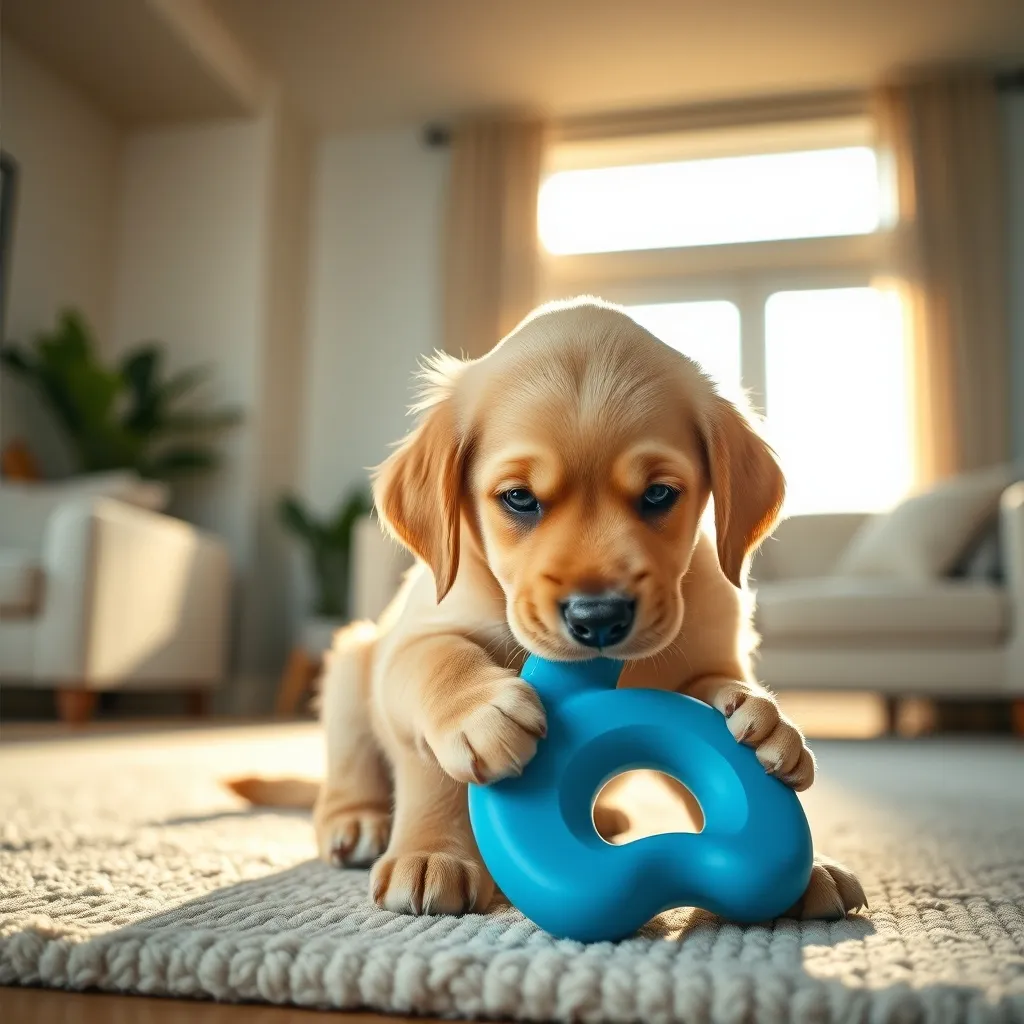
Puppy teething is one of the most predictable developmental stages your new dog will go through, yet it still catches many first-time owners off guard. I have worked with hundreds of families in Austin who panicked over bloody gum spots on a toy or a puppy who suddenly refused kibble. In almost every case, those symptoms were completely normal.
Over my ten-plus years as a Certified Professional Dog Trainer, I have learned that understanding the teething timeline, recognizing the signs and having a plan in place makes the entire process smoother for both you and your puppy. This guide covers everything from the first needle-sharp baby teeth to the full set of 42 adult teeth, along with the practical relief strategies I recommend to every client.
Key Takeaways
- Puppies develop 28 deciduous (baby) teeth by roughly 3 to 4 weeks of age and begin losing them around 12 weeks
- The full set of 42 permanent adult teeth is usually in place by 6 to 7 months old
- Peak teething discomfort typically occurs between 12 and 20 weeks, when molars are breaking through the gums
- Frozen treats and textured rubber chew toys are the safest ways to soothe sore gums without risking tooth fractures
- Retained baby teeth that have not fallen out by 7 months should be evaluated by a veterinarian to prevent misalignment
- Redirecting chewing to appropriate items, rather than punishment, is the most effective way to protect your belongings during this stage
In This Guide
What Is Puppy Teething?
Puppy teething is the natural process in which a young dog’s baby teeth (also called deciduous teeth) are replaced by permanent adult teeth. It begins when the puppy is still with its mother and continues through the first six to seven months of life. The process is driven by the adult tooth developing beneath the gum line, gradually pushing the baby tooth loose until it falls out.
According to the American Kennel Club’s teething guide, puppies are born without visible teeth. The first tiny incisors begin erupting at around two to three weeks of age, and by six to eight weeks most puppies have a full set of 28 baby teeth. These deciduous teeth are noticeably sharp, which is why puppy nips can be surprisingly painful even from a small breed.
The adult dentition is considerably larger. Dogs end up with 42 permanent teeth: 12 incisors, 4 canines, 16 premolars and 10 molars. That transition from 28 to 42 means your puppy’s mouth is doing a lot of work in a short window of time. Understanding this helps you respond with empathy rather than frustration when your pup starts gnawing on everything in sight.

The Puppy Teething Timeline: Stage by Stage
I find it helpful to break puppy teething down into five distinct stages. Every puppy is a little different, and smaller breeds sometimes teethe slightly earlier than larger ones, but the general sequence stays the same.
| Stage | Age Range | What Happens |
|---|---|---|
| Stage 1: No Teeth | Birth to 2 weeks | Puppies are born toothless and rely entirely on nursing |
| Stage 2: Baby Teeth Erupt | 2 to 8 weeks | All 28 deciduous teeth come in; incisors appear first, followed by canines and premolars |
| Stage 3: Baby Teeth Begin Falling Out | 12 to 16 weeks | Incisors are usually the first to loosen and fall out as adult teeth push through |
| Stage 4: Adult Teeth Emerge | 16 to 24 weeks | Canines, premolars and molars replace baby teeth; this is peak chewing intensity |
| Stage 5: Full Adult Dentition | 6 to 7 months | All 42 permanent teeth should be in place; any retained baby teeth need veterinary attention |
Stage 1 happens before most owners even meet their puppy. During the first two weeks of life, puppies are blind, deaf and toothless. Their gums are soft enough for comfortable nursing.
Stage 2 overlaps with the time puppies are still with their litter. Those razor-sharp baby teeth start erupting around two to three weeks old. By six weeks, most puppies have a full set. This is one reason reputable breeders do not send puppies home before eight weeks; the litter teaches early bite inhibition once those teeth come in.
Stage 3 is where things get interesting for new owners. Around 12 weeks, you may notice tiny teeth on the floor or embedded in a chew toy. Some puppies swallow their baby teeth during meals, which is perfectly safe. The incisors drop first, followed by the canines and premolars over the next several weeks.
Stage 4 is typically the most uncomfortable period. The larger premolars and molars are pushing through, creating sore, swollen gums. Puppies at this stage chew with increased urgency, and you may see small amounts of blood on toys or food bowls. This is normal and usually not a cause for concern.
Stage 5 marks the finish line. By six to seven months, your puppy should have a complete set of 42 adult teeth. If you spot a baby tooth that has not fallen out alongside its adult replacement, that is called a retained deciduous tooth, and it needs a vet visit.
Common Signs Your Puppy Is Teething
Knowing the signs of puppy teething helps you distinguish normal developmental discomfort from something that might need medical attention. Here are the symptoms I tell every new puppy owner to watch for:
Increased chewing. This is the hallmark sign. If your puppy suddenly seems obsessed with gnawing on furniture legs, shoes, or your hands, teething is almost certainly a factor. Chewing applies counterpressure that soothes aching gums.
Drooling more than usual. Teething stimulates saliva production. You may notice damp spots on bedding or wet patches on your puppy’s chin and chest.
Red or swollen gums. Gently lift your puppy’s lip and look at the gum line. Pink to slightly reddish gums with minor swelling around emerging teeth are typical during active teething.
Small spots of blood. Finding a trace of blood on a toy or in the water bowl can be alarming, but it usually means a baby tooth has just come loose. The bleeding is minor and stops quickly on its own.
Decreased appetite or reluctance to eat hard food. Sore gums can make crunching kibble uncomfortable. Some puppies will eat more slowly or temporarily prefer softened food. If your puppy refuses all food for more than 24 hours, consult your vet.
Whining or fussiness. Some puppies vocalize more during intense teething phases. Pairing this with other signs on this list usually confirms teething as the cause.
Mild fever. A very slight temperature elevation can occur. However, a fever above 103°F (39.4°C) warrants a veterinary call, as it may indicate infection rather than simple teething.
If your puppy seems unusually lethargic or displays severe swelling, those symptoms go beyond normal teething. In such cases, I always recommend erring on the side of caution and scheduling a vet appointment alongside a routine vaccination check.
What Age Is Teething Worst for Puppies?
In my experience, the 12-to-20-week window is when puppy teething is at its most intense. This is the period when the larger teeth, especially the premolars and molars, are actively erupting. The roots of these teeth are deeper, and the crowns are wider, meaning they cause more gum disruption than the tiny incisors that fell out first.
This stage also overlaps with a critical socialization period, so the timing can feel doubly challenging. Your puppy is encountering new people, environments and objects while simultaneously dealing with a sore mouth. That combination often leads to increased nipping and mouthing, which some owners mistake for aggression. It is not. It is a teething puppy looking for relief.
The American Veterinary Medical Association (AVMA) notes that most dogs complete the transition to adult teeth by seven months. For large and giant breeds like German Shepherds or Great Danes, the process can extend slightly longer. If your puppy still seems to be in significant discomfort past the seven-month mark, a dental exam is a good idea.
I also want to reassure owners that the worst phase is temporary. By five to six months, most puppies show a marked decrease in the frantic chewing and fussiness that define peak teething.
How to Soothe a Teething Puppy
There are several safe, effective strategies I use with my own foster puppies and recommend to clients. The goal is to relieve discomfort while channeling the chewing instinct toward appropriate items.
Frozen items for numbing relief. Cold helps reduce gum inflammation and provides a mild numbing effect. Try freezing a damp washcloth and letting your puppy chew on it under supervision. You can also freeze low-sodium broth in a silicone mold for a soothing, flavorful treat. Some owners freeze small pieces of banana or blueberry inside a rubber Kong toy for a treat that doubles as gum relief.
Wet and refrigerate kibble. If your puppy is reluctant to eat dry food, soak the kibble in warm water for 10 to 15 minutes, then refrigerate it briefly. The softer, cooler texture is gentler on swollen gums while still delivering full nutrition. For more on preparing healthy meals at home, see our guide to homemade dog food recipes approved by veterinarians.
Gentle gum massage. Using a clean finger, lightly rub your puppy’s gums in a circular motion. Many puppies find this soothing, and it also gets them used to having their mouth handled, which pays off when you need to brush their teeth later.
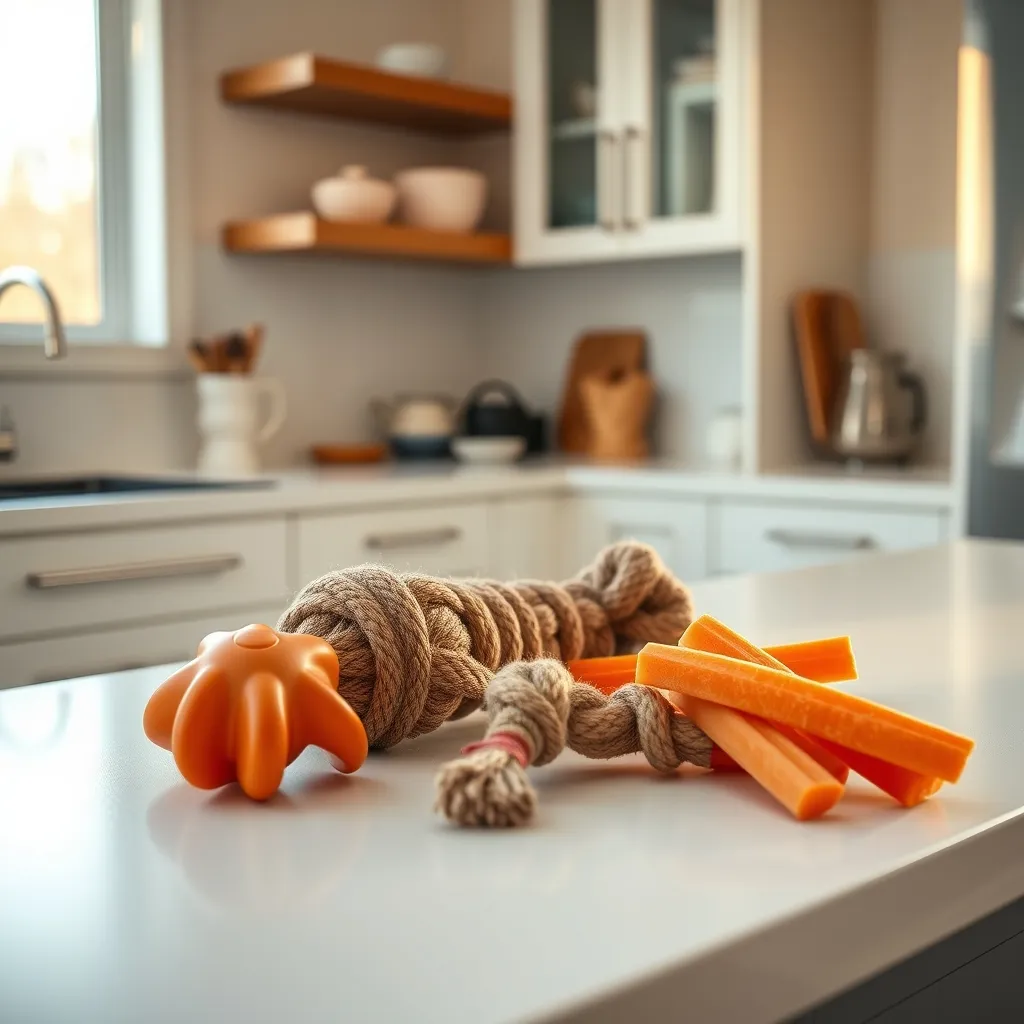
Rotate chew toys regularly. Puppies lose interest in the same toy quickly. I keep a rotation of three to four different textures available at any time and swap them out every few days. A nubby rubber toy feels different from a braided rope toy, and both feel different from a frozen treat, so variety maintains your puppy’s interest.
Provide enough rest. Overtired puppies teethe harder. Puppies between 8 and 16 weeks need 18 to 20 hours of sleep per day. An enforced nap in a properly introduced crate can reduce fussiness that teething amplifies.
Safe Teething Toys and Chews
Not all chew toys are created equal, and choosing the wrong one can lead to broken teeth, choking hazards or intestinal blockages. Here is what I look for when selecting teething toys for puppies.
Rubber teething toys. Look for toys labeled specifically for puppies. Puppy-formula rubber is softer than adult-dog rubber and flexes under pressure without cracking. The Kong Puppy line and West Paw Zogoflex are two options I have seen hold up well. Avoid hard nylon bones marketed toward adult dogs; they can fracture deciduous teeth.
Rope toys (supervised use only). Rope toys satisfy the urge to pull and gnaw, and the fibers provide a light flossing action. However, if your puppy starts shredding the rope and swallowing strands, take it away immediately. Ingested fibers can cause intestinal blockages.
Edible dental chews sized for puppies. Some brands make soft dental chews designed for puppies under six months. These are typically digestible and appropriately sized. Always match the chew to your puppy’s weight range to prevent choking.
Frozen carrots. A whole peeled carrot from the freezer is one of the simplest teething aids. It is low calorie, satisfying to gnaw on and the cold soothes gums. Supervise your puppy and take the carrot away once it becomes small enough to swallow whole.
Avoid antlers, hooves and hard bones. These are common culprits behind slab fractures in both baby and adult teeth. The general rule I follow: if you cannot dent the surface with your thumbnail, the item is too hard for a puppy’s teeth.

What to Avoid During Puppy Teething
Knowing what not to do is just as important as knowing what helps. I have seen well-meaning owners accidentally make teething worse with a few common mistakes.
Do not punish chewing. Puppies are not chewing your shoes to be spiteful. They are in pain and looking for relief. Yelling, squirting water or using physical corrections teaches your puppy to fear you, not to stop chewing. Instead, calmly redirect to an appropriate chew toy. For more on why force-free methods matter, read our article on understanding and managing reactive behavior.
Avoid over-the-counter teething gels unless vet-approved. Some human teething gels contain ingredients like benzocaine or lidocaine that can be toxic to dogs. Never apply a product to your puppy’s gums without explicit guidance from your veterinarian.
Do not pull loose teeth. It can be tempting to wiggle a dangling baby tooth free, but pulling it risks breaking the root and leaving a fragment in the gum that can cause infection. Let teeth fall out naturally or have your vet handle stubborn ones.
Skip ice cubes for very young puppies. While cold is soothing, solid ice cubes can be a choking hazard for small puppies and can potentially chip teeth. Crushed ice or frozen cloths are safer alternatives.
Do not ignore a change in eating habits that lasts more than two days. While mild appetite changes are expected, prolonged food refusal could signal an abscessed tooth, retained root or other dental issue that requires professional attention.
Teething and Bite Inhibition Training
Teething and nipping go hand in hand, and this stage is actually a golden opportunity to teach your puppy one of the most important life skills: bite inhibition. Bite inhibition is the ability to control the force of the mouth, and puppies who learn it well are far less likely to cause injury if they ever mouth someone as an adult.
Here is the approach I teach in my puppy classes:
Step 1: Let the puppy learn that hard bites end the fun. When your puppy bites down too hard during play, let out a brief, high-pitched “ouch” and immediately withdraw your hand. Pause all interaction for 10 to 15 seconds. This mimics how littermates communicate: a yelp means “that was too much.”
Step 2: Redirect to a toy. After the brief pause, offer an appropriate chew toy. When your puppy takes the toy instead of your hand, praise calmly. The message is clear: teeth on toys equals attention; teeth on skin equals the game stops.
Step 3: Gradually raise your expectations. Once hard bites have stopped, begin responding to moderate pressure the same way. Over the course of several weeks, your puppy learns that any tooth contact on human skin ends the interaction.
Be consistent across all family members. If one person allows mouthing while another discourages it, the puppy receives mixed signals and the learning process stalls. Everyone in the household should follow the same rules.
Teething makes nipping worse temporarily because the puppy’s gums are sore and chewing feels good. This is normal. Stay patient and consistent, and the combination of emerging adult teeth and good training will bring nipping under control. If mouthing persists well beyond the teething stage, particularly past eight or nine months, consider working with a qualified trainer. Excessive barking or mouthing can sometimes overlap with other behavioral concerns; our guide on why dogs bark and how to fix it covers related strategies.
When to Call the Vet
Most puppy teething resolves without any medical intervention. However, there are specific situations where a veterinary visit is necessary.
Retained baby teeth. If a baby tooth has not fallen out by seven months and the adult tooth is growing in beside it, this is called a persistent deciduous tooth. It can cause crowding, misalignment and even damage to the adult tooth’s enamel. The standard treatment is extraction under anesthesia, which is often done at the same time as a spay or neuter procedure.
Double rows of teeth. Seeing two teeth occupying the same socket space is a sign of retention. This is especially common in small breeds like Chihuahuas, Yorkshire Terriers and Maltese.
Broken teeth with exposed pulp. If a baby tooth breaks and you can see a pink or red center, the pulp is exposed. This is painful and can lead to infection. Your vet may recommend extraction.
Persistent bleeding. A small amount of blood from a lost tooth is normal. Bleeding that does not stop within 15 to 20 minutes, or bleeding from the gums without an obvious lost tooth, should be evaluated.
Swelling that worsens or discharge from the mouth. Mild gum swelling is typical, but pronounced swelling, pus or a foul odor could indicate an abscess.
Refusal to eat for more than 24 to 48 hours. Teething discomfort rarely causes complete food refusal for more than a day. If your puppy will not eat at all, there may be an underlying issue that goes beyond normal teething.
Keeping a basic first aid kit at home is always a good idea during the puppy stage. It allows you to gently clean a bleeding gum or check for a broken tooth before deciding whether a vet trip is needed.
Key Points
- Keep 3 to 4 textured chew toys in rotation and swap them every few days to maintain your puppy’s interest
- Freeze a damp washcloth or stuff a Kong with frozen broth to provide cold gum relief during peak teething weeks
- Use the “ouch and redirect” method consistently with every family member to teach bite inhibition
- Check your puppy’s mouth weekly after 12 weeks and note any retained baby teeth that have not fallen out by 7 months
- Avoid antlers, hooves and hard nylon bones; stick to items you can dent with your thumbnail
Frequently Asked Questions
What are the 5 stages of puppy teething?
The five stages are: no teeth (birth to 2 weeks), baby teeth eruption (2 to 8 weeks), baby teeth falling out (12 to 16 weeks), adult teeth emerging (16 to 24 weeks) and full adult dentition (6 to 7 months). Each stage brings different behaviors, with stage 4 typically being the most intense for chewing and discomfort.
How do you soothe a teething puppy?
The most effective methods include offering frozen items like damp washcloths or broth-filled Kongs, providing puppy-safe rubber chew toys, gently massaging the gums with a clean finger and softening kibble with warm water. Cold provides natural numbing relief, while chewing applies counterpressure that eases gum soreness.
What age is teething worst for puppies?
Teething is generally worst between 12 and 20 weeks of age. This is when the larger premolars and molars are breaking through the gums, causing the most discomfort. Most puppies show a noticeable decrease in teething symptoms by five to six months old.
What symptoms does a puppy have when teething?
Common symptoms include increased chewing, excessive drooling, red or swollen gums, small spots of blood on toys, decreased appetite or reluctance to eat hard food, whining and occasional mild fussiness. Finding tiny baby teeth on the floor or in bedding is also a clear indicator.
Is it normal for a puppy to bleed when teething?
Yes, small amounts of blood are completely normal when a baby tooth falls out. You may notice pink-tinged saliva, spots on chew toys or a trace of blood in the water bowl. This bleeding is minor and stops on its own. If bleeding is persistent or heavy, contact your veterinarian.
When should I worry about my puppy’s teething?
Contact your vet if you notice retained baby teeth after seven months, broken teeth with visible pulp, bleeding that does not stop within 15 to 20 minutes, significant swelling or discharge, a foul odor from the mouth, or if your puppy refuses all food for more than 24 to 48 hours.