
Key Takeaways
- Puppies need their first vaccination at 6 to 8 weeks old, with a second dose given 2 to 4 weeks later
- Core vaccines protect against 4 life-threatening diseases: distemper, parvovirus, adenovirus (hepatitis) and parainfluenza
- Full immunity typically develops 7 to 14 days after the final primary injection, so outdoor walks must wait until then
- Annual booster vaccinations are required to maintain lifelong protection against preventable diseases
- The average primary puppy vaccination course costs between £30 and £80 depending on the veterinary practice and region
- Leptospirosis and kennel cough vaccines are considered non-core but strongly recommended for most puppies in the UK
In This Guide
- Why Puppy Vaccinations Matter
- Core vs Non-Core Vaccines Explained
- Week by Week Puppy Vaccination Schedule
- What Happens at Each Vaccination Appointment
- Socialisation Before Full Vaccination
- Common Side Effects and Aftercare
- Booster Vaccinations and Ongoing Protection
- Cost of Puppy Vaccinations
- Missed or Delayed Vaccinations
I’ve worked with hundreds of new puppy owners over the past decade, and one question comes up in almost every single consultation: “When can my puppy go outside safely?” The answer always starts with understanding the puppy vaccination schedule. Getting this timeline right is one of the most important things you’ll do in your puppy’s first few months of life.
As a trainer, I see the consequences of both extremes. Owners who skip vaccinations risk exposing their pups to deadly diseases. Those who isolate puppies entirely until the course finishes often miss the critical socialisation window that closes around 14 to 16 weeks. This guide walks you through exactly when each vaccination happens, what it protects against, and how to keep your puppy safe and socially developing throughout the process.
Why Puppy Vaccinations Matter
Newborn puppies receive temporary immunity from their mother’s colostrum (first milk) during the initial hours of life. This maternal antibody protection fades gradually between 6 and 16 weeks of age, leaving puppies vulnerable to serious infectious diseases. Vaccinations work by introducing a weakened or inactivated form of a pathogen, stimulating the puppy’s immune system to build its own defences before encountering the real disease.
Without vaccination, puppies face significant risks from diseases that remain prevalent in the environment. Canine parvovirus, for example, can survive in soil for up to a year and carries a mortality rate of over 80% in unvaccinated puppies. According to the PDSA’s vaccination guidance, these diseases haven’t disappeared; vaccination programmes simply keep them under control.
The timing of vaccinations is carefully calculated to fill the gap left as maternal antibodies decline. Too early and maternal antibodies neutralise the vaccine before the puppy’s own immune system responds. Too late and the puppy sits unprotected during a vulnerable window. This is precisely why veterinarians follow a specific schedule rather than giving a single injection.
Core vs Non-Core Vaccines Explained
Puppy vaccines fall into two categories. Core vaccines are recommended for every puppy regardless of lifestyle or location because the diseases they prevent are widespread, highly contagious, or potentially fatal. Non-core vaccines are given based on individual risk assessment, considering factors like geography, lifestyle, and exposure likelihood.
Core Vaccines (Essential for All Puppies)
- Canine Distemper Virus (CDV): Attacks the respiratory, gastrointestinal and nervous systems. Often fatal, and survivors frequently have permanent neurological damage.
- Canine Parvovirus (CPV): Causes severe bloody diarrhoea, vomiting and dehydration. Extremely contagious and frequently fatal in young puppies.
- Canine Adenovirus Type 2 (CAV-2): Protects against infectious canine hepatitis. The virus attacks the liver, kidneys and blood vessels.
- Parainfluenza Virus: A highly contagious respiratory virus contributing to kennel cough complex.
Non-Core Vaccines (Based on Risk)
- Leptospirosis (L2 or L4): Strongly recommended in the UK due to prevalence in waterways and rat urine. The L4 vaccine covers four serovars.
- Bordetella bronchiseptica (Kennel Cough): Recommended for puppies attending daycare, boarding kennels, training classes, or dog parks.
- Rabies: Required only for travel abroad under the Pet Travel Scheme, not routinely given in the UK.
The RSPCA recommends that all puppies receive core vaccinations as a minimum, with non-core vaccines discussed individually with your veterinarian based on your specific circumstances.
Week by Week Puppy Vaccination Schedule
The standard UK puppy vaccination schedule typically follows a two-injection primary course, though some practices now use a three-injection protocol depending on the vaccine brand used. Here is the week-by-week breakdown most commonly followed:
| Age | Vaccination Given | Diseases Covered | Notes |
|---|---|---|---|
| 6-8 weeks | First primary vaccination (DHP) | Distemper, Hepatitis, Parvovirus | Often given by breeder before collection |
| 8-10 weeks | First vaccination (if not done at 6 weeks) + Leptospirosis dose 1 | DHP + Leptospirosis | Register with your vet; first health check |
| 10-12 weeks | Second primary vaccination + Leptospirosis dose 2 | DHP + Leptospirosis + Parainfluenza | Must be 2-4 weeks after first dose |
| 12-14 weeks | Third vaccination (some protocols) | Parvovirus (additional booster) | Used with certain vaccine brands or high-risk areas |
| 12-16 weeks | Kennel cough (optional) | Bordetella + Parainfluenza | Intranasal or oral; single dose; no waiting period needed |
| 14 weeks+ | Full immunity achieved | All core diseases | 7-14 days after final injection; safe to walk |
Understanding the Timing Gap
The 2 to 4 week gap between the first and second injections is critical. This interval allows the puppy’s immune system to respond to the initial vaccine before being boosted with the second dose. Giving the second injection too soon (less than 2 weeks) means the immune system hasn’t had time to mount a primary response. Waiting longer than 4 weeks may mean starting the course again, depending on your vet’s protocol.
Some modern vaccine protocols, such as those using Nobivac products, allow the second vaccination as early as 10 weeks of age, meaning puppies can achieve full immunity and begin walking outdoors by 11 to 12 weeks old. Discuss the fastest safe protocol with your vet if early socialisation access is important to you.
What Happens at Each Vaccination Appointment
Each vaccination appointment involves more than just an injection. Your veterinarian performs a full physical examination at every visit, which is especially valuable for young puppies who are growing rapidly and may have congenital issues not yet apparent.
First Appointment (6-8 Weeks)
If the breeder has already given the first vaccination, your puppy should arrive with vaccination documentation. At your vet’s first appointment, expect:
- Complete physical examination (heart, lungs, eyes, ears, joints, skin)
- Weight recording to establish a growth baseline
- Microchip implantation (legally required before 8 weeks or first sale)
- Worming treatment and flea prevention discussion
- First vaccination if not already given
- Nutritional advice and feeding schedule review
Second Appointment (10-12 Weeks)
This appointment completes the primary vaccination course for most puppies:
- Physical examination and weight check
- Second DHP vaccination plus leptospirosis
- Discussion about when outdoor walks can begin
- Neutering timeline conversation
- Behavioural questions and early training guidance
I always encourage my clients to prepare a list of questions before each vet visit. Those early appointments go quickly, and there’s so much to cover during this critical developmental period.
Socialisation Before Full Vaccination
Here’s where my work as a trainer intersects directly with the vaccination schedule. The critical socialisation window for puppies runs from approximately 3 to 14 weeks of age. This overlaps significantly with the vaccination period, creating a genuine dilemma: how do you expose your puppy to the world while keeping them safe from infectious disease?
The answer is not total isolation. Keeping a puppy locked indoors until 14 weeks old can cause lasting behavioural problems, including fearfulness, reactivity and dog aggression. Instead, use these safe socialisation strategies before full vaccination:
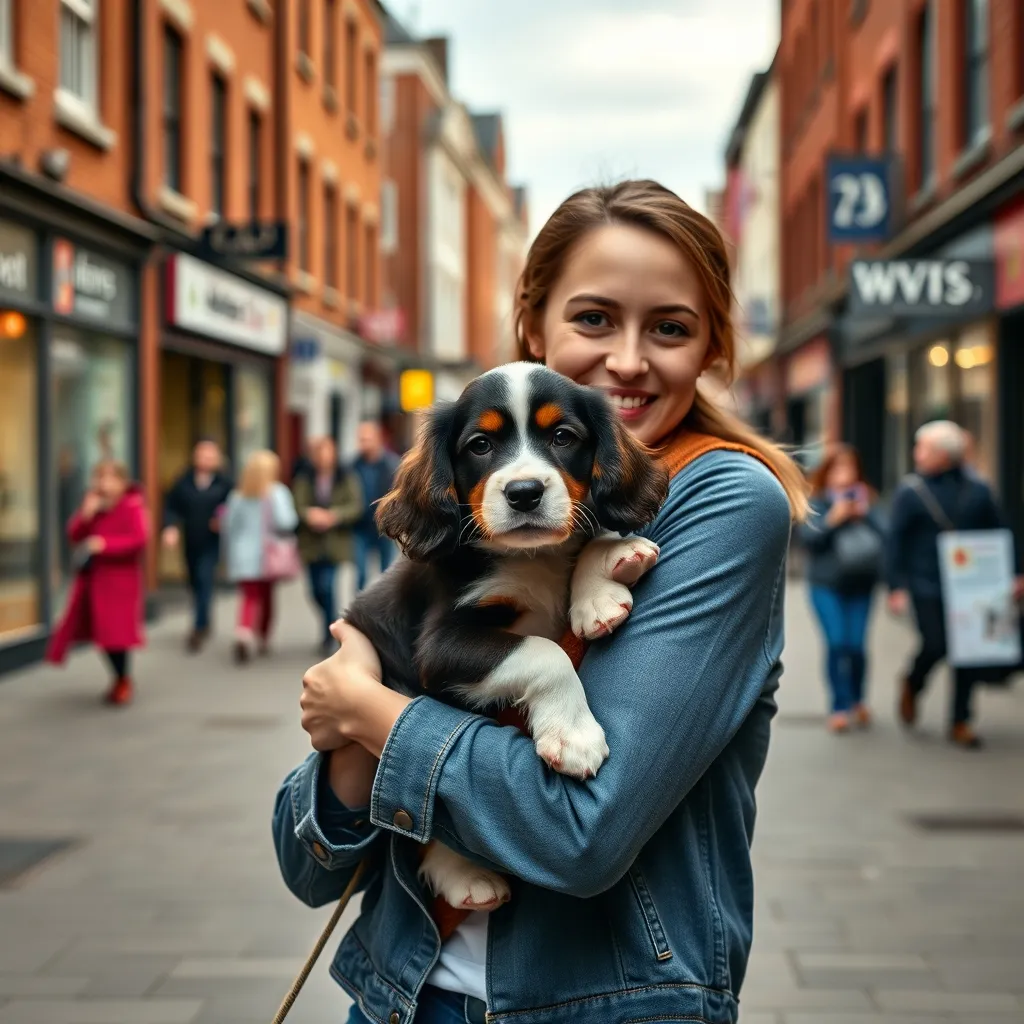
- Carry your puppy in public spaces without letting paws touch the ground
- Invite vaccinated, healthy adult dogs to your home for supervised meetings
- Attend puppy socialisation classes run by qualified trainers (these require first vaccinations and clean, disinfected floors)
- Drive your puppy to different locations to experience new sights and sounds from the car
- Walk in your private garden if it hasn’t been accessed by unvaccinated dogs or foxes
- Use a sling, carrier bag or pushchair for exposure to town centres, traffic, and crowds
Avoid high-risk areas before full vaccination: public parks, woodland paths, areas with known fox activity, and anywhere with large numbers of unknown dogs. The risk-benefit calculation here is straightforward. A brief, controlled exposure to a healthy vaccinated dog in your living room carries minimal disease risk but enormous behavioural benefits.
The Kennel Club’s socialisation guidelines emphasise that the risks of inadequate socialisation often outweigh the risks of controlled, sensible exposure before full immunity develops.
Common Side Effects and Aftercare
Most puppies tolerate vaccinations extremely well, but mild side effects can occur within the first 24 to 48 hours. Understanding what’s normal versus what requires veterinary attention helps you respond appropriately.
Normal Mild Reactions
- Lethargy or sleepiness for 12 to 24 hours
- Mild tenderness or small lump at the injection site
- Slightly reduced appetite for one meal
- Low-grade fever (warm ears, quieter than usual)
- Mild sneezing after intranasal kennel cough vaccine
When to Contact Your Vet
- Facial swelling, hives, or difficulty breathing (allergic reaction; emergency)
- Vomiting or diarrhoea lasting more than 24 hours
- Extreme lethargy or unresponsiveness beyond 48 hours
- Injection site lump growing or becoming painful after 3 days
- Collapse or seizures (extremely rare; emergency)
Aftercare Tips
On vaccination day, keep activities calm and gentle. Avoid vigorous play, bathing, or anything stressful. Let your puppy rest if they want to sleep. Offer water freely and don’t worry if they skip a meal. By the next day, most puppies bounce back to their normal energetic selves.
I recommend scheduling vaccination appointments for the morning where possible. This gives you the full day to observe your puppy and contact the vet during opening hours if you notice any concerning reactions.
Booster Vaccinations and Ongoing Protection
The primary puppy course doesn’t provide lifelong immunity. Booster vaccinations are essential to maintain protection throughout your dog’s life. Here’s how the ongoing schedule works:
| Timing | Vaccine | Frequency |
|---|---|---|
| 12 months after primary course | DHP + Leptospirosis | First annual booster (critical) |
| Annually thereafter | Leptospirosis | Every 12 months (immunity fades quickly) |
| Every 3 years | DHP (Distemper, Hepatitis, Parvovirus) | Triennial after first annual booster |
| Annually or as needed | Kennel cough | Required by most boarding facilities |
The first annual booster at 12 months is particularly important. Missing it may mean restarting the entire primary course, as immunity can wane significantly in young dogs whose immune systems are still maturing. Set a reminder in your phone or calendar so this doesn’t slip past.
Some owners ask about titre testing as an alternative to routine boosters. Titre tests measure circulating antibody levels in the blood and can confirm whether a dog still has protective immunity. While useful for DHP vaccines, titre testing is not reliable for leptospirosis, which still requires annual vaccination regardless of antibody levels.
Cost of Puppy Vaccinations
The cost of puppy vaccinations varies by region, practice type, and which vaccines are included. Here’s a general guide to what you can expect to pay in the UK:
| Service | Typical Cost Range | Notes |
|---|---|---|
| Primary course (2 injections) | £30 – £80 | Includes DHP and Leptospirosis |
| Kennel cough vaccine | £20 – £50 | Intranasal or oral; single dose |
| Annual booster | £30 – £70 | May include health check |
| Puppy health package | £80 – £200 | Vaccinations + worming + flea treatment + microchip |
| Titre testing | £50 – £120 | Blood test to check antibody levels |
Many practices offer puppy packages or wellness plans that bundle vaccinations with other preventative care at a discounted rate. These can represent good value, particularly during the first year when your puppy needs multiple treatments. Some charities, including the Blue Cross and PDSA, offer subsidised or free vaccinations for owners on low incomes or certain benefits.
Consider that the cost of treating parvovirus (often £2,000 to £5,000+ with no guarantee of survival) far exceeds the cost of prevention. Vaccinations remain one of the most cost-effective investments in your puppy’s health.
Missed or Delayed Vaccinations
Life happens, and sometimes vaccination schedules don’t go to plan. Perhaps your puppy was unwell at the scheduled appointment, you missed the booking, or you’ve adopted an older puppy with unknown vaccination history. Here’s how to handle common scenarios:
Gap Between First and Second Injections Exceeds 4 Weeks
If more than 6 weeks have passed since the first vaccination, most veterinarians will restart the primary course from scratch. The initial immune response may have been insufficient to build upon after such a long gap. Don’t panic; simply book in as soon as possible.
Adopted Puppy with No Records
If you’ve adopted a puppy or rescue dog with no vaccination history, your vet will treat them as unvaccinated and begin a full primary course. There’s no harm in vaccinating a dog that’s already been vaccinated; the immune system simply gets an additional boost.
Puppy Was Unwell at Scheduled Appointment
Vaccinations should only be given to healthy puppies. If your pup has a fever, vomiting, diarrhoea, or is generally unwell, your vet will postpone the vaccination. This is the correct decision. A compromised immune system may not respond effectively to the vaccine, and vaccination could worsen their condition. Rebook as soon as your puppy recovers.
Older Puppy or Adult Dog Never Vaccinated
Dogs of any age can begin vaccination. Adult dogs typically need only two injections given 2 to 4 weeks apart to achieve full immunity, just like puppies. The same core vaccines apply regardless of age. If you’re bringing home an older rescue dog, discuss their likely vaccination needs alongside other settling-in considerations like crate training and building confidence with appropriate toys and enrichment.
Whatever the situation, the most important thing is to contact your vet and be honest about the timeline. They won’t judge you for a missed appointment; they’ll simply help you get back on track as quickly as possible.
Key Points
- Book your puppy’s first vaccination at 6-8 weeks old and the second dose 2-4 weeks later to ensure timely protection
- Do not walk your puppy on public ground until 7-14 days after their final primary vaccination
- Use safe socialisation methods (carrying, private gardens, puppy classes) to continue behavioural development during the vaccination waiting period
- Set a calendar reminder for the 12-month booster as missing it may require restarting the entire course
- Keep your puppy’s vaccination card in a safe place and bring it to every vet appointment for accurate record-keeping
Frequently Asked Questions
How long after the second puppy vaccination can they go out?
Most puppies can safely walk on public ground 7 to 14 days after their second (final) primary vaccination. This waiting period allows the immune system to build full protective immunity. Your vet will confirm the exact timeline based on which vaccine brand was used and your puppy’s individual health. Until then, carry your puppy or use a secure private garden for toilet training and fresh air.
The standard UK puppy vaccination schedule involves a first injection at 6-8 weeks covering distemper, hepatitis and parvovirus, followed by a second injection at 10-12 weeks adding leptospirosis and parainfluenza. Some protocols include a third dose at 12-14 weeks. Full immunity develops 1-2 weeks after the final injection. Annual boosters maintain protection throughout life.What is the proper vaccination schedule for a puppy in the UK?
Yes, provided your garden is secure and hasn’t been accessed by unvaccinated dogs, foxes, or wildlife that could carry parvovirus or leptospirosis. Private gardens are generally considered low-risk environments for toilet training and short play sessions. Avoid areas near rivers, canals, or known fox dens, and don’t let your puppy drink from puddles or standing water.Can I walk my puppy in my own garden before vaccinations are complete?
If the gap between injections exceeds 4 to 6 weeks, your veterinarian may recommend restarting the primary course from the beginning. A delay of a few days beyond the scheduled date is usually fine, but contact your vet as soon as possible to rebook. The longer the gap, the less effective the booster response, so prompt rescheduling is important.What happens if I miss my puppy’s second vaccination appointment?
Puppy vaccinations are not legally mandatory in the UK (unlike rabies vaccination in some other countries). However, they are strongly recommended by all major veterinary bodies and animal welfare organisations. Practically speaking, most boarding kennels, training classes, daycare facilities, and dog walking services require proof of up-to-date vaccinations before accepting your dog.Are puppy vaccinations mandatory in the UK?
Some puppies experience mild lethargy, slight tenderness at the injection site, or reduced appetite for 12-24 hours after vaccination. This is a normal immune response and resolves without treatment. Severe reactions such as facial swelling, persistent vomiting, or difficulty breathing are extremely rare but require immediate veterinary attention. The vast majority of puppies bounce back to normal within a day.Do puppies feel unwell after vaccinations?
Your puppy can meet fully vaccinated, healthy adult dogs in clean, private environments such as your home or a friend’s garden. Avoid contact with dogs of unknown vaccination status and steer clear of public parks, communal grass areas, and dog-walking hotspots where infected dogs may have been. Puppy socialisation classes with strict vaccination entry requirements are another safe option after the first injection.Can my puppy meet other dogs before completing vaccinations?