
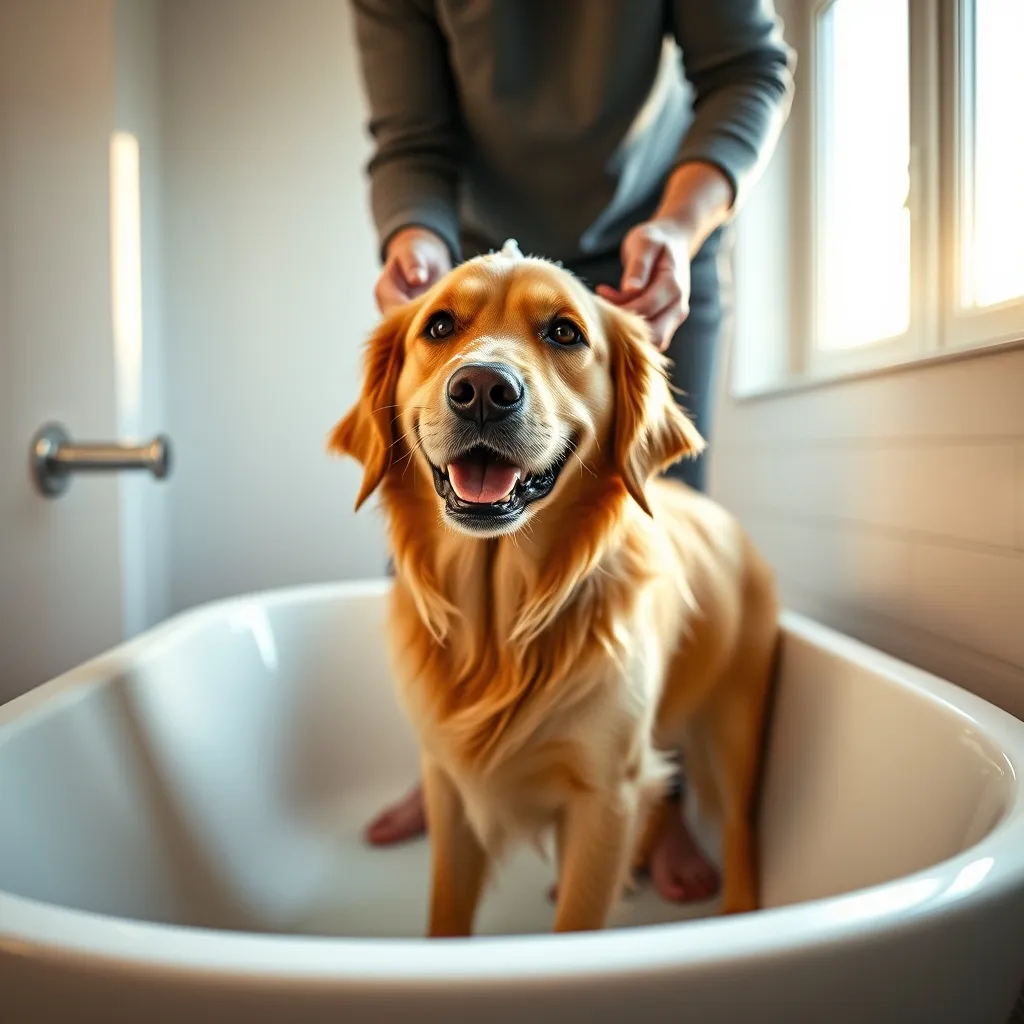
Key Takeaways
- Most dogs only need a bath every 4 to 8 weeks, though coat type and lifestyle can shift that range significantly
- Water temperature should stay between 37°C and 39°C (body temperature) to keep your dog comfortable and avoid skin irritation
- Always use a dog-specific shampoo with a pH between 6.5 and 7.5; human products can damage the canine skin barrier
- Spending 5 to 10 minutes on desensitisation before the first bath dramatically reduces fear and resistance long-term
- Rinsing accounts for roughly 80% of bath-related skin problems when done poorly; leftover shampoo causes itching, flaking and hot spots
- Dogs with double coats (Huskies, Golden Retrievers) need thorough drying to prevent moisture-trapped infections near the undercoat
In This Guide
- Why Bathing Your Dog Properly Matters
- How Often Should You Bathe Your Dog?
- Supplies You Need Before Bath Time
- How to Bathe a Dog: Step-by-Step
- How to Bathe a Dog That Hates Water
- Choosing the Right Dog Shampoo
- Bathing Puppies vs Adult Dogs
- Common Mistakes When Bathing a Dog
- Drying Your Dog After a Bath
I have bathed hundreds of dogs over my career, from wriggling Labrador puppies to anxious rescue Greyhounds who had never seen a bathtub. And if there is one thing I have learnt, it is that knowing how to bathe a dog properly makes an enormous difference to your dog’s skin health, coat condition and overall comfort with grooming. A bad bath experience can create a lifelong fear. A good one turns bath time into something your dog tolerates, or even enjoys.
In this guide, I will walk you through exactly how I approach dog bathing with my own clients, covering the preparation, the technique, the mistakes I see owners making repeatedly, and how to handle dogs that absolutely despise water. Whether you are bathing your dog at home in a bathtub, a walk-in shower, or even outdoors with a garden hose, these principles apply.
Why Bathing Your Dog Properly Matters
A dog’s skin is structurally different from ours. According to PDSA guidance on canine skin health, dogs have a thinner epidermis than humans and a skin pH that sits between 6.2 and 7.4, compared to our more acidic 5.5. This means their skin barrier is more vulnerable to disruption from harsh products, extreme water temperatures and aggressive scrubbing.
When you bathe a dog correctly, you remove dirt, loose fur, allergens and excess oils without stripping the natural protective layer. When you get it wrong, you can trigger dry, flaky skin, increased scratching, bacterial infections and even behavioural problems around grooming. I have worked with dogs whose bath-time anxiety was so severe it spilled over into general handling sensitivity, making vet visits and even basic brushing a struggle.
Proper bathing also gives you a chance to check your dog’s body. I always tell my clients to think of bath time as a mini health check. You are running your hands over every part of your dog, so you can spot lumps, ticks, skin irritation or matting early. That early detection can save you a costly vet bill later.
How Often Should You Bathe Your Dog?
This is the question I get asked more than any other, and the answer depends on several factors. The general guideline is once every 4 to 8 weeks for most pet dogs, but your dog’s coat type, lifestyle and any skin conditions will shift that number.
| Coat Type | Examples | Recommended Bathing Frequency | Notes |
|---|---|---|---|
| Short, smooth coat | Beagle, Boxer, Dalmatian | Every 6 to 8 weeks | Naturally self-cleaning; overbathing strips oils quickly |
| Double coat | Husky, Golden Retriever, German Shepherd | Every 6 to 8 weeks | Thorough drying is critical to prevent undercoat moisture trapping |
| Long, silky coat | Yorkshire Terrier, Shih Tzu, Maltese | Every 3 to 4 weeks | Prone to matting; brush thoroughly before bathing |
| Wire/rough coat | Schnauzer, Wire Fox Terrier, Border Terrier | Every 6 to 8 weeks | Hand-stripping may be needed alongside bathing |
| Curly/woolly coat | Poodle, Bichon Frise, Lagotto Romagnolo | Every 3 to 4 weeks | Coat continues growing; regular grooming essential |
| Hairless or minimal coat | Chinese Crested, Xoloitzcuintli | Every 1 to 2 weeks | Exposed skin needs frequent but gentle cleansing |
Dogs that swim regularly, roll in mud, or spend a lot of time outdoors may need more frequent baths. On the other hand, overbathing is one of the most common mistakes I see. If your dog’s skin looks dry, flaky or irritated, you may be bathing too often or using the wrong products. The RSPCA’s grooming advice recommends bathing only when necessary and using products formulated for dogs.
Supplies You Need Before Bath Time
Preparation is half the battle. I cannot tell you how many bath-time disasters I have seen that started because someone got their dog wet and then realised the shampoo was in another room. Here is what I set out before every bath:
- Dog-specific shampoo (and conditioner if your dog has a long or dry coat)
- Non-slip mat for the bottom of the tub, shower or sink
- A detachable shower head or a jug for rinsing
- Cotton wool balls (to loosely place in ears, preventing water entry)
- Several absorbent towels (you will need more than you think)
- A slicker brush or comb for pre-bath brushing
- High-value treats for positive reinforcement
- A lick mat with peanut butter or soft cheese (a game-changer for nervous dogs)
If you are bathing a small dog, a kitchen sink or a plastic tub on a table can save your back. For medium and large dogs, a walk-in shower or bathtub works well. I have also bathed dogs outside with a garden hose in warm weather, but only when the water is not too cold; a freezing hose stream is a fast way to make your dog hate bath time permanently.
How to Bathe a Dog: Step-by-Step
Here is the exact process I follow with my clients’ dogs. Each step matters, so resist the urge to rush.
Step 1: Brush Thoroughly Before Wetting
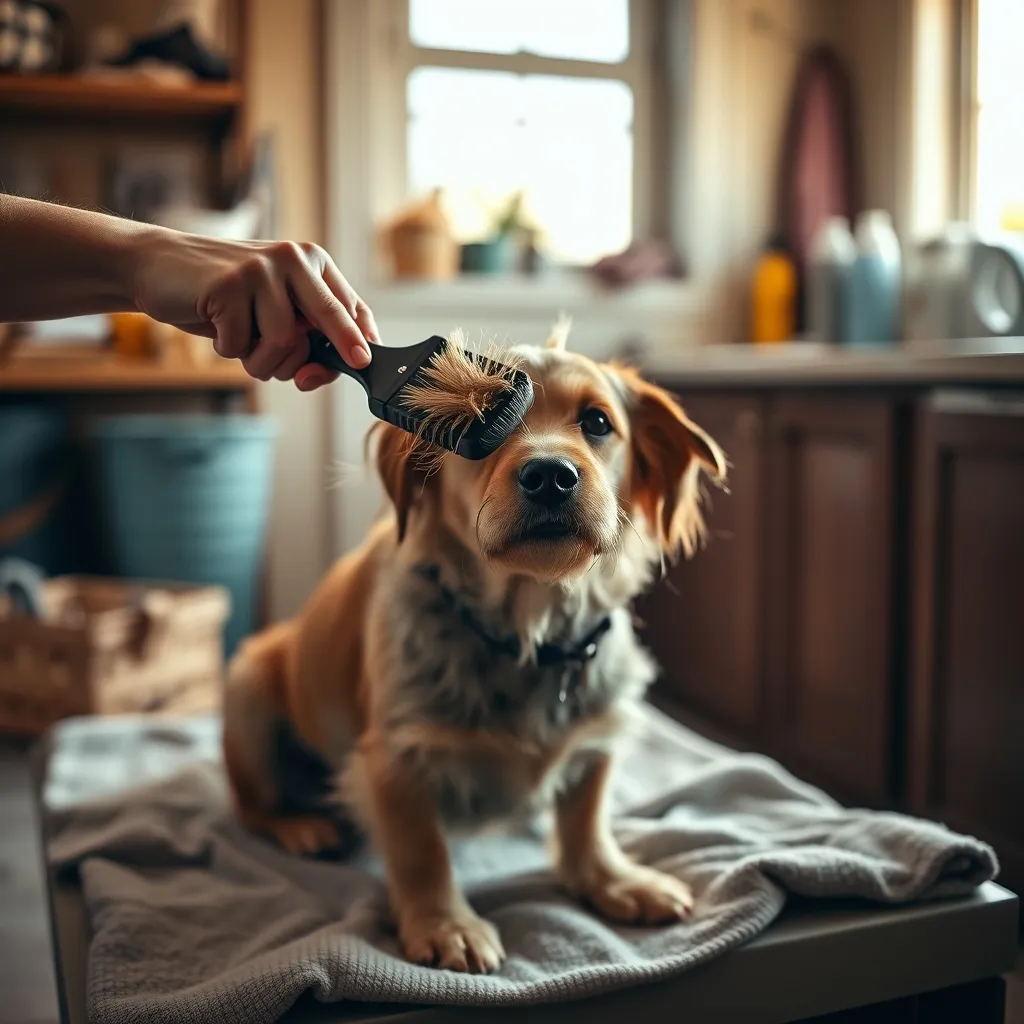
Always brush your dog before the bath. This removes loose fur, detangles mats and helps the shampoo reach the skin. Matted fur traps water and shampoo against the skin, which can cause irritation and even fungal infections. If you find a mat you cannot brush out, it is better to carefully cut it out with blunt-tipped scissors before the bath rather than trying to work through it when wet. For tips on handling grooming tools safely, check out our guide on assembling a dog grooming first aid kit.
Step 2: Prepare the Water Temperature
Test the water on the inside of your wrist, just as you would for a baby’s bath. The temperature should be lukewarm, around 37°C to 39°C. Dogs are more sensitive to heat than we are, and water that feels comfortably warm to you may be too hot for them. Cold water is equally problematic; it causes muscle tension and makes the whole experience unpleasant.
Step 3: Wet Your Dog from the Neck Down
Start at the neck and work backwards, soaking the coat thoroughly. Avoid the face and head at this stage. Use a low-pressure spray rather than a forceful jet. Many dogs are startled by high water pressure, and it can also force water into the ears. Keep one hand on your dog at all times to provide reassurance and prevent sudden escapes.
Step 4: Apply Shampoo and Massage
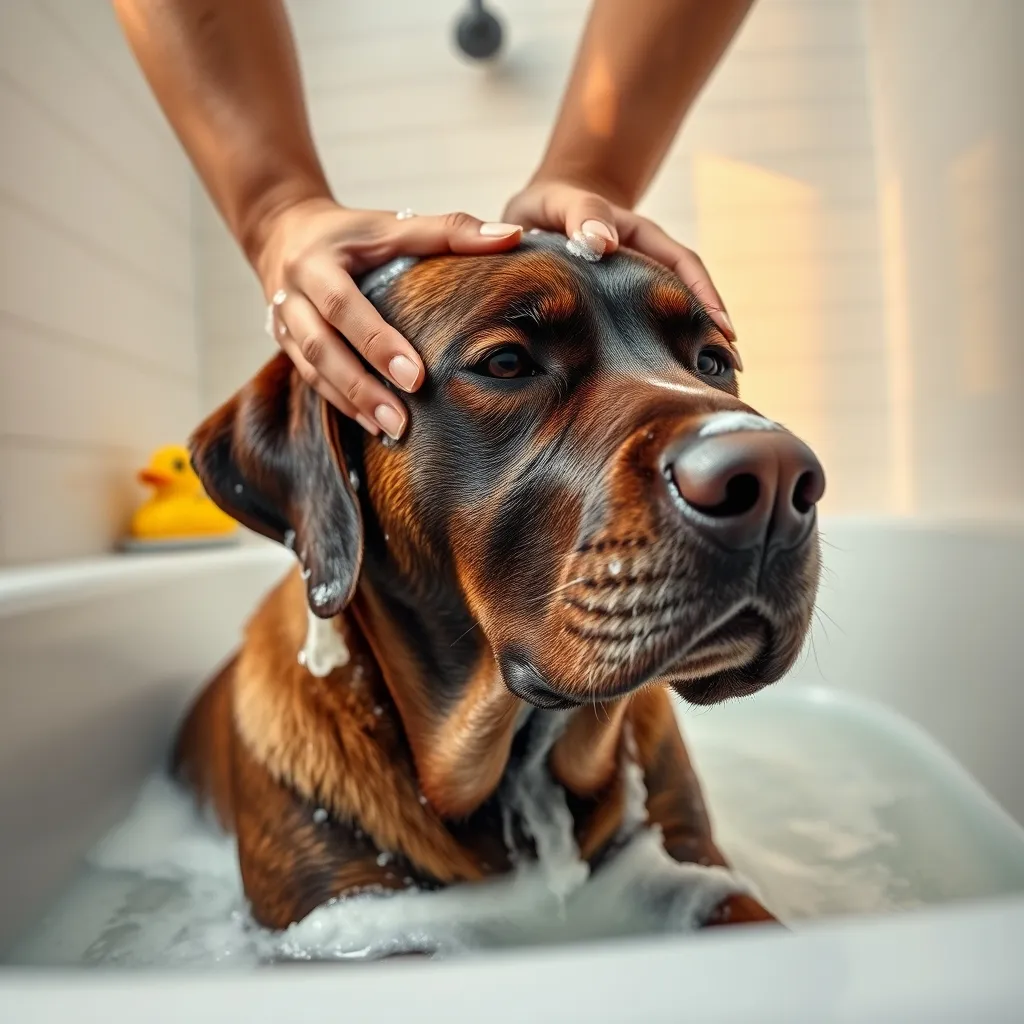
Dilute the shampoo in a jug of water if the instructions suggest it, or apply a small amount directly and work it into a lather with your fingers. Start at the neck and work towards the tail, massaging in circular motions. Pay special attention to areas that accumulate oil and dirt: behind the ears, under the collar line, the chest, armpits, belly and paws. Be gentle around sensitive areas like the groin and under the tail.
Step 5: Clean the Face Carefully
For the face, I use a damp flannel or a soft cloth rather than pouring water over the head. Wipe around the eyes, muzzle and forehead. If you need to use shampoo on the face, use a tearless formula specifically designed for dogs and be extremely careful around the eyes. Never spray water directly into a dog’s face; this is one of the fastest ways to create a lasting fear of baths.
Step 6: Rinse Thoroughly (Then Rinse Again)
This is the step most people rush, and it is arguably the most important. Shampoo residue is the number one cause of post-bath itching and skin irritation. Rinse from the head backwards, using your free hand to feel the coat as the water runs through. When you think you have rinsed enough, do it once more. The water running off should be completely clear with no suds.
Step 7: Apply Conditioner (Optional)
For dogs with long, dry or easily tangled coats, a dog-specific conditioner can help. Apply from mid-shaft to the ends of the hair, avoiding the skin where possible. Leave it on for the recommended time (usually 2 to 5 minutes), then rinse thoroughly again.
Step 8: The Initial Towel Dry
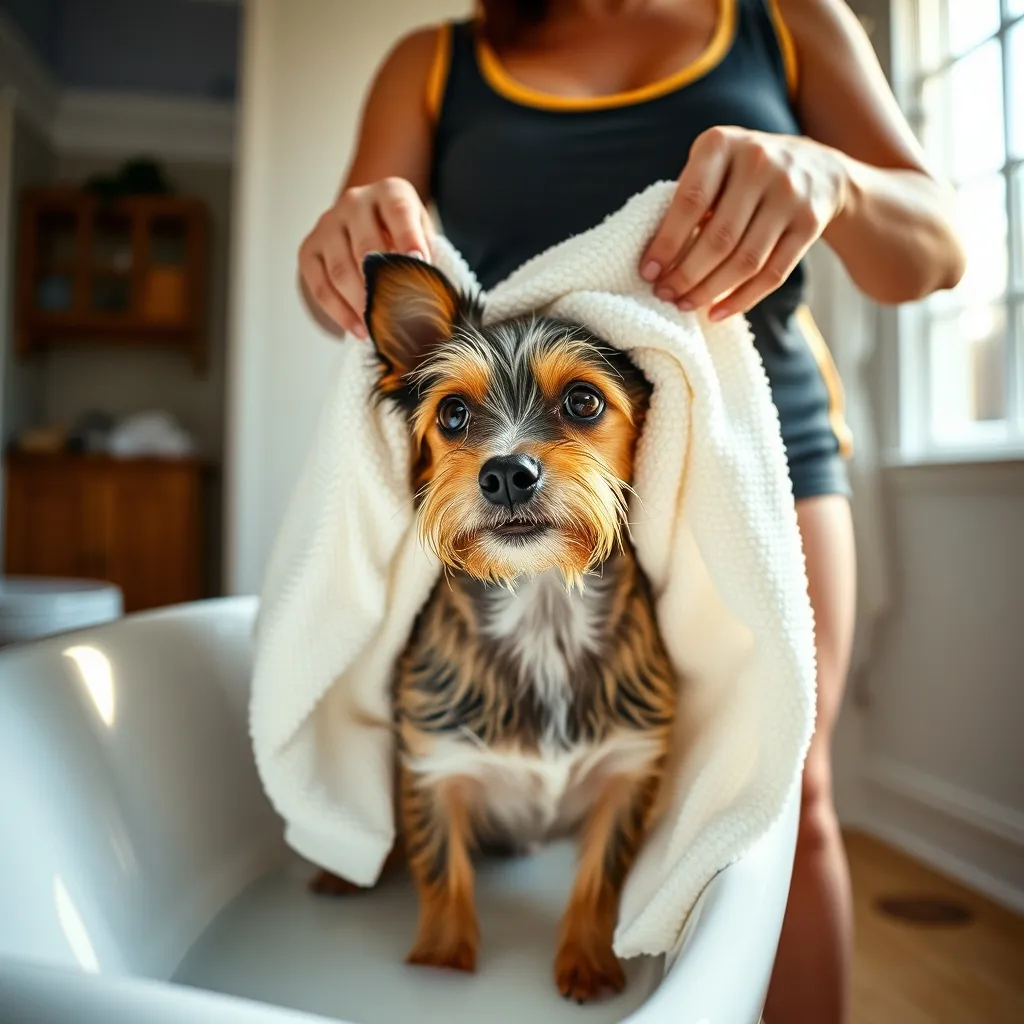
Before your dog shakes (and they will shake), drape a towel over them and gently squeeze the excess water from the coat. Blot and squeeze rather than rub; vigorous rubbing can tangle long coats and irritate the skin. Let your dog do their shake, then continue towelling.
How to Bathe a Dog That Hates Water
If your dog panics, tries to escape, or freezes during bath time, you are not alone. This is one of the most common issues I help owners with, and the solution is almost always gradual desensitisation combined with positive reinforcement. Here is my protocol:
- Start with the dry tub. Place your dog in the empty bathtub or shower with treats and praise. Do this several times over a few days with no water involved. The goal is to change the emotional association with the space.
- Add a trickle of water. Turn the tap on to a gentle trickle (not aimed at the dog) while they eat treats in the tub. Let them hear and see the water without being wet.
- Introduce a damp cloth. Wipe your dog with a warm, damp cloth while giving treats. This bridges the gap between dry handling and full wetting.
- Wet the paws first. Use a small amount of lukewarm water on the paws only, paired with high-value treats like chicken or cheese.
- Gradually increase coverage. Over multiple sessions, slowly increase how much of the body you wet, always pairing with treats and keeping sessions short (under 5 minutes).
This process can take anywhere from a few days to several weeks, depending on how deeply the fear is ingrained. Patience here pays enormous dividends. I have seen dogs go from complete meltdowns to calmly standing in the tub within a month of consistent work. If your dog is also reactive to other stimuli, the techniques I describe in our article on why dogs bark and how to address it use similar desensitisation principles.
A lick mat suctioned to the wall of the shower or tub is one of my favourite tools. Spread peanut butter or cream cheese on it and stick it at your dog’s nose height. The repetitive licking releases calming endorphins and gives the dog something to focus on other than the water.
Choosing the Right Dog Shampoo
Never use human shampoo, washing-up liquid or household soap on your dog. Human shampoos are formulated for our acidic skin pH (around 5.5), while dogs need a pH-balanced product between 6.5 and 7.5. Using the wrong product disrupts the acid mantle of the skin, leaving it vulnerable to bacteria, yeast and environmental allergens.
Here is what I recommend based on your dog’s needs:
- General-purpose dog shampoo: suitable for healthy coats with no specific issues. Look for gentle, soap-free formulas.
- Oatmeal-based shampoo: excellent for dogs with dry, itchy or sensitive skin. Colloidal oatmeal soothes inflammation.
- Medicated shampoo: prescribed by your vet for conditions like bacterial infections, fungal issues or seborrhoea. Always follow the vet’s instructions on contact time.
- Hypoallergenic shampoo: fragrance-free and dye-free options for dogs with allergies or very reactive skin.
- Whitening shampoo: formulated for white or light-coloured coats to reduce staining without using bleach.
If your dog has persistent skin problems despite using appropriate products, consult your vet. Underlying issues like allergies, hormonal imbalances or dietary deficiencies may be the real culprit. Nutrition plays a bigger role in coat health than many owners realise; you can read more about how diet affects your dog in our overview of digestive supplements for dogs.
Bathing Puppies vs Adult Dogs
Puppies can have their first bath from around 8 weeks of age, but you need to approach it differently from bathing an adult dog. Young puppies cannot regulate their body temperature as efficiently, so keeping them warm throughout the process is essential. Use lukewarm water, work quickly and have warm towels ready.
The most important thing with puppies is making the experience positive. I treat the first bath as a socialisation exercise rather than a grooming necessity. Even if the puppy is not particularly dirty, I will do a gentle introduction to water, handling and the sounds of running water. This early positive exposure pays off for years to come. The same principle applies to other grooming tasks; early positive experiences with nail handling can prevent problems later, which is why I recommend reading our article on preparing a nail care first aid kit before you start.
For senior dogs, consider their comfort carefully. Older dogs may have arthritis or joint pain that makes standing in a slippery tub painful. A non-slip mat is absolutely essential, and you may need to support their weight or bathe them in a shallower container. Warm water is particularly important for seniors, as cold water can exacerbate joint stiffness. If your older dog struggles with mobility, joint care supplements may help improve their overall comfort during grooming.
Common Mistakes When Bathing a Dog
After a decade of training and working alongside groomers, I have compiled a list of the most frequent mistakes I see. Avoiding these will make bath time safer, more effective and far less stressful for both you and your dog.
1. Skipping the pre-bath brush. Wetting a matted coat makes the mats tighter and harder to remove. Always brush first.
2. Using water that is too hot or too cold. Dogs cannot tell you the temperature is wrong until they are already distressed. Test on your wrist every time.
3. Getting water in the ears. This is a leading cause of ear infections in dogs. Use cotton wool to loosely plug the ear canals and avoid directing water into the ears. According to the Kennel Club’s guidance on ear infections, dogs with floppy ears are particularly susceptible and need extra care during bathing.
4. Insufficient rinsing. I cannot stress this enough. Shampoo residue causes itching, dandruff and hot spots. If in doubt, rinse for longer.
5. Using human products. Even “gentle” baby shampoo is not pH-appropriate for dogs. Always use a product specifically formulated for canine skin.
6. Forcing a frightened dog. Physically restraining a panicking dog and forcing them through a bath creates lasting trauma. If your dog is terrified, take a step back and work on desensitisation (see the section above).
7. Bathing too frequently. Unless your vet has prescribed a medicated bathing schedule, most dogs do not need weekly baths. Overbathing strips natural oils and leads to dry, irritated skin.
8. Neglecting the drying process. Sending a wet dog off to air dry, especially a double-coated breed, can trap moisture against the skin and lead to fungal or bacterial infections.
9. Forgetting to check water pressure. A high-pressure jet startles most dogs and can even be painful on sensitive areas. Always use a gentle, low-pressure spray.
10. Not securing the environment. A wet, soapy dog can be incredibly slippery. Make sure your bathing area is secure, drains are covered to prevent paw injuries, and there is nothing your dog can knock over during the inevitable shake.
Drying Your Dog After a Bath
Proper drying is just as important as the bath itself. How you dry your dog depends on their coat type and their tolerance for noise.
Towel drying is the gentlest option and works well for short-coated breeds. Use highly absorbent microfibre towels and blot the coat rather than rubbing vigorously. For dogs that enjoy a good rub, you can be a bit more vigorous on the body, but always be gentle around the face and ears.
Blow drying is often necessary for double-coated and long-coated breeds to prevent moisture trapping. Use a pet-specific dryer or a human hairdryer on the lowest heat and speed setting. Keep the dryer moving constantly to avoid concentrating heat on one area, and maintain a distance of at least 15 centimetres from the coat. Many dogs are initially frightened of dryers, so introduce the sound and sensation gradually, just as you would with the bath itself. If your dog is a breed that loves swimming, you will find our article on canine hydrotherapy useful for understanding how professionals handle the drying process after water activities.
Air drying is acceptable for short-coated breeds in warm weather, but I do not recommend it for thick or double-coated dogs. Trapped moisture creates an ideal environment for bacteria and yeast, particularly in skin folds and the undercoat. Even in summer, towel dry as much as possible before letting your dog air dry.
After drying, give your dog a final brush to remove any remaining loose fur and prevent tangles from forming as the coat dries. This is also a good time to clean the ears with a vet-approved ear cleaner, removing any moisture that may have entered during the bath. I always finish with a few high-value treats and genuine praise to end the experience on a positive note. This final reward helps your dog associate the entire bath-time routine with something good, which makes the next bath considerably easier.
For dogs that are particularly anxious after baths, giving them a favourite toy or a puzzle feeder can help them settle. The techniques we discuss in our guide to enrichment toys for dogs work beautifully as post-bath calm-down activities. Similarly, if your dog tends to become overexcited and vocal after a bath, the strategies in our guide to managing excessive barking can help you redirect that energy constructively.
Key Points
- Always brush your dog thoroughly before wetting the coat to prevent mats from tightening
- Keep water temperature at 37°C to 39°C and test on your wrist before each bath
- Use a dog-specific, pH-balanced shampoo and never substitute human products
- Rinse until the water runs completely clear, then rinse once more to prevent residue irritation
- For fearful dogs, invest 5 to 10 minutes per day in gradual desensitisation with high-value treats before attempting a full bath
Frequently Asked Questions
What is the proper way to bathe a dog?
Start by brushing your dog to remove tangles and loose fur. Use lukewarm water (37°C to 39°C) and wet the coat from the neck down, avoiding the face. Apply a dog-specific shampoo, massage it into the coat in circular motions, then rinse thoroughly until the water runs completely clear. Clean the face with a damp cloth rather than pouring water over the head. Towel dry by blotting rather than rubbing, and finish with treats and praise to create a positive association.
How often should I bathe my dog?
Most dogs need a bath every 4 to 8 weeks, but the ideal frequency depends on coat type, lifestyle and skin health. Short-coated breeds like Beagles can go 6 to 8 weeks between baths, while long-coated or curly-coated breeds like Poodles and Shih Tzus may need bathing every 3 to 4 weeks. Dogs that swim frequently or enjoy rolling in mud may need more frequent baths. If your dog’s skin appears dry or flaky, you may be bathing too often.
Can I use human shampoo on my dog?
No. Human shampoo is formulated for a skin pH of around 5.5, while dogs have a more neutral skin pH between 6.2 and 7.4. Using human products, including baby shampoo, can disrupt your dog’s acid mantle and lead to dryness, irritation, bacterial infections and increased vulnerability to allergens. Always use a shampoo specifically formulated for dogs.
How do I bathe a dog that is scared of water?
Use gradual desensitisation over several days or weeks. Start by placing your dog in an empty, dry tub with treats and praise. Slowly introduce the sound of running water without wetting the dog, then progress to a damp cloth, wet paws only, and eventually a full bath. A lick mat with peanut butter suctioned to the tub wall provides a helpful distraction. Never force a frightened dog through a bath, as this creates lasting trauma and makes future baths much harder.
What water temperature is safe for bathing a dog?
The water should be lukewarm, between 37°C and 39°C, which is close to your dog’s body temperature. Test it on the inside of your wrist before wetting your dog. Water that feels pleasantly warm to you may be too hot for your dog. Cold water causes muscle tension and discomfort, while hot water can scald sensitive skin. Maintaining the right temperature throughout the bath is especially important for puppies and senior dogs.
Should I put cotton wool in my dog’s ears during a bath?
Yes, loosely placing cotton wool balls in the ear canals is a simple and effective way to prevent water from entering during the bath. Water trapped in the ear canal is a common cause of ear infections, particularly in breeds with floppy ears such as Cocker Spaniels and Basset Hounds. Remove the cotton wool after the bath and gently clean the ears with a vet-approved ear cleaner.