
Key Takeaways
- A nutritionally complete homemade dog food recipe must include protein, carbohydrates, healthy fats, vitamins and minerals in vet-recommended ratios
- Most veterinary nutritionists recommend a baseline split of roughly 40% protein, 30% vegetables and 30% starch by volume for adult dogs
- Adding a calcium supplement or finely ground eggshell (about ½ teaspoon per pound of food) is essential because homemade meals almost always lack adequate calcium
- Cooked homemade dog food stays safe in the refrigerator for up to 5 days and in the freezer for up to 3 months
- The ASPCA lists over 100 foods toxic to dogs, including grapes, onions, garlic, xylitol and macadamia nuts, so ingredient safety checks are non-negotiable
- A board-certified veterinary nutritionist can formulate a custom recipe in a single consultation, which typically costs between $200 and $500
In This Guide
- Why More Owners Are Switching to Homemade Dog Food
- Essential Nutrients Every Recipe Must Include
- Classic Chicken and Rice Dog Food Recipe
- Beef and Vegetable Dog Food Recipe
- Turkey and Sweet Potato Dog Food Recipe
- Grain-Free Fish and Pumpkin Recipe
- How to Store and Serve Homemade Dog Food Safely
- Common Mistakes to Avoid With Homemade Dog Food
- Transitioning Your Dog to Homemade Meals
Why More Owners Are Switching to Homemade Dog Food
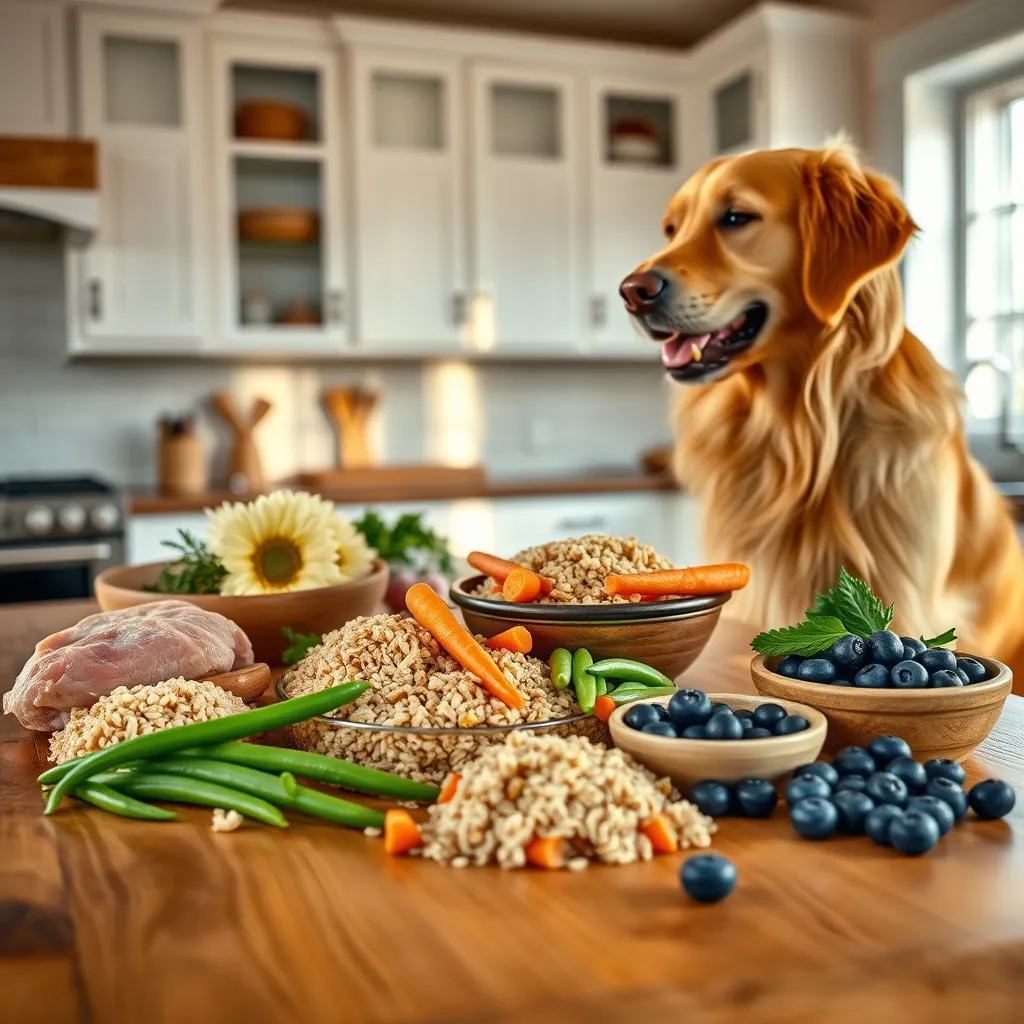
Over the past decade, I have watched a dramatic shift among the dog owners I work with. More families than ever are exploring homemade dog food recipes, and the reasons go well beyond trendy social media posts. Frequent kibble recalls, concerns about mysterious ingredients on commercial labels and a growing desire to control exactly what goes into a dog’s bowl have all fueled this movement.
According to a 2023 survey by the American Veterinary Medical Association, nearly 18% of dog owners reported preparing at least some of their pet’s meals at home. That number is up from just 8% in 2018. The appeal is understandable: when you cook for your dog, you choose the protein source, the vegetables and the fat content. You can also accommodate dogs with allergies, sensitivities or chronic health conditions that make finding a suitable commercial diet challenging.
But here is the part many well-meaning owners overlook. Cooking for your dog is not the same as cooking for yourself. Dogs have specific nutritional requirements that differ significantly from human needs. A meal that looks healthy to us can leave a dog deficient in calcium, zinc, vitamin D or essential fatty acids within just a few weeks. That is why every recipe in this article has been reviewed against veterinary nutritional guidelines, and I strongly recommend working with a board-certified veterinary nutritionist before making homemade food your dog’s primary diet.
Essential Nutrients Every Recipe Must Include
Before I share my favorite dog food recipes, you need to understand what makes a recipe nutritionally complete. The Association of American Feed Control Officials (AAFCO) sets the gold standard for canine nutritional profiles, and any recipe you use long-term should meet those benchmarks.
| Nutrient | Role in Your Dog’s Body | Best Whole-Food Sources | Deficiency Risk |
|---|---|---|---|
| Protein | Muscle maintenance, immune function, enzyme production | Chicken, beef, turkey, fish, eggs | Muscle wasting, poor coat quality |
| Calcium | Bone strength, nerve signaling, blood clotting | Ground eggshell, bone meal supplement | Fractures, dental problems, heart issues |
| Omega-3 fatty acids | Skin health, anti-inflammatory support, brain function | Salmon, sardines, fish oil | Dry skin, excessive shedding, joint pain |
| Vitamin D | Calcium absorption, bone health | Fatty fish, liver, egg yolks | Rickets, weakened bones |
| Zinc | Skin integrity, wound healing, thyroid function | Red meat, pumpkin seeds, liver | Crusty skin lesions, hair loss |
| B vitamins | Energy metabolism, red blood cell production | Organ meats, eggs, leafy greens | Lethargy, anemia, poor appetite |
The single most common deficiency I see in homemade diets is calcium. Meat is naturally very low in calcium relative to phosphorus. Without a proper calcium source, your dog’s body will begin pulling calcium from its own bones. Over time, this leads to serious skeletal problems. Adding ½ teaspoon of finely ground eggshell per pound of food is a simple, vet-approved solution. Alternatively, you can use a calcium carbonate supplement dosed by your veterinarian.
I also recommend adding a comprehensive canine multivitamin and mineral supplement to any homemade recipe. Brands like Balance IT or JustFoodForDogs DIY Nutrient Blend are formulated specifically for this purpose and are often recommended by veterinary nutritionists. If your dog has digestive sensitivities, a supplement with added probiotics can also be helpful.
Classic Chicken and Rice Dog Food Recipe
This is the recipe I recommend most often to first-timers. It is simple, affordable and extremely well tolerated by most dogs. Chicken and rice is also a staple bland diet that veterinarians prescribe for upset stomachs, so you may already be familiar with a version of it.
Ingredients
- 2 pounds boneless, skinless chicken thighs (thighs have more fat and flavor than breasts)
- 1½ cups long-grain brown rice
- 1 cup chopped carrots
- 1 cup chopped green beans
- ½ cup frozen peas
- 2 tablespoons olive oil or coconut oil
- 1 teaspoon finely ground eggshell (or calcium supplement per vet’s direction)
- Canine multivitamin supplement (dosed per product label)
Instructions
- Cook the brown rice according to package directions and set aside.
- Place the chicken thighs in a large pot and cover with water. Bring to a boil, then reduce heat and simmer for 20 to 25 minutes until the internal temperature reaches 165°F.
- Remove the chicken, let it cool slightly, then shred or chop into small pieces. Reserve about 1 cup of the cooking broth.
- Steam or boil the carrots and green beans until tender, about 8 to 10 minutes. Add the frozen peas in the last 2 minutes.
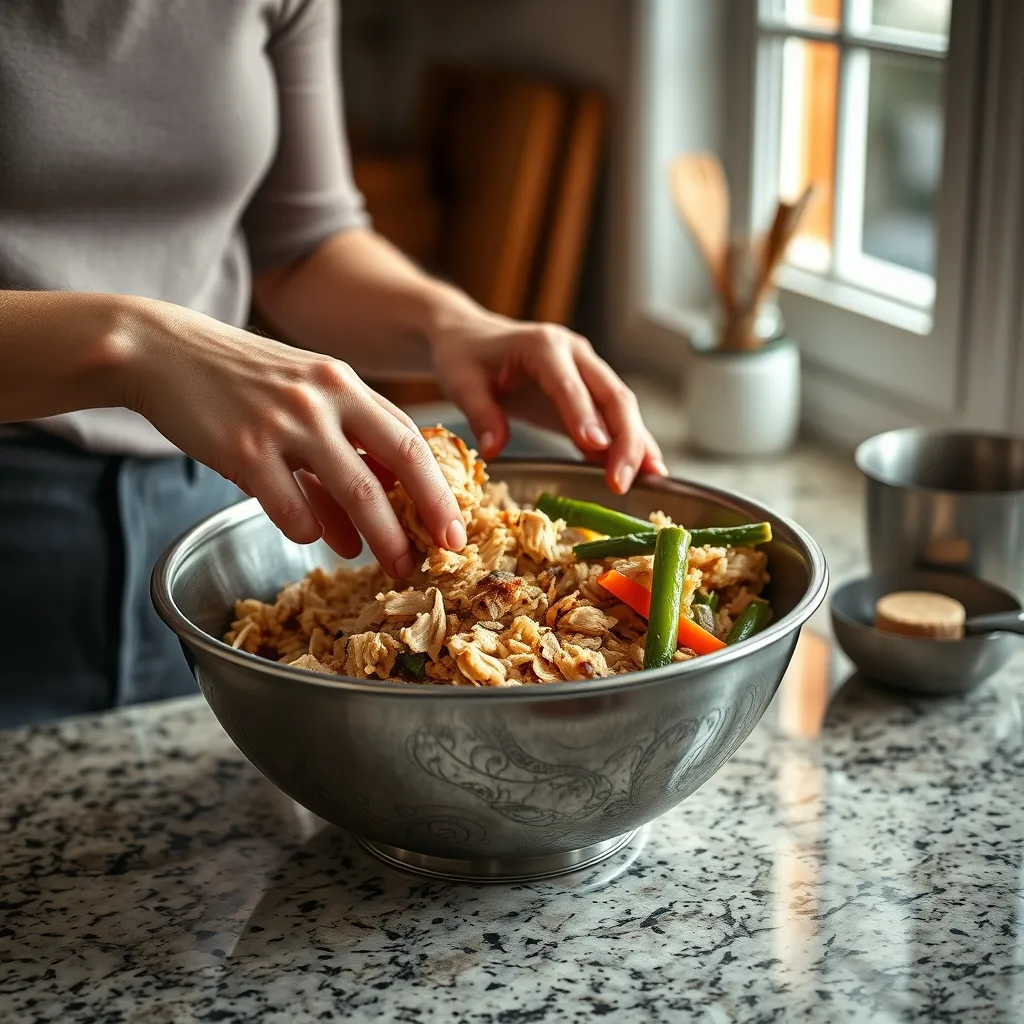
- Combine the shredded chicken, cooked rice, vegetables, olive oil and reserved broth in a large bowl. Mix thoroughly.
- Let the mixture cool to room temperature, then stir in the ground eggshell and multivitamin supplement.
This recipe yields approximately 6 to 7 cups of food. For a 30-pound adult dog with moderate activity, plan to serve roughly 1½ cups per day, split between two meals. Adjust portions based on your dog’s weight, age and activity level, and always confirm serving sizes with your vet.
Beef and Vegetable Dog Food Recipe
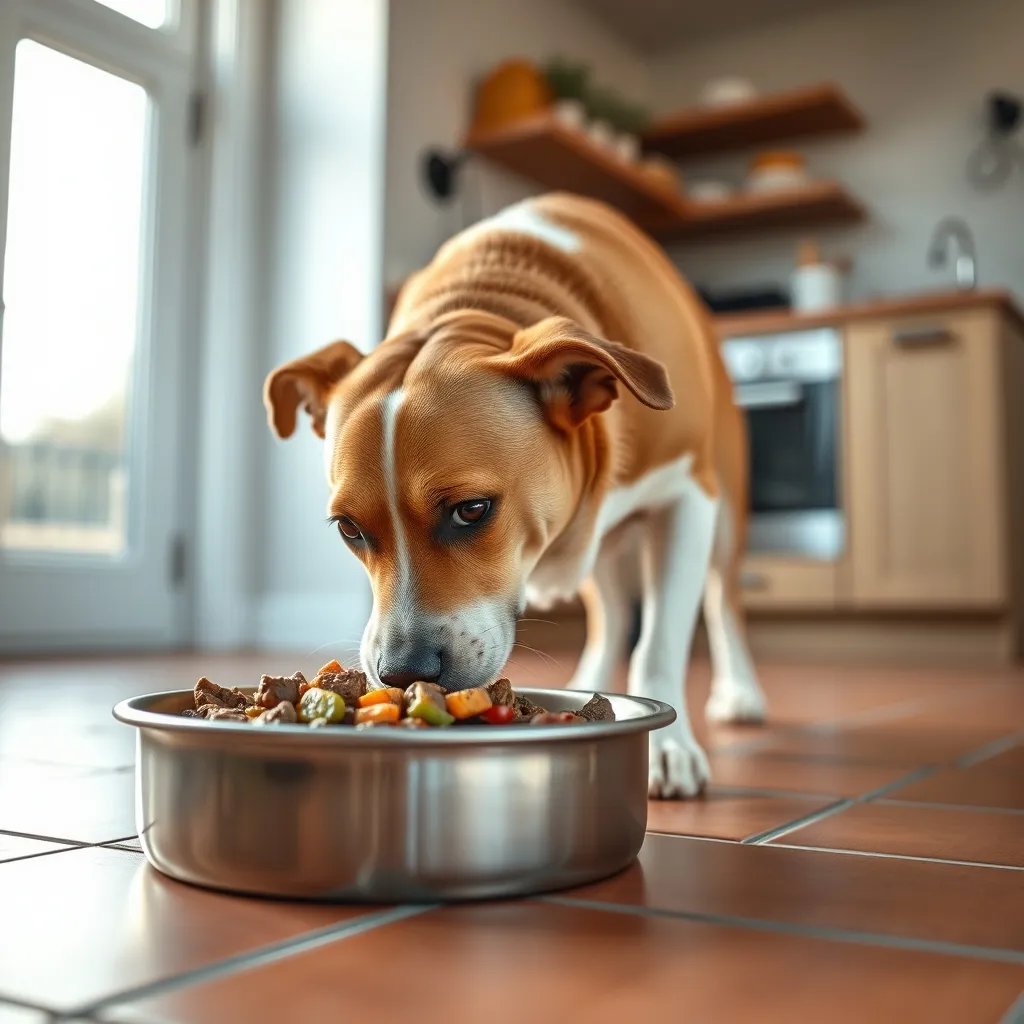
If your dog thrives on red meat or you want to rotate protein sources (which I always encourage for variety and broader nutrient coverage), this beef-based recipe is excellent. It is particularly good for active dogs or those who need to gain a little weight, because ground beef provides more calories per ounce than poultry.
Ingredients
- 2 pounds lean ground beef (90/10 or 85/15)
- 2 cups chopped butternut squash
- 1 cup chopped spinach
- 1 cup cooked quinoa or white rice
- ½ cup blueberries
- 1 tablespoon fish oil
- 1 teaspoon ground eggshell
- Canine multivitamin supplement
Instructions
- Brown the ground beef in a large skillet over medium heat, breaking it into small pieces. Drain excess fat but leave a small amount for flavor and essential fatty acids.
- Roast or steam the butternut squash until fork-tender, about 15 to 20 minutes.
- Lightly steam the spinach for 2 to 3 minutes. Raw spinach is harder for dogs to digest, and light cooking makes the nutrients more bioavailable.
- Cook the quinoa or rice according to package directions.
- Combine everything in a large mixing bowl. Add the blueberries, fish oil, ground eggshell and multivitamin. Mix well.
Blueberries are one of my favorite additions to dog food recipes because they are packed with antioxidants and most dogs love the taste. This recipe makes roughly 7 to 8 cups and stores beautifully in the fridge or freezer.
If your dog is recovering from illness or just seems low on energy, proper nutrition is as foundational as knowing your dog first aid basics. Good food fuels good health.
Turkey and Sweet Potato Dog Food Recipe
Turkey is a leaner protein option that works wonderfully for dogs who need to manage their weight without sacrificing taste. Sweet potatoes are an excellent complex carbohydrate source, rich in beta-carotene, fiber and vitamin A. Together, they make one of the most palatable dog food recipes I have ever tested.
Ingredients
- 2 pounds ground turkey (93% lean or higher)
- 2 medium sweet potatoes, peeled and cubed
- 1 cup chopped zucchini
- ½ cup chopped broccoli florets
- 1 tablespoon olive oil
- ½ teaspoon dried turmeric (anti-inflammatory properties)
- 1 teaspoon ground eggshell
- Canine multivitamin supplement
Instructions
- Boil or steam the sweet potato cubes until soft, about 12 to 15 minutes. Drain and mash lightly.
- Brown the ground turkey in a large skillet, breaking it into small pieces.
- Steam the zucchini and broccoli until just tender, about 5 to 7 minutes. Overcooking destroys vitamins, so err on the side of slightly firm.
- Combine all cooked ingredients. Stir in the olive oil, turmeric, ground eggshell and supplement.
Turmeric is a safe and beneficial spice for dogs when used in small amounts. Studies suggest it can help with joint inflammation and oxidative stress. However, it should be introduced gradually. If your dog has never had turmeric before, start with just a pinch and observe for any digestive changes over 48 hours.
This recipe yields about 6 cups. For puppies, keep in mind that growing dogs have different caloric and nutritional needs. Always follow your vet’s feeding guidelines, and make sure your puppy is up to date on their vaccination schedule before introducing new dietary changes.
Grain-Free Fish and Pumpkin Recipe
Fish-based dog food recipes are fantastic for dogs with chicken or beef sensitivities. Salmon and white fish are loaded with omega-3 fatty acids, which support coat health, reduce inflammation and promote brain function. This grain-free version uses pumpkin and sweet potato as the carbohydrate base.
Ingredients
- 2 pounds wild-caught salmon or cod fillets (boneless, skinless)
- 1 cup canned pure pumpkin (not pumpkin pie filling)
- 1 large sweet potato, peeled and cubed
- 1 cup chopped kale or spinach
- ½ cup chopped celery
- 1 tablespoon coconut oil
- 1 teaspoon ground eggshell
- Canine multivitamin supplement
Instructions
- Bake the fish at 375°F for 15 to 18 minutes until it flakes easily with a fork. Check carefully for any small bones and remove them.
- Boil or steam the sweet potato cubes until tender.
- Lightly steam the kale or spinach and celery.
- Flake the cooked fish into a large bowl. Add the sweet potato, pumpkin, steamed vegetables and coconut oil.
- Once cooled, mix in the ground eggshell and multivitamin.
A word of caution about grain-free diets: the FDA has been investigating a potential link between grain-free diets and dilated cardiomyopathy (DCM) in dogs. While the research is ongoing and no definitive causal relationship has been established, I recommend using grain-free recipes as part of a rotation rather than as the sole diet. If your dog does not have a diagnosed grain allergy, including grains like brown rice or oats in some meals is perfectly healthy and may even be preferable.
How to Store and Serve Homemade Dog Food Safely
Food safety is just as important for your dog as it is for your family. I have seen owners put in all the effort of cooking beautiful homemade meals only to store them improperly, leading to bacterial growth and upset stomachs.
Here are my storage guidelines:
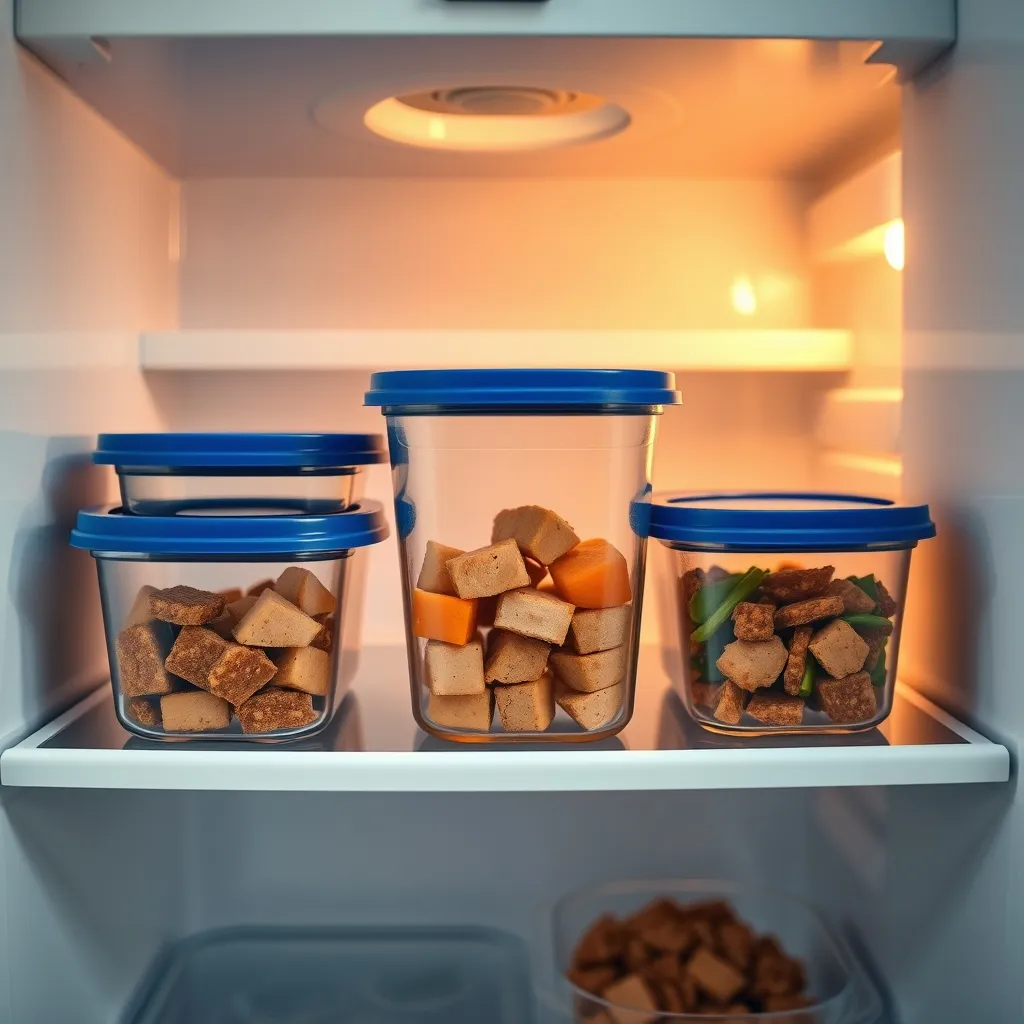
- Refrigerator: Store in airtight containers for up to 5 days. Glass containers are ideal because they do not absorb odors.
- Freezer: Portion meals into individual servings and freeze for up to 3 months. I like using silicone muffin molds or ice cube trays for smaller dogs.
- Thawing: Move frozen portions to the refrigerator 12 to 24 hours before serving. Never microwave dog food, as it creates hot spots that can burn your dog’s mouth and may destroy heat-sensitive nutrients.
- Serving temperature: Aim for room temperature or slightly warm. You can add a splash of warm water or low-sodium broth to take the chill off refrigerated food.
When preparing meals in bulk, always add supplements after the food has cooled. Heat can degrade vitamins and minerals, making your carefully balanced recipe less effective. If you are meal prepping for the week, I recommend adding the multivitamin and eggshell to each individual portion at serving time rather than to the entire batch.
If you are traveling with your dog, pack pre-portioned frozen meals in an insulated bag with ice packs. They will thaw slowly during transit and be ready to serve when you arrive.
Common Mistakes to Avoid With Homemade Dog Food
In my years working with dog owners who prepare homemade meals, I have seen the same mistakes come up repeatedly. Avoiding these pitfalls will keep your dog food recipes safe and nutritionally sound.
1. Skipping the calcium supplement. I cannot stress this enough. Meat-based meals without added calcium will create a dangerous calcium-to-phosphorus imbalance. Over months, this causes irreversible bone damage, particularly in growing puppies.
2. Using toxic ingredients. The ASPCA’s list of foods toxic to dogs should be taped to your refrigerator if you cook for your pet. Onions, garlic, grapes, raisins, xylitol, chocolate and macadamia nuts are all dangerous. Even small amounts of some of these can cause organ failure.
3. Relying on a single recipe forever. No single recipe can provide every nutrient your dog needs over a lifetime. Rotating between 2 to 3 different protein sources and vegetable combinations helps fill nutritional gaps and prevents the development of food sensitivities.
4. Not measuring portions. “Eyeballing” portions leads to overfeeding or underfeeding. Use a kitchen scale or measuring cups consistently. If your dog starts gaining weight, reduce portions by 10 to 15% and reassess after two weeks.
5. Ignoring your vet. Annual bloodwork can catch nutritional deficiencies before they become clinical problems. At a minimum, schedule a nutrition-focused check-up every 6 months when feeding a homemade diet.
Dogs with behavioral issues like excessive barking sometimes see improvements once their nutrition is optimized. Diet and behavior are more connected than most owners realize. A dog that is nutritionally stressed may display increased anxiety, reactivity or restlessness.
Transitioning Your Dog to Homemade Meals
Switching from commercial kibble to homemade food should be a gradual process over 7 to 10 days. A sudden change in diet almost always causes digestive upset, including diarrhea, vomiting or gas. Here is the transition schedule I recommend to my clients:
- Days 1 to 3: Mix 25% homemade food with 75% current food
- Days 4 to 6: Mix 50% homemade with 50% current food
- Days 7 to 9: Mix 75% homemade with 25% current food
- Day 10 onward: 100% homemade food
During the transition, monitor your dog’s stool closely. Firm, well-formed stools indicate good digestion. Loose stools suggest you may need to slow the transition or adjust the recipe. Adding a tablespoon of plain canned pumpkin can help firm things up.
Keep in mind that dogs who have spent their entire lives on kibble may initially be hesitant about the new texture and smell. Do not panic if your dog sniffs and walks away the first time. Warming the food slightly can release more aroma and make it more appealing. Most dogs become enthusiastic eaters within a few days.
If your dog is crate trained, feeding meals inside the crate can create a positive association with both the new food and the crate itself. It is a small trick that accomplishes two goals at once.
For puppies under 12 months, I strongly advise against going fully homemade without a veterinary nutritionist’s guidance. Growing puppies need precise nutrient ratios to support bone development, and getting this wrong can have lifelong consequences. Most vets recommend sticking with a high-quality commercial puppy food and supplementing with small amounts of homemade food as toppers until the dog reaches skeletal maturity.
Finally, do not forget about dental health. One trade-off with soft homemade food is that it does not provide the mechanical scrubbing action of kibble or dental chews. Make sure you are maintaining a dental care routine, whether that is brushing, dental chews or regular veterinary cleanings. And while you are keeping your dog clean and healthy, it never hurts to review the proper way to bathe your dog as well.
Key Points
- Always add a calcium supplement or ½ teaspoon of ground eggshell per pound of food to every homemade recipe
- Rotate between 2 to 3 protein sources weekly to provide broader nutritional coverage
- Transition from kibble to homemade food gradually over 7 to 10 days to prevent digestive upset
- Schedule bloodwork every 6 months to catch nutritional deficiencies early when feeding homemade diets
- Add supplements after the food has cooled to preserve vitamin and mineral potency
Frequently Asked Questions
What do vets recommend for homemade dog food?
Most veterinarians recommend that homemade dog food includes a high-quality animal protein (chicken, beef, turkey or fish), a complex carbohydrate (brown rice, sweet potato or quinoa), vegetables for fiber and micronutrients, a healthy fat source and a calcium supplement. They also strongly recommend adding a canine-specific multivitamin and consulting with a board-certified veterinary nutritionist to ensure the diet meets AAFCO nutritional guidelines for your dog’s life stage.
The top three ingredients should be a named animal protein source (such as chicken, beef or salmon, not vague “meat meal”), a whole-grain or starchy carbohydrate (like brown rice, sweet potato or oats) and a nutrient-dense vegetable (such as carrots, spinach or green beans). This combination provides the protein, energy and micronutrients that form the foundation of a balanced canine diet.What should the top 3 ingredients be in dog food?
Yes, you can feed your dog homemade food daily, but only if the recipes are nutritionally complete and balanced. This means they must include all essential vitamins, minerals, fatty acids and amino acids in the correct proportions. Most homemade recipes need a calcium supplement and a canine multivitamin to meet daily requirements. Without these additions, feeding homemade food exclusively can lead to serious nutritional deficiencies within weeks to months.Can I feed my dog homemade food every day?
As a general guideline, most adult dogs need roughly 2 to 3% of their body weight in homemade food per day. For example, a 30-pound dog would eat approximately 10 to 14 ounces daily, split between two meals. However, this varies based on age, breed, activity level and metabolism. Puppies, pregnant dogs and highly active dogs need significantly more. Your veterinarian can calculate the precise caloric requirement for your individual dog.How much homemade food should I feed my dog per day?
It depends on your current food and ingredient choices. Homemade dog food typically costs between $2 and $5 per day for a medium-sized dog, which is comparable to or slightly more expensive than premium commercial brands. However, it can be significantly cheaper than fresh commercial delivery services like The Farmer’s Dog or Ollie, which often run $6 to $12 per day. Buying ingredients in bulk, using seasonal vegetables and choosing more affordable protein cuts like chicken thighs can help reduce costs.Is homemade dog food cheaper than commercial dog food?
Several common kitchen ingredients are toxic to dogs and must never be included in homemade dog food recipes. These include onions, garlic, grapes, raisins, chocolate, xylitol (a sweetener found in many sugar-free products), macadamia nuts, avocado and cooked bones (which can splinter and cause internal injuries). Raw yeast dough, alcohol and large amounts of salt are also dangerous. When in doubt, check the ASPCA’s comprehensive list of toxic foods before adding any new ingredient.What homemade foods are dangerous for dogs?