
Key Takeaways
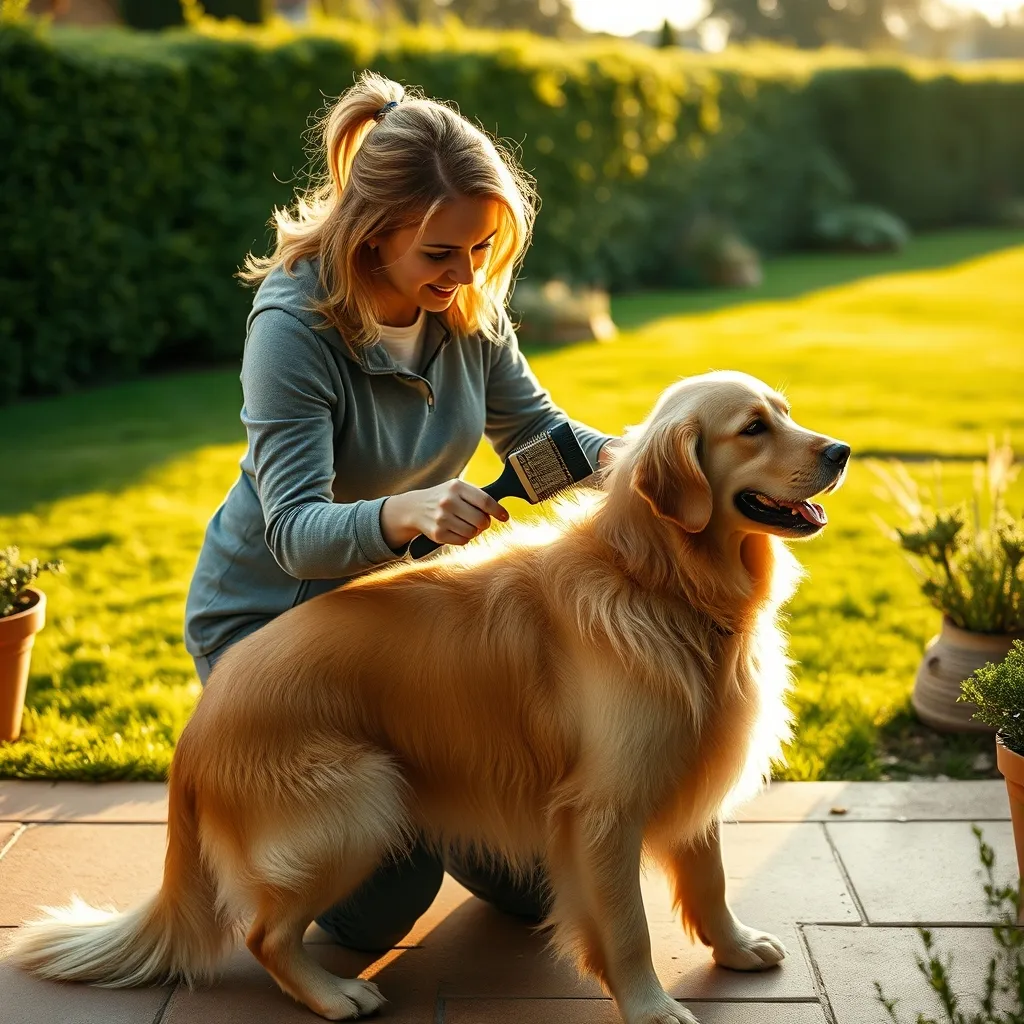
- Most dogs need their coat brushed at least once or twice a week, though long-coated and double-coated breeds often require daily sessions
- The slicker brush is the single most versatile tool and suits roughly 80 per cent of coat types when used with the correct pressure
- Double-coated breeds such as Huskies and German Shepherds shed heavily twice a year during coat blow and benefit from an undercoat rake during those periods
- Wire or broken coats found on terriers need a stripping knife or stripping stone rather than a standard bristle brush to maintain proper texture
- Brushing a completely dry coat without misting it first can cause static and micro-damage to the hair shaft, particularly on silky and long coats
- Puppies should be introduced to brushing from eight weeks old using short, positive sessions paired with treats to build a lifetime of cooperative grooming
In This Guide
I have worked with hundreds of dogs over the past decade, and one of the questions I hear most often from new owners is how frequently they should brush their dog’s coat and which brush to use. It sounds simple, yet using the wrong tool or the wrong technique can turn a routine grooming session into a stressful ordeal for both you and your dog. In this guide, I will walk you through every coat type, the brushes designed for each, and how often you really need to pick up that brush.
Why Regular Brushing Matters
Brushing is not purely cosmetic. Every stroke distributes natural oils from the skin along the hair shaft, which keeps the coat shiny and provides a protective barrier against moisture and dirt. Without regular brushing, those oils build up at the root while the ends become dry and brittle.
On a practical level, brushing removes dead hair before it ends up on your sofa, reduces the risk of matting and helps you spot early signs of skin problems, lumps or parasites. According to the PDSA’s grooming guidance, regular coat care is an essential part of preventive health and should begin as soon as you bring a puppy home. If you are already managing a parasite prevention programme, brushing sessions are the perfect time to check for fleas and ticks hiding close to the skin.
Brushing also strengthens the bond between you and your dog. When it is done gently and paired with calm praise, grooming becomes a predictable routine that many dogs learn to enjoy. I often recommend it as part of a daily wind-down ritual for anxious dogs because the repetitive, low-pressure contact has a genuinely soothing effect.
Understanding Coat Types
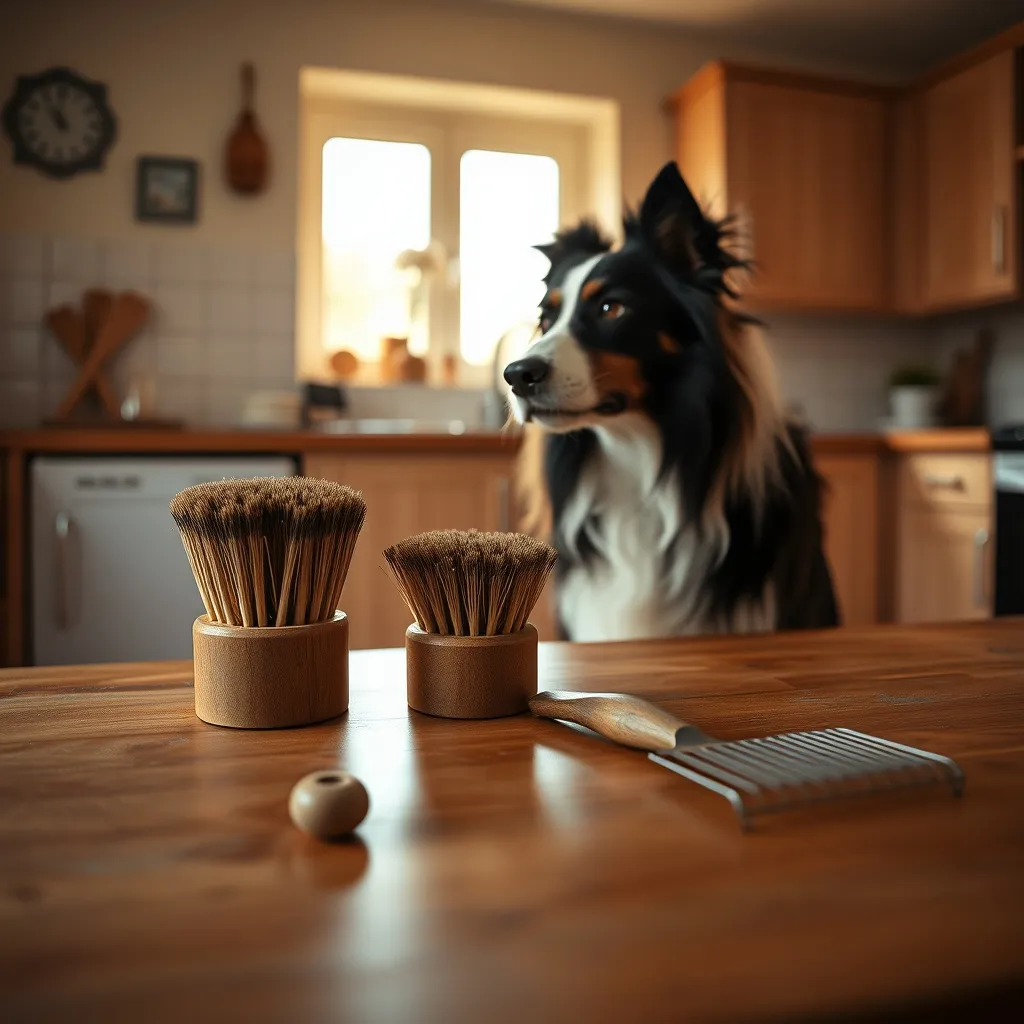
Before you buy any brush, you need to identify your dog’s coat type. Coat types are not simply “short” or “long”; they differ in texture, density and growth cycle. Here is a quick breakdown of the six main coat categories you will encounter:
- Smooth coat: Short, flat hair that lies close to the body. Breeds include Beagles, Dalmatians and Boxers.
- Double coat: A dense, insulating undercoat beneath a longer outer coat. Think Golden Retrievers, Siberian Huskies and Border Collies.
- Long coat: Hair that grows continuously and can reach several inches. Yorkshire Terriers, Shih Tzus and Maltese fall into this group.
- Wire or broken coat: Coarse, bristly hair with a softer undercoat. Common in many terrier breeds such as the Wire Fox Terrier and Airedale.
- Curly coat: Tight curls or waves that trap shed hair within the coat. Poodles, Bichon Frises and Portuguese Water Dogs are classic examples. Many of these are considered hypoallergenic breeds because they shed very little into the environment.
- Silky coat: Fine, glossy hair with little to no undercoat. Irish Setters, Afghan Hounds and Cocker Spaniels have silky coats that tangle easily.
Knowing which category your dog falls into determines both the brush you need and how often you should use it. If your dog is a mixed breed, look at the dominant coat characteristics rather than trying to guess a single breed label.
Choosing the Right Brush for Your Dog
Walk into any pet shop and you will see dozens of grooming tools. It can feel overwhelming, but most owners only need two or three tools at most. Here is what each type of brush does and which coats it suits:
Slicker brush: This rectangular brush with fine, slightly bent wire pins is the workhorse of dog grooming. It detangles, removes loose undercoat and smooths the topcoat. I recommend it for double-coated, long-coated, curly-coated and silky-coated breeds. Use light pressure to avoid scratching the skin, a technique groomers call “line brushing.”
Bristle brush: Made with natural or synthetic bristles, this brush is ideal for smooth-coated breeds. It removes surface debris, distributes oils and adds shine. It will not penetrate a thick undercoat, so it is not suitable as the primary tool for double-coated dogs.
Pin brush: Similar in shape to a human paddle brush with rounded metal pins. It works well on medium to long coats for everyday maintenance but does not detangle mats as effectively as a slicker.
Undercoat rake: A tool with long, widely spaced teeth designed to reach through the topcoat and pull out loose undercoat. Essential during seasonal shedding in breeds like the Alaskan Malamute or Chow Chow.
Stripping knife: Used on wire-coated terrier breeds to pull out dead outer hair and maintain the coat’s characteristic rough texture. As the Kennel Club’s grooming advice notes, hand stripping preserves the correct coat texture that clipping would soften.
Deshedding tool: A specialised blade that reaches beneath the topcoat to grab loose undercoat. Useful during heavy shedding, but overuse can thin the coat or irritate the skin. Limit sessions to 15 to 20 minutes and stop as soon as you are pulling mostly topcoat.
Comb: A fine-toothed metal comb is not a brush replacement but a finishing tool. Run it through the coat after brushing to check for remaining tangles. If the comb glides through without snagging, you have done a thorough job.
| Coat Type | Primary Brush | Secondary Tool | Brushing Frequency |
|---|---|---|---|
| Smooth (Beagle, Boxer) | Bristle brush | Rubber curry brush | Once a week |
| Double (Husky, Golden Retriever) | Slicker brush | Undercoat rake | 2–3 times a week; daily during coat blow |
| Long (Shih Tzu, Maltese) | Slicker brush | Metal comb | Daily |
| Wire/Broken (Airedale, Schnauzer) | Slicker brush | Stripping knife | 2–3 times a week |
| Curly (Poodle, Bichon Frise) | Slicker brush | Metal comb | Every other day to daily |
| Silky (Irish Setter, Cocker Spaniel) | Pin brush or slicker | Metal comb | 3–4 times a week |
Brushing Frequency by Breed Group
The table above gives a snapshot, but let me go deeper into the nuances by breed group so you can tailor a routine that truly works for your dog.
Smooth-Coated Breeds
Dogs like Whippets, Dachshunds and French Bulldogs have the most low-maintenance coats. A weekly session of five to ten minutes with a bristle brush or rubber curry mitt is usually enough. Even though they shed, their short hair rarely tangles. The rubber curry brush is particularly effective because the nubs grip loose hair while massaging the skin, which most smooth-coated dogs absolutely love.
Double-Coated Breeds
This is the group where owners most commonly underestimate grooming needs. German Shepherds, Labrador Retrievers and Bernese Mountain Dogs all have thick undercoats that shed year-round and “blow” heavily in spring and autumn. Outside of shedding season, aim for two to three brushing sessions per week. During a coat blow, daily brushing with an undercoat rake followed by a slicker brush prevents the loose undercoat from compacting into dense mats against the skin. If you are considering a double-coated breed as a first-time owner, factor this grooming commitment into your decision.
Long-Coated Breeds
Yorkshire Terriers, Lhasa Apsos and Afghan Hounds have hair that grows continuously, much like human hair. Without daily brushing, mats form quickly, especially behind the ears, in the armpits and around the collar area. I recommend misting the coat lightly with water or a leave-in conditioner before brushing to reduce static and breakage. Line brush in sections, starting at the feet and working upward.
Wire-Coated Breeds
Wire coats need a combination of slicker brushing two to three times a week and periodic hand stripping every six to eight weeks. Many owners opt to have their wire-coated dogs clipped instead, which is perfectly fine for pet dogs, though it does change the coat’s colour and texture over time.
Curly-Coated Breeds
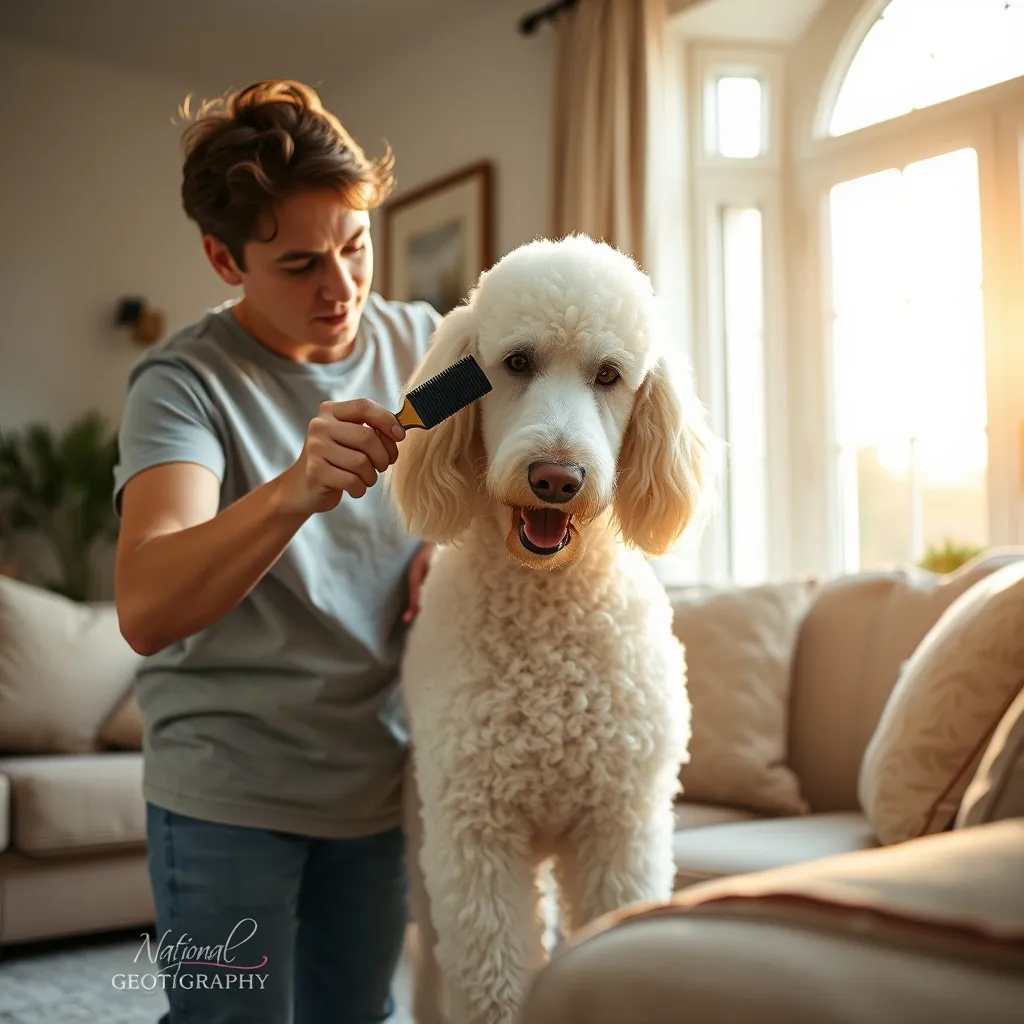
Poodle coats and poodle-cross coats are among the most grooming-intensive. Because shed hair gets trapped in the curls, matting can develop within days if brushing is skipped. Brush every other day at minimum, using a slicker brush in small sections, and follow with a metal comb to catch any tangles you missed. Pairing regular brushing with an appropriate bathing routine keeps curly coats in their best condition.
Silky-Coated Breeds
Silky coats look stunning when maintained but are prone to tangling around feathering on the legs, chest and ears. Aim for three to four sessions a week with a pin brush or soft slicker, finishing with a fine comb through the feathered areas. Always brush before bathing, as water tightens existing tangles and makes them much harder to remove.
How to Brush Your Dog Correctly
Owning the right brush is only half the equation. Technique matters just as much. Here is my step-by-step approach that I teach in every grooming workshop:
- Set the scene. Choose a quiet area with good lighting. Place a non-slip mat on the surface if you are using a table, or sit on the floor with your dog if that feels more comfortable. Have treats within reach.
- Mist the coat. Unless your dog has a smooth coat, lightly mist the hair with plain water or a detangling spray. Brushing a bone-dry coat, particularly a long or silky one, creates friction that damages the hair cuticle.
- Start low and work up. Begin at the paws and brush upward in sections. This “line brushing” method ensures you reach all the way to the skin rather than just skimming the surface.
- Use gentle, short strokes. Let the brush do the work. If you hit a tangle, hold the hair between the tangle and the skin with your free hand so you are not pulling against the dog’s skin. Work the tangle from the tip inward.
- Check sensitive areas. The armpits, groin, behind the ears and under the collar are mat hotspots. These areas need attention every session.
- Finish with a comb. Run a metal comb through the coat as a final check. If it glides through without catching, you are done.
- Reward your dog. End with a treat or a brief play session so brushing always finishes on a positive note.
Understanding your dog’s body language during grooming is crucial. If your dog freezes, lip-licks repeatedly or tries to move away, you may be pressing too hard, brushing a sore spot or simply moving too fast. Slow down, reduce pressure and take a break if needed.
Common Brushing Mistakes to Avoid
After years of coaching owners through grooming sessions, I have seen the same errors come up again and again. Here are the ones I want you to watch for:
Surface brushing only. The most common mistake by far. If you only brush the top layer of the coat, loose undercoat builds up beneath and forms a dense mat against the skin. This is uncomfortable for the dog and can lead to skin irritation, hot spots and even secondary skin infections. Always part the coat and brush in sections down to the skin.
Using too much pressure. A slicker brush has fine wire pins. Pressing hard can scratch or “slicker burn” the skin, leaving red, irritated patches. If you can hear the pins scraping, you are pressing too hard. The weight of the brush itself should provide enough pressure.
Brushing only before a bath. While it is important to detangle before bathing, waiting until bath day to brush means tangles have had days or weeks to tighten. Stick to a consistent schedule between baths.
Ignoring the undercoat. Owners of double-coated breeds sometimes focus entirely on the shiny outer coat and neglect the fluffy undercoat beneath. An undercoat rake should be part of your toolkit if your dog has a dense underlayer.
Skipping grooming in winter. Some owners brush less during colder months because the dog is not shedding as heavily. However, indoor heating dries the coat, and winter jumpers or coats can cause friction mats. Maintain your regular schedule year-round.
Forcing through mats. If a mat is too tight to brush out comfortably, do not yank at it. Use a mat splitter to break it into smaller sections, or, if it is close to the skin, carefully clip it out with blunt-tipped scissors or visit a groomer. Forcing through mats is painful and teaches your dog to dread grooming.
Introducing Puppies to Brushing
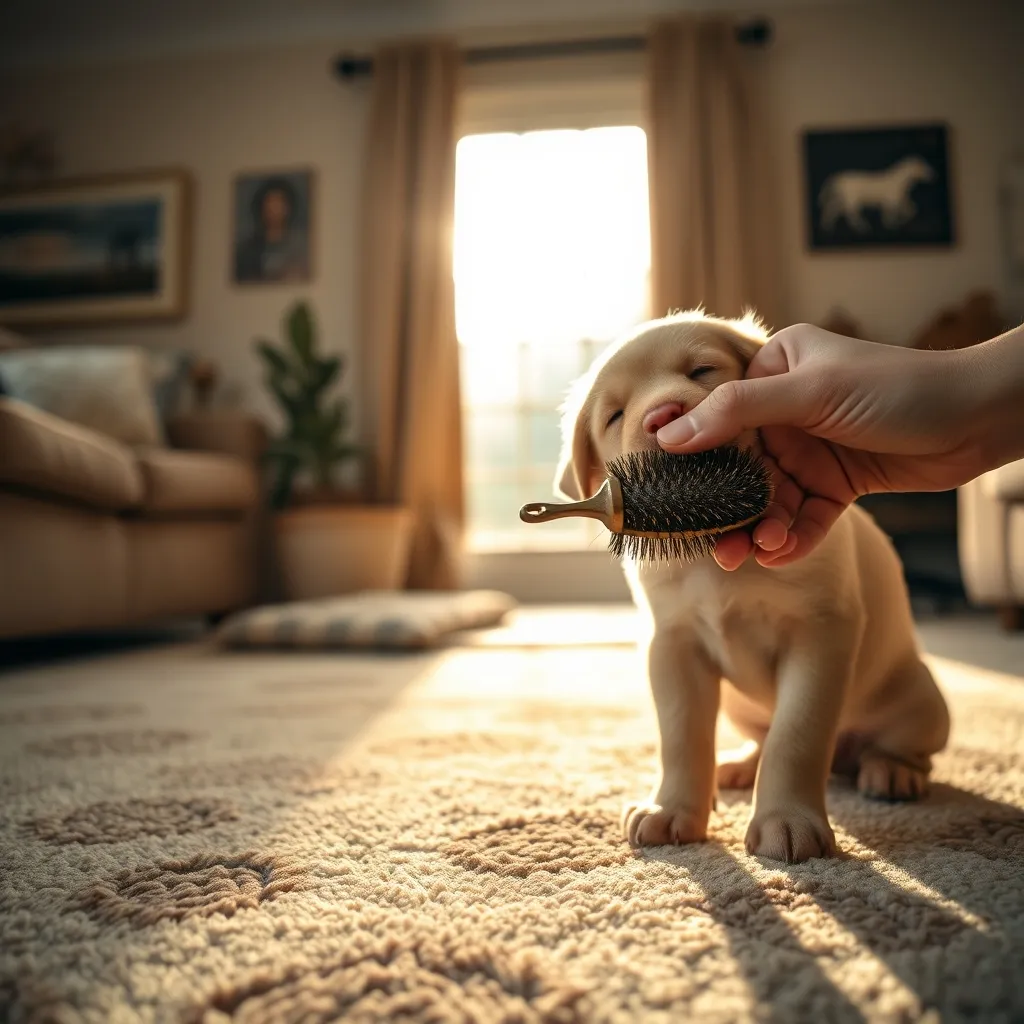
Early socialisation to grooming tools makes a world of difference. I start grooming desensitisation in my puppy classes from eight weeks old, and the process is straightforward:
- Week one: Simply let the puppy sniff the brush. Reward with a tiny treat for any calm interaction.
- Week two: Gently stroke the puppy’s back with the brush (turned over so the pins do not touch the skin). Pair each stroke with a treat.
- Week three: Begin short brushing sessions of 30 to 60 seconds with the correct side of the brush, rewarding throughout.
- Week four onwards: Gradually extend session length. Introduce touching paws, ears and the belly area with the brush.
This gradual approach follows the same force-free principles I use for crate training and nail trimming. The goal is to build a positive emotional association with the brush so your puppy actively cooperates rather than merely tolerates grooming.
If your puppy is going through the teething phase, they may be extra mouthy during grooming. Redirect chewing to a frozen washcloth or chew toy and keep sessions brief until the worst of the teething discomfort passes.
When to See a Professional Groomer
Home brushing is essential, but some tasks are best left to a professional. Consider booking a groomer in the following situations:
- Severe matting: If mats cover large areas or are tight against the skin, a professional can safely clip them without injuring your dog. According to the Blue Cross grooming guidance, severely matted coats may need to be clipped short and regrown, which is best handled by a trained groomer.
- Breed-specific styling: Breeds like Poodles, Bichon Frises and Bedlington Terriers have specific clips that require skill and the right equipment.
- Hand stripping: Wire-coated breeds that need proper hand stripping benefit from a groomer experienced in the technique, especially if you are new to it.
- Anxious or reactive dogs: If your dog shows signs of fear-based reactivity during grooming, a force-free groomer can work at the dog’s pace and use desensitisation protocols.
- Health concerns: Dogs with skin conditions, injuries or mobility issues may need a groomer who can adapt the process. Always inform the groomer of any health issues before the appointment.
Even if you use a professional groomer every six to eight weeks, daily or weekly maintenance brushing at home between appointments is still non-negotiable. A groomer visit is not a substitute for regular coat care; it is a complement to it.
For dogs who find grooming stressful, providing a favourite enrichment toy such as a lick mat smeared with peanut butter can make both home and professional sessions much smoother.
Key Points
- Identify your dog’s coat type first, then choose a slicker brush, bristle brush or undercoat rake accordingly
- Brush down to the skin in sections rather than skimming the surface to prevent hidden mats
- Mist long, silky and curly coats with water or detangling spray before every session to prevent hair damage
- Introduce puppies to the brush from eight weeks old using treats and very short sessions
- Book a professional groomer for severe matting, breed-specific clips or if your dog shows signs of stress during home grooming
Frequently Asked Questions
How often should you brush a dog’s coat?
It depends on the coat type. Smooth-coated breeds like Beagles need brushing once a week. Double-coated breeds such as Golden Retrievers benefit from two to three sessions per week, increasing to daily during seasonal shedding. Long-coated and curly-coated breeds generally require daily brushing to prevent mats from forming.
A slicker brush paired with an undercoat rake is the most effective combination for double-coated breeds. Use the undercoat rake to remove loose undercoat first, then follow with the slicker brush to smooth the topcoat and catch remaining loose hair. During heavy shedding periods, a deshedding tool can also help, but limit use to 15 to 20 minutes per session.What is the best brush for a dog with a double coat?
Always brush before bathing. Water tightens existing tangles and can turn minor knots into solid mats that are painful to remove. A thorough brush before the bath ensures shampoo and conditioner reach the skin evenly and rinse out completely. After the bath, you can do a light brush-through once the coat is mostly dry.Should you brush a dog before or after bathing?
Yes. Excessive brushing, particularly with wire-pinned tools like slicker brushes or deshedding blades, can irritate the skin, cause “slicker burn” and thin the coat. Stick to the recommended frequency for your dog’s coat type and stop each session once the comb glides through the coat smoothly. If the skin looks pink or your dog flinches, you have either brushed too long or pressed too hard.Can you over-brush a dog?
Breeds with continuously growing, curly or corded coats tend to be the most grooming-intensive. Poodles, Komondors and Afghan Hounds are frequently cited as among the most challenging. Poodles require regular professional clipping and daily brushing to prevent matting, while Komondor cords must be carefully separated by hand to avoid felting. The difficulty is manageable with a consistent routine, but these breeds are not ideal for owners who want minimal grooming.What is the hardest breed of dog to groom?
A human brush will not effectively penetrate a dog’s coat, especially if there is an undercoat. The bristles are typically too soft and too widely spaced to detangle or remove loose fur. While it will not harm your dog, it will not do the job properly either. Invest in a purpose-built dog brush suited to your dog’s specific coat type for the best results.Is it okay to use a human hairbrush on a dog?