
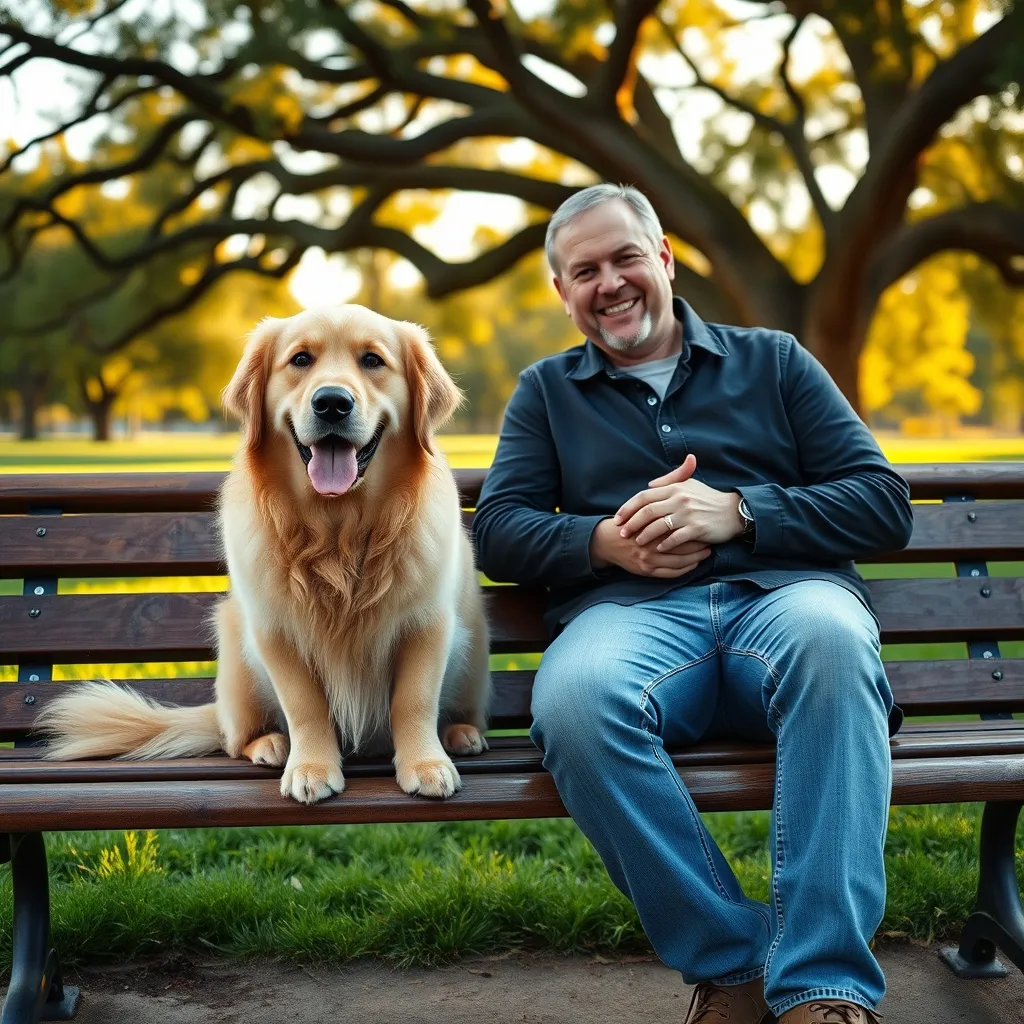
Over the past decade, I have helped hundreds of first-time dog owners navigate the exciting (and sometimes overwhelming) journey of bringing a dog into their lives. The single question I hear more than any other is: which breed should I get? It is a fair question, and the answer matters more than most people realise. Choosing the right breed sets the foundation for a rewarding relationship, while picking the wrong one can lead to frustration, rehoming and heartbreak for both human and dog.
In this guide, I break down the best dog breeds for first time owners by size category, explain exactly what makes a breed beginner-friendly, and share the honest advice I give every new client who walks through my door in Austin.
Key Takeaways
- The Labrador Retriever, Golden Retriever and Cavalier King Charles Spaniel consistently rank among the most forgiving breeds for beginners
- First-time owners should prioritise breeds scoring high in trainability, sociability and adaptability rather than choosing on looks alone
- Small breeds are not automatically easier; some toy breeds have higher grooming or behavioural demands than medium-sized dogs
- Exercise needs range from 30 minutes to over 2 hours daily depending on breed, so matching energy level to your lifestyle is essential
- Adopting a mixed-breed dog from a shelter can be an excellent first-time choice when you assess the individual dog’s temperament rather than guessing genetics
- Breeds with strong guarding, herding or prey-drive instincts typically require experienced handling and are better suited to second or third-time owners
In This Guide
- Why Your First Dog Matters More Than You Think
- What Makes a Breed Beginner-Friendly
- Best Small Dog Breeds for First-Time Owners
- Best Medium Dog Breeds for First-Time Owners
- Best Large Dog Breeds for First-Time Owners
- Breeds First-Time Owners Should Approach With Caution
- How to Choose the Right Breed for Your Lifestyle
- Preparing Your Home for a New Dog
Why Your First Dog Matters More Than You Think
Your first dog shapes every expectation you will carry into future dog ownership. I have seen clients who started with an easy-going Labrador go on to confidently raise multiple dogs throughout their lives. I have also seen people whose first experience with a high-drive working breed left them swearing off dogs entirely. Neither outcome is the dog’s fault; it comes down to the match.
The American Kennel Club recognises over 200 breeds, each developed for a specific purpose. A Border Collie bred to herd sheep for 12 hours a day has fundamentally different needs from a Cavalier King Charles Spaniel bred to sit on a monarch’s lap. When first-time owners understand this history, they make dramatically better choices.
Beyond breed traits, your first dog teaches you how to read canine communication. Learning to interpret a wagging tail, a lip lick or a whale eye is a skill that develops over time. I always recommend reading up on dog body language before your new companion even arrives, because understanding what your dog is telling you prevents countless problems down the road.
What Makes a Breed Beginner-Friendly
Not every popular breed is a good starter dog. Through years of working with novice owners, I have identified five core traits that separate beginner-friendly breeds from those that demand more experience:
- Trainability: breeds that are eager to learn and responsive to positive reinforcement make the learning curve gentler for both parties
- Sociability: a dog that naturally gets along with strangers, children and other animals is far easier to manage in everyday life
- Adaptability: some breeds handle changes in routine, living space and environment with ease, while others become anxious or reactive
- Moderate energy: extremely high-energy dogs can overwhelm beginners who underestimate the exercise commitment
- Forgiving temperament: first-time owners will make mistakes. A forgiving breed bounces back from inconsistent training rather than developing behavioural issues
Grooming needs, health predispositions and average lifespan also factor in. A breed prone to expensive health conditions can catch a new owner off guard financially. I always encourage clients to research breed-specific health screening recommendations through resources like the Orthopedic Foundation for Animals database before committing.

Best Small Dog Breeds for First-Time Owners
Small breeds appeal to apartment dwellers and people with limited outdoor space. However, “small” does not always mean “easy.” Here are the small breeds I most often recommend to beginners:
Cavalier King Charles Spaniel
If I could design the perfect first dog from scratch, it would look a lot like a Cavalier. These dogs are gentle, affectionate and remarkably adaptable. They are happy on a long walk but equally content curling up on the sofa. Cavaliers get along beautifully with children and other pets, and their moderate exercise needs (around 40 to 60 minutes daily) suit most lifestyles. The main consideration is grooming: their silky coat needs regular brushing, and you should learn how to bathe a dog properly to keep their coat healthy.
Bichon Frise
The Bichon Frise is a cheerful, sturdy little dog that thrives on human companionship. Weighing just 5 to 8 kilograms, they are genuinely portable. Their curly coat is low-shedding, making them a solid option for people concerned about allergies (though no dog is truly hypoallergenic). You can explore more options in our guide to hypoallergenic dog breeds. Bichons do require professional grooming every 4 to 6 weeks, which is an ongoing cost to budget for.
Pug
Pugs have a well-earned reputation as clowns. They are social, playful and thrive in households where they receive plenty of attention. Their exercise needs are modest: 30 to 45 minutes of daily activity is usually sufficient. Be aware that Pugs are a brachycephalic (flat-faced) breed and can struggle in hot weather. They are also prone to weight gain, so portion control is critical. Our guide on how much to feed a dog can help you keep their weight in check.
Best Medium Dog Breeds for First-Time Owners
Medium-sized dogs often hit the sweet spot for first-time owners: big enough for outdoor adventures but manageable enough for everyday handling.
Cocker Spaniel
Both English and American Cocker Spaniels are eager to please, gentle and highly trainable. They were originally bred as hunting dogs, so they do need a solid 60 to 90 minutes of exercise daily, including mental stimulation. Cockers are people-oriented dogs that form strong bonds with their families. Their beautiful coats require consistent grooming, but many owners find the brushing routine to be a bonding experience.
Beagle
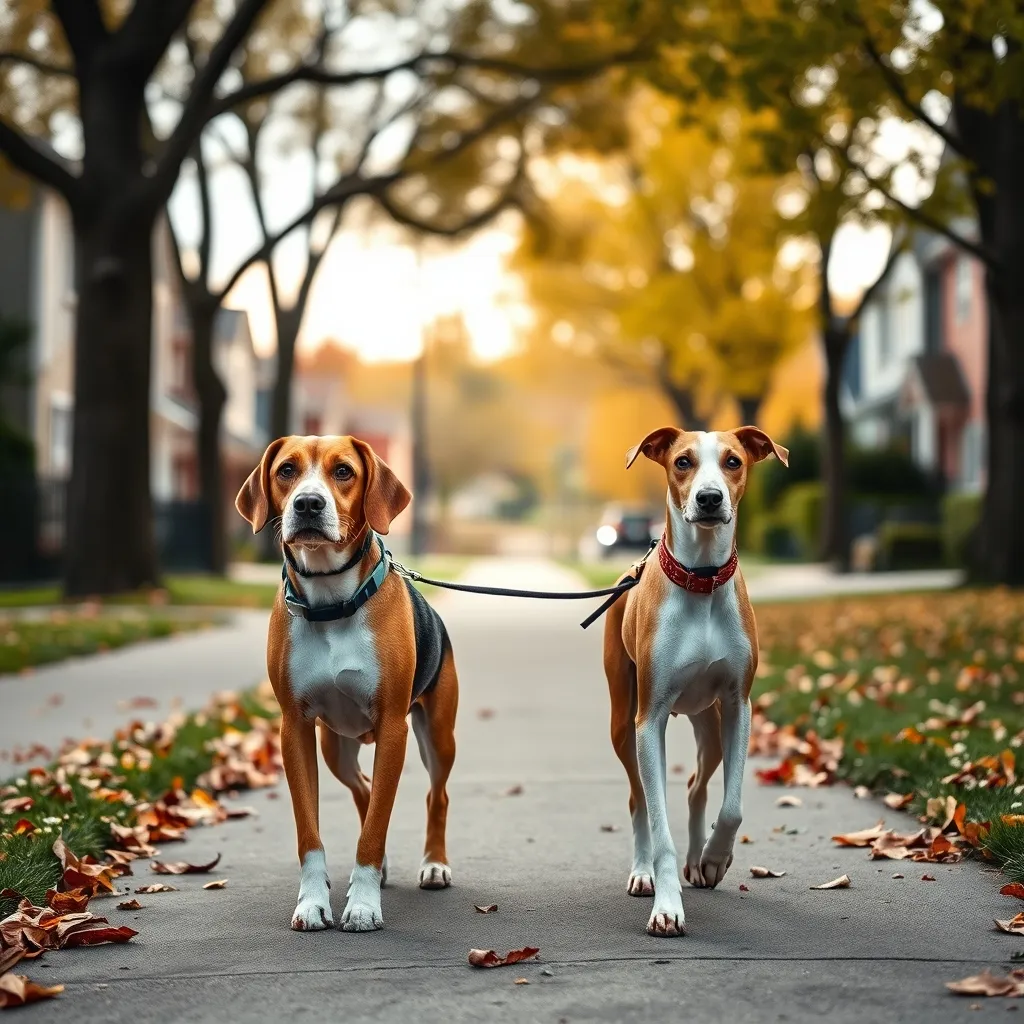
Beagles are sturdy, friendly and wonderfully tolerant of children. They were bred to hunt in packs, which means they generally get along well with other dogs. Their nose can get them into trouble, though. A Beagle on a scent trail can become completely deaf to recall commands, so solid leash training is essential from day one. They also have a distinctive bay that some neighbours may not appreciate, which is worth considering if you live in close quarters.
Whippet
Whippets are the best-kept secret in the dog world for first-time owners. Despite being sighthounds capable of reaching 56 kilometres per hour, they are remarkably calm indoors. A couple of good sprints in a secure area plus a moderate walk each day keeps most Whippets content. They are quiet, clean, low-shedding and affectionate. Their thin skin and low body fat mean they need a coat in cold weather, but that is a small trade-off for such an easy-going companion.
Best Large Dog Breeds for First-Time Owners
Large breeds require more space, more food and stronger physical management, but several are genuinely excellent for beginners.
Labrador Retriever
There is a reason the Labrador has been the most popular breed in the United States for over 30 consecutive years. Labs are friendly, outgoing, trainable and endlessly patient. They excel in families with children and adapt well to a variety of living situations. Labs do need 60 to 120 minutes of daily exercise and are enthusiastic eaters, so weight management is important. Their short, dense coat sheds heavily twice a year but requires minimal professional grooming.
Golden Retriever
Goldens share many qualities with Labradors: intelligence, trainability and a naturally gentle disposition. They tend to be slightly calmer than Labs and are exceptionally patient with young children. Their longer coat requires regular brushing two to three times per week to prevent matting. Goldens are prone to certain cancers and hip dysplasia, so purchasing from a health-tested breeder or adopting with a known history is advisable.
Standard Poodle
Standard Poodles are one of the most intelligent and versatile breeds in existence. They are athletic, hypoallergenic-friendly and highly responsive to training. Many first-time owners overlook them because of the show-ring stereotype, but beneath the fancy clips lies a robust, athletic dog with a wonderful temperament. Professional grooming every 6 to 8 weeks is non-negotiable, so factor that cost into your budget.
| Breed | Size | Daily Exercise | Grooming Level | Trainability | Good With Children |
|---|---|---|---|---|---|
| Cavalier King Charles Spaniel | Small | 40-60 min | Moderate | High | Excellent |
| Bichon Frise | Small | 30-45 min | High | High | Good |
| Pug | Small | 30-45 min | Low | Moderate | Excellent |
| Cocker Spaniel | Medium | 60-90 min | High | High | Excellent |
| Beagle | Medium | 60-90 min | Low | Moderate | Excellent |
| Whippet | Medium | 45-60 min | Low | Moderate | Good |
| Labrador Retriever | Large | 60-120 min | Low | Very High | Excellent |
| Golden Retriever | Large | 60-120 min | Moderate | Very High | Excellent |
| Standard Poodle | Large | 60-90 min | High | Very High | Excellent |
Breeds First-Time Owners Should Approach With Caution
I want to be clear: there are no “bad” breeds. Every breed was developed with a purpose, and every dog deserves an owner who understands that purpose. However, some breeds have traits that can be genuinely challenging for someone without prior dog experience.
Border Collies and Australian Shepherds are incredibly intelligent, but that intelligence comes with an intense need for mental and physical stimulation. Without adequate outlets, these dogs often develop obsessive behaviours, destructive habits or reactivity. I see more herding-breed behavioural cases in my practice than any other group.
Akitas, Cane Corsos and other guardian breeds are loyal and protective, but they require confident, consistent leadership and extensive socialisation from puppyhood. A guardian breed in the hands of an inexperienced owner who does not understand aggression triggers and reactive behaviour can become a serious liability.
Huskies and Malamutes are strikingly beautiful but were bred to run for hours in sub-zero temperatures. They are escape artists, they shed profusely, and they have a strong prey drive. First-time owners drawn to their wolf-like appearance are often unprepared for the reality of two hours or more of daily exercise.
Jack Russell Terriers may be small, but they are among the most intense dogs you can own. Their energy, tenacity and prey drive demand an experienced handler who can channel those traits constructively.

How to Choose the Right Breed for Your Lifestyle
Choosing the best dog breed for first time owners ultimately comes down to honest self-assessment. I walk every new client through these questions:
How active are you, genuinely? Not how active you plan to become, but how active you are right now. A dog will not transform a couch potato into a marathon runner; the novelty wears off, and the dog still needs to move. Match the breed’s energy to your current activity level.
How much time will the dog spend alone? Some breeds handle solitude reasonably well, while others develop separation anxiety within minutes. If you work full-time outside the home, breeds like the Labrador or Beagle cope better than Velcro breeds like the Cavalier or Bichon. Crate training can help with alone-time management, but it is not a substitute for companionship.
Do you have children? Age matters enormously. Toddlers and tiny toy breeds are a risky combination because small dogs are easily injured by clumsy little hands. For families with young children, I almost always recommend a sturdy medium or large breed with a high tolerance threshold.
What is your living space? Apartment living does not automatically rule out large breeds. A calm Greyhound is a better apartment dog than a hyperactive Jack Russell. What matters is whether you can meet the breed’s exercise needs regardless of your indoor space.
What is your budget? Dogs cost more than most first-time owners anticipate. Between food, veterinary care, parasite prevention, grooming, training and insurance, annual costs can range from $1,500 to $4,000 or more. High-grooming breeds like Poodles and Bichons sit at the upper end.
Puppy vs Adult Dog
Many first-time owners default to getting a puppy, but I encourage clients to consider adopting an adult dog. Adult dogs often come with some training already in place, their temperament is established (no guessing), and you skip the puppy teething and housetraining phase. Shelter staff and foster families can tell you exactly what the dog is like to live with, which removes much of the uncertainty.
Preparing Your Home for a New Dog
Once you have chosen your breed, preparation is everything. First-time owners who set up their home correctly before the dog arrives have a significantly smoother transition.
Start by dog-proofing your space. Remove toxic plants, secure rubbish bins, tuck away electrical cords and store cleaning products out of reach. Get the essentials: a properly sized crate, food and water bowls, a collar with identification, a well-fitted harness, a lead, and age-appropriate toys for enrichment.
Book a veterinary appointment for the first week. Your vet will check the dog’s overall health, discuss a vaccination schedule if you are getting a puppy, and help you plan preventative care. This is also the time to discuss spaying or neutering, microchipping and nail trimming routines.
Establish house rules before the dog comes home, and make sure everyone in the household agrees. Will the dog be allowed on furniture? Where will the dog sleep? Consistency from day one prevents confusion and speeds up the settling-in process.
Finally, enrol in a positive-reinforcement training class. Even the most beginner-friendly breed benefits from structured training, and the real purpose of puppy class is to teach you how to communicate effectively with your dog. Group classes also provide valuable socialisation opportunities in a controlled environment.
If you are planning to travel with your new dog, it is worth reading up on car, plane and hotel rules early so you can factor travel logistics into your breed choice. Some breeds are calmer travellers than others, and knowing what to expect makes the experience far less stressful.
Building a dog first aid kit before your new companion arrives is another step I consider non-negotiable. Accidents happen, and having the right supplies on hand gives you confidence to handle minor injuries without panic.
Key Points
- Match a breed’s energy level and exercise needs to your current daily routine, not the lifestyle you hope to have
- Prioritise trainability and forgiving temperament over appearance when selecting your first breed
- Budget $1,500 to $4,000 annually for food, veterinary care, grooming and essentials before committing
- Consider adopting an adult dog from a shelter to skip the unpredictability of the puppy stage
- Enrol in a positive-reinforcement training class within the first two weeks of bringing your dog home
Frequently Asked Questions
What is the easiest dog breed for a first-time owner?
The Labrador Retriever is widely considered the easiest breed for first-time owners due to its high trainability, forgiving temperament and natural sociability. Golden Retrievers and Cavalier King Charles Spaniels are close seconds. The “easiest” breed for you specifically depends on your living situation, activity level and family composition.
Mixed-breed dogs can be excellent for first-time owners, especially when adopted as adults from shelters or foster homes where their temperament has been assessed. The advantage of an adult mixed-breed is that you can see the dog’s actual personality rather than guessing based on breed tendencies. Ask shelter staff about the dog’s behaviour around people, children and other animals before adopting.Are mixed-breed dogs good for first-time owners?
The calmest breeds suitable for beginners include the Cavalier King Charles Spaniel, Whippet, Basset Hound and English Bulldog. Whippets are particularly surprising: despite being sighthounds, they are famously lazy indoors and content to lounge for most of the day after a short burst of exercise.What are the calmest dog breeds for beginners?
I often recommend adult dogs for first-time owners. Puppies require intensive time commitment for housetraining, socialisation, teething management and basic obedience. An adult dog’s temperament is already established, and many come with basic training. That said, if you have the time and commitment, raising a puppy from 8 weeks old can be a deeply rewarding experience.Should a first-time owner get a puppy or an adult dog?
First-year costs are typically higher than subsequent years due to initial supplies, vaccinations and spaying or neutering. Expect to spend between $2,000 and $5,000 in the first year, depending on breed size and whether you purchase from a breeder or adopt. Ongoing annual costs range from $1,500 to $4,000, covering food, veterinary check-ups, parasite prevention, grooming and insurance.How much does it cost to own a dog in the first year?
The 7-7-7 rule is a socialisation guideline suggesting that by 7 weeks of age, a puppy should have been on 7 different surfaces, eaten from 7 different containers, been in 7 different locations, met 7 new people, been exposed to 7 challenges, eaten from 7 different surfaces and played with 7 different objects. While the exact numbers are less important than the principle, the rule emphasises that early, varied exposure during the critical socialisation window builds a confident, well-adjusted adult dog.What is the 7-7-7 rule for dogs?