
Key Takeaways
- No dog breed is 100% hypoallergenic; the term refers to breeds that produce fewer allergens and shed minimally
- The main trigger for pet allergies is the Can f 1 protein found in saliva, urine and dander, not fur itself
- Breeds with single-layer, curly or wiry coats typically release up to 60% less dander into the home environment
- Regular grooming every 4 to 6 weeks is essential for keeping allergen levels low with any low-shedding breed
- Poodles, Bichon Frises and Portuguese Water Dogs consistently rank among the lowest-shedding breeds in allergy studies
- Combining a low-shedding breed with proper home hygiene can reduce airborne allergens by up to 80%
In This Guide
- What Makes a Dog Breed Hypoallergenic?
- Best Small Hypoallergenic Dog Breeds
- Best Medium Hypoallergenic Dog Breeds
- Best Large Hypoallergenic Dog Breeds
- Hypoallergenic Breeds Compared
- Grooming Tips for Low-Shedding Dogs
- Reducing Allergens at Home
- Choosing the Right Hypoallergenic Breed for Your Family
Over the past decade, I have worked with hundreds of families who desperately want a dog but fear that allergies will make life miserable for everyone in the household. The good news is that certain hypoallergenic dog breeds produce significantly fewer allergens and shed far less than their double-coated cousins. In this guide, I will walk you through exactly which breeds shed the least, what “hypoallergenic” truly means and how to create a comfortable home for both allergy sufferers and their four-legged companions.
What Makes a Dog Breed Hypoallergenic?
First, let me clear up a common misconception. There is no such thing as a completely allergen-free dog. Every dog produces proteins in their saliva, urine and skin cells (dander) that can trigger allergic reactions. According to the VCA Animal Hospitals guide on hypoallergenic breeds, the primary culprit is a protein called Can f 1, which clings to dander and dried saliva flakes. When a dog sheds fur, these microscopic particles become airborne and settle on furniture, clothing and carpets.
So when we talk about hypoallergenic dog breeds, we are really describing breeds that produce lower levels of dander, shed minimally or have coat types that trap loose hair and skin cells instead of releasing them into the air. Breeds with tightly curled, wiry or single-layer coats tend to be the best candidates because their hair growth cycle is longer and the coat structure holds onto dead hair until it is brushed out during grooming.
Several factors determine how allergenic a particular dog will be:
- Coat type: Curly and wiry coats trap dander more effectively than smooth, short coats
- Shedding frequency: Dogs that shed continuously spread more allergens than seasonal or minimal shedders
- Size: Smaller dogs have less skin surface area, meaning less overall dander production
- Saliva production: Breeds that drool heavily spread more Can f 1 protein around the home
Understanding these factors helps you make a genuinely informed decision rather than simply picking the first breed labelled “hypoallergenic” at a breeder’s website. If you are bringing home a new puppy, I always recommend reading about the puppy vaccination schedule alongside your breed research.
Best Small Hypoallergenic Dog Breeds
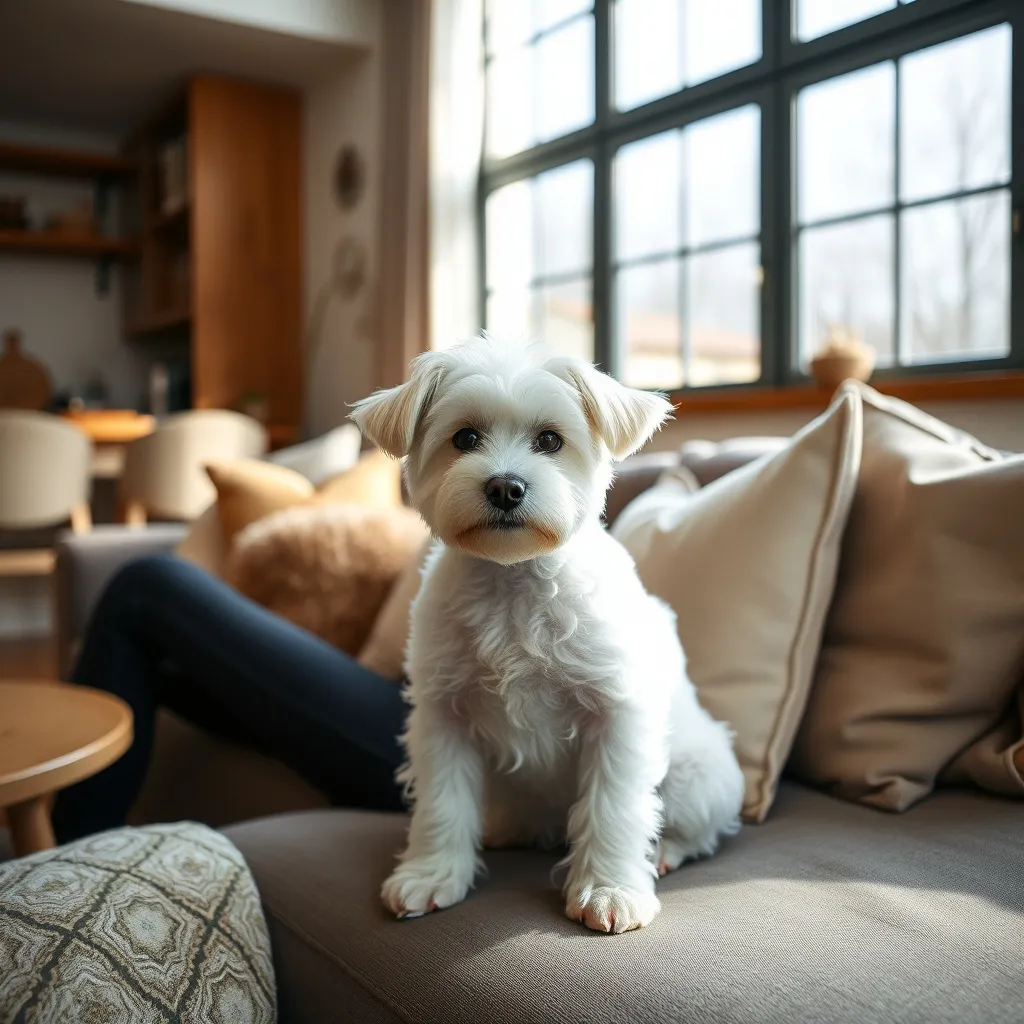
Small hypoallergenic dog breeds are particularly popular with flat dwellers and families with limited space. Their compact size means less overall dander production, and many of these breeds have wonderfully affectionate temperaments.
Bichon Frise
The Bichon Frise is one of my top recommendations for allergy sufferers. Their double-layered curly coat catches loose hair and dander before it can become airborne. They weigh between 3 and 5 kg and have a cheerful, sociable personality that makes them excellent companions. I have seen Bichons thrive in households where severe allergies had previously made dog ownership impossible. They do require professional grooming every 4 to 6 weeks to prevent matting.
Maltese
The Maltese has a long, silky single-layer coat that sheds very little. Weighing under 3 kg, these dogs are gentle, playful and remarkably adaptable. Their lack of an undercoat is the key reason they produce less airborne dander. Daily brushing keeps their coat tangle-free and further reduces any allergen spread.
Miniature Schnauzer
With their distinctive wiry topcoat, Miniature Schnauzers are one of the lowest-shedding small breeds available. They are energetic, intelligent and easy to train, which is a combination I always appreciate as a trainer. Their coat needs hand-stripping or clipping every 6 to 8 weeks. If you are looking for a small breed that also makes an alert watchdog, the Miniature Schnauzer ticks every box.
Yorkshire Terrier
Yorkies have hair that is more similar to human hair than typical dog fur. This means they shed far less and produce minimal airborne dander. At just 2 to 3 kg, they are among the tiniest hypoallergenic options. They can be prone to excessive barking, so early training is essential, but their low-allergen coat makes them a strong choice for sensitive households.
Shih Tzu
Despite their luxurious flowing coat, Shih Tzus are surprisingly low-shedding. They have a long hair growth cycle, which means they lose far less hair day to day than breeds like Labradors or German Shepherds. Regular grooming is non-negotiable, and many owners opt for a practical “puppy cut” to reduce maintenance.
Best Medium Hypoallergenic Dog Breeds
If you want a slightly larger companion without sacrificing the hypoallergenic advantage, several medium-sized breeds fit the bill perfectly.
Portuguese Water Dog
Made famous by the Obama family, the Portuguese Water Dog has a thick, curly or wavy coat that sheds minimally. They weigh between 16 and 27 kg and were originally bred to assist fishermen, so they are athletic, intelligent and eager to please. According to the American Kennel Club’s hypoallergenic breed list, they are one of the most reliably low-shedding medium-sized breeds. These dogs need plenty of exercise and mental stimulation.
Soft Coated Wheaten Terrier
The Wheaten Terrier’s silky, wavy coat is single-layered and sheds very little. They are exuberant and affectionate dogs that bond deeply with their families. Weighing around 14 to 18 kg, they are sturdy enough for active families while remaining manageable in size. I recommend regular grooming every 4 to 6 weeks and daily brushing to keep their coat in top condition.
Basenji
The Basenji is a unique choice on this list. Known as the “barkless dog,” they have a short, fine coat that produces very little dander. They groom themselves much like cats, which further reduces allergen spread. Basenjis are independent and intelligent, but they can be challenging to train. If you are experienced with dogs and want a low-maintenance coat, the Basenji is worth considering.
Kerry Blue Terrier
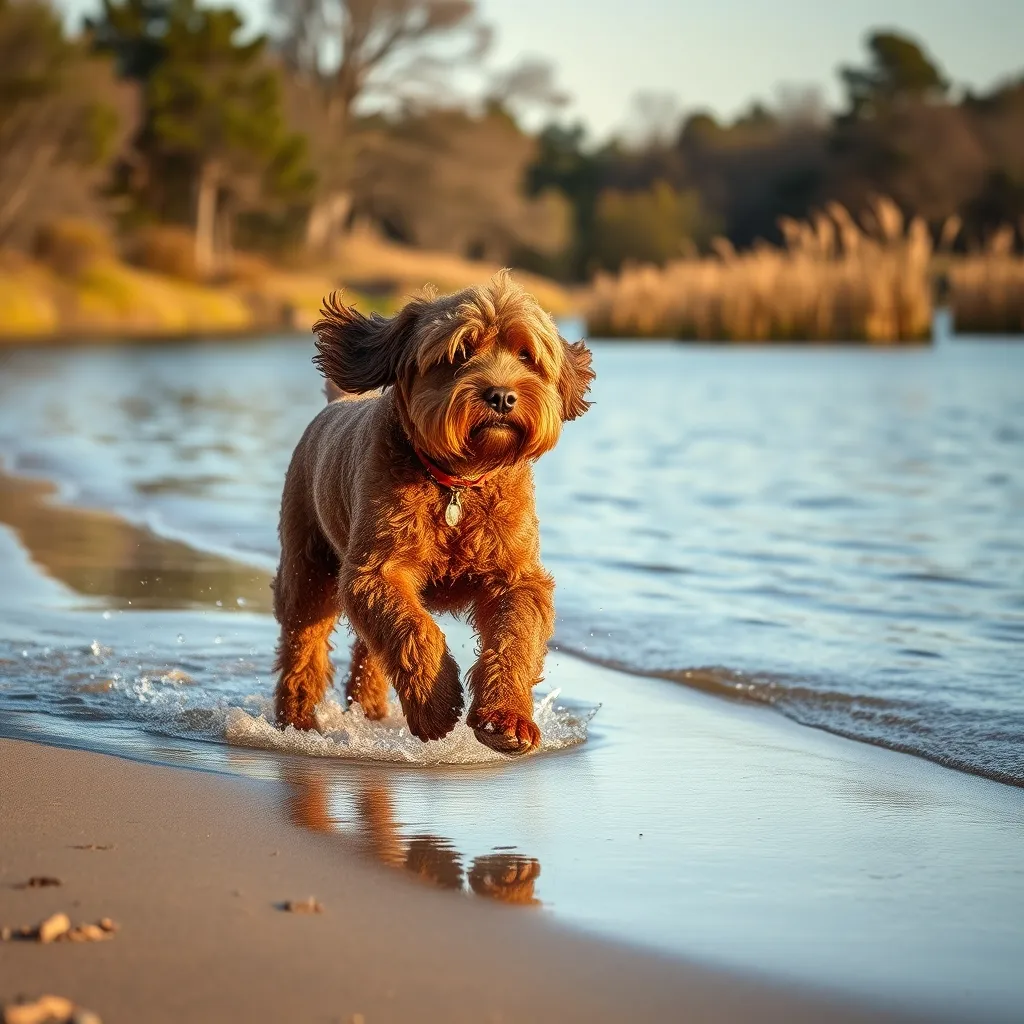
The Kerry Blue Terrier has a soft, dense, wavy coat that does not shed. Their distinctive blue-grey colour develops as they mature. Weighing between 15 and 18 kg, they are versatile working dogs with a spirited personality. They need regular professional grooming and consistent socialisation from puppyhood to manage their sometimes strong-willed temperament. Crate training can be a valuable tool during the early months with a Kerry Blue.
Best Large Hypoallergenic Dog Breeds
Finding a large hypoallergenic dog breed is trickier because more skin surface area naturally means more dander. However, several large breeds still qualify as excellent options for allergy sufferers.
Standard Poodle
The Standard Poodle is, in my professional opinion, the gold standard of hypoallergenic breeds. Their tightly curled coat traps dander and loose hair exceptionally well. They are also among the most intelligent dog breeds in the world, ranking second only to the Border Collie. Standard Poodles weigh between 20 and 32 kg and are athletic, graceful and remarkably trainable. They need professional grooming every 4 to 6 weeks without exception.
Giant Schnauzer
Like their miniature cousins, Giant Schnauzers have a dense, wiry double coat that sheds very little. Weighing between 25 and 48 kg, they are powerful, loyal and protective. They require an experienced owner who can provide firm, consistent training and plenty of exercise. If you are concerned about aggression in dogs, early socialisation is absolutely critical with this breed.
Afghan Hound
The Afghan Hound’s long, flowing coat may look high-maintenance, but it is actually single-layered and sheds minimally. These elegant dogs weigh between 23 and 27 kg and have a dignified, independent character. Their coat requires daily brushing and regular bathing, so check out our guide on how to bathe a dog properly if you are considering this breed.
Irish Water Spaniel
The Irish Water Spaniel has a distinctive curly, water-repellent coat that sheds very little. They are the tallest of all spaniel breeds, weighing between 20 and 30 kg. They are enthusiastic, hardworking and playful, making them excellent companions for active families who enjoy outdoor pursuits.
Hypoallergenic Breeds Compared
To help you compare the most popular hypoallergenic dog breeds at a glance, I have put together this detailed comparison table covering size, grooming needs and temperament.
| Breed | Size Category | Weight (kg) | Coat Type | Shedding Level | Grooming Frequency | Energy Level |
|---|---|---|---|---|---|---|
| Bichon Frise | Small | 3–5 | Curly double | Very low | Every 4–6 weeks | Moderate |
| Maltese | Small | Under 3 | Silky single | Very low | Daily brushing | Low to moderate |
| Miniature Schnauzer | Small | 5–8 | Wiry double | Very low | Every 6–8 weeks | High |
| Yorkshire Terrier | Small | 2–3 | Silky single | Minimal | Daily brushing | Moderate |
| Shih Tzu | Small | 4–7 | Long double | Low | Every 4–6 weeks | Low to moderate |
| Portuguese Water Dog | Medium | 16–27 | Curly/wavy single | Very low | Every 4–6 weeks | High |
| Soft Coated Wheaten Terrier | Medium | 14–18 | Silky single | Low | Every 4–6 weeks | High |
| Basenji | Medium | 10–12 | Short fine | Low | Minimal | High |
| Standard Poodle | Large | 20–32 | Curly single | Very low | Every 4–6 weeks | High |
| Giant Schnauzer | Large | 25–48 | Wiry double | Very low | Every 6–8 weeks | Very high |
| Afghan Hound | Large | 23–27 | Long single | Minimal | Daily brushing | Moderate to high |
| Irish Water Spaniel | Large | 20–30 | Curly double | Very low | Every 4–6 weeks | High |
As you can see from the table, the “very low” shedding breeds tend to have curly or wiry coat textures. These are the breeds I most frequently recommend to families managing allergies.
Grooming Tips for Low-Shedding Dogs
Owning a hypoallergenic breed does not mean you can skip grooming. In fact, most low-shedding dogs require more frequent grooming than heavy shedders. The trade-off is simple: instead of finding fur on your sofa, you invest time in regular brushing and professional grooming sessions to remove trapped hair and dander.
Here are my essential grooming recommendations for keeping allergen levels as low as possible:
- Brush daily or every other day. This removes dead hair before it can break free and release dander into the air. Use a slicker brush for curly coats and a pin brush for silky coats.
- Schedule professional grooming every 4 to 6 weeks. A professional groomer will thoroughly wash, trim and de-mat the coat, significantly reducing allergen build-up.
- Bathe your dog every 2 to 4 weeks. Regular bathing removes accumulated dander from the skin and coat. Use a gentle, hypoallergenic shampoo to avoid drying out the skin, which can actually increase dander production. Our step-by-step bathing guide covers the proper technique.
- Clean ears weekly. Many hypoallergenic breeds, particularly Poodles and Bichon Frises, grow hair inside their ear canals. Keeping ears clean prevents infections and reduces overall allergen load.
- Wipe paws and face after walks. Outdoor allergens like pollen can cling to your dog’s coat and compound the problem for allergy sufferers at home.
I always tell my clients that grooming is not just about aesthetics; it is a critical health practice that directly impacts how many allergens circulate in your home. Keeping your dog’s nails trimmed is also important for overall wellbeing; our dog first aid guide covers basic nail care essentials.

Reducing Allergens at Home
Even with the most hypoallergenic breed, your home environment plays a massive role in managing allergy symptoms. Over the years, I have helped numerous families implement practical strategies that make a significant difference alongside choosing the right breed.
Invest in a HEPA air purifier. A quality HEPA filter captures particles as small as 0.3 microns, which includes most pet dander. Place one in the bedroom and another in your main living area for the best results. Studies have shown that HEPA filtration can reduce airborne pet allergens by up to 50% within the first week of use.
Create dog-free zones. I know it is tempting to let your dog sleep on the bed, but keeping the bedroom off-limits gives allergy sufferers a guaranteed low-allergen space for rest. This single change has made the biggest difference for many of my clients.
Wash bedding and soft furnishings weekly. Dog dander clings to fabrics, so washing blankets, cushion covers and your dog’s bedding at 60°C or above kills allergens effectively. If your dog uses a crate, make sure the bedding inside is washed just as frequently.
Vacuum with a HEPA-equipped vacuum cleaner at least twice per week. Standard vacuum cleaners can actually spread fine dander particles back into the air, making the problem worse. A sealed HEPA vacuum traps these particles inside the machine.
Consider hard flooring. Carpets harbour significantly more dander than hardwood, tile or laminate floors. If replacing carpets is not feasible, use washable rugs that you can launder regularly.
The PDSA’s advice on dog care also emphasises the importance of regular veterinary check-ups to ensure your dog’s skin remains healthy, as dry or irritated skin produces more dander.
Choosing the Right Hypoallergenic Breed for Your Family
Selecting the right hypoallergenic breed goes far beyond just picking the lowest-shedding option. I encourage every family to consider their lifestyle, activity level and living situation before making a decision.
If you live in a small flat and work full-time, a Maltese or Bichon Frise may be ideal because they are content with moderate exercise and enjoy quiet companionship. However, if you have a garden and an active lifestyle, a Portuguese Water Dog or Standard Poodle will thrive with plenty of exercise and mental challenges.
Families with young children should consider breeds known for patience and gentleness. The Soft Coated Wheaten Terrier is famously good with children, as is the Bichon Frise. If your household includes other pets, breeds with lower prey drives such as the Maltese or Shih Tzu tend to coexist more peacefully.
For those concerned about separation anxiety, which is my area of specialty, certain hypoallergenic breeds are more prone to this condition than others. Bichon Frises and Maltese dogs can develop strong attachment to their owners and may struggle when left alone. I recommend early crate training and gradual desensitisation to alone time from the day you bring your puppy home.
If you plan to travel with your dog, smaller hypoallergenic breeds are generally easier to transport. Our guide on travelling with your dog covers the specific regulations for car, plane and hotel stays.
One final piece of advice: before committing to any breed, try to spend time with that breed in person. Visit a breeder, attend a dog show or arrange a meeting through a breed rescue group. This gives the allergy sufferer in your family a real-world test to see how they react. What triggers one person may be perfectly tolerable for another, even within the same breed.
Feeding your hypoallergenic dog a high-quality diet rich in omega-3 fatty acids also supports healthy skin and a well-conditioned coat, which in turn reduces dander. If you prefer to prepare meals at home, our collection of veterinarian-approved dog food recipes is a great starting point.
Key Points
- Choose a breed whose coat type (curly, wiry or silky single-layer) matches your allergy sensitivity level
- Commit to professional grooming every 4 to 6 weeks and daily brushing to trap dander before it becomes airborne
- Invest in a HEPA air purifier and HEPA vacuum cleaner to reduce airborne allergens by up to 50%
- Create at least one dog-free zone in your home, ideally the bedroom, to guarantee a low-allergen rest space
- Spend time with your chosen breed before committing to assess your personal allergic reaction in a real-world setting
Frequently Asked Questions
Which dog breed is the most hypoallergenic?
The Standard Poodle is widely considered the most reliably hypoallergenic breed. Their tightly curled single-layer coat traps dander and loose hair extremely effectively, and they produce lower levels of the Can f 1 allergen protein compared to most other breeds. Bichon Frises and Portuguese Water Dogs are also excellent choices for severe allergy sufferers.
No dog is completely allergen-free. Hypoallergenic breeds produce fewer allergens and shed less, which significantly reduces allergic reactions in most people. However, individual sensitivity varies greatly. I always recommend spending extended time with a specific breed before bringing one home to gauge your personal reaction.Are hypoallergenic dogs completely safe for people with allergies?
Yes, most hypoallergenic breeds require more grooming than heavy-shedding dogs. Their coats trap dead hair and dander instead of releasing it, which means regular brushing and professional grooming every 4 to 6 weeks are essential. Without proper grooming, mats can form, skin issues can develop and allergen levels may actually increase.Do hypoallergenic dogs require more grooming?
The Bichon Frise and Soft Coated Wheaten Terrier are my top recommendations for families with children. Both breeds are patient, affectionate and playful, while also being low-shedding. The Standard Poodle is another excellent family option because of their intelligence and gentle temperament, particularly if you have space for a larger dog.What is the best hypoallergenic dog for families with children?
Absolutely. Regular bathing every 2 to 4 weeks, daily brushing, HEPA air purification, frequent vacuuming with a HEPA-equipped vacuum and washing all soft furnishings weekly can dramatically reduce allergen levels. Creating dog-free zones, particularly in bedrooms, also helps. These measures will not eliminate allergens entirely, but they can reduce airborne dander by up to 80% when combined consistently.Can I reduce allergens if I already own a non-hypoallergenic dog?
Mixed breeds such as Labradoodles, Goldendoodles and Cockapoos are not guaranteed to be hypoallergenic. Their coat type depends on which parent’s genes dominate, and puppies from the same litter can vary significantly in shedding levels. If allergies are a serious concern, a purebred hypoallergenic breed from a reputable breeder offers more predictable results. Alternatively, look for multi-generational crosses where the low-shedding coat has been consistently established.Are mixed breeds or “designer dogs” like Labradoodles hypoallergenic?