
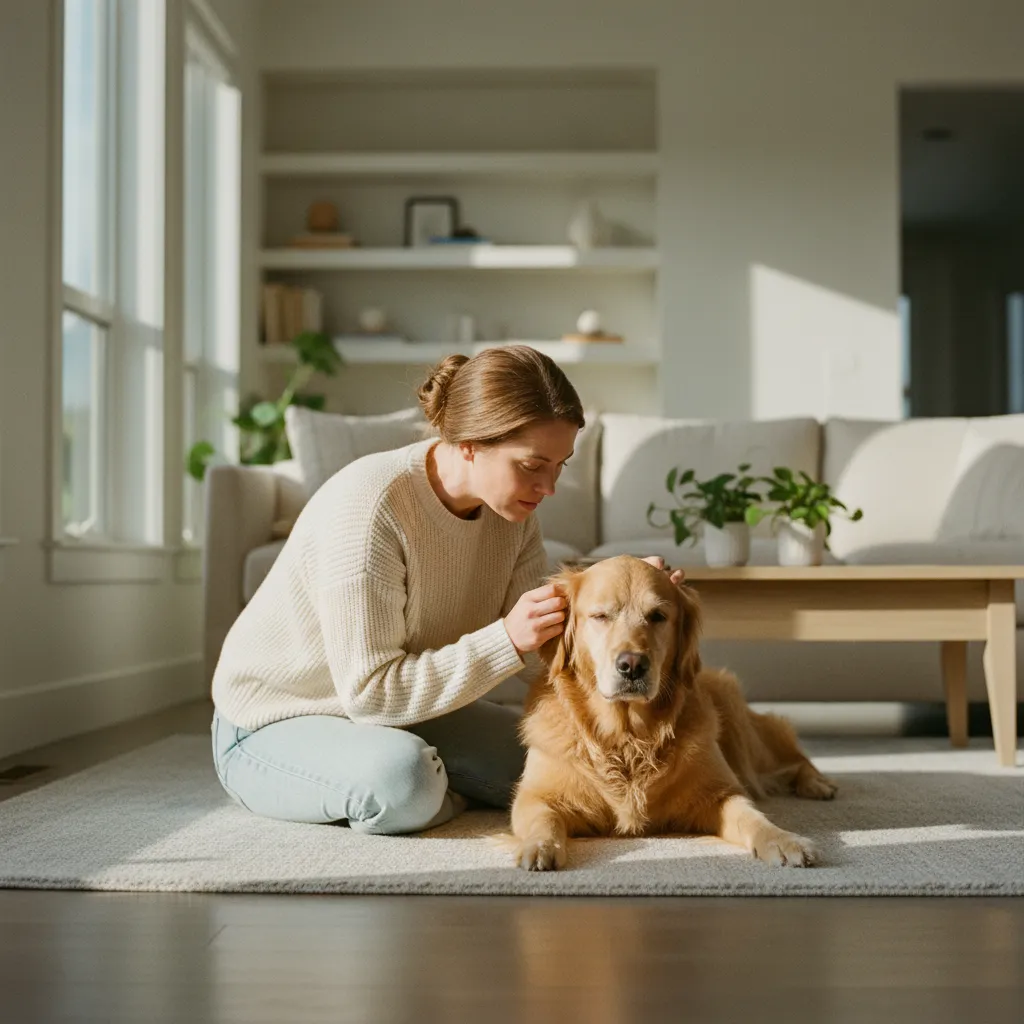
In my ten-plus years as a certified dog trainer, I have watched countless owners mistake early illness signs for simple tiredness or a “bad day.” The truth is that catching dog illnesses early can be the difference between a quick recovery and a life-threatening emergency. I wrote this guide to help you spot the warning signs I wish every dog parent knew from day one.
Key Takeaways
- Dogs instinctively hide pain, so even subtle behavior changes like skipping one meal or sleeping more than usual can signal illness
- Canine parvovirus has a fatality rate of up to 91% in untreated puppies, but vaccination reduces risk to nearly zero
- Ear infections account for roughly 20% of all veterinary visits, making them one of the most common dog illnesses
- Heartworm disease is present in all 50 US states and can take 5 to 7 months before symptoms appear
- Any dog that has not eaten for more than 24 hours or shows bloody stool, labored breathing or collapse needs same-day veterinary attention
- Keeping a simple symptom diary (appetite, energy, stool quality) helps your vet diagnose problems faster and more accurately
In This Guide
- Why Recognizing Dog Illnesses Early Matters
- Canine Parvovirus: The Deadly Puppy Threat
- Kennel Cough and Upper Respiratory Infections
- Gastrointestinal Illnesses: Vomiting and Diarrhea
- Skin Conditions and Allergies
- Urinary Tract Infections in Dogs
- Ear Infections: One of the Most Common Dog Illnesses
- Heartworm Disease: A Silent Killer
- Common Dog Illnesses at a Glance
- When to Call the Vet: Warning Signs That Cannot Wait
Why Recognizing Dog Illnesses Early Matters
Dogs are hardwired by evolution to mask vulnerability. In a wild pack, showing weakness could mean losing status or becoming a target. That instinct carries over to our living rooms. A dog with a painful ear infection may simply tilt their head slightly. A dog developing kidney disease might just drink a little more water than usual. These subtle cues are easy to miss if you do not know what to look for.
I always tell my training clients in Austin to think of themselves as their dog’s first line of defense. You see your dog every single day. You know their normal energy level, their appetite, and the way they greet you at the door. When something shifts, even if you cannot pinpoint exactly what, trust your gut and start paying closer attention.
One practical habit I recommend is keeping a brief daily log. Jot down three things each evening: appetite (ate all, half, none), energy (normal, low, restless), and stool quality (firm, soft, watery, bloody). This symptom diary takes 30 seconds and gives your vet a goldmine of information if a problem does develop. If you have just brought home a new puppy, pair this habit with the other essentials in our guide to bringing a puppy home.
Canine Parvovirus: The Deadly Puppy Threat
Of all the dog illnesses I have seen terrify new owners, parvovirus tops the list, and for good reason. This highly contagious virus attacks the lining of the small intestine and, in puppies under six months, can progress from the first symptom to fatal dehydration in as little as 48 to 72 hours.
The earliest sign is usually lethargy. Your normally bouncy puppy suddenly wants to sleep through playtime. Within hours you may notice:
- Severe, often bloody diarrhea with a distinctive foul odor
- Repeated vomiting that does not resolve after one or two episodes
- Complete loss of appetite
- Fever (normal canine temperature is 101 to 102.5 °F)
- Rapid weight loss and visible dehydration (dry gums, sunken eyes)
According to the American Veterinary Medical Association (AVMA), the survival rate jumps to roughly 90% with prompt veterinary treatment, which typically involves IV fluids, anti-nausea medication, and antibiotics to prevent secondary infections. Without treatment, the fatality rate can reach 91%.
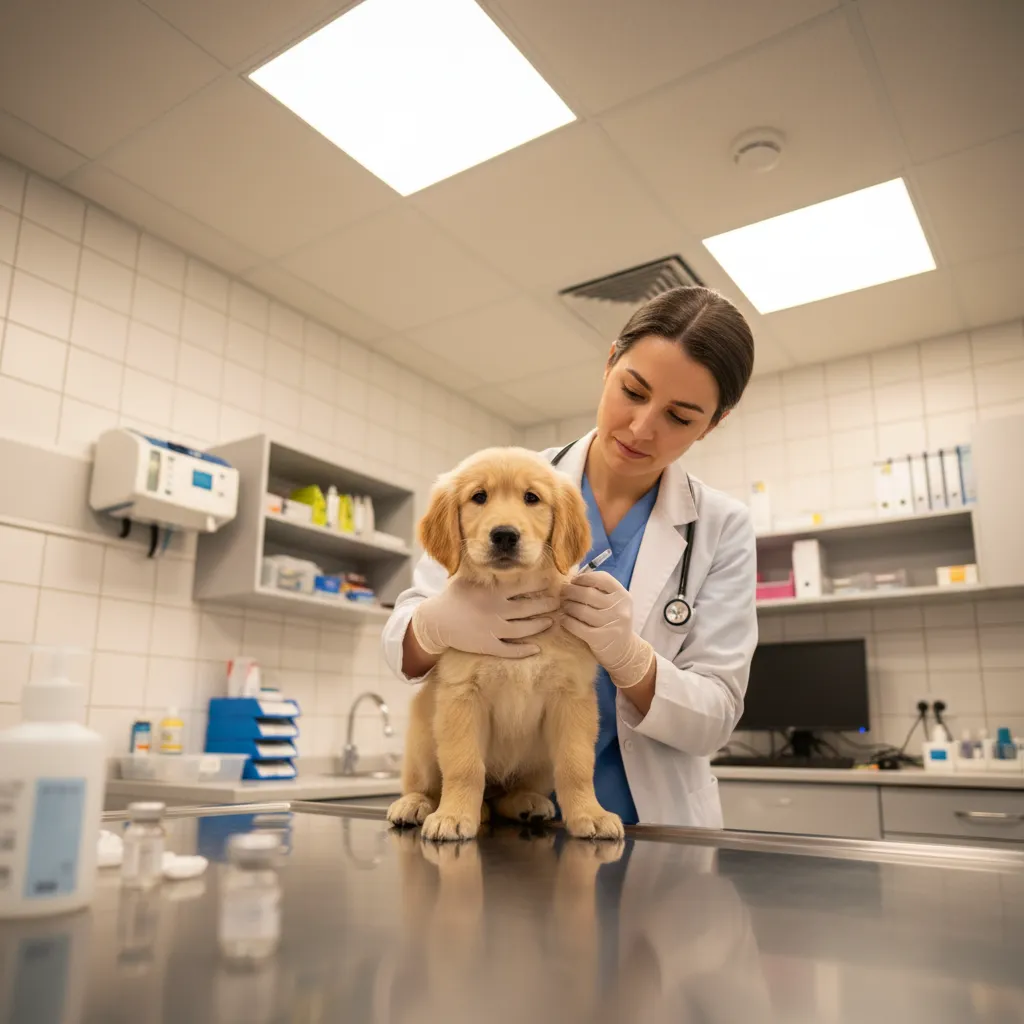
The single best protection is vaccination. Make sure your puppy follows the recommended dog vaccinations schedule and avoids high-traffic dog areas until they have completed their full series, usually around 16 weeks of age. I cover safe socialization strategies for unvaccinated puppies in my first-year puppy care checklist.
Kennel Cough and Upper Respiratory Infections
Kennel cough, formally known as canine infectious tracheobronchitis, is the common cold of the dog world. It spreads through airborne droplets and direct contact, making boarding facilities, dog parks, and training classes hotspots. I have personally seen outbreaks ripple through puppy socialization groups, which is why I require proof of the Bordetella vaccine for all my classes.
The hallmark symptom is a dry, honking cough that sounds almost like a goose. Other signs include:
- Retching or gagging after coughing fits
- Clear nasal discharge that may turn thick or green
- Mild lethargy, though many dogs remain surprisingly perky
- Low-grade fever
Most healthy adult dogs recover on their own within one to three weeks. However, kennel cough can escalate to pneumonia in puppies, senior dogs, or immunocompromised animals. If the cough persists beyond 10 days, if your dog develops a thick nasal discharge, or if their breathing becomes labored, see your vet promptly. During recovery, I recommend a comfortable resting area away from other pets. Our dog bed guide can help you set up a supportive recovery spot.
Gastrointestinal Illnesses: Vomiting and Diarrhea
If you live with a dog long enough, you will clean up vomit. One isolated episode after eating grass or scarfing dinner too fast is rarely a crisis. The trouble starts when vomiting or diarrhea becomes persistent, frequent, or bloody.
Common gastrointestinal dog illnesses include:
- Gastroenteritis: inflammation of the stomach and intestines, often caused by dietary indiscretion (a polite way of saying your dog ate something they should not have)
- Pancreatitis: inflammation of the pancreas, frequently triggered by high-fat foods; symptoms include vomiting, abdominal pain, and a hunched posture
- Intestinal parasites: roundworms, hookworms, whipworms, and giardia can all cause chronic diarrhea, weight loss, and a dull coat
- Foreign body obstruction: swallowed toys, socks, or bones that block the intestinal tract; this is a surgical emergency
I recommend the following home monitoring protocol before deciding if a vet visit is warranted. Withhold food (not water) for 12 hours after a vomiting episode, then reintroduce a bland diet of boiled chicken and plain white rice in small portions. If your dog keeps this down for 24 hours, you can gradually transition back to their regular food over three days.
However, seek immediate veterinary attention if you see blood in the vomit or stool, if your dog is also lethargic or refusing water, if a puppy under six months is vomiting repeatedly, or if you suspect your dog swallowed a foreign object. Dietary issues are sometimes linked to food sensitivities. If GI problems keep recurring, explore our guide to dog food for allergies and discuss an elimination diet with your vet.
Skin Conditions and Allergies
Skin problems are the second most common reason dogs visit the vet, right behind gastrointestinal complaints. In my experience, owners often dismiss early scratching as “just fleas” when the real culprit could be an environmental allergy, food sensitivity, or bacterial infection.

Watch for these skin-related warning signs:
- Excessive scratching, licking, or chewing at paws, belly, or ears
- Red, inflamed skin or visible rashes
- Hair loss in patches, especially on the flanks or around the tail base
- Hot spots: moist, painful, rapidly spreading sores
- Recurring ear infections (often linked to underlying allergies)
- Dry, flaky skin or a dull, brittle coat
The American Kennel Club notes that allergies can be environmental (pollen, dust mites, mold), food-based, or contact-related (certain shampoos, cleaning products). If your dog’s scratching is seasonal, environmental allergies are the likely culprit. Year-round itching often points to food or contact triggers.
Regular grooming helps you catch skin issues early. I recommend a weekly nose-to-tail check during brushing sessions. Part the fur to examine the skin underneath, especially around the ears, armpits, and groin. Having the right tools makes this easier; take a look at our dog grooming tools guide and our at-home grooming walkthrough for practical tips.
Urinary Tract Infections in Dogs
Urinary tract infections (UTIs) are especially common in female dogs due to their shorter urethra, though males can get them too. I first noticed UTI symptoms in my own rescue dog when she started asking to go outside far more often than usual, only to produce a few drops each time.
Key UTI symptoms include:
- Frequent urination in small amounts
- Straining to urinate with little output
- Accidents in the house from a previously housetrained dog
- Cloudy, bloody, or strong-smelling urine
- Excessive licking of the genital area
- Whimpering or signs of discomfort during urination
One important point: if your previously housetrained dog suddenly starts having indoor accidents, please do not assume it is a training regression. A UTI or bladder stones can make it physically impossible for a dog to hold their bladder. Punishing a dog for a medical symptom only creates anxiety, which can compound the problem. If house soiling appears suddenly, a vet visit should come before any behavior modification. For owners who are simultaneously working on housetraining, our potty training guide includes tips on distinguishing medical from behavioral issues.
UTIs are usually treated with a course of antibiotics lasting 7 to 14 days. Recurrent UTIs may indicate an underlying condition such as bladder stones, diabetes, or Cushing’s disease, so your vet may recommend additional diagnostics.
Ear Infections: One of the Most Common Dog Illnesses
Ear infections (otitis externa) make up an estimated 20% of all veterinary visits, and breeds with floppy ears, like Cocker Spaniels, Basset Hounds, and Labrador Retrievers, are particularly prone. I see ear infections spike in my Austin clients during the humid summer months when moisture gets trapped in the ear canal.
The symptoms are usually hard to miss once you know them:
- Head shaking or tilting to one side
- Scratching at the affected ear
- Redness, swelling, or visible discharge (often brown, yellow, or black)
- A yeasty or foul odor coming from the ear
- Pain when the ear is touched
- Loss of balance in severe cases (suggesting middle or inner ear involvement)
Left untreated, outer ear infections can migrate to the middle and inner ear, potentially causing permanent hearing loss or chronic pain. Your vet will typically prescribe medicated ear drops and may recommend a cleaning protocol. Prevention includes drying your dog’s ears thoroughly after baths or swimming and incorporating a gentle ear check into your weekly grooming routine.
Heartworm Disease: A Silent Killer
Heartworm disease frightens me more than almost any other illness on this list because by the time symptoms show up, the disease is already advanced. Transmitted by a single mosquito bite, heartworm larvae travel through the bloodstream and mature into foot-long worms that live in the heart, lungs, and blood vessels.
According to the American Heartworm Society, it takes approximately 5 to 7 months for larvae to mature into adult worms. During this time, your dog may appear perfectly healthy. Early signs include:
- A mild, persistent cough
- Reluctance to exercise or tiring more quickly than usual
- Decreased appetite and gradual weight loss
In advanced stages, dogs may develop a swollen abdomen (from fluid accumulation), labored breathing, and even sudden collapse during physical activity, a condition known as caval syndrome that requires emergency surgery. The good news is that heartworm disease is nearly 100% preventable with monthly preventive medication. Treatment for an active infection, on the other hand, involves a series of painful injections, strict exercise restriction for months, and can cost thousands of dollars.
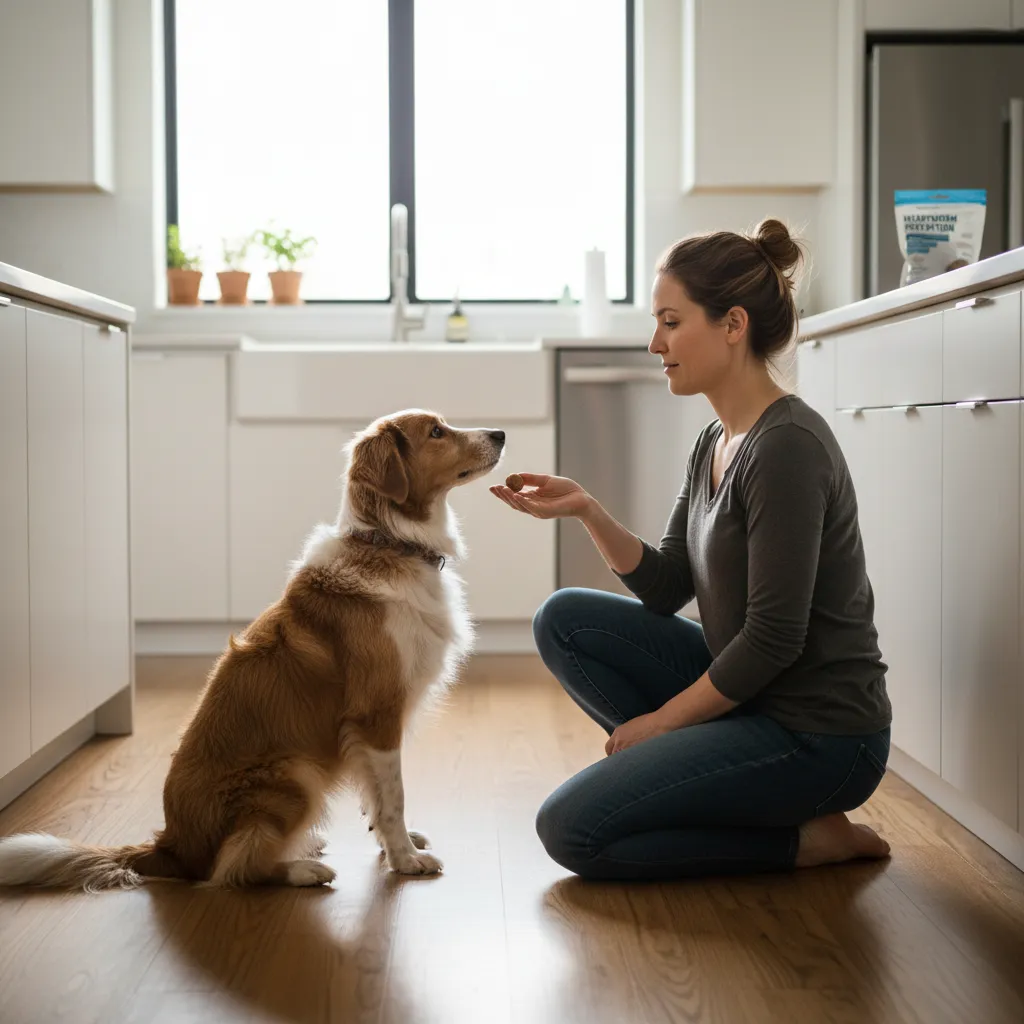
I recommend year-round heartworm prevention regardless of where you live. Heartworm-positive dogs have been documented in all 50 states, and a single missed dose can leave your dog vulnerable. Staying on top of preventive care is something I cover in detail in our puppy care first-year checklist, and regular exercise, covered in our dog exercise guide, supports overall cardiovascular health.
Common Dog Illnesses at a Glance
I created the comparison table below so you can quickly reference the most important details for each illness. Keep in mind that this is a general guide; your vet should always be your primary resource for diagnosis and treatment.
| Illness | Key Symptoms | Urgency Level | Common Treatment | Preventable? |
|---|---|---|---|---|
| Parvovirus | Bloody diarrhea, vomiting, lethargy | Emergency | IV fluids, anti-nausea meds, antibiotics | Yes (vaccine) |
| Kennel Cough | Honking cough, nasal discharge, gagging | Moderate | Rest; antibiotics if bacterial | Partially (Bordetella vaccine) |
| Gastroenteritis | Vomiting, diarrhea, loss of appetite | Low to High (depends on severity) | Bland diet, fluids, anti-nausea meds | Partially (diet management) |
| Pancreatitis | Vomiting, abdominal pain, hunched posture | High | IV fluids, pain management, low-fat diet | Partially (avoid high-fat foods) |
| Skin Allergies | Itching, redness, hair loss, hot spots | Low to Moderate | Antihistamines, medicated shampoos, diet change | Manageable with ongoing care |
| UTI | Frequent urination, straining, bloody urine | Moderate | Antibiotics (7 to 14 days) | Partially (hydration, hygiene) |
| Ear Infection | Head shaking, odor, discharge, pain | Moderate | Medicated ear drops, cleaning | Partially (regular ear care) |
| Heartworm | Cough, exercise intolerance, weight loss | High (often silent early) | Melarsomine injections, exercise restriction | Yes (monthly preventive) |
When to Call the Vet: Warning Signs That Cannot Wait
One question I hear constantly in my training classes is, “How do I know when it is serious enough for the vet?” My rule of thumb is simple: when in doubt, call. A quick phone consultation is almost always free and can save your dog’s life.
That said, certain symptoms should trigger an immediate emergency visit, no waiting, no home remedies:
- Difficulty breathing or rapid, labored respiration
- Uncontrolled bleeding or bleeding from the nose, mouth, or rectum
- Collapse or inability to stand
- Seizures lasting more than two minutes or multiple seizures in 24 hours
- Suspected poisoning (contact the ASPCA Animal Poison Control Center at 888-426-4435)
- Bloated, hard abdomen with unproductive retching (potential gastric dilatation-volvulus, or GDV, which is fatal without surgery)
- Severe trauma such as being hit by a car, even if the dog appears fine afterward
- Inability to urinate, especially in male dogs (possible urethral obstruction)
Situations that warrant a same-day or next-day appointment include:
- Refusal to eat for more than 24 hours
- Vomiting or diarrhea lasting more than 24 hours
- Visible pain (whimpering, guarding a body part, reluctance to move)
- Sudden behavior changes such as aggression, hiding, or unusual clinginess
- Limping that does not resolve after rest
I also want to mention something I see frequently in my separation anxiety work: behavioral changes can sometimes be medical in origin. A dog that suddenly becomes destructive, vocal, or withdrawn may not have a behavioral issue at all; they may be in pain or feeling unwell. Our article on dog anxiety discusses how to differentiate between behavioral and medical causes of stress-related symptoms.
Building a relationship with a trusted veterinarian before an emergency happens is one of the smartest things you can do as a dog owner. Routine wellness exams, typically recommended once a year for adult dogs and twice a year for seniors, catch problems early and establish a health baseline. The AVMA’s preventive care guidelines outline what these exams should include.
Finally, do not underestimate the role of good nutrition, regular exercise, dental care, and mental stimulation in keeping your dog healthy. Many of the dog illnesses on this list are either preventable or manageable when supported by strong overall wellness habits. Our guides on choosing the best dog food and dog dental care are great places to continue building your knowledge.
Key Points
- Keep a daily symptom diary tracking appetite, energy, and stool quality to catch changes before they escalate
- Complete your puppy’s full vaccination series by 16 weeks and maintain annual boosters to prevent parvovirus, distemper, and other deadly diseases
- Give monthly heartworm preventive medication year-round, even in cooler months, to protect against this silent killer
- Perform a weekly nose-to-tail body check during grooming to spot skin issues, ear infections, and lumps early
- Schedule annual wellness exams (twice yearly for dogs over seven) to establish baselines and catch illness before symptoms appear
Frequently Asked Questions
What are the most common dog illnesses veterinarians treat?
The most frequently treated dog illnesses include ear infections, skin allergies, gastrointestinal problems (vomiting and diarrhea), urinary tract infections, and dental disease. Ear infections alone account for roughly 20% of all veterinary visits. Many of these conditions are manageable with early detection and consistent preventive care.
Dogs rarely whimper or cry when in pain. Instead, watch for subtle signs like decreased appetite, reluctance to jump or climb stairs, excessive panting at rest, guarding a body part when you touch it, changes in posture (hunching or stiffness), and sudden behavioral shifts such as aggression or withdrawal. If you notice any combination of these signs, contact your veterinarian.How can I tell if my dog is in pain?
Minor issues like a single episode of vomiting or mild diarrhea can sometimes be managed at home with a 12-hour food rest followed by a bland diet of boiled chicken and rice. However, if symptoms persist beyond 24 hours, if blood is present, or if your dog is a puppy, senior, or has an existing health condition, always consult your vet rather than waiting it out.Can I treat mild dog illnesses at home?
The American Veterinary Medical Association recommends at least one wellness exam per year for adult dogs and twice-yearly exams for dogs over seven years old. Puppies need more frequent visits during their first year to complete their vaccination series and monitor growth. These routine visits establish a health baseline that makes it easier to detect problems early.How often should I take my dog for a wellness checkup?
Yes. Brachycephalic breeds (Bulldogs, Pugs, French Bulldogs) are more prone to respiratory issues. Floppy-eared breeds (Cocker Spaniels, Basset Hounds) have higher rates of ear infections. Large and giant breeds (Great Danes, German Shepherds) face greater risk of bloat (GDV) and joint disease. Knowing your breed’s predispositions helps you monitor for early symptoms and discuss targeted prevention strategies with your vet.Are certain dog breeds more prone to specific illnesses?
Core vaccines that all dogs should receive include those for canine distemper, parvovirus, adenovirus, and rabies. Non-core vaccines such as Bordetella (kennel cough), canine influenza, and Leptospirosis are recommended based on lifestyle and geographic risk. Your veterinarian can help you determine the right vaccination plan based on your dog’s age, health status, and exposure risk.What vaccinations protect against the most dangerous dog illnesses?