

Key Takeaways
- An estimated 1 in 5 dogs will experience digestive sensitivity at some point in their lives, making diet selection critical
- Look for single-source, novel proteins such as venison, duck, or salmon as the first ingredient on the label
- Highly digestible carbohydrates like sweet potato and pumpkin provide gentle fiber that supports gut motility without irritation
- Probiotics and prebiotics, including Lactobacillus acidophilus and chicory root, help restore and maintain a balanced gut microbiome
- A gradual food transition over 7 to 10 days is essential to prevent flare-ups when switching to a new sensitive-stomach formula
- Persistent vomiting, diarrhea lasting more than 48 hours, or blood in the stool requires immediate veterinary attention
In This Guide
- Why Some Dogs Have Sensitive Stomachs
- Key Proteins for Gentle Digestion
- Carbohydrates and Fiber That Soothe the Gut
- Beneficial Supplements and Functional Additives
- Ingredients to Avoid
- Comparing Common Sensitive Stomach Ingredients
- How to Transition to a Sensitive Stomach Formula
- When to See Your Veterinarian
Over the past decade of working with dogs and their families, I have seen firsthand how a sensitive stomach can turn mealtime into a source of stress for everyone involved. Loose stools, excessive gas, gurgling tummies, and the occasional bout of vomiting are more common than most owners realize. The good news is that choosing the right dog food for sensitive stomach issues can make a dramatic difference, sometimes within just a few weeks.
In this guide, I am going to walk you through exactly which ingredients to seek out, which ones to avoid, and how to make the switch safely. Whether your dog is a puppy just settling into a new home or a senior dealing with age-related digestive changes, understanding what goes into the bowl is one of the most powerful tools you have.
Why Some Dogs Have Sensitive Stomachs
Before we dive into specific ingredients, it helps to understand why some dogs struggle with digestion in the first place. A sensitive stomach is not a single diagnosis; it is an umbrella term that can stem from multiple causes.
Breed predisposition plays a significant role. Breeds like German Shepherds, Boxers, Irish Setters, and Great Danes are genetically more prone to gastrointestinal sensitivity. Their gut lining may be thinner, or they may produce fewer digestive enzymes than other breeds.
Food intolerances are another major driver. Unlike true allergies, which involve an immune system response, intolerances are a digestive system issue. The body simply cannot break down certain proteins or additives efficiently. If you suspect your dog has a true allergy rather than an intolerance, I recommend reading our detailed guide on dog food for allergies for a deeper look at elimination diets and hypoallergenic formulas.
Stress and anxiety can also wreak havoc on gut health. I see this frequently with dogs experiencing separation anxiety; the gut-brain connection in dogs is remarkably similar to ours, and chronic stress often manifests as chronic digestive upset.

Other common triggers include eating too quickly, sudden diet changes, bacterial imbalances in the gut microbiome, and underlying health conditions like inflammatory bowel disease (IBD) or exocrine pancreatic insufficiency (EPI). According to the American Veterinary Medical Association, gastrointestinal issues rank among the top five reasons pet owners visit the vet each year.
Key Proteins for Gentle Digestion
Protein is the foundation of any dog food, and when you are shopping for a dog food for sensitive stomach problems, the protein source matters enormously. Not all proteins are created equal when it comes to digestibility.
Novel proteins are my top recommendation for sensitive dogs. These are proteins your dog has likely never encountered before, which means the immune system and digestive tract have not had the opportunity to develop a reaction. Common novel protein options include:
- Venison: Lean, highly digestible, and rarely used in mainstream dog foods
- Duck: Rich in amino acids with a naturally high fat content that supports coat health alongside digestion
- Salmon: Packed with omega-3 fatty acids that reduce gut inflammation
- Rabbit: One of the most hypoallergenic protein sources available
- Bison: Similar nutritional profile to beef but far less likely to trigger sensitivities
When reading ingredient labels, you want to see a single, named protein source listed as the first ingredient. “Deboned salmon” or “fresh duck” tells you exactly what you are getting. Vague terms like “meat meal” or “animal by-products” are red flags because you cannot determine the actual protein source, and these ambiguous ingredients are often lower in digestibility.
I also recommend looking for foods that use hydrolyzed protein in severe cases. Hydrolyzation breaks proteins down into pieces so small that the immune system and gut lining cannot react to them. Your veterinarian can help you determine if a hydrolyzed diet is appropriate for your dog’s specific situation.
Carbohydrates and Fiber That Soothe the Gut
Carbohydrates provide energy and, just as importantly, fiber that supports healthy gut motility. For dogs with sensitive stomachs, the type of carbohydrate can make or break a formula.
Sweet potato is one of the best carbohydrate sources for sensitive dogs. It is naturally rich in soluble fiber, which absorbs water in the digestive tract and helps form firm, healthy stools. Sweet potatoes also contain beta-carotene, an antioxidant that supports the gut lining.
Pumpkin deserves its own mention because it works as a dual-purpose digestive aid. The soluble fiber in pumpkin can help firm up loose stools, while its insoluble fiber content adds bulk that keeps things moving. Many veterinary nutritionists recommend plain, canned pumpkin as both a food ingredient and a meal topper for digestive support.
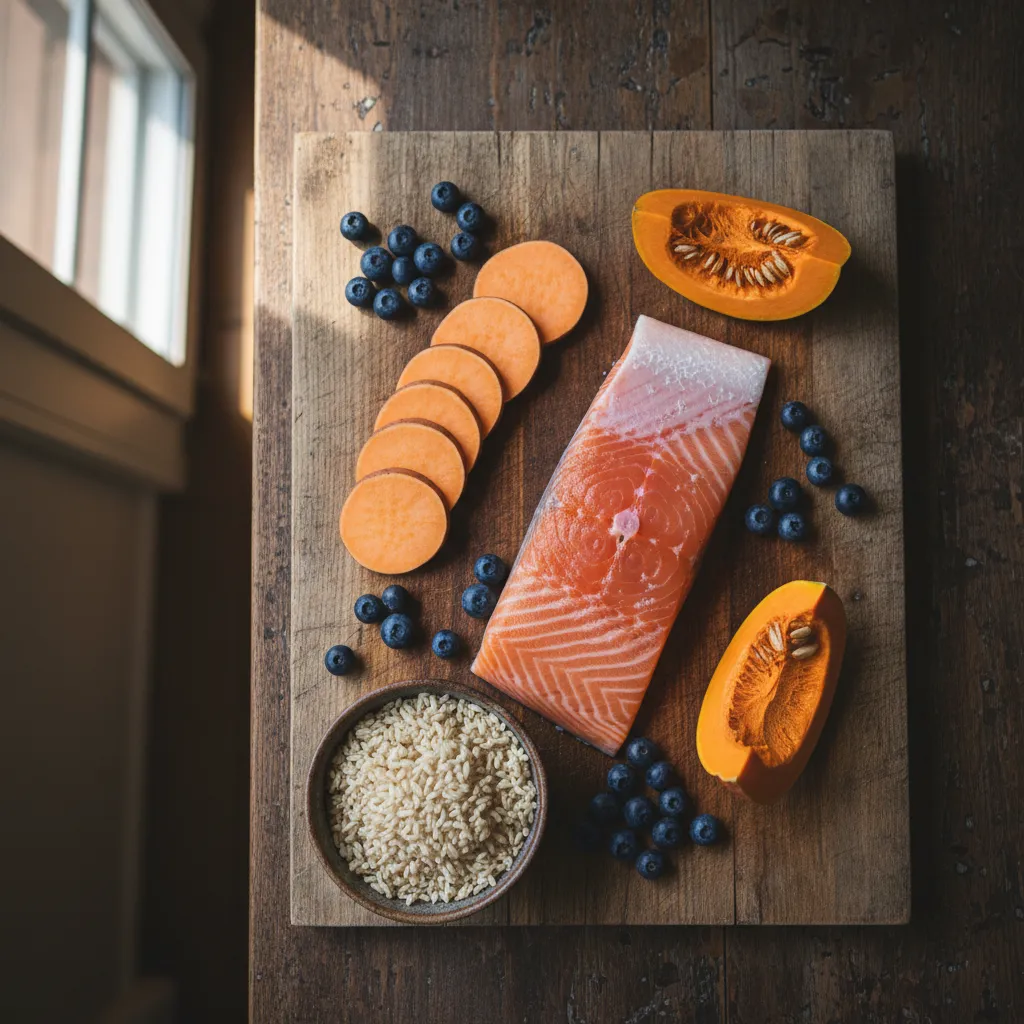
Other gut-friendly carbohydrate sources to look for include:
- Oatmeal: A gluten-free whole grain (when pure) that is gentle and provides beta-glucan fiber
- Brown rice: Easily digestible and a staple in many sensitive-stomach formulas
- Barley: High in soluble fiber that acts as a prebiotic, feeding beneficial gut bacteria
- Peas: A moderate source of fiber and plant-based protein, though some dogs tolerate them better than others
On the grain-free question, I want to be straightforward. While grain-free diets have surged in popularity, the FDA has investigated a potential link between certain grain-free diets and dilated cardiomyopathy (DCM) in dogs. Unless your dog has a confirmed grain intolerance, a formula that includes wholesome, easily digestible grains like brown rice or oatmeal may actually be the safer choice for long-term health.
Beneficial Supplements and Functional Additives
The best sensitive-stomach formulas go beyond basic nutrition by including functional ingredients that actively support digestive health. Here is what I look for when evaluating a food for my clients’ dogs.
Probiotics are live beneficial bacteria that colonize the gut and help maintain a healthy microbiome. Look for named strains on the ingredient list, particularly Lactobacillus acidophilus, Bifidobacterium animalis, and Enterococcus faecium. These strains have the most research behind them for canine digestive health. A study published in the Journal of Veterinary Internal Medicine found that probiotic supplementation significantly reduced the duration of acute diarrhea episodes in dogs.
Prebiotics are the food that probiotics feed on. Ingredients like chicory root (a source of inulin), fructooligosaccharides (FOS), and mannan-oligosaccharides (MOS) create an environment in the gut where beneficial bacteria can thrive and crowd out harmful microorganisms.
Omega-3 fatty acids, particularly EPA and DHA from fish oil or salmon oil, are powerful anti-inflammatories. Chronic gut inflammation is a hallmark of digestive sensitivity, and omega-3s can help calm the intestinal lining. I have seen dogs with persistent loose stools show real improvement once they were switched to a formula with adequate omega-3 content, typically listed as a minimum of 0.3% DHA on the guaranteed analysis.
Other beneficial additives include:
- Digestive enzymes: Protease, amylase, and lipase help break down proteins, starches, and fats more efficiently
- Ginger root: A natural anti-nausea ingredient that has been used in veterinary nutrition for decades
- L-glutamine: An amino acid that supports the integrity of the intestinal wall
- Zinc: Essential for gut lining repair and immune function within the digestive tract
Ingredients to Avoid
Knowing what to look for is only half the equation. Equally important is knowing which ingredients are most likely to trigger digestive distress in sensitive dogs.
Artificial preservatives such as BHA, BHT, and ethoxyquin are among the most common culprits. These chemical preservatives can irritate the gut lining and have been linked to various health concerns. Instead, look for foods preserved with natural alternatives like mixed tocopherols (vitamin E) or rosemary extract.
Artificial colors and flavors serve absolutely no nutritional purpose and exist solely to make the food look or smell more appealing to humans. Red 40, Yellow 5, and Blue 2 are completely unnecessary additives that can irritate sensitive digestive systems.
Corn, wheat, and soy are the three most common allergens and intolerance triggers in commercial dog food. While not every sensitive dog will react to these ingredients, they are harder to digest than alternatives like sweet potato or brown rice. Soy, in particular, can cause excessive gas and bloating.
High-fat content is another concern. While dogs need healthy fats, excessively rich formulas with fat content above 16 to 18 percent can overwhelm the digestive system, particularly in dogs with pancreatitis risk factors. Always check the guaranteed analysis panel on the packaging.
Additional ingredients I recommend avoiding for sensitive dogs include:
- Carrageenan: A thickener used in wet foods that has been linked to intestinal inflammation
- Xanthan gum: Can cause bloating and loose stools in sensitive individuals
- Garlic and onion powder: Toxic to dogs in larger quantities and irritating to the stomach even in small amounts
- Excessive salt: Can lead to increased thirst, water retention, and digestive upset
Comparing Common Sensitive Stomach Ingredients
To help you quickly evaluate dog food labels, I have put together a comparison of common ingredients you will encounter when shopping for a dog food for sensitive stomach issues. This table covers digestibility, common benefits, and potential concerns.
| Ingredient | Category | Digestibility | Key Benefit | Watch Out For |
|---|---|---|---|---|
| Salmon | Protein | High | Rich in omega-3s; anti-inflammatory | Must be named source, not generic “fish meal” |
| Venison | Protein | High | Novel protein; lean and gentle | Can be expensive; limited availability |
| Chicken | Protein | Moderate | Widely available; affordable | One of the most common intolerance triggers |
| Sweet potato | Carbohydrate | High | Soluble fiber; antioxidants | High glycemic index in large amounts |
| Brown rice | Carbohydrate | High | Gentle whole grain; easy to digest | Not suitable for grain-intolerant dogs |
| Corn | Carbohydrate | Low | Inexpensive energy source | Common allergen; hard to digest |
| Pumpkin | Fiber source | High | Firms loose stools; dual-fiber source | Must be plain, not pie filling |
| Chicory root | Prebiotic | High | Feeds beneficial gut bacteria | Excessive amounts can cause gas |
| Fish oil | Fat/Supplement | High | EPA and DHA reduce gut inflammation | Can go rancid; check for natural preservatives |
| BHA/BHT | Preservative | N/A | Extends shelf life | Chemical preservative; may irritate gut lining |

How to Transition to a Sensitive Stomach Formula
Even the best dog food for sensitive stomach issues can cause problems if you switch too quickly. I cannot stress this enough: a gradual transition is non-negotiable. The gut microbiome needs time to adjust to new ingredients, and an abrupt change is one of the most common reasons I see dogs develop digestive upset after a food switch.
Here is the transition schedule I recommend to every client:
Days 1 to 2: Feed 75 percent of the old food mixed with 25 percent of the new food. Watch for any immediate reactions like refusal to eat, vomiting, or diarrhea.
Days 3 to 4: Move to a 50/50 split between old and new food. Most dogs handle this stage well, but if you notice soft stools, hold at this ratio for an extra day or two before progressing.
Days 5 to 7: Increase to 75 percent new food and 25 percent old food. By now, you should be seeing some positive changes if the new formula is a good fit.
Days 8 to 10: Complete the transition to 100 percent new food. Continue monitoring stool quality, energy levels, and appetite for the next two to four weeks.
For dogs with particularly sensitive systems, I sometimes extend this timeline to 14 to 21 days. There is no prize for rushing. If your dog is a puppy going through their first year, be especially cautious with transitions, as young digestive systems are still developing.
A few additional tips for a smooth transition:
- Feed smaller, more frequent meals (three to four times daily) during the transition period
- Avoid adding treats, table scraps, or other extras until the transition is complete
- Keep a simple food diary noting what you fed and how your dog responded each day
- Ensure your dog is getting adequate daily exercise, as physical activity supports healthy digestion
When to See Your Veterinarian
While dietary changes can resolve many cases of digestive sensitivity, there are situations where professional veterinary guidance is essential. As a trainer, I always tell my clients that I can help with behavior and nutrition basics, but a veterinarian is the right partner for medical concerns.
See your vet promptly if your dog experiences any of the following:
- Vomiting or diarrhea lasting more than 48 hours
- Blood or mucus in the stool
- Sudden and significant weight loss
- Complete refusal to eat for more than 24 hours
- Signs of dehydration, including dry gums, sunken eyes, or lethargy
- Abdominal pain indicated by whimpering, a hunched posture, or reluctance to be touched
Your veterinarian may recommend diagnostic testing, including blood work, fecal analysis, or imaging, to rule out conditions like pancreatitis, intestinal parasites, or IBD. The American Kennel Club’s health resources provide an excellent overview of common digestive conditions and when they warrant medical intervention.
In some cases, your vet may refer you to a board-certified veterinary nutritionist who can formulate a custom diet tailored to your dog’s unique needs. This is especially valuable for dogs with multiple health concerns or those who have not responded to commercial sensitive-stomach formulas. The American College of Veterinary Nutrition maintains a directory of certified specialists.
If your dog’s sensitive stomach is accompanied by behavioral changes, such as increased anxiety around mealtimes, pacing, or avoidance of their food bowl, it is worth considering whether stress is a contributing factor. I have written extensively about recognizing and treating nervous behavior in dogs, and addressing the emotional component can sometimes resolve the physical symptoms as well.
Choosing the right dog food for sensitive stomach problems is one of the most impactful decisions you can make for your dog’s comfort and long-term health. Start with a single-source novel protein, pair it with gentle carbohydrates, look for probiotic and omega-3 support, and always transition slowly. With patience and the right ingredients in the bowl, most dogs see meaningful improvement. Understanding how to choose the right diet for your dog is a skill that will serve you and your four-legged companion for years to come.
Key Points
- Choose a formula with a single, named novel protein like salmon, venison, or duck as the first ingredient
- Prioritize sweet potato, pumpkin, and brown rice as gentle, high-fiber carbohydrate sources
- Look for named probiotic strains and prebiotic fiber such as chicory root on the ingredient label
- Avoid artificial preservatives (BHA, BHT), corn, wheat, and soy in sensitive-stomach formulas
- Transition to any new food gradually over 7 to 10 days using a 25/50/75/100 percent schedule
Frequently Asked Questions
What is the best protein source in dog food for sensitive stomach issues?
Novel proteins that your dog has not previously been exposed to tend to work best. Salmon, venison, duck, and rabbit are among the most digestible and least likely to trigger intolerance reactions. Always look for a single, named protein source as the first ingredient on the label rather than vague terms like “meat meal” or “animal by-products.”
Most dogs begin showing improvement within 2 to 4 weeks of a complete transition to a new formula. However, some dogs with chronic conditions like IBD may take 6 to 8 weeks before you see consistent results. If there is no improvement after 8 weeks, consult your veterinarian about further diagnostic testing or a different dietary approach.How long does it take for a sensitive stomach dog food to show results?
Not necessarily. While some dogs have genuine grain intolerances, wholesome grains like brown rice and oatmeal are highly digestible and provide valuable fiber. The FDA has also investigated a potential link between grain-free diets and heart disease in dogs. Unless your veterinarian has confirmed a grain intolerance, a formula with easily digestible grains is often the safer and more nutritious choice.Is grain-free dog food better for dogs with sensitive stomachs?
Yes, plain canned pumpkin (not pie filling) is an excellent digestive aid. It contains both soluble and insoluble fiber, which can help firm up loose stools and support regular bowel movements. Start with 1 teaspoon per 10 pounds of body weight per meal and adjust based on your dog’s response. Many veterinary nutritionists recommend it as a safe, natural supplement.Can I add pumpkin to my dog’s food for digestive support?
If your dog’s digestive issues are mild and occasional, you can try a sensitive-stomach formula on your own using a gradual transition. However, if symptoms are persistent, severe, or accompanied by weight loss, blood in stool, or lethargy, a veterinary consultation is essential. Your vet can rule out underlying conditions and may refer you to a board-certified veterinary nutritionist for a customized diet plan.Should I consult a veterinarian before switching to a sensitive stomach formula?
Probiotics are live beneficial bacteria that help maintain a healthy balance of microorganisms in your dog’s gut. Named strains like Lactobacillus acidophilus and Bifidobacterium animalis can reduce the duration of diarrhea episodes, improve nutrient absorption, and strengthen the intestinal barrier. For maximum effectiveness, look for foods that also contain prebiotic fiber such as chicory root, which feeds and sustains the probiotic colonies.How do probiotics in dog food help with sensitive stomachs?