

Key Takeaways
- By age three, roughly 80% of dogs show signs of periodontal disease, making dental care one of the most overlooked areas of canine health
- Daily tooth brushing with an enzymatic dog toothpaste can reduce plaque build-up by up to 70% compared to no brushing at all
- Untreated gum disease can lead to bacterial infections that spread to the heart, kidneys and liver
- Professional veterinary dental cleanings under anaesthesia are recommended once a year for most adult dogs
- Small and brachycephalic breeds are at significantly higher risk of dental problems due to tooth crowding
- Products approved by the Veterinary Oral Health Council (VOHC) are the most reliable dental chews and rinses on the market
In This Guide
- Why Dog Dental Care Matters More Than You Think
- Understanding Tartar, Plaque and Gum Disease in Dogs
- Signs Your Dog Has a Dental Problem
- How to Brush Your Dog’s Teeth at Home
- Dental Chews, Toys and Water Additives
- Professional Dental Cleanings: What to Expect
- Breed-Specific Dental Concerns
- Building a Complete Dog Dental Care Routine
I have spent over a decade working with dogs of every size, breed and temperament. In that time, I have seen countless owners invest heavily in premium food, regular exercise and thorough grooming routines, yet completely overlook one of the most critical aspects of their dog’s wellbeing: dog dental care. The truth is, what is happening inside your dog’s mouth can have a profound impact on their overall health, comfort and even lifespan.
When I adopted my first training dog, a scrappy little terrier mix named Biscuit, I had no idea that his persistent bad breath was actually a sign of stage-two periodontal disease. That experience changed the way I approach canine health education, and it is why I now make dental care a core part of every puppy programme I run. In this guide, I will walk you through everything you need to know to keep your dog’s teeth clean, their gums healthy and their breath as fresh as possible.
Why Dog Dental Care Matters More Than You Think
Most dog owners think of dental issues as a cosmetic concern: a bit of yellowing, some bad breath, nothing urgent. But the reality is far more serious. According to the American Veterinary Medical Association (AVMA), periodontal disease is the most common clinical condition in adult dogs, affecting the vast majority by the time they reach middle age.
The bacteria that accumulate in an unhealthy mouth do not stay there. They enter the bloodstream through inflamed gum tissue and can travel to major organs. Research published in veterinary journals has linked severe periodontal disease to heart valve infections, kidney damage and liver complications. Dogs with advanced dental disease also experience chronic pain that they are remarkably good at hiding, which means many owners have no idea their pet is suffering.
Beyond systemic health risks, poor dental hygiene directly affects your dog’s quality of life. A dog with sore gums or loose teeth may stop eating kibble, become reluctant to play with toys or show subtle behavioural changes that owners often attribute to ageing rather than pain. Investing in proper dog dental care is one of the simplest and most effective ways to add healthy, comfortable years to your dog’s life.
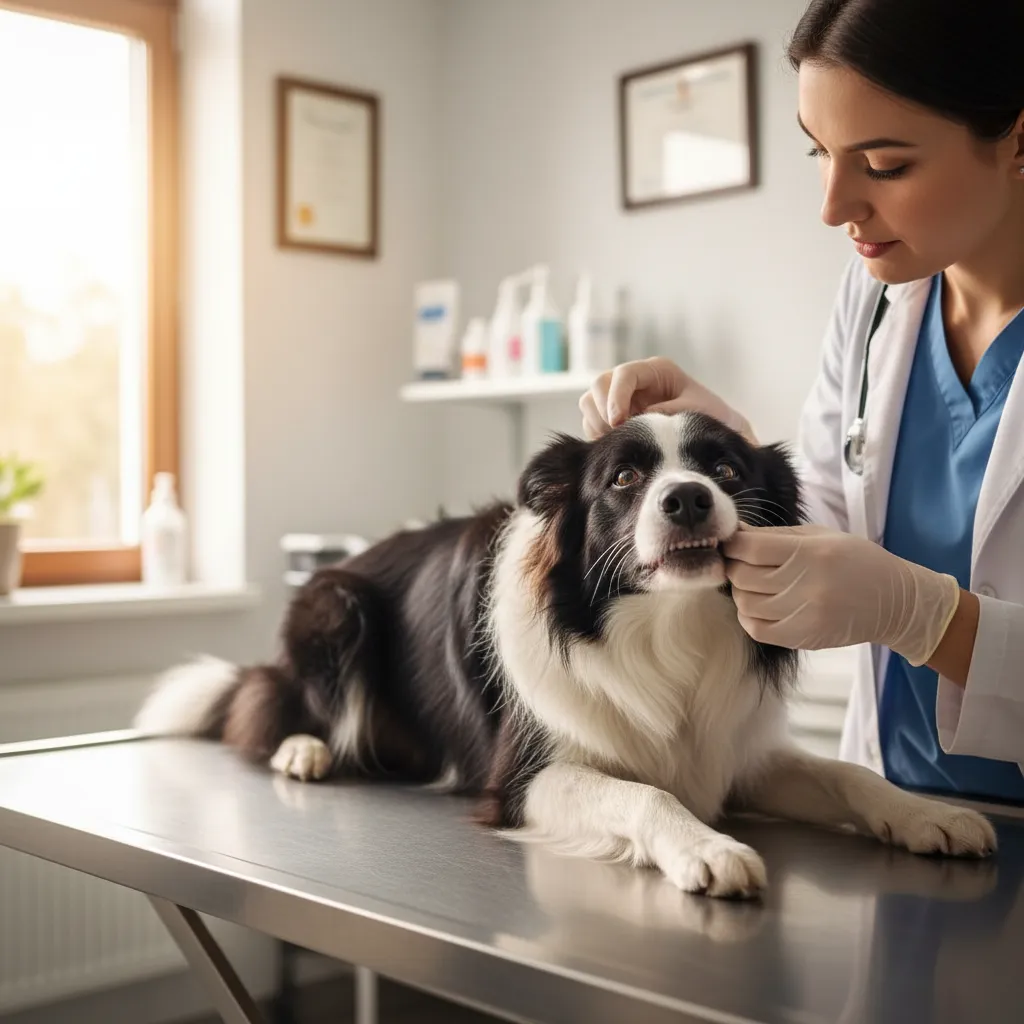
Understanding Tartar, Plaque and Gum Disease in Dogs
To protect your dog’s teeth effectively, it helps to understand how dental disease develops. The process follows a predictable progression that, once you recognise it, becomes much easier to interrupt.
Plaque is the soft, sticky film of bacteria that forms on your dog’s teeth within hours of eating. If you have ever run your tongue across your own teeth at the end of the day and felt that fuzzy coating, that is plaque. In dogs, plaque begins to mineralise into tartar (also called calculus) within 24 to 48 hours. Once plaque hardens into tartar, it cannot be removed by brushing alone; it requires professional scaling.
As tartar builds up along the gumline, it creates pockets where bacteria thrive. This triggers gingivitis, the earliest stage of gum disease, characterised by red, swollen gums that may bleed easily. Gingivitis is reversible with proper care. However, if left untreated, it progresses to periodontitis, where the infection destroys the structures supporting the teeth, including bone. At this stage, tooth loss becomes likely and the damage is permanent.
The four stages of periodontal disease in dogs are:
| Stage | Clinical Signs | Reversible? | Treatment |
|---|---|---|---|
| Stage 1: Gingivitis | Red gumline, mild swelling, no bone loss | Yes | Professional cleaning, home brushing |
| Stage 2: Early Periodontitis | Up to 25% bone loss, bad breath, gum recession | Partially | Deep cleaning, antibiotics, home care |
| Stage 3: Moderate Periodontitis | 25-50% bone loss, loose teeth, pain | No | Extractions may be needed, intensive treatment |
| Stage 4: Advanced Periodontitis | Over 50% bone loss, severe infection, tooth loss | No | Multiple extractions, possible surgery |
Understanding this progression is the first step toward effective prevention. The goal of a good dog dental care routine is to remove plaque daily before it ever gets the chance to harden into tartar.
Signs Your Dog Has a Dental Problem
Dogs are masters at masking pain. In the wild, showing weakness makes an animal vulnerable, and this instinct persists in our domesticated companions. As a trainer, I have learned to watch for subtle behavioural cues that many owners miss.
The most obvious sign is persistent bad breath. While a dog’s breath will never smell minty fresh, a strong, foul or fishy odour is not normal and usually indicates bacterial overgrowth in the mouth. Other signs to watch for include:
- Yellow or brown build-up on the teeth, particularly along the gumline
- Red, swollen or bleeding gums
- Difficulty chewing or dropping food from one side of the mouth
- Pawing at the face or rubbing the muzzle on furniture
- Excessive drooling or drool tinged with blood
- Reluctance to play with toys they previously enjoyed
- Decreased appetite or sudden preference for soft food only
- Loose, cracked or missing teeth
- Swelling around the eyes or under the jaw (possible tooth root abscess)
If you notice any of these signs, schedule a veterinary examination promptly. Early intervention can save teeth and prevent the need for costly extractions. As part of your dog’s regular health checks, including keeping up with their vaccination schedule, ask your vet to assess your dog’s oral health at every visit.
How to Brush Your Dog’s Teeth at Home
Daily brushing is the single most effective thing you can do for your dog’s dental health. I recommend it to every client I work with, from new puppy owners to people with senior rescues. The good news is that with the right approach, most dogs learn to tolerate and even enjoy the process.
What You Need
You will need a dog-specific toothbrush (never use a human one, as the bristles are too stiff) and enzymatic dog toothpaste. Human toothpaste contains fluoride and xylitol, both of which are toxic to dogs. Dog toothpastes come in flavours like poultry, beef and peanut butter, which makes the experience far more appealing for your pet. Finger brushes work well for small dogs and puppies, while long-handled brushes with angled heads are better for medium and large breeds.
Step-by-Step Introduction
The key to success is making brushing a positive experience from the very first session. This is where my training background becomes especially relevant. Rushing the process or forcing your dog’s mouth open will create a negative association that is difficult to undo.
- Week one: Let your dog lick toothpaste from your finger. Praise and reward. Do this for several days until they eagerly anticipate the toothpaste.
- Week two: With toothpaste on your finger, gently rub along the outside of the front teeth and gumline. Keep sessions under 30 seconds. Reward generously.
- Week three: Introduce the toothbrush with toothpaste. Brush the front teeth only, using gentle circular motions. Gradually work toward the back molars over several days.
- Week four and beyond: Aim for a full brushing session of 60 to 90 seconds, covering all tooth surfaces. Focus especially on the outer surfaces where tartar accumulates most heavily.
If your dog resists at any stage, go back a step. This is exactly the same positive reinforcement approach I use in all my training work: build confidence gradually, never punish, and always end on a positive note. For puppies, I incorporate tooth brushing into the weekly training plan from the earliest weeks.

Dental Chews, Toys and Water Additives
While nothing replaces brushing, supplementary dental products can make a meaningful difference, especially on days when brushing is not possible. However, the market is flooded with products making bold dental claims, and not all of them deliver results.
VOHC-Approved Products
The most reliable way to choose effective dental products is to look for the Veterinary Oral Health Council (VOHC) seal of approval. The VOHC independently evaluates dental products and only grants its seal to those that meet strict standards for reducing plaque or tartar. Products with the VOHC seal have been proven to work in controlled trials.
Dental Chews
Quality dental chews work through a combination of mechanical abrasion (the chewing action scrapes plaque off teeth) and chemical agents (ingredients like sodium hexametaphosphate that help prevent tartar mineralisation). When choosing dental chews, consider your dog’s size and chewing style. A chew that is too small poses a choking hazard, while one that is too hard can fracture teeth.
I always tell clients: if you cannot make a dent in the chew with your thumbnail, it is too hard for your dog’s teeth. This rules out items like antlers, bones and hooves, which are among the most common causes of slab fractures in dogs.
Water Additives and Dental Sprays
Water additives containing enzymes or chlorhexidine can help reduce bacterial load in the mouth. They are not a substitute for brushing, but they provide an additional layer of protection. Dental sprays and gels applied directly to the gumline can also be helpful, particularly for dogs who resist brushing. Again, look for the VOHC seal to ensure efficacy.
Dental Toys
Rubber toys with textured surfaces can help remove some plaque during play. While their dental benefits are modest compared to brushing or VOHC-approved chews, they contribute to overall oral health as part of a broader routine. Make sure dental toys are part of your dog’s regular exercise and play activities.
Professional Dental Cleanings: What to Expect
Even with excellent home care, most dogs will benefit from professional dental cleanings performed by a veterinarian. These cleanings address tartar that has already formed and allow your vet to examine the mouth thoroughly, including below the gumline where problems often hide.
Why Anaesthesia Is Necessary
Legitimate veterinary dental cleanings require general anaesthesia. This is a point of concern for many owners, but it is essential for several reasons. Anaesthesia allows the veterinarian to clean below the gumline (where the most harmful bacteria reside), take dental radiographs to assess bone health, and perform extractions if needed. A conscious dog cannot remain still enough for safe, thorough work, and the experience would be extremely stressful.
The British Small Animal Veterinary Association (BSAVA) and other professional bodies consistently advise against “anaesthesia-free” dental cleanings, which only address cosmetic tartar above the gumline and can give owners a false sense of security while disease progresses underneath.
What Happens During a Professional Cleaning
- Pre-anaesthetic blood work to ensure your dog is healthy enough for the procedure
- General anaesthesia with continuous monitoring of heart rate, blood pressure and oxygen levels
- Full oral examination and dental charting
- Dental radiographs (X-rays) to evaluate tooth roots and jawbone
- Ultrasonic scaling to remove tartar above and below the gumline
- Polishing to smooth tooth surfaces and slow future plaque attachment
- Extractions if any teeth are too damaged to save
- Recovery monitoring until your dog is fully awake
The cost of a professional dental cleaning varies depending on your location and the extent of work needed, but most cleanings range from £200 to £600. Complex cases requiring multiple extractions or oral surgery can cost significantly more. This is why prevention through daily home care is so valuable: it reduces the frequency and severity of professional interventions.

Breed-Specific Dental Concerns
While all dogs can develop dental disease, certain breeds face significantly higher risks. Understanding your dog’s predisposition helps you tailor your dental care approach accordingly.
Small Breeds
Small dog breeds such as Yorkshire Terriers, Chihuahuas, Dachshunds and Toy Poodles are disproportionately affected by dental disease. Their jaws are smaller, but they have the same number of teeth (42) as large breed dogs. This overcrowding creates tight spaces where food particles and bacteria accumulate rapidly, accelerating plaque and tartar formation. Small breeds often need their first professional cleaning by age two.
Brachycephalic Breeds
Flat-faced breeds like Bulldogs, Pugs and Shih Tzus have shortened jaws that cause significant tooth misalignment. Rotated and overlapping teeth create additional crevices for bacterial growth and make home brushing more challenging. These breeds require extra vigilance and often benefit from more frequent professional cleanings.
Greyhounds and Sighthounds
Greyhounds are genetically predisposed to poor dental health, with many developing periodontal disease at a young age despite good care. The reasons are not fully understood but may relate to differences in their oral microbiome and immune response. Greyhound owners should work closely with their vet to establish an aggressive preventive dental care programme.
Large and Giant Breeds
While large breeds generally have better tooth spacing, they face a different challenge: fractured teeth. Their powerful jaws can crack teeth on hard objects like bones, antlers or even crate bars. Fractured teeth expose the pulp cavity to bacteria and require veterinary treatment, usually extraction or root canal therapy.
Building a Complete Dog Dental Care Routine
The most effective approach to dog dental care combines multiple strategies into a consistent daily and annual routine. Based on my years of working with dogs and consulting with veterinary professionals, here is what I recommend.
Daily
- Brush your dog’s teeth once daily using enzymatic dog toothpaste. Evening is ideal, as it removes the day’s plaque before your dog sleeps.
- Provide a VOHC-approved dental chew appropriate for your dog’s size. Factor the calories into their daily food allowance to prevent weight gain.
Weekly
- Perform a visual mouth check. Lift your dog’s lips and look for redness, swelling, tartar build-up or any unusual lumps. Check that all teeth are intact.
- Assess your dog’s breath. A sudden change in odour warrants a vet visit.
Annually
- Schedule a veterinary dental examination as part of your dog’s annual wellness check.
- Arrange a professional dental cleaning if your vet recommends one. Some dogs, particularly small breeds, may need cleanings every six months.
Nutrition and Dental Health
The food you choose also plays a role in your dog’s dental health. Some veterinary dental diets are specifically formulated with larger kibble pieces that provide a scrubbing action as dogs chew. The World Small Animal Veterinary Association (WSAVA) provides guidelines on evaluating pet food quality. For detailed guidance on choosing the right diet, see our guide to selecting the best dog food for your pet’s needs.
Regardless of the type of food you choose, dental care should not rely on diet alone. I have seen owners assume that feeding dry kibble is enough to keep teeth clean, but this is a persistent myth. Kibble shatters on contact and provides minimal abrasive benefit. Daily brushing remains the cornerstone of any effective dental programme.
When thinking about your dog’s overall wellbeing, dental care fits alongside other essential aspects of responsible ownership. Just as you plan your dog’s exercise, training and breed-appropriate activities, oral health deserves a dedicated place in your daily routine. The small investment of time each day pays enormous dividends in your dog’s comfort, health and longevity.
Key Points
- Brush your dog’s teeth every day using enzymatic dog toothpaste and a breed-appropriate toothbrush
- Choose only dental chews and water additives with the VOHC seal of approval to ensure proven effectiveness
- Schedule a professional veterinary dental cleaning at least once a year, or more often for high-risk breeds
- Perform a weekly visual mouth check at home, looking for redness, tartar, loose teeth or unusual odour
- Never give your dog hard items like antlers, bones or hooves to chew, as they frequently cause tooth fractures
Frequently Asked Questions
How often should I brush my dog’s teeth?
Ideally, you should brush your dog’s teeth once every day. Daily brushing removes plaque before it mineralises into tartar, which happens within 24 to 48 hours. If daily brushing truly is not possible, aim for a minimum of three times per week, but understand that less frequent brushing will be less effective at preventing dental disease. Supplement with VOHC-approved dental chews on days you cannot brush.
Mild “doggy breath” can be normal, but persistently foul, fishy or unusually strong breath is not. Bad breath (halitosis) in dogs is most commonly caused by bacterial overgrowth associated with plaque, tartar and gum disease. It can also indicate other health issues such as kidney disease, diabetes or gastrointestinal problems. If your dog’s breath has suddenly worsened or smells particularly unpleasant, schedule a veterinary check-up to identify the cause.Is bad breath in dogs normal?
No, you should never use human toothpaste on your dog. Human toothpaste contains fluoride, which is toxic to dogs in the quantities they would swallow during brushing (dogs cannot rinse and spit). Many human toothpastes also contain xylitol, an artificial sweetener that is extremely poisonous to dogs and can cause liver failure. Always use toothpaste specifically formulated for dogs, which is safe to swallow and comes in flavours dogs enjoy.Can I use human toothpaste on my dog?
Start introducing tooth brushing as soon as you bring your puppy home, typically around eight weeks of age. While their baby teeth will eventually fall out, the purpose of early brushing is to build a positive association with the process so your puppy accepts it readily as an adult. Begin by letting your puppy lick dog toothpaste from your finger, then gradually progress to using a finger brush and eventually a proper toothbrush. Puppies who learn to accept brushing early rarely resist it as adults.At what age should I start brushing my puppy’s teeth?
Anaesthesia-free dental cleanings are not recommended by veterinary dental specialists. While they may remove visible tartar from tooth surfaces, they cannot address disease below the gumline, where the most harmful bacteria reside. They also cannot include dental radiographs, which are essential for detecting hidden problems like bone loss and tooth root abscesses. The procedure can be stressful for the dog and gives owners a false sense of security while serious disease may be progressing undetected. A proper dental cleaning under general anaesthesia, performed by a qualified veterinarian, is the only way to thoroughly assess and treat your dog’s oral health.Are anaesthesia-free dental cleanings safe for dogs?
The best dental chews are those that carry the Veterinary Oral Health Council (VOHC) seal of approval, which means they have been independently tested and proven to reduce plaque or tartar. Look for chews that are appropriately sized for your dog and soft enough that you can make an indent with your thumbnail. Avoid extremely hard chews such as antlers, real bones and hooves, which are common causes of fractured teeth. Always supervise your dog while they enjoy a dental chew and factor the calories into their daily food intake.What are the best dental chews for dogs?