
Key Takeaways
- A properly sized dog bed should be at least 6 inches longer and 6 inches wider than your dog’s body measurements taken from nose to tail base and ground to shoulder
- Orthopedic memory foam beds can reduce joint pressure by up to 80 percent, making them essential for senior dogs and breeds prone to hip dysplasia
- Dogs spend an average of 12 to 14 hours per day sleeping, so bed quality directly impacts their overall health and behavior
- Machine-washable covers should be cleaned every one to two weeks to prevent bacterial buildup, dust mites and odor
- Bolster and donut-style beds are the best choice for dogs with anxiety or nesting instincts, providing a sense of security that reduces stress behaviors
- Replacing your dog bed every one to two years (or sooner if the foam loses support) ensures consistent comfort and hygiene
In This Guide
- Why Every Dog Needs Their Own Bed
- How to Measure Your Dog for the Perfect Fit
- Dog Bed Styles: Finding the Right Shape
- Choosing the Best Dog Bed Material
- Dog Beds for Special Needs and Health Conditions
- Where to Place Your Dog’s Bed
- How to Keep Your Dog Bed Fresh and Clean
- Common Dog Bed Mistakes to Avoid
Over the past decade of working with families and their dogs here in Austin, I have watched one simple change transform a dog’s behavior, sleep quality and overall well-being more than almost any training tool: the right dog bed. It sounds basic, but the number of clients who come to me with a stressed, restless or destructive dog, only to discover that the animal has been sleeping on a flat pillow on a tile floor, is staggering.
A dog bed is not a luxury. It is a foundational piece of your dog’s daily environment, right up there with quality nutrition and regular exercise. In this guide, I will walk you through everything you need to know to choose the perfect bed for your dog, from getting the measurements right to picking materials that support their joints, suit their sleeping style and stand up to real life.
Why Every Dog Needs Their Own Bed
Dogs are den animals by nature. In the wild, canines seek out small, enclosed spaces to rest because these spots offer safety and warmth. A well-chosen dog bed replicates that instinct in your home, giving your dog a designated safe space that belongs entirely to them.
From a physical health perspective, sleeping on hard floors puts pressure on joints, elbows and hips. Over time, this can lead to calluses, pressure sores and worsening arthritis symptoms, particularly in large dog breeds that carry significant body weight. The American Veterinary Medical Association notes that proper rest surfaces play an important role in maintaining musculoskeletal health, especially as dogs age.
Behaviorally, having their own bed helps dogs self-regulate. I work extensively with separation anxiety in dogs, and one of the first things I recommend is establishing a consistent, comfortable resting spot. When a dog knows exactly where their safe place is, it lowers baseline stress. The bed becomes an anchor point, a place where the dog can retreat, decompress and feel secure without needing to follow you from room to room.
If you are bringing a puppy home for the first time, setting up the right bed from day one creates a positive sleep association that benefits both of you for years to come.
How to Measure Your Dog for the Perfect Fit
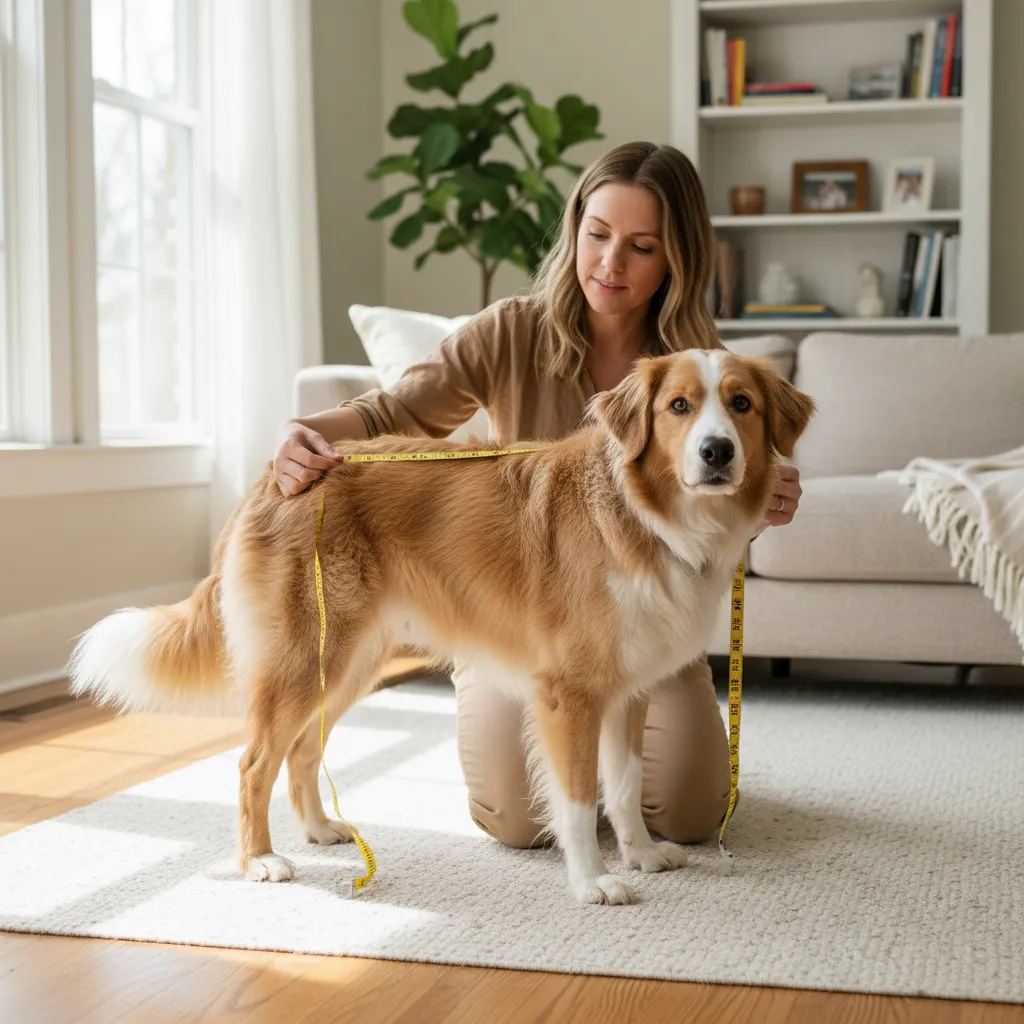
The single most common mistake I see dog owners make when buying a dog bed is guessing the size. Breed labels like “medium” or “large” vary wildly between manufacturers, so I always tell my clients to measure the actual dog, not the breed chart.
Here is my simple three-step measuring process:
- Length: With your dog standing naturally, measure from the tip of their nose to the base of their tail (not the tip). Add 6 to 12 inches to this number.
- Width: Measure from the ground to the top of your dog’s shoulder (the withers). This gives you the minimum width your dog needs to curl up comfortably. Add 6 inches.
- Weight: Weigh your dog, as this determines the density of foam or fill needed to provide adequate support. A 90-pound Labrador Retriever needs far denser cushioning than a 15-pound Cavalier King Charles Spaniel.
For dogs who love to stretch out while sleeping, go up one size from your measurements. For dogs who curl into tight balls, you can stick closer to the base measurements, but never go smaller.
| Dog Size Category | Typical Weight Range | Recommended Bed Dimensions | Example Breeds |
|---|---|---|---|
| Extra Small | Under 10 lbs | 18″ x 14″ to 22″ x 16″ | Chihuahua, Yorkshire Terrier, Maltese |
| Small | 10 to 25 lbs | 24″ x 18″ to 28″ x 22″ | French Bulldog, Cavalier King Charles, Shih Tzu |
| Medium | 25 to 50 lbs | 30″ x 24″ to 36″ x 28″ | Beagle, Cocker Spaniel, Border Collie |
| Large | 50 to 80 lbs | 40″ x 30″ to 44″ x 34″ | Labrador Retriever, Golden Retriever, Boxer |
| Extra Large | 80 to 120 lbs | 48″ x 36″ to 54″ x 38″ | German Shepherd, Rottweiler, Bernese Mountain Dog |
| Giant | Over 120 lbs | 54″ x 38″ and up | Great Dane, Mastiff, Saint Bernard |
If your dog falls between two size categories, always size up. A dog bed that is slightly too large is infinitely better than one that forces your dog to hang limbs over the edge.
Dog Bed Styles: Finding the Right Shape
Dog beds come in a surprisingly wide range of styles, and the best one for your dog depends largely on how they naturally sleep. I spend a lot of time observing dogs in my training sessions, and sleeping posture tells you a great deal about what kind of bed will make them happiest.
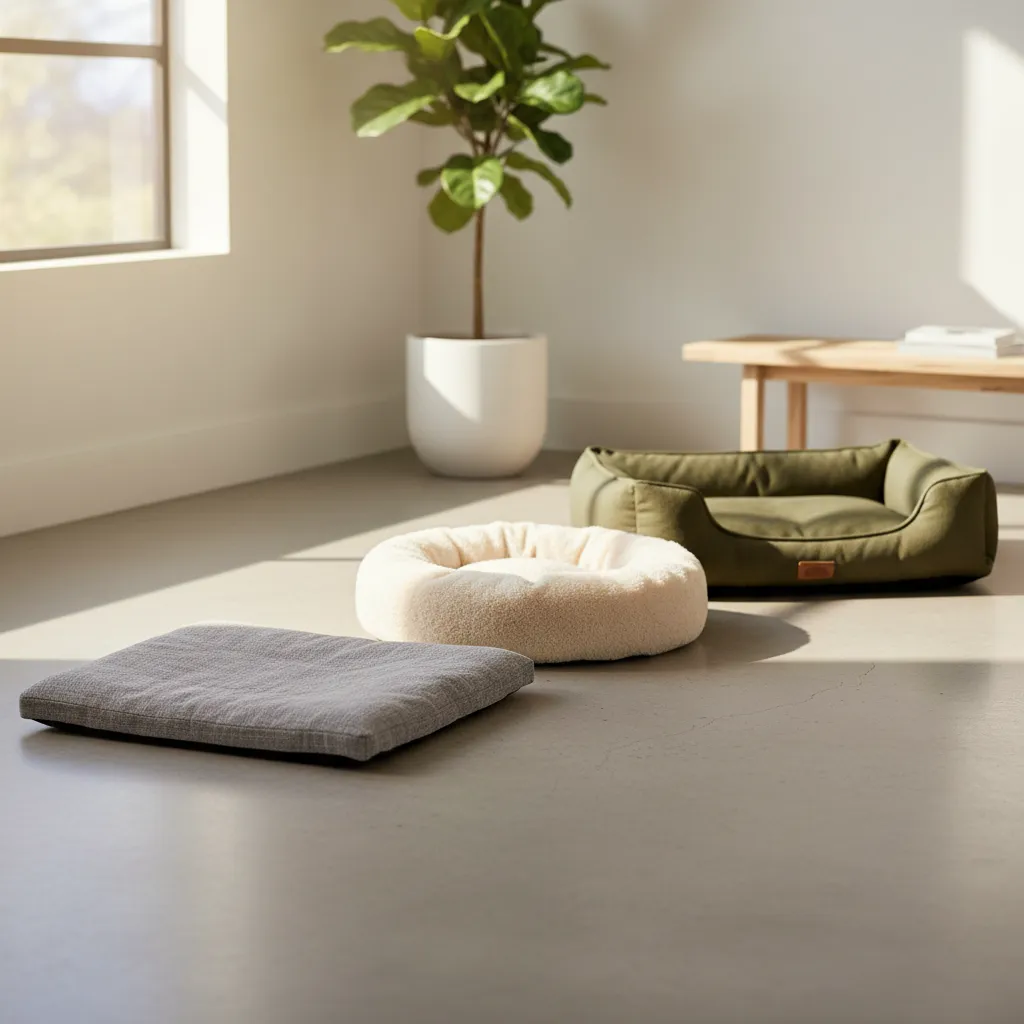
Flat Mat or Cushion Beds
These are the simplest option: a padded cushion that sits directly on the floor. They work well for dogs who sprawl out on their sides, and they are easy to tuck into crates. However, flat mats offer no bolstered edges, so they are not ideal for dogs who like to rest their heads on a raised surface or who feel more secure with boundaries around them.
Bolster Beds
Bolster beds have raised edges on three or four sides. These are among the most popular styles, and for good reason. The raised sides give dogs a place to rest their heads, provide a sense of enclosure and help retain body heat. I recommend bolster beds frequently for dogs dealing with anxiety, because the enclosed feeling mimics the security of a den.
Donut or Bagel Beds
Round beds with raised edges all the way around, donut beds are perfect for dogs who curl up tightly when they sleep. Small dog breeds and toy breeds especially love these, and they are a great option for apartment living where space is at a premium.
Orthopedic Beds
Built with high-density memory foam or medical-grade support foam, orthopedic beds are designed to distribute weight evenly and relieve pressure on joints. These are not just for senior dogs. Any breed prone to joint issues, including Dachshunds, German Shepherds and Bulldogs, benefits from orthopedic support starting in young adulthood.
Elevated or Cot-Style Beds
These beds use a fabric surface stretched over a raised frame. They keep dogs off cold or hot floors, promote air circulation and are nearly indestructible for heavy chewers. In hot climates like we have here in Austin, elevated beds are excellent for keeping dogs cool, especially outdoors.
Cave or Hooded Beds
Enclosed on the top and sides, cave beds appeal to dogs who burrow under blankets. Breeds like Dachshunds, Whippets and Italian Greyhounds are classic burrowers, and a hooded bed satisfies that instinct beautifully.
Choosing the Best Dog Bed Material
Material determines how long a dog bed lasts, how comfortable it is and how easy it is to maintain. Here is what I recommend based on years of seeing what holds up in real homes with real dogs.
Memory Foam
Memory foam is the gold standard for support. It conforms to your dog’s body shape, distributes weight evenly and rebounds to its original shape. Look for beds with at least 4 inches of foam for medium and large dogs. CertiPUR-US certified foam is free from harmful chemicals, which matters since your dog’s face is pressed into this material for half the day.
Polyester Fiberfill
Fiberfill is lightweight, affordable and machine-washable. It works well for puppies and younger dogs who do not yet need heavy joint support, but it compresses and loses its loft over time. Expect to replace fiberfill beds more frequently, roughly every 6 to 12 months depending on use.
Gel-Infused Foam
For dogs that run hot, gel-infused memory foam helps regulate temperature by dissipating body heat. This is particularly useful for brachycephalic breeds (flat-faced dogs like Bulldogs and Pugs) that are already prone to overheating.
Canvas and Ballistic Nylon
If your dog is a determined chewer or digger, these heavy-duty outer materials are your best bet. Ballistic nylon, the same material used in military-grade equipment, resists punctures and tears far better than standard cotton or fleece covers.
Waterproof Liners
Any household with a puppy in their first year, a senior dog or a dog prone to accidents should choose a bed with a waterproof liner between the cover and the foam. This single feature extends the life of the foam core dramatically and prevents bacterial growth and odor.
For dogs with skin sensitivities or allergies, opt for hypoallergenic covers made from tightly woven fabrics that resist dust mite accumulation. Avoid heavily dyed or chemically treated fabrics, and always wash new covers before first use.
Dog Beds for Special Needs and Health Conditions
One of the things I emphasize with every client is that a dog bed is not one-size-fits-all, especially when health conditions are involved. The right bed can genuinely improve your dog’s quality of life.
Arthritis and Joint Disease
Dogs with arthritis need thick, high-density orthopedic foam that keeps their joints from pressing against the floor. According to research from the American College of Veterinary Surgeons, osteoarthritis affects roughly 25 percent of all dogs, with rates increasing significantly after age seven. A supportive dog bed, combined with appropriate exercise, is a key part of managing this condition at home.
For arthritic dogs, I also recommend beds with a low entry point or a dipped front edge so the dog does not have to step over a high bolster to lie down.
Anxiety and Stress
As I mentioned, I specialize in separation anxiety rehabilitation, and bed choice plays a real role in a comprehensive treatment plan. Dogs with anxiety benefit from enclosed-style beds (bolster, donut or cave) that offer a sense of containment. The pressure of leaning against raised sides has a calming effect similar to the principle behind weighted blankets for humans. If your dog shows signs of anxiety, pairing the right bed with a structured behavior modification program often produces noticeable improvement within weeks.
Post-Surgery Recovery
After orthopedic surgery such as TPLO or hip replacement, your veterinarian will likely recommend crate rest. An orthopedic bed that fits snugly inside the crate provides critical support during recovery. Look for beds with non-slip bottoms to prevent the bed from sliding when the dog shifts position.
Incontinence
For senior dogs or dogs with medical conditions that cause accidents, choose beds with fully waterproof, sealed inner liners and removable, machine-washable covers. Some brands offer antimicrobial fabric treatments that reduce odor between washes.
Where to Place Your Dog’s Bed
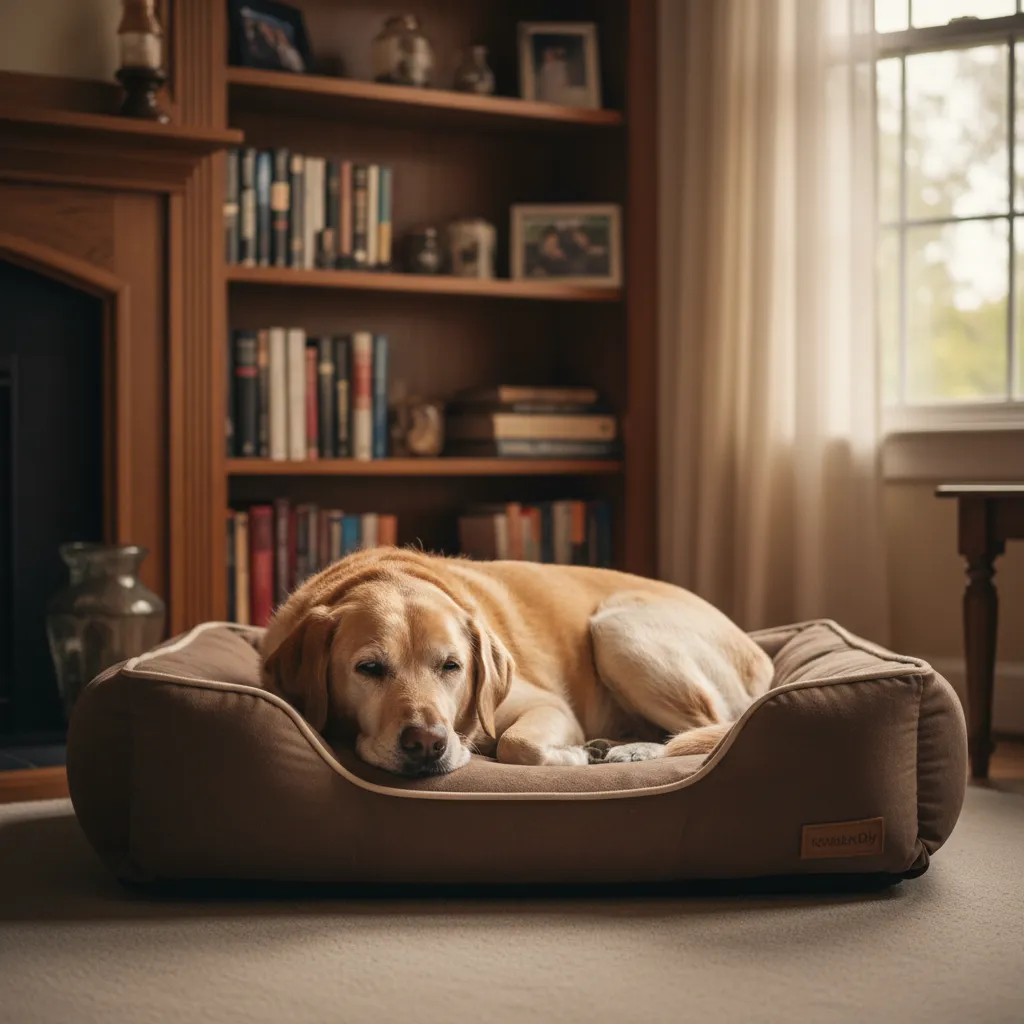
Location matters as much as the bed itself. A beautiful orthopedic bed placed in the wrong spot will go unused.
Near family activity, but not in the path of traffic. Dogs want to be close to their people, but they also need a spot where they will not be constantly stepped over or disturbed. A corner of the living room or a quiet section of the bedroom works well. Avoid placing beds directly next to exterior doors where drafts, noise and constant comings and goings can prevent restful sleep.
Temperature control is also important. Keep beds away from direct heat sources like radiators and sunny windows that can cause overheating, and away from air conditioning vents that create cold drafts. The ideal sleeping temperature for most dogs is between 65 and 75 degrees Fahrenheit.
If you are crate training or following a structured puppy training plan, place a bed inside the crate to create a positive association with the space. For training purposes, having a second bed in a communal area gives your dog a “place” command target, which is one of the most useful behaviors you can teach.
I generally recommend having at least two dog beds in the home: one in the main living space and one in the bedroom. Dogs who sleep near their owners tend to show fewer nighttime anxiety behaviors, and the proximity strengthens your bond.
How to Keep Your Dog Bed Fresh and Clean
A dirty dog bed is worse than no dog bed at all. Bacteria, dust mites, flea eggs and allergens accumulate quickly in unwashed bedding, potentially causing skin irritation and respiratory issues for both your dog and your family.
Here is the cleaning schedule I recommend to my clients:
- Weekly: Vacuum the bed surface thoroughly to remove hair, dander and debris. A handheld vacuum or an upholstery attachment works best.
- Every one to two weeks: Remove the cover and wash it in hot water with a pet-safe, fragrance-free detergent. Tumble dry on low heat.
- Monthly: If the foam insert has a waterproof liner, wipe it down with a solution of equal parts water and white vinegar. If the foam itself is exposed, spot clean only and allow it to air dry completely in the sun.
- Seasonally: Inspect the foam core for compression, sagging or odor that does not resolve with cleaning. Replace the bed if the foam no longer springs back when pressed.
Regular grooming at home, including brushing and bathing your dog on a consistent schedule, significantly reduces how quickly their bed gets dirty. Dogs with proper dental care also tend to drool less on their bedding, which helps keep things fresher between washes.
A quick tip that has saved many of my clients from premature bed replacement: use a fitted sheet or extra cover over the bed between washes. It takes the brunt of daily wear and is far easier to toss in the machine than the bed cover itself.
Common Dog Bed Mistakes to Avoid
After years of consulting with dog owners, these are the mistakes I see most often:
- Buying based on aesthetics alone. A dog bed that matches your living room decor is wonderful, but not if the material irritates your dog’s skin or the fill does not support their weight. Function must come first.
- Choosing a bed that is too small. Dogs need room to shift, stretch and reposition during sleep. A cramped bed leads to restless sleep and, over time, joint stiffness.
- Skipping the washable cover. Beds without removable, machine-washable covers are nearly impossible to keep sanitary. I consider this feature non-negotiable.
- Not replacing the bed when it is worn out. Foam that has compressed and no longer bounces back provides zero joint support. Most beds need replacing every 12 to 24 months, depending on quality and use.
- Placing only one bed in the house. If your dog spends time in multiple rooms, they need resting options in each space. Otherwise, they default to the couch, the rug or the bare floor.
- Ignoring the dog’s sleeping style. Observe how your dog naturally rests. A dog who always curls up does not need a sprawling flat mat, and a dog who stretches out fully will be miserable in a donut bed.
- Forgetting the puppy will grow. If you have a puppy, plan for their adult size. Buying a bed sized for a puppy means replacing it within months. A larger bed with a bolster or blanket filler can grow with them through that critical first year.
The American Kennel Club notes that adult dogs sleep 12 to 14 hours per day, with puppies and seniors sleeping even more. That means your dog spends roughly half their life on their bed. It deserves as much thought as you put into choosing your own mattress.
Key Points
- Measure your dog from nose to tail base and ground to shoulder, then add at least 6 inches to each dimension for the correct bed size
- Choose orthopedic memory foam at least 4 inches thick for any dog over 40 pounds or any breed prone to joint issues
- Match the bed style to your dog’s sleeping position: bolster or donut for curlers, flat mat for sprawlers, elevated cot for hot climates
- Wash the removable cover in hot water every one to two weeks and vacuum the bed surface weekly to prevent allergen buildup
- Place beds in at least two locations in your home, near family activity but away from drafts, direct heat and high-traffic walkways
Frequently Asked Questions
What size dog bed do I need for my dog?
Measure your dog from nose to tail base for length and from the ground to the top of their shoulder for width. Add 6 to 12 inches to each measurement. For example, a dog that measures 30 inches long and 20 inches tall at the shoulder needs a bed that is at least 36 by 26 inches. Always size up if your dog falls between categories or tends to stretch out while sleeping.
Yes, especially for medium to large breeds, senior dogs and any breed prone to hip dysplasia or arthritis. High-density memory foam distributes body weight evenly and reduces pressure on joints. While orthopedic beds cost more upfront, they typically last longer than fiberfill alternatives and can reduce veterinary costs associated with joint pain and mobility issues over time.Are orthopedic dog beds worth the extra cost?
Wash the removable cover every one to two weeks in hot water with a fragrance-free, pet-safe detergent. Vacuum the bed surface weekly to remove hair and dander. Wipe down waterproof liners monthly, and do a full inspection of the foam core every three months for signs of compression or odor that cleaning cannot resolve.How often should I wash my dog’s bed?
A dog bed alone will not cure separation anxiety, but the right bed is a valuable component of a comprehensive treatment plan. Bolster and donut-style beds that provide a sense of enclosure help anxious dogs feel more secure. Placing the bed in a consistent location creates a predictable safe space. Combined with structured behavior modification techniques, a proper bed can meaningfully reduce anxiety-related behaviors like pacing, whining and destructiveness.Can a dog bed help with separation anxiety?
Bed chewing is often caused by boredom, anxiety or teething in puppies. First, address the root cause by ensuring your dog gets enough daily exercise and mental stimulation. For persistent chewers, choose an elevated cot-style bed or one made with chew-resistant ballistic nylon. Avoid beds with zippers or loose fabric edges that invite chewing. For puppies, provide appropriate chew toys nearby so they learn to redirect the behavior away from their bed.How do I stop my dog from chewing their bed?
Replace your dog’s bed when the foam no longer springs back after being pressed, when persistent odor remains after thorough cleaning, or when the cover shows significant wear such as thinning fabric or broken seams. For most beds, this means replacement every 12 to 24 months. High-quality orthopedic beds with dense foam may last up to three years with proper care and regular cover washing.When should I replace my dog’s bed?