

Key Takeaways
- Hill’s Science Diet weight management dog food delivers roughly 15–25% fewer calories per cup than standard adult formulas while maintaining essential nutrient density
- The Science Plan Perfect Weight range averages 321 kcal per 100 g, making it one of the lower-calorie over-the-counter options from Hill’s
- Hill’s Prescription Diet Metabolic is a separate, veterinary-authorised formula that should not be confused with the retail Science Diet/Science Plan lines
- L-carnitine, included at approximately 300 ppm in most Hill’s weight formulas, supports fat metabolism and lean muscle preservation
- Most healthy adult dogs can expect visible results within 8 to 10 weeks when Hill’s calorie guidelines and daily exercise targets are followed consistently
- Switching to a weight management kibble is only effective when combined with measured portions, limited treats and regular activity
In This Guide
- What Is Hill’s Science Diet Weight Management Dog Food?
- Key Ingredients and Nutritional Breakdown
- Hill’s Science Plan vs Prescription Diet: Which Weight Line Do You Need?
- Calorie and Nutrient Comparison Table
- Feeding Guidelines and Transition Tips
- Real-World Results: What to Expect
- Complementary Strategies for Canine Weight Loss
- Potential Drawbacks and Honest Criticisms
- Key Points Before You Buy
If your veterinarian has gently hinted that your dog could stand to lose a few pounds, you are far from alone. According to the PDSA PAW Report, an estimated 51% of dogs in the UK are overweight or obese. That statistic keeps me up at night as a trainer because I see the behavioural fallout every day: dogs that are too heavy move less, play less and often develop frustration-based issues that their owners mistake for stubbornness. Nutrition sits at the very foundation of behaviour, which is why I pay close attention to weight management formulas like Hill’s Science Diet.
I have recommended Hill’s science diet weight management dog food to dozens of clients over the past decade, sometimes alongside a high-protein weight management kibble for comparison. In this article I will walk you through exactly what this range contains, how it compares to Hill’s veterinary Metabolic line, what results you can realistically expect, and where I think the formula falls short.
What Is Hill’s Science Diet Weight Management Dog Food?
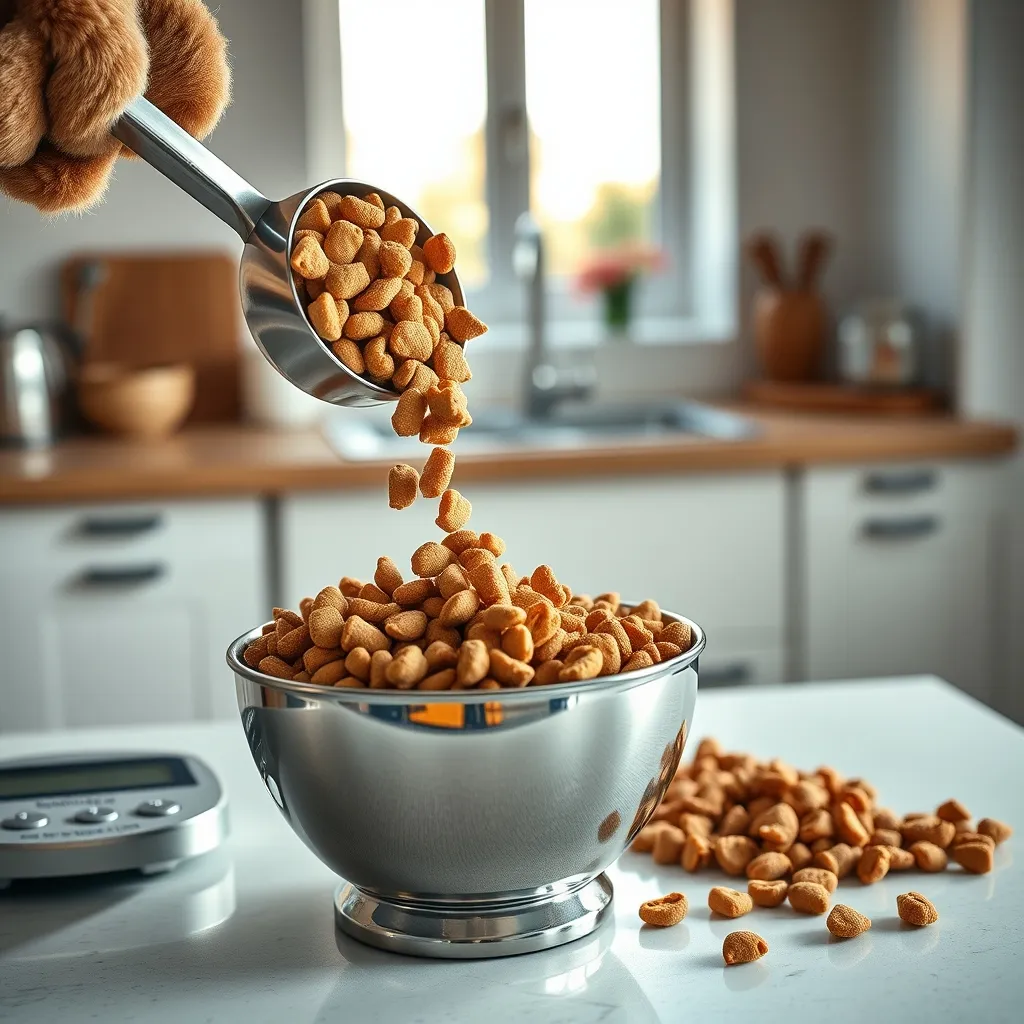
Hill’s Pet Nutrition markets two distinct tiers of weight-control food for dogs. The one most owners encounter first is the Science Plan Perfect Weight range (known in some markets as Science Diet Light or Science Diet Perfect Weight). This is a retail product: you can buy it in pet shops, supermarkets and online without a prescription.
The formula is built around a simple principle. It reduces total fat content, increases dietary fibre to promote satiety, and fortifies the recipe with L-carnitine to encourage the body to use fat stores for energy. The protein source is typically chicken, although lamb variants exist in certain markets. Hill’s states that their Perfect Weight formula has helped 70% of dogs achieve a healthier weight within 10 weeks in clinical feeding studies. That is a bold claim, and I will examine the nuances later in this article.
What matters from a training perspective is that a dog on a well-formulated weight management diet should feel satisfied between meals. A hungry dog is a distracted dog, and distracted dogs are harder to train. The fibre blend Hill’s uses, a combination of cellulose, dried beet pulp and flaxseed, is designed to create bulk in the stomach without adding excessive calories. In my experience, most dogs transition to this formula without the frantic food-seeking behaviour I sometimes see with very low-calorie diets.
Key Ingredients and Nutritional Breakdown
Understanding what goes into your dog’s bowl is the first step towards making a confident choice. Here is a closer look at the core components of Hill’s Science Plan Perfect Weight Medium Adult with Chicken, one of the best-selling SKUs in the weight management line.
Primary protein: Chicken and turkey meal. These dehydrated meat meals are concentrated protein sources, typically containing around 65% protein by weight after rendering. Hill’s lists chicken as the first ingredient, which aligns with current expectations for a quality kibble.
Carbohydrate base: Maize, brewers’ rice and wheat. This is where opinions diverge. Some owners prefer grain-free formulas, but current evidence from the FDA’s investigation into diet-associated dilated cardiomyopathy suggests that grain-inclusive diets may actually be safer for many breeds. I am comfortable with the grain inclusion here.
Fibre sources: Cellulose, dried beet pulp and flaxseed. Together these deliver a crude fibre content of approximately 12.5%, significantly higher than the 2–4% found in standard adult formulas. This is the satiety engine of the food.
Fat content: Animal fat and fish oil. Total fat sits at roughly 9% on a dry-matter basis, compared to 14–16% in Hill’s standard adult range. The reduction is meaningful but not extreme enough to compromise coat health, which is a concern I always raise with very low-fat diets.
Functional additions: L-carnitine (approximately 300 ppm), vitamins C and E as antioxidants, and a mineral blend that includes chelated zinc and manganese for better absorption. Hill’s also includes their proprietary S+OXSHIELD technology, which aims to support urinary health by managing mineral levels that contribute to struvite and calcium oxalate crystals.
For dogs that need additional digestive support alongside their weight management plan, I often suggest pairing their kibble with a quality digestive supplement to keep gut flora balanced during the dietary transition.
Hill’s Science Plan vs Prescription Diet: Which Weight Line Do You Need?

This is the question I answer most frequently when clients mention Hill’s. The company produces three distinct weight-related product lines, and confusing them can lead to feeding errors that either stall weight loss or create nutritional imbalances.
Science Plan Perfect Weight is the retail formula I have been discussing. It is designed for adult dogs that are mildly overweight or that you want to keep at their ideal weight proactively. You do not need veterinary authorisation to buy it.
Prescription Diet Metabolic is a veterinary-exclusive formula. It uses a different nutrient profile that Hill’s claims works with your dog’s individual metabolism to burn excess fat. The calorie density is lower (around 295 kcal per 100 g in the dry version), and the formula is designed for dogs that have been clinically diagnosed as obese. Your vet must assess your dog and agree that this diet is appropriate before you can purchase it.
Prescription Diet r/d is the most restrictive option. It is formulated for severe obesity cases and delivers even fewer calories with very high fibre. This is genuinely a medical diet and should only ever be used under close veterinary supervision with regular weigh-ins.
My rule of thumb is straightforward: if your dog’s body condition score (BCS) is 6 or 7 out of 9, start with Science Plan Perfect Weight and reassess after eight weeks. If the BCS is 8 or 9, you need a veterinary consultation and almost certainly a Prescription Diet formula. The RSPCA’s guidance on canine weight loss echoes this approach: start with your vet, then select the diet together.
Calorie and Nutrient Comparison Table
Numbers tell the story more clearly than marketing copy. The table below compares the key nutritional metrics across Hill’s three weight management lines and a standard adult formula for reference.
| Formula | Kcal / 100 g | Protein (%) | Fat (%) | Fibre (%) | Prescription Required |
|---|---|---|---|---|---|
| Science Plan Adult (standard) | 363 | 23 | 15 | 2.5 | No |
| Science Plan Perfect Weight | 321 | 25 | 9 | 12.5 | No |
| Prescription Diet Metabolic | 295 | 27 | 10.8 | 14 | Yes |
| Prescription Diet r/d | 235 | 29 | 8.5 | 19 | Yes |
The calorie gap between the standard adult formula and Perfect Weight is 42 kcal per 100 g. For a medium-sized dog eating around 250 g per day, that translates to roughly 105 fewer calories daily, enough to produce gradual, sustainable weight loss when combined with consistent exercise and portion control. Notice also how protein climbs as calories drop. This is intentional: higher protein supports lean muscle mass during a calorie deficit, reducing the risk of your dog losing muscle alongside fat.
Feeding Guidelines and Transition Tips
Switching to Hill’s science diet weight management dog food is not as simple as pouring a new kibble into the bowl. I have seen too many well-intentioned owners rush the transition and end up with a dog that has loose stools, refuses meals or both. Here is the protocol I recommend to my clients.
Days 1–3: Mix 75% old food with 25% Hill’s Perfect Weight. Watch for any digestive upset, loose stools or excessive gas. Most dogs handle this stage without issues.
Days 4–6: Move to a 50/50 blend. This is typically where picky eaters start to show their opinions. If your dog is hesitating, try warming the kibble slightly with a splash of warm water to release the aroma.
Days 7–9: Shift to 25% old food and 75% Hill’s. By this point, most dogs have accepted the new taste and texture.
Day 10 onwards: Complete the transition to 100% Hill’s Perfect Weight. From this point, measure every meal with a kitchen scale rather than a measuring cup. A cup of kibble can vary by up to 20% in weight depending on how you scoop it, and that margin of error can completely negate a weight management formula’s calorie advantage.
One non-negotiable rule: treats must be counted. I tell every client that treats should make up no more than 10% of their dog’s daily calorie intake. For a dog on a 600-calorie daily target, that means treats are capped at 60 calories. A single dental chew can blow through that budget instantly. I keep a tally sheet on my fridge for my own dogs, and I encourage clients to do the same.
If you are also working on crate training with an older dog, be aware that food transitions can temporarily increase restlessness. Keep crate sessions short during the first week of the dietary switch and use the new kibble as training rewards inside the crate to build a positive association.
Real-World Results: What to Expect

Hill’s clinical data claims that 70% of dogs lost weight within 10 weeks on the Perfect Weight formula. In my own practice, I have found that result to be achievable, but only when the entire household commits to the programme. Here is what I typically see with clients who follow my feeding and exercise protocol.
Weeks 1–2: Very little visible change. Some owners panic at this stage, but patience is essential. The dog’s body is adjusting to the new calorie level and fibre load. You may notice slightly larger stools due to the increased fibre, which is completely normal.
Weeks 3–5: The first signs of change appear. The dog’s waist becomes slightly more defined when viewed from above. Energy levels often increase noticeably, which is a wonderful sign that fat is being mobilised for fuel. This is also when I start seeing improvements in training sessions: a lighter, more energetic dog is a more responsive learner.
Weeks 6–10: Measurable weight loss becomes apparent on the scales. A safe rate of loss is 1–2% of body weight per week. For a 25 kg dog, that is 250–500 g weekly. If your dog is losing faster than that, increase portions slightly. Rapid weight loss can stress the liver and lead to muscle wasting.
One thing I want to be honest about: the dogs that did not lose weight in my experience were almost always undermined by inconsistent feeding. A partner sneaking table scraps, a child sharing biscuits, or unmeasured treat portions during training. Hill’s food cannot overcome a calorie surplus created by extra food from other sources, no matter how cleverly the formula is designed.
Exercise plays a crucial supporting role. I recommend a minimum of 30 minutes of moderate activity daily for dogs on a weight management plan, scaled to the individual dog’s fitness level and any joint concerns. For water-loving breeds, swimming therapy is an outstanding low-impact option that burns significant calories without stressing joints. Even a German Shepherd in a hydrotherapy pool can achieve remarkable results when paired with a controlled diet.
Complementary Strategies for Canine Weight Loss
Switching to Hill’s science diet weight management dog food is a strong starting point, but it works best as part of a holistic approach. Here are the strategies I pair with dietary changes in my training practice.
Puzzle feeders and slow-feed bowls. When you reduce your dog’s portion size, meals disappear faster. A puzzle feeder extends mealtime from 30 seconds to 10–15 minutes, giving the satiety signals time to reach the brain. I especially like using crate-safe puzzle toys so that dogs associate their crate with rewarding food challenges rather than just confinement.
Structured daily walks with training intervals. Instead of a flat-paced amble, I teach clients to incorporate short obedience drills every 5 minutes: a sit-stay here, a recall there, a brief heel exercise. These bursts of mental engagement elevate the dog’s metabolic rate and reinforce training simultaneously. If you are curious about the cost of professional obedience classes, many trainers now offer weight-loss-specific group sessions that combine fitness and behaviour work.
Vegetable toppers. One question I see constantly online is “what is the best vegetable for dogs?” The answer depends on the goal, but for weight management, I favour green beans, courgette (zucchini) and cucumber. These are very low in calories, high in water content, and most dogs enjoy the crunch. You can replace up to 10% of the kibble portion with these vegetables to add volume without adding meaningful calories. Always introduce new vegetables gradually and avoid onions, garlic and grapes, which are toxic.
Regular weigh-ins. I recommend weighing your dog every two weeks at the same time of day, ideally before the morning meal. Most veterinary practices will let you use their scales for free. Keeping a simple log helps you spot plateaus early and adjust portions before frustration sets in.
Addressing the behaviour side. Overweight dogs sometimes develop resource guarding around food, particularly when portions are reduced. If you notice any tension, growling or snapping at mealtimes, please consult a qualified behaviourist. Weight management should never create stress-related behavioural problems. For breed-specific concerns, my article on French Bulldog aggression covers how breed tendencies can intersect with food frustration, and the principles apply broadly.
Potential Drawbacks and Honest Criticisms
No dog food is perfect, and I believe in giving you the full picture. Here are the criticisms I think are fair when evaluating Hill’s weight management range.
Grain-heavy carbohydrate base. Maize, wheat and rice appear prominently in the ingredient list. While I have already noted that grain-inclusive diets are generally safe, some dogs with confirmed grain sensitivities will not tolerate this formula. If your dog has been diagnosed with a grain allergy (not just an owner suspicion, but a proper elimination diet diagnosis), Hill’s Perfect Weight is not the right choice.
Price point. Hill’s Science Plan Perfect Weight is not a budget kibble. A 12 kg bag typically costs between £50 and £65 depending on the retailer, which places it firmly in the premium category. For owners managing multiple dogs, the cost adds up quickly. That said, I would argue that the cost of a quality weight management food is far less than the veterinary bills associated with obesity-related conditions like diabetes, arthritis and cruciate ligament disease.
Calorie reduction may not be aggressive enough for severely obese dogs. The Perfect Weight formula cuts roughly 12% of the calories compared to the standard adult range. For a dog that needs to lose a significant amount of weight, this gentle approach may produce results that are too slow to be clinically meaningful. In those cases, the veterinary Metabolic or r/d formulas are more appropriate.
Limited protein variety. Chicken dominates the Science Plan Perfect Weight range. If your dog has a chicken sensitivity, you will struggle to find an alternative protein within this specific product line. Hill’s does offer a lamb-based Metabolic formula, but that requires a prescription.
The cellulose debate. Some pet nutrition advocates criticise the use of powdered cellulose (essentially purified plant fibre) as a “filler” ingredient. While cellulose does serve a genuine functional purpose by adding bulk and promoting satiety, it provides zero nutritional value. I understand why this bothers some owners, though I would note that many human diet foods use the same approach.
It is also worth considering whether neutering has contributed to your dog’s weight gain. Hormonal changes after spaying or castrating can reduce metabolic rate by up to 30%, making weight management significantly more challenging. I explore this connection in my piece on whether neutering helps with aggression, which also covers the metabolic side effects many owners are not warned about.
Key Points
- Use a kitchen scale to measure every meal; cup measurements can vary by up to 20%
- Transition to Hill’s Perfect Weight over 10 days minimum using a gradual 25/50/75/100% blend
- Cap treats at 10% of daily calorie intake and count every single one
- Weigh your dog every two weeks at the vet’s practice before the morning meal
- If your dog’s BCS is 8 or 9 out of 9, skip the retail formula and ask your vet about Prescription Diet Metabolic
Frequently Asked Questions
Does Hill’s Science Diet help dogs lose weight?
Yes, when used correctly. Hill’s clinical studies show that 70% of dogs achieved a healthier weight within 10 weeks on the Perfect Weight formula. However, results depend entirely on strict portion control, limited treats and consistent daily exercise. The food alone cannot overcome a calorie surplus from extra snacks or table scraps.
Hill’s Science Plan Perfect Weight is a retail product available without veterinary authorisation, designed for mildly overweight dogs. Hill’s Prescription Diet Metabolic and r/d are veterinary-exclusive formulas with more aggressive calorie reduction, intended for clinically obese dogs. Your vet must assess your dog’s condition and approve the prescription diet before purchase.What is the difference between Hill’s Science Plan and Hill’s Prescription Diet for weight loss?
Yes, but you must account for the calories in the wet food. Hill’s produces a canned Perfect Weight variant that is designed to complement the dry formula. If you use a different brand of wet food, calculate its calorie contribution carefully and reduce the dry portion accordingly. Mixed feeding can improve palatability for fussy eaters without undermining weight loss goals.Can I mix Hill’s weight management food with wet food?
Most dogs remain on the Perfect Weight formula for 3 to 6 months, depending on how much weight they need to lose. Once your dog reaches their ideal body condition score (4–5 out of 9), you can gradually transition to a standard adult maintenance formula. Some owners choose to keep feeding Perfect Weight long-term as a preventative measure, which is safe as the formula meets all FEDIAF nutritional requirements for adult maintenance.How long should my dog stay on Hill’s weight management food?
The best weight management food depends on your dog’s specific needs. Hill’s Science Plan Perfect Weight is an excellent over-the-counter option for mildly overweight dogs. For clinically obese dogs, veterinary diets like Hill’s Metabolic or Royal Canin Satiety are more effective. High-protein options can also work well; I compare several in my guide to high-protein dog foods for weight management. Ultimately, the best food is one that your dog will eat consistently, that you can afford long-term, and that creates an appropriate calorie deficit.What is the best dog food for dogs to lose weight?
Absolutely. Low-calorie vegetables like green beans, courgette and cucumber can replace up to 10% of your dog’s kibble portion to add volume and hydration without significant calories. Always introduce new vegetables gradually, cut them into appropriate sizes to prevent choking, and avoid toxic options like onions, garlic and grapes. Vegetables work best as a supplement to a complete diet like Hill’s, not as a replacement for it.Are vegetables a good addition to a weight management diet for dogs?