
Key Takeaways
- High protein dog food for weight management should contain at least 30% protein on a dry matter basis to preserve lean muscle while reducing body fat
- Dogs on a high protein, reduced calorie diet can lose up to 1-2% of their body weight per week safely, according to veterinary guidelines
- The best weight management kibbles keep fat content between 8% and 12% while boosting protein from quality animal sources
- An estimated 56% of dogs in the United States are classified as overweight or obese, making weight control a critical health priority
- Feeding a high protein formula can increase satiety by up to 25% compared to standard kibble, helping dogs feel fuller between meals
- Always transition to a new weight management food over 7 to 10 days to avoid digestive upset
In This Guide
- Why High Protein Matters for Canine Weight Loss
- How to Read Kibble Labels for Weight Management
- Top High Protein Weight Management Kibbles Compared
- Matching the Right Formula to Your Dog’s Profile
- Feeding Guidelines and Transition Plan
- Complementary Strategies for Healthy Weight Loss
- Common Mistakes Owners Make with Diet Dog Food
- When to Consult Your Veterinarian
I have worked with hundreds of dogs over the past decade, and one of the most common concerns their owners share with me is weight. Whether it is a Labrador who has crept above his ideal body condition score or a French Bulldog whose joints are under strain, excess weight affects behaviour, energy and long-term health. As a certified professional dog trainer, I see first-hand how carrying extra kilograms impacts a dog’s willingness to train, play and engage with the world. That is exactly why I have spent considerable time researching high protein dog food for weight management, and I want to share everything I have learned with you in this detailed comparatif.
Choosing the right kibble is not simply about picking the bag that says “light” on the label. The composition of that food, particularly its protein-to-fat-to-fibre ratio, determines whether your dog loses fat while keeping the lean muscle mass that supports a healthy metabolism. In this guide, I will walk you through the science behind high protein diets for overweight dogs, compare the leading formulas side by side, and give you a practical feeding plan you can start this week.
Why High Protein Matters for Canine Weight Loss
When we talk about weight management in dogs, many owners instinctively think of reducing calories alone. While a calorie deficit is essential, the source of those calories matters enormously. High protein diets work for canine weight loss through several well-documented mechanisms.
First, protein has a higher thermic effect than fat or carbohydrates. This means your dog’s body uses more energy simply digesting and metabolising protein. According to research published by Purina’s nutrition research team, dogs fed a high protein, low carbohydrate diet lost more body fat while retaining lean body mass compared to dogs on a standard maintenance formula.
Second, protein promotes satiety. A dog who feels full after a meal is far less likely to beg, scavenge or become frustrated, behaviours I deal with constantly in my training practice. When a dog is genuinely satisfied, their overall stress level drops, which in turn supports better behaviour during walks, crate time and interactions with family members. If your dog struggles with restlessness, you might also find my guide on toys for crate training helpful for keeping them occupied between meals.
Third, maintaining lean muscle mass is critical for metabolism. Muscle tissue burns more calories at rest than fat tissue. If your dog loses muscle during dieting, their resting metabolic rate drops, making further weight loss harder. A kibble with at least 30% protein on a dry matter basis helps prevent this metabolic slowdown.
The World Small Animal Veterinary Association (WSAVA) nutrition guidelines recommend that any weight loss programme for dogs should prioritise adequate protein intake to protect organ function and musculoskeletal health. This is not a trend; it is evidence-based veterinary nutrition.
How to Read Kibble Labels for Weight Management
Walking down the pet food aisle can feel overwhelming. Terms like “light,” “lean,” “weight control” and “reduced calorie” are used loosely, and they do not always mean what you might expect. Here is what I look for when evaluating a high protein dog food for weight management:
Protein percentage (dry matter): The guaranteed analysis on the bag lists protein on an “as fed” basis, which includes moisture. To compare kibbles fairly, you need the dry matter figure. For most dry foods with 10% moisture, multiply the as-fed protein by approximately 1.11. I look for a minimum of 30% dry matter protein, ideally from named animal sources such as chicken, turkey, salmon or lamb.
Fat content: Weight management formulas typically contain between 8% and 12% fat. Below 8%, palatability drops and essential fatty acid needs may not be met. Above 12%, the calorie density starts creeping up.
Fibre content: Fibre adds bulk without adding significant calories, helping your dog feel full. Look for 5% to 10% crude fibre. Sources like beet pulp, pea fibre and psyllium husk are common and effective. For more on supporting your dog’s gut health during a diet transition, my article on digestive supplements for dogs covers the topic in depth.
Calorie density: This is often listed as kcal per kilogram or per cup. Weight management kibbles generally fall between 280 and 330 kcal per 100 grams. Anything above 350 kcal per 100g is likely a standard maintenance food repackaged with a “healthy weight” label.
First five ingredients: Named animal proteins should dominate. Be cautious of formulas where the first ingredient is a grain or where “meat meal” appears without specifying the animal. Quality protein sources are non-negotiable.
Top High Protein Weight Management Kibbles Compared
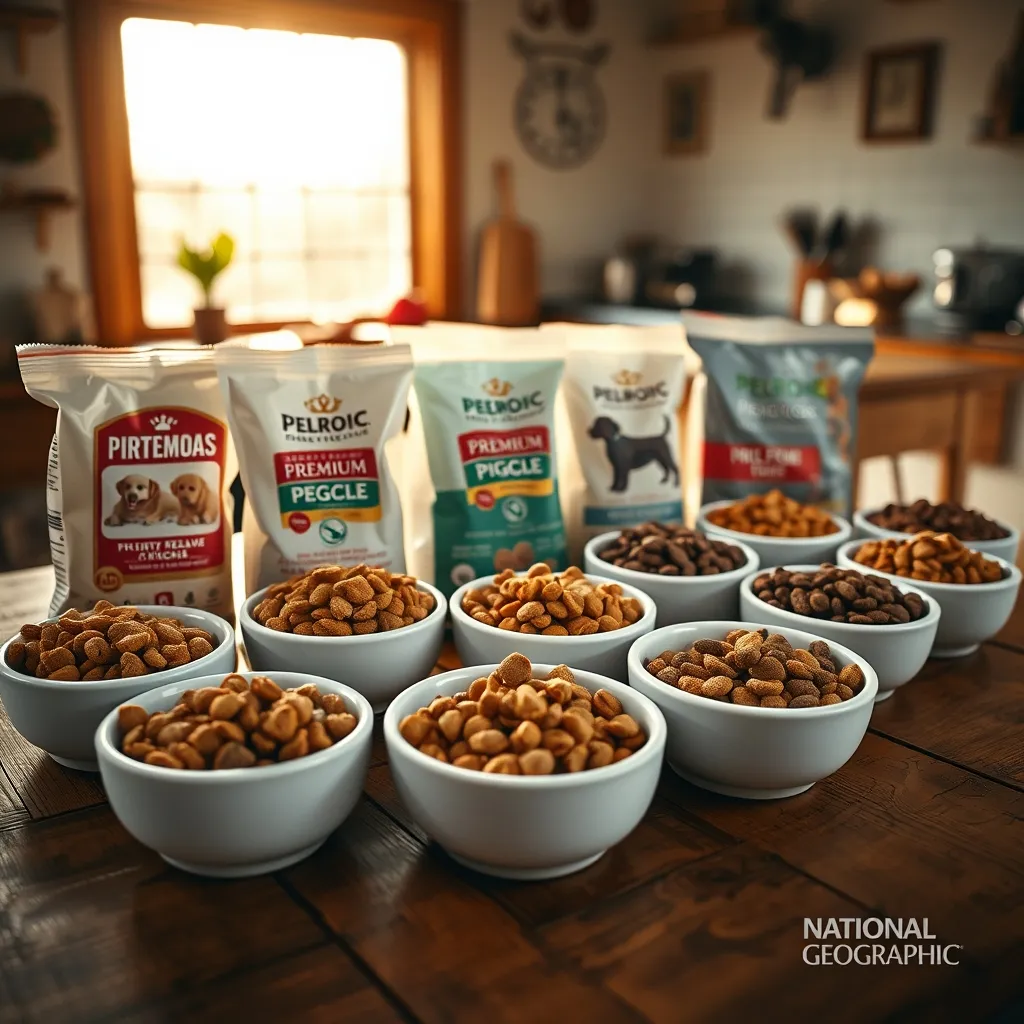
I have selected six widely available high protein weight management kibbles and compared them across the metrics that matter most. Each of these formulas is designed for adult dogs needing to lose weight or maintain a healthy body condition.
| Brand & Formula | Protein (DM) | Fat (DM) | Fibre (DM) | kcal/100g | Primary Protein Source |
|---|---|---|---|---|---|
| Orijen Fit & Trim | 42% | 13% | 8% | 325 | Fresh chicken, turkey, fish |
| Acana Light & Fit | 35% | 11% | 8% | 307 | Free-run chicken, flounder |
| Wellness CORE Reduced Fat | 33% | 10% | 9% | 310 | Deboned turkey, chicken meal |
| Nulo Freestyle Trim | 34% | 9% | 7% | 298 | Deboned cod, turkey meal |
| Royal Canin Weight Care | 30% | 9% | 12% | 290 | Chicken meal, wheat gluten |
| Hill’s Science Diet Perfect Weight | 31% | 10% | 9% | 295 | Chicken, pea protein |
Looking at these numbers, a few things stand out. Orijen Fit & Trim leads on protein content at 42% dry matter, with an impressive range of fresh animal ingredients. However, its fat content sits at the higher end for a weight management food, and it carries a premium price tag. For dogs who need aggressive calorie reduction, the slightly lower calorie density of Nulo Freestyle Trim or Royal Canin Weight Care may be more appropriate.
Wellness CORE Reduced Fat strikes an excellent balance for most dogs. At 33% protein with only 10% fat and strong fibre content, it delivers the satiety benefits of high protein without excess calories. The brand also avoids artificial colours, flavours and preservatives, which I appreciate.
Royal Canin Weight Care stands out for its high fibre content at 12%, which can be particularly beneficial for dogs who always seem hungry. That said, its protein sources include wheat gluten, which some owners prefer to avoid. If your dog has a known grain sensitivity, this would not be my first recommendation.
Hill’s Science Diet Perfect Weight has extensive veterinary endorsement and clinical research behind it. Their studies show that 70% of dogs achieved a healthy weight within 10 weeks on this formula. While its protein content is not the highest on the list, the overall formulation is well-balanced and widely recommended by veterinary nutritionists.
Matching the Right Formula to Your Dog’s Profile
Not every overweight dog needs the same approach. The ideal high protein dog food for weight management depends on several factors that I always assess before making a recommendation.
Breed and size: Large breed dogs like Labradors and Golden Retrievers carry weight differently from small breeds. Large breeds benefit from slightly lower calorie density because they eat larger volumes. For medium-sized dogs that tend toward weight gain, you will find helpful breed information in my guide on medium dog breeds for families.
Age: Senior dogs lose muscle mass more rapidly during calorie restriction, so they often need even higher protein content, around 35% or above on a dry matter basis. Puppies and adolescent dogs should not be placed on weight management formulas without veterinary supervision. If you have an older dog who is also adjusting to new routines, my article on crate training for older dogs might be relevant.
Activity level: A dog who gets 60 minutes of vigorous exercise daily has different needs from a dog who manages two short walks. More active dogs can tolerate slightly higher fat content (up to 12%) because they will burn through those calories. Sedentary dogs do better with the leanest formulas available.
Health conditions: Dogs with kidney disease should not be placed on very high protein diets without veterinary guidance. Similarly, dogs with pancreatitis need strictly controlled fat levels, often below 8%. Always consult your veterinarian before switching to a weight management formula if your dog has any underlying health condition.
Neutering status: Neutered dogs have a lower metabolic rate and are statistically more likely to gain weight. Research suggests neutered dogs may need 25% to 30% fewer calories than intact dogs of the same size. I discuss the broader implications of neutering in my article on whether neutering reduces aggression, but the metabolic shift is equally important to understand.
Feeding Guidelines and Transition Plan

Switching your dog to a high protein weight management kibble requires a thoughtful approach. An abrupt change can cause digestive upset, loose stools and reluctance to eat, none of which support a successful weight loss journey.
Here is the 10-day transition plan I recommend to my clients:
Days 1 to 3: Feed 75% of the old food mixed with 25% of the new weight management kibble. Monitor stool consistency closely.
Days 4 to 6: Move to a 50/50 split between old and new food. Most dogs adjust well by this point.
Days 7 to 9: Feed 25% old food and 75% new food. If stools remain firm, you are on track.
Day 10 onwards: Complete the switch to 100% of the new formula.
For portion sizes, start with the feeding guide on the bag but adjust based on body condition. Most manufacturers provide ranges based on target weight, not current weight. If your dog currently weighs 30kg but their ideal weight is 25kg, feed for the 25kg target. Weigh your dog every two weeks and aim for a loss of 1% to 2% of body weight per week. Anything faster risks muscle loss; anything slower may indicate the portions need further adjustment.
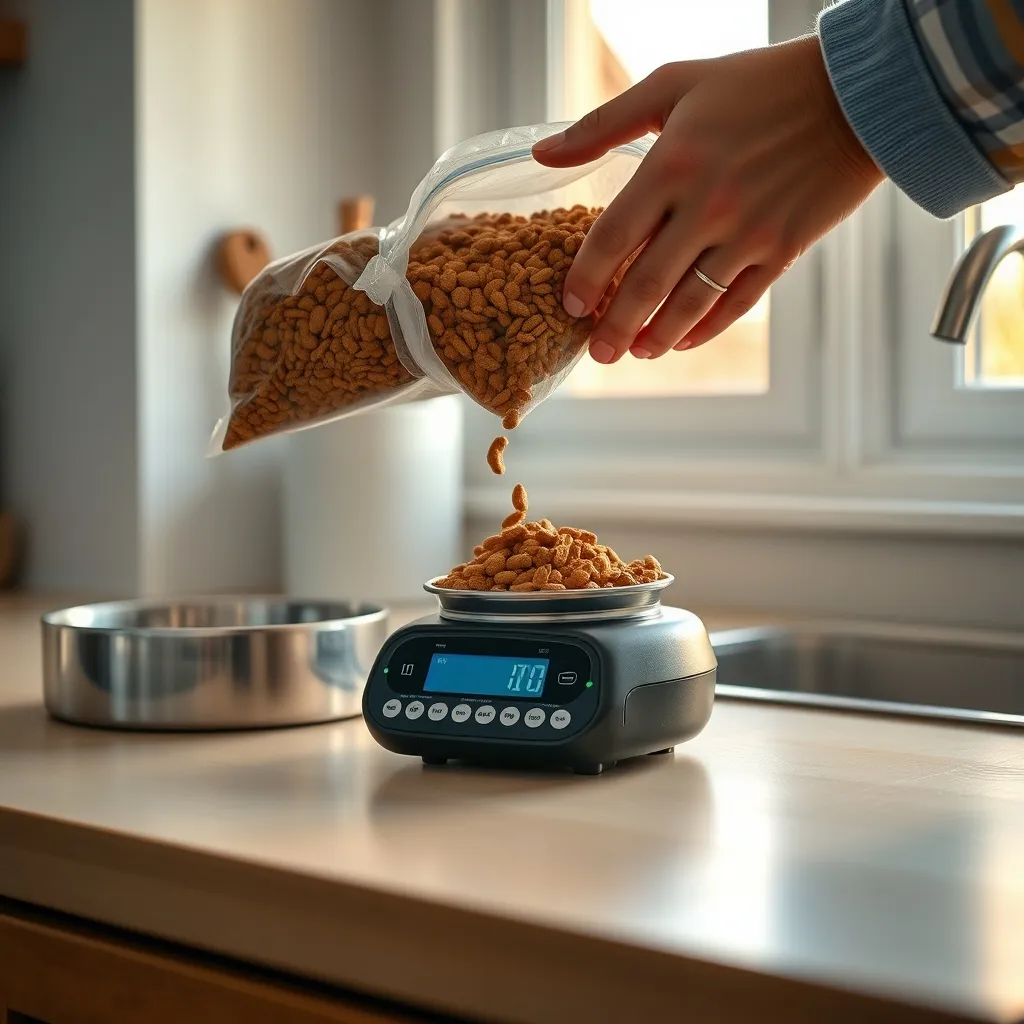
I am a firm believer in using a kitchen scale rather than a measuring cup. Kibble density varies enormously between brands, and a “cup” of one food can contain 30% more calories than a “cup” of another. Weighing food in grams eliminates guesswork and gives you precise control over calorie intake.
Splitting the daily ration into two or three meals rather than one large feeding also helps. Smaller, more frequent meals maintain steadier blood sugar levels and reduce the hunger-driven behaviours that can make life difficult for both dog and owner.
Complementary Strategies for Healthy Weight Loss
High protein kibble is the foundation, but it works best as part of a broader weight management programme. Here are the complementary strategies I recommend alongside dietary changes:
Structured exercise: Gradually increase your dog’s daily activity. For dogs with joint issues, low-impact options like swimming can be transformative. I have written extensively about the benefits of hydrotherapy for dogs, and it remains one of my top recommendations for overweight dogs with mobility limitations.
Treat management: Treats should account for no more than 10% of daily calorie intake. Replace high-calorie commercial treats with carrot sticks, green beans, apple slices (without seeds) or small pieces of the dog’s own kibble taken from their daily allowance. This is one of the most impactful changes I see owners make.
Mental enrichment: Boredom eating is real in dogs. Puzzle feeders, snuffle mats and training sessions that use portions of the daily kibble as rewards all help redirect food-seeking behaviour into productive activity. I regularly integrate these tools into my behaviour modification programmes.
Consistent monitoring: Keep a simple log of your dog’s weight, body condition score and daily food intake. Body condition scoring on a 1 to 9 scale, where 4 to 5 is ideal, gives you a visual and tactile way to track progress beyond the number on the scale. The PDSA’s guidance on pet obesity includes helpful diagrams for assessing your dog’s body condition at home.
Common Mistakes Owners Make with Diet Dog Food
In my years of working with dog owners, I have seen certain patterns repeat themselves when it comes to canine weight management. Being aware of these common mistakes can save you weeks of frustration.
Mistake 1: Feeding the “light” version of a regular food and expecting results. Many “light” formulas simply reduce fat by a few percentage points without meaningfully increasing protein. The result is a dog who loses muscle along with fat, ending up with a lower metabolism and a higher likelihood of regaining weight.
Mistake 2: Ignoring treats and table scraps in calorie calculations. A single dental chew can contain 80 to 100 kcal. For a small dog on a 500 kcal daily diet, that is 20% of their entire intake from one treat. Every calorie counts during a weight loss programme.
Mistake 3: Reducing portions of standard food instead of switching to a weight management formula. When you simply feed less of a regular kibble, you also reduce protein, vitamins and minerals proportionally. Your dog may lose weight but could develop nutritional deficiencies. A purpose-designed weight management food maintains adequate nutrition at lower calorie levels.
Mistake 4: Giving up too soon. Healthy weight loss in dogs takes time. A 30kg dog that needs to reach 25kg will take roughly 10 to 15 weeks to get there safely. Many owners abandon the plan after three or four weeks because progress feels slow. Consistency is everything.
Mistake 5: Not accounting for other household members feeding the dog. This is surprisingly common. One family member follows the plan meticulously while another slips the dog scraps under the table. Everyone in the household needs to understand and commit to the programme. If you are also working on general obedience and household consistency, my article on the cost of dog obedience classes explores how professional training can align the whole family’s approach.
When to Consult Your Veterinarian
While choosing a high protein dog food for weight management is something most owners can do with good information, there are situations where veterinary involvement is essential, not optional.
Before starting any weight loss plan, schedule a veterinary check-up. Your vet can rule out medical causes of weight gain such as hypothyroidism or Cushing’s disease, both of which require specific treatment beyond dietary changes. They can also assess your dog’s body condition score and calculate an appropriate target weight and daily calorie allowance.
You should also consult your vet if your dog:
- Needs to lose more than 15% of their current body weight
- Has diabetes, kidney disease, liver disease or pancreatitis
- Is a pregnant or nursing female
- Shows signs of lethargy, excessive thirst or hair loss during the diet
- Has not lost any weight after four weeks on a properly measured weight management diet
In some cases, your vet may recommend a prescription weight management diet rather than an over-the-counter formula. Prescription diets such as Royal Canin Satiety or Hill’s Metabolic are formulated with specific nutrient profiles that cannot be replicated in retail foods. These are particularly effective for dogs with severe obesity, defined as a body condition score of 8 or 9 out of 9.
Your veterinarian is also the best person to advise on appropriate exercise levels, especially for dogs with orthopaedic issues. Some dogs benefit from a combined approach of dietary management and therapeutic exercise. For breeds like the German Shepherd who are prone to joint issues, I discuss safe physical activity options in my guide on German Shepherds and swimming.
Weight management is not just about aesthetics. Excess weight is linked to a shortened lifespan of up to 2.5 years, increased risk of diabetes, joint disease, respiratory problems and certain cancers. As someone who has dedicated my career to improving the lives of dogs and their families, I cannot overstate how important it is to take your dog’s weight seriously. The right high protein dog food for weight management, combined with appropriate exercise and consistent feeding practices, can transform your dog’s health, energy and quality of life. If you are also exploring insurance options to cover potential health issues related to obesity, my articles on what dog insurance covers and dog insurance costs provide useful context.
Key Points
- Choose a kibble with at least 30% protein (dry matter basis) and between 8% and 12% fat for effective weight loss
- Transition to the new food gradually over 10 days using a 75/50/25 ratio schedule
- Weigh food portions with a kitchen scale in grams rather than relying on measuring cups
- Aim for a safe weight loss rate of 1% to 2% body weight per week and weigh your dog fortnightly
- Schedule a veterinary check-up before starting any weight loss programme to rule out medical causes
Frequently Asked Questions
Is high protein dog food good for overweight dogs?
Yes, high protein dog food is one of the most effective nutritional strategies for overweight dogs. Protein helps preserve lean muscle mass during calorie restriction, increases the feeling of fullness after meals, and has a higher thermic effect, meaning your dog burns more energy digesting protein than fats or carbohydrates. Look for formulas with at least 30% protein on a dry matter basis combined with reduced fat content between 8% and 12%.
Lean animal proteins such as deboned chicken, turkey, cod and whitefish are among the best protein sources for canine weight loss. These provide high biological value protein, meaning your dog can absorb and utilise a greater proportion of the amino acids. Avoid formulas that rely heavily on plant-based proteins like soy or wheat gluten as their primary protein source, as these are less efficiently metabolised by dogs.What is the best protein source for dog weight loss?
At a safe rate of 1% to 2% of body weight per week, most dogs reach their target weight within 8 to 16 weeks, depending on how much weight they need to lose. A dog that needs to shed 5kg at a rate of around 300g per week would take approximately 16 to 17 weeks. Faster weight loss risks muscle depletion and nutritional deficiencies, so patience and consistency are essential.How long does it take for a dog to lose weight on a high protein diet?
This is a common approach, but it is not ideal. When you reduce portions of standard kibble, you proportionally reduce the intake of protein, vitamins and minerals your dog needs. Purpose-designed weight management foods maintain adequate nutrition at lower calorie levels by increasing protein and fibre while reducing fat. This approach supports healthy weight loss without the risk of nutritional deficiencies.Can I just feed less of my dog’s regular food instead of switching to a weight management formula?
Absolutely. A veterinary consultation before starting any weight loss programme is strongly recommended. Your vet can rule out underlying medical conditions such as hypothyroidism or Cushing’s disease that may be causing the weight gain. They can also calculate your dog’s ideal target weight, daily calorie needs and recommend whether an over-the-counter or prescription weight management formula is more appropriate for your dog’s specific situation.Should I consult my vet before switching to high protein weight management food?
Treats should account for no more than 10% of your dog’s total daily calorie intake. For a dog eating 600 kcal per day, that means 60 kcal maximum from treats. Low-calorie options like carrot sticks, cucumber slices or small pieces of the dog’s own kibble taken from the daily ration are ideal. Always subtract treat calories from the daily food allowance rather than adding them on top.How many treats can my dog have while on a weight loss diet?