
Key Takeaways
- Most dogs can learn to swim confidently within 3 to 6 structured sessions with a qualified instructor
- A single 20-minute swim burns roughly the same energy as a 60 to 90 minute walk, making dog swimming classes ideal for weight management
- Water temperature in reputable facilities is kept between 28 °C and 30 °C for comfort and muscle relaxation
- Brachycephalic breeds such as Bulldogs and Pugs require mandatory life jackets and one-to-one supervision during every session
- Expect to pay between £25 and £50 per session in the UK, with introductory packages often reducing the per-visit cost
- Dogs should wait at least 2 hours after eating before entering the pool to reduce the risk of bloat
In This Guide
- What Are Dog Swimming Classes?
- Why Dog Swimming Classes Are Worth Every Penny
- Which Breeds Thrive in Dog Swimming Classes?
- What to Expect at Your First Session
- How to Choose the Right Dog Swimming Programme
- Essential Gear for Dog Swimming Classes
- Health and Safety Considerations
- Cost of Dog Swimming Classes: A Full Breakdown
- When to Avoid Dog Swimming Classes
What Are Dog Swimming Classes?
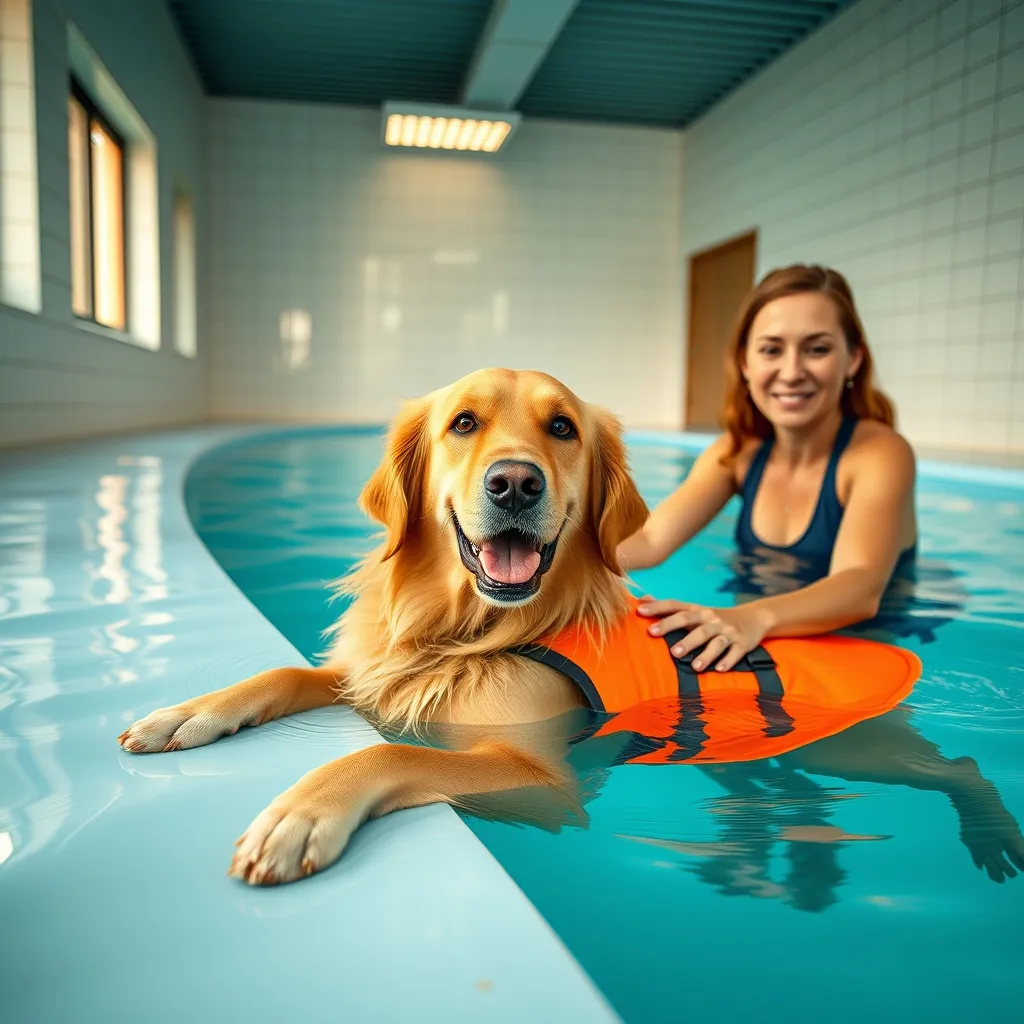
Dog swimming classes are structured, instructor-led sessions held in purpose-built canine pools or approved open-water venues. I have referred hundreds of clients to swim programmes over the past decade, and I can tell you that these sessions are not simply “letting your dog splash about.” A proper class involves a qualified canine hydrotherapist or swim coach who guides your dog through gradual water introduction, supported swimming drills and confidence-building exercises.
There are two broad categories. Recreational swim classes focus on fitness, fun and building water confidence. Therapeutic or hydrotherapy sessions target rehabilitation after surgery, joint conditions or chronic pain. Both take place in heated, filtered pools with controlled entry points, usually a ramp or steps designed for four-legged swimmers.
According to the Kennel Club’s exercise guidelines, swimming is classified as a low-impact activity that supports cardiovascular health without stressing joints. That is precisely why dog swimming classes have surged in popularity across the UK and beyond.
Why Dog Swimming Classes Are Worth Every Penny
I recommend dog swimming classes for a surprisingly wide range of issues. Here is why they consistently deliver results.
Full-body conditioning. Water provides natural resistance on every stroke, engaging muscle groups that land-based exercise simply cannot reach. A dog working against water resistance uses its core, shoulders, hips and hindquarters simultaneously. Research published by the Royal Veterinary College has shown that regular swimming improves cardiovascular endurance and lean muscle mass in dogs of all ages.
Weight management. If your dog needs to shed a few pounds, swimming is one of the most effective tools available. A 20-minute swim session can burn as many calories as a brisk 60 to 90 minute walk. For breeds prone to obesity, or for dogs recovering from surgery who cannot run, the pool offers a safe calorie-burning alternative. You might also consider reviewing your dog’s diet; our guide on high-protein food for weight management pairs well with an active swim routine.
Joint protection. Buoyancy reduces the load on joints by up to 60 to 85 percent, depending on water depth. This makes swimming ideal for senior dogs with arthritis, breeds predisposed to hip dysplasia and dogs recovering from orthopaedic procedures. If your dog already takes joint care supplements, adding swimming can amplify the benefits considerably.
Mental stimulation and confidence. Learning a new skill in a novel environment does wonders for a dog’s mental health. I have seen anxious dogs transform over the course of a six-week swim programme, building confidence that carries over into everyday life. The structured, positive reinforcement approach used in quality swim classes mirrors the same force-free principles I rely on in my own behaviour modification work.
Socialisation opportunities. Group swim sessions expose your dog to other dogs in a controlled, supervised setting. This is particularly valuable for adolescent dogs who need ongoing positive social experiences.
Which Breeds Thrive in Dog Swimming Classes?
While virtually any dog can learn to swim, some breeds take to water as if they were born for it, and technically, they were.
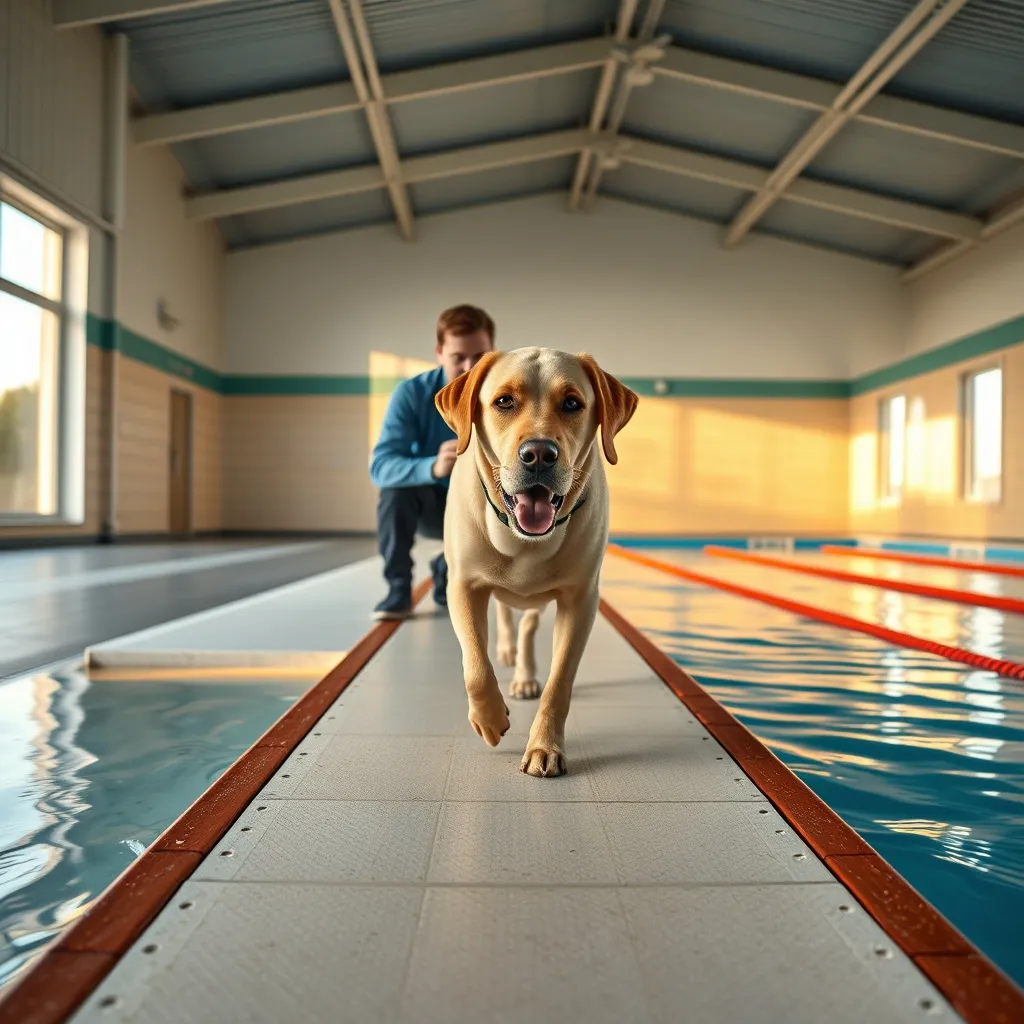
Natural water dogs include Labrador Retrievers, Golden Retrievers, Portuguese Water Dogs, Irish Water Spaniels, Newfoundlands and Standard Poodles. These breeds have webbed paws, water-resistant coats, or rudder-like tails that give them a natural advantage. If you own one of these breeds, dog swimming classes are practically a lifestyle requirement.
Medium-sized breeds such as Springer Spaniels, Cocker Spaniels and Border Collies also tend to excel. Many medium-sized family dogs benefit enormously from the outlet that swimming provides, burning off excess energy in a way that reduces unwanted behaviours at home.
Brachycephalic breeds, including French Bulldogs, Pugs and English Bulldogs, require special attention. Their short muzzles, heavy fronts and compact airways make them higher-risk swimmers. They can absolutely enjoy the water, but only with a well-fitted canine life jacket and one-to-one supervision. A reputable facility will insist on this without exception.
Breeds with very low body fat, such as Greyhounds and Whippets, can also struggle with buoyancy and may chill quickly. Life jackets and shorter sessions are the answer.
What to Expect at Your First Session
Walking into a swim centre for the first time can feel daunting for both you and your dog. Here is a step-by-step breakdown of what a typical introductory session looks like.
Pre-swim assessment. The instructor will ask about your dog’s health history, current fitness level, any joint or mobility issues, and whether your dog has had prior water exposure. Be honest. If your dog panics near water, the instructor needs to know so they can adjust their approach.
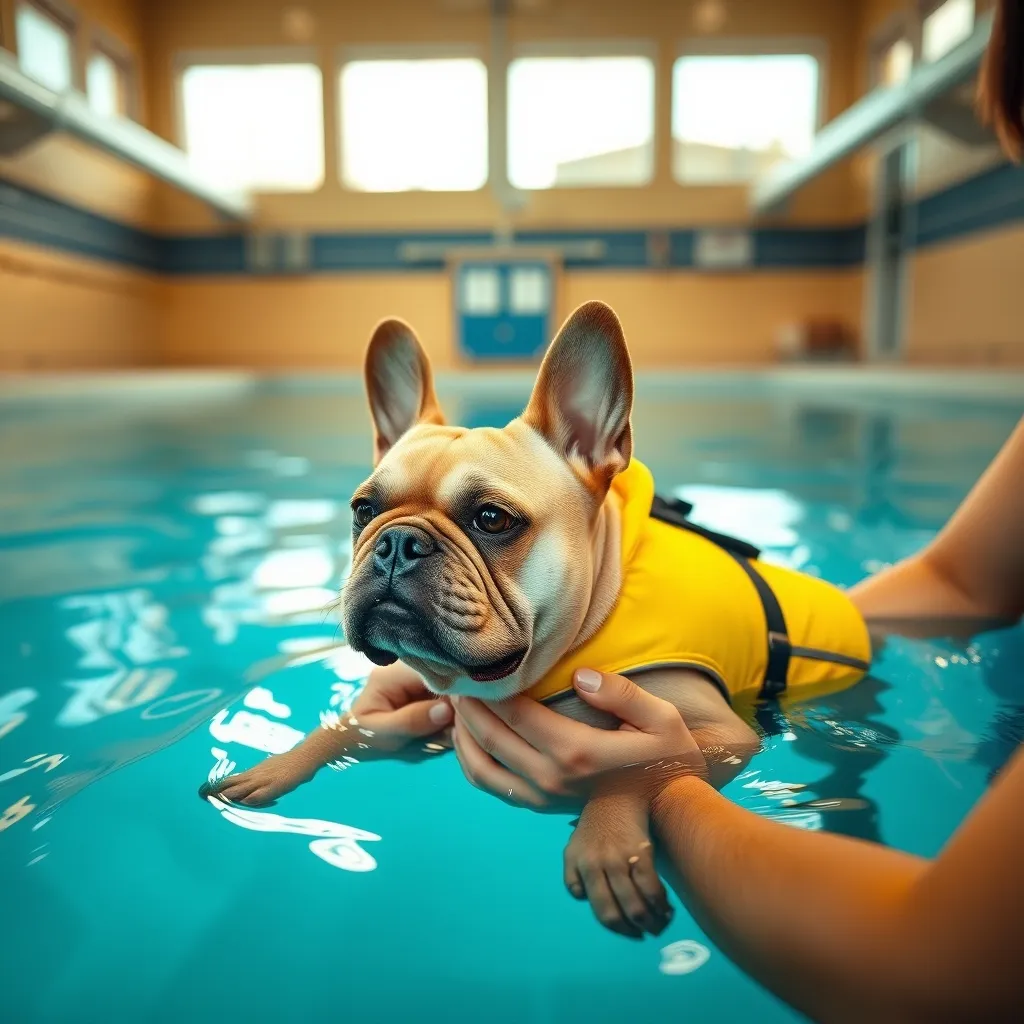
Warm-up on the ramp. Most facilities use a gentle ramp or graduated steps. The instructor will encourage your dog to walk onto the ramp, rewarding each step with treats or praise. Some dogs bound straight in; others need 10 to 15 minutes just to get their paws wet. Both responses are perfectly normal.
Supported swimming. Once your dog enters the water, the instructor typically supports the dog’s body underneath, guiding them into a correct swimming posture. Many first-time swimmers “bicycle” with their front legs while their back end sinks. The instructor corrects this by gently supporting the hindquarters until the dog finds its rhythm.
Short intervals. First sessions are usually brief. Expect 10 to 15 minutes of actual swim time, with rest breaks on the ramp. Overexertion on day one creates negative associations that are difficult to undo.
Cool-down and drying. After the swim, your dog will be towel-dried or blow-dried. Some facilities offer a grooming station. Make sure to check and dry your dog’s ears thoroughly; trapped moisture can lead to infections.
Bring a favourite toy, high-value treats and a towel from home. The familiar scent helps ease nerves. And please, do not feed your dog a full meal within two hours before the session. A heavy stomach and vigorous swimming are a dangerous combination, especially for deep-chested breeds prone to gastric dilatation-volvulus (bloat).
How to Choose the Right Dog Swimming Programme
Not all dog swimming classes are created equal. I have visited facilities that were outstanding and others where I would not dip my own toe. Here is what to look for.
Qualified staff. In the UK, canine hydrotherapists should hold a recognised qualification such as a Level 3 Diploma in Hydrotherapy for Small Animals or equivalent. For recreational swim classes, instructors should have canine first aid certification at a minimum. Do not be shy about asking for credentials.
Water quality and temperature. The pool should use a filtration and sanitation system appropriate for canine use. Water temperature for recreational swimming is typically maintained between 28 °C and 30 °C. Therapeutic pools may be slightly warmer, around 30 °C to 32 °C. Ask about their water testing schedule; reputable centres test multiple times per day.
Entry and exit design. Look for a gradual ramp rather than a steep ladder or a pool edge that requires lifting. A ramp allows dogs to enter and exit at their own pace, which is critical for building confidence and essential for dogs with mobility issues.
Insurance and veterinary referral. Any facility offering hydrotherapy should require a veterinary referral form. Recreational swim centres should carry public liability insurance and ideally professional indemnity cover. Our article on insurance for dog-related services explains why this matters from a consumer protection standpoint.
Cleanliness and protocols. Observe the changing area, the pool deck and the drying stations. Are surfaces clean? Is there a clear protocol for dogs who have not been vaccinated? Do they require proof of up-to-date vaccinations? A well-run centre will say yes to all of the above.
Trial sessions. Many centres offer a discounted or free introductory visit. Take advantage of this. Watch how the staff interact with nervous dogs. A good instructor is patient, uses positive reinforcement and never forces a dog into the water.
| Feature | Recreational Swim Class | Hydrotherapy Session |
|---|---|---|
| Primary goal | Fitness, fun, socialisation | Rehabilitation, pain management |
| Instructor qualification | Canine first aid; swim coaching | Level 3 Diploma in Hydrotherapy (minimum) |
| Vet referral required | Usually not | Yes, mandatory |
| Water temperature | 28 °C to 30 °C | 30 °C to 32 °C |
| Session length | 20 to 30 minutes | 20 to 45 minutes |
| Average cost per session | £25 to £40 | £35 to £55 |
| Group or individual | Both available | Almost always individual |
| Suitable for healthy dogs | Yes | Yes, but tailored to condition |
Essential Gear for Dog Swimming Classes
You do not need a mountain of equipment, but a few key items make a real difference.
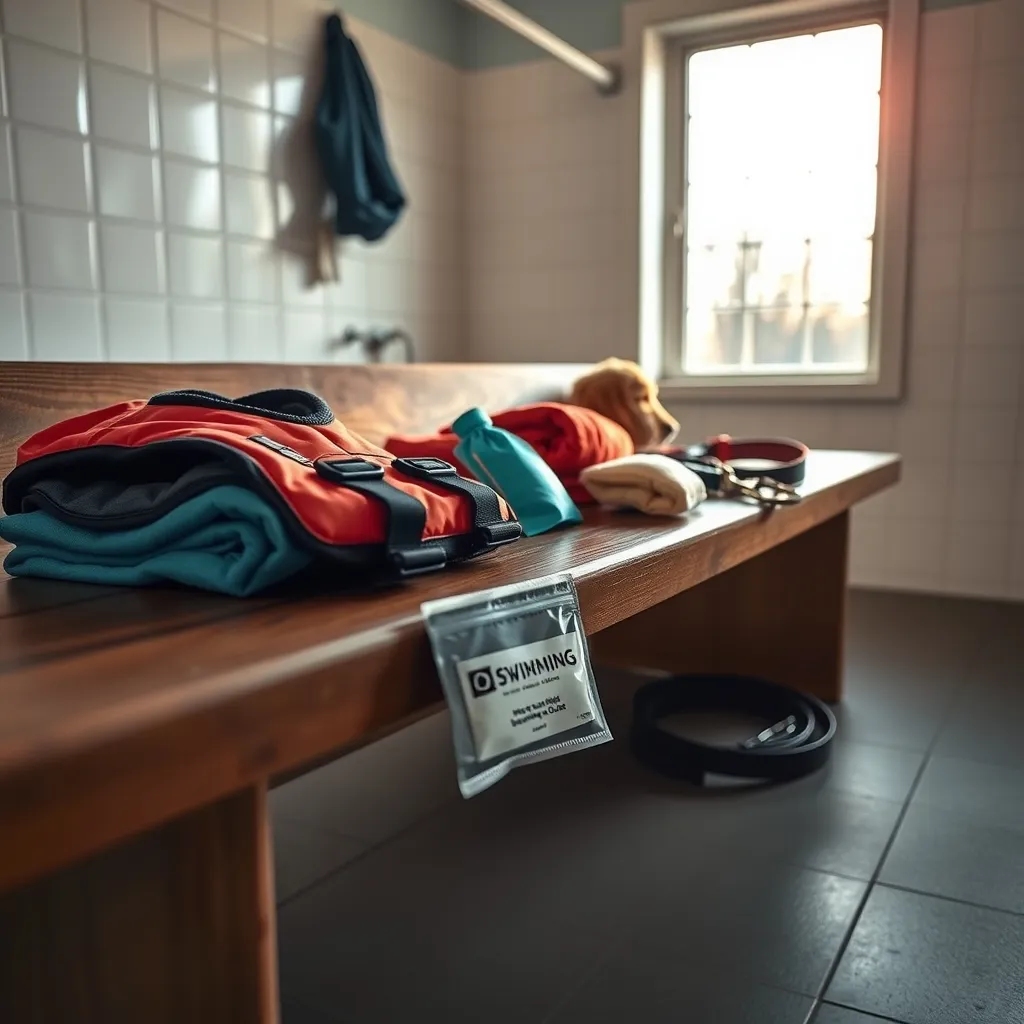
Canine life jacket. Even if your dog is a strong swimmer, a life jacket with a dorsal handle gives the instructor a secure grip and keeps your dog’s body in the correct horizontal position. For brachycephalic breeds, a life jacket is non-negotiable. Choose one with a snug fit around the chest, adjustable straps and high-visibility colouring.
Quick-dry towel. Microfibre towels absorb far more water than standard cotton and dry faster between uses. Bring at least two: one for the initial towel-off at the pool and one for the car journey home.
Ear cleaner. Moisture trapped in the ear canal after swimming is a leading cause of otitis externa in dogs. A veterinary-approved ear cleaner used after each session helps prevent bacterial and yeast infections. This is especially important for breeds with floppy ears such as Spaniels and Basset Hounds.
High-value treats. Bring small, soft treats that your dog finds irresistible. These are your primary motivator during the early confidence-building stage. Avoid anything crumbly that will disintegrate in the water.
Slip lead or harness. A simple slip lead or a well-fitted harness is easier to manage around water than a bulky collar. Collars can catch on pool equipment, so many facilities ask you to remove them before the session. If your dog is still learning leash manners, our guide to leash training methods is worth a read.
Health and Safety Considerations
Swimming is one of the safest forms of exercise for dogs, but it is not entirely without risk. Here is what responsible owners need to know.
Vaccination status. Your dog should be fully vaccinated, including against leptospirosis, before attending any swim class. Leptospirosis is a bacterial infection spread through contaminated water, and while pool water is treated, the risk increases if dogs share facilities. The PDSA’s guidance on leptospirosis provides a thorough overview of why this vaccination is essential.
Skin and coat care. Chlorinated or brominated pool water can dry out your dog’s skin and coat over time. Rinse your dog with fresh water after every session and consider a moisturising dog shampoo once a week if you swim frequently. Dogs with existing skin conditions should get veterinary clearance before starting a swim programme.
Water intoxication. This is rare but serious. Dogs that gulp large amounts of water while swimming can develop hyponatremia, a dangerous drop in blood sodium levels. Symptoms include lethargy, bloating, vomiting and loss of coordination. Instructors at good facilities monitor for excessive water intake and enforce rest breaks to mitigate this risk.
Temperature regulation. Small dogs, lean breeds and puppies can lose body heat quickly in water, even in a heated pool. Watch for shivering, which is the earliest sign that your dog is getting cold. If you notice it, end the session immediately and dry your dog thoroughly.
Post-swim fatigue. Swimming is exhausting. Your dog may sleep more than usual after a session, and that is perfectly normal. However, if lethargy persists beyond 24 hours, or if you notice limping, stiffness or reluctance to move, consult your vet. It may indicate overexertion or an underlying issue that needs attention.
For dogs with digestive sensitivities, the stress of a new environment combined with physical exertion can sometimes trigger stomach upset. Keeping a digestive supplement on hand during the early weeks of a new swim programme is a sensible precaution.
Cost of Dog Swimming Classes: A Full Breakdown
One of the most common questions I receive is, “How much do dog swimming classes actually cost?” The answer depends on your location, the type of session and whether you buy individual visits or a package.
In the UK, a single recreational swim session typically costs between £25 and £40. Hydrotherapy sessions, which require a more highly qualified therapist and often include a detailed assessment, range from £35 to £55. Introductory assessments may be priced slightly higher because they take longer, usually 45 minutes to an hour compared with the standard 20 to 30 minutes.
Most centres offer multi-session packages that reduce the per-visit cost by 10 to 20 percent. A six-session recreational package, for example, might cost £130 to £200 rather than the £150 to £240 you would pay for individual bookings. If you plan to swim weekly, these packages represent genuine savings.
Some facilities also charge a small annual membership or registration fee, typically around £10 to £25, which covers administration and access to online booking systems.
It is also worth checking whether your dog insurance policy covers hydrotherapy. Many comprehensive plans include a hydrotherapy benefit when sessions are prescribed by a veterinary surgeon. Our detailed breakdown of what dog insurance covers can help you understand whether your policy qualifies.
When to Avoid Dog Swimming Classes
As much as I advocate for swimming, it is not appropriate for every dog in every situation. Here are the circumstances where I advise owners to wait or seek alternatives.
Open wounds or recent surgery. Dogs with unhealed incisions, stitches or open sores should not enter the pool. Water, even treated water, introduces bacteria into wounds and delays healing. Wait until your vet gives explicit clearance.
Active infections. Ear infections, skin infections and gastrointestinal illness are all reasons to postpone. Not only could the water worsen your dog’s condition, but infections can also spread to other dogs using the facility.
Unvaccinated puppies. Puppies who have not completed their primary vaccination course should not visit shared swim facilities. The risk of picking up parvovirus or distemper in a communal environment is too high. Wait until two weeks after the final puppy vaccination before booking a session.
Severe fear of water. If your dog has a genuine phobia of water, not just mild nervousness but full-blown panic, forcing them into a pool will do more harm than good. In these cases, I recommend working with a certified behaviour consultant to address the underlying fear before attempting swim classes. Desensitisation should happen on dry land first, gradually introducing water-related stimuli at a pace the dog can handle. For dogs who are also dealing with anxiety around confinement, layering a new fear-inducing experience on top is counterproductive.
Certain medical conditions. Dogs with uncontrolled epilepsy, cardiac disease or severe respiratory compromise need veterinary assessment before swimming. The physical demands of swimming, combined with the stimulation of a new environment, can trigger episodes in susceptible dogs.
Swimming is a powerful tool in any dog’s wellness routine, but like all tools, it works best when applied at the right time and in the right context. If in doubt, consult your vet first.
Key Points
- Book an introductory assessment session before committing to a package so you can evaluate the facility and staff
- Ensure your dog’s vaccinations, including leptospirosis, are fully up to date before the first class
- Invest in a properly fitted canine life jacket, especially for brachycephalic, lean or small breeds
- Clean and dry your dog’s ears after every swim to prevent otitis externa
- Ask the facility for their staff qualifications, insurance documentation and water testing schedule before signing up
Frequently Asked Questions
Can dogs have swimming lessons?
Yes, dogs of all ages and breeds can take structured swimming lessons. Sessions are led by trained instructors who guide your dog through water introduction, correct swimming posture and gradually increase endurance. Most dogs gain basic water confidence within 3 to 6 sessions. Brachycephalic breeds and nervous dogs may need additional time and specialised support.
In the UK, a single hydrotherapy session typically costs between £35 and £55, depending on the facility and the therapist’s qualifications. Initial assessment sessions may cost slightly more. Multi-session packages often reduce the per-visit price by 10 to 20 percent. Some comprehensive pet insurance policies cover hydrotherapy when it is prescribed by a veterinary surgeon.How much does a hydrotherapy session cost for a dog?
Swimming is one of the most effective forms of exercise for dogs. It provides full-body resistance training while being low-impact on joints, making it suitable for puppies, senior dogs and those recovering from injury. A 20-minute swim can burn as many calories as a 60 to 90 minute walk. It also improves cardiovascular fitness, builds lean muscle and offers valuable mental stimulation.Is swimming a good workout for dogs?
To practise as a canine hydrotherapist in the UK, the standard entry-level qualification is a Level 3 Diploma in Hydrotherapy for Small Animals or an equivalent accredited programme. Many therapists also hold additional qualifications in canine anatomy, physiotherapy or veterinary nursing. Canine first aid certification is considered essential for all staff working in aquatic settings.What qualifications do I need for dog hydrotherapy?
For general fitness, one to two sessions per week is ideal for most dogs. Dogs undergoing rehabilitation may benefit from two to three sessions weekly, as directed by their veterinary surgeon or hydrotherapist. Consistency matters more than frequency; a regular weekly session delivers better long-term results than sporadic visits. Always allow at least 48 hours between sessions for muscle recovery.How often should a dog attend swimming classes?
Puppies can start swimming once they have completed their primary vaccination course, typically around 12 to 16 weeks of age, plus a two-week waiting period after the final jab. Early introduction to water in a safe, controlled environment builds lifelong confidence. Keep initial sessions very short, around 5 to 10 minutes, and always supervise closely. A life jacket is recommended for all puppies regardless of breed.Can puppies attend dog swimming classes?