
Key Takeaways
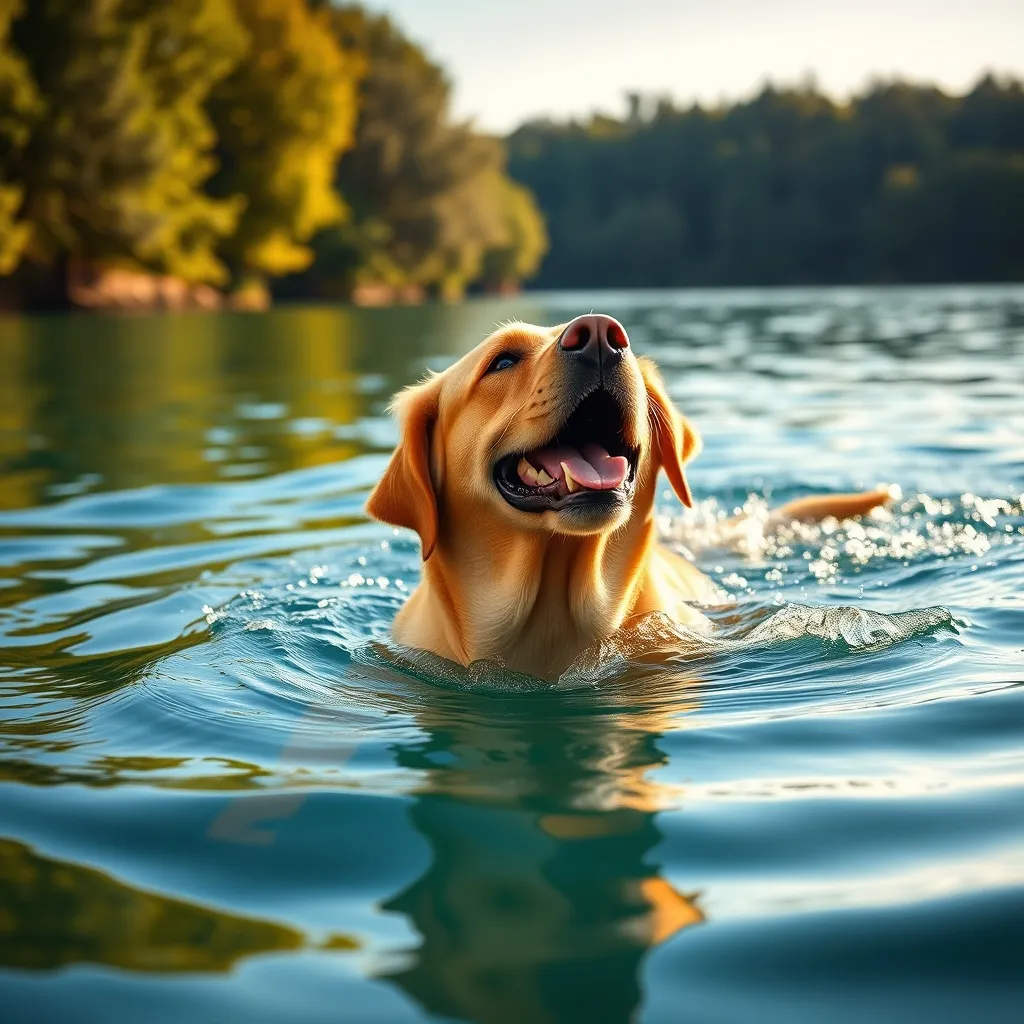
- The Labrador Retriever tops nearly every best swimming dog list thanks to its otter-like tail, webbed paws, and water-repellent double coat
- Breeds like the Newfoundland and Portuguese Water Dog were historically bred for open-water rescue and fishing, making them elite swimmers
- Physical traits such as webbed feet, a rudder-shaped tail, and a water-resistant coat are the three hallmarks of a natural canine swimmer
- Swimming burns up to 4 times more calories per minute than walking, making it one of the best low-impact exercises for dogs
- Even water-loving breeds should be introduced to swimming gradually with a properly fitted life jacket and constant supervision
- Flat-faced (brachycephalic) breeds and dogs with short legs are generally poor swimmers and face higher drowning risk, regardless of individual enthusiasm
In This Guide
- What Makes a Dog a Natural Swimmer?
- Top 10 Best Swimming Dog Breeds Compared
- Labrador Retriever and Chesapeake Bay Retriever
- Portuguese Water Dog and Spanish Water Dog
- Newfoundland and Standard Poodle
- Sporting Spaniels That Thrive in Water
- How to Introduce Your Dog to Swimming Safely
- Health Benefits of Swimming for Dogs
Over the past decade, I have worked with hundreds of dogs around water, from anxious rescues who tremble at the sight of a garden hose to bold retrievers who launch themselves into any pond they spot. One thing I have learned is that breed matters enormously when it comes to swimming ability. Not every dog is built for the water, and some are practically designed for it. If you are searching for the best swimming dog to join your active, water-loving lifestyle, this guide breaks down the top 10 breeds I recommend, the physical traits that make them exceptional swimmers, and the safety steps every owner should follow.
What Makes a Dog a Natural Swimmer?
Before we dive into specific breeds, it helps to understand what separates a strong canine swimmer from a dog that merely tolerates water. According to the American Kennel Club’s breed swimming guide, three physical features are consistent across nearly every water-bred dog:
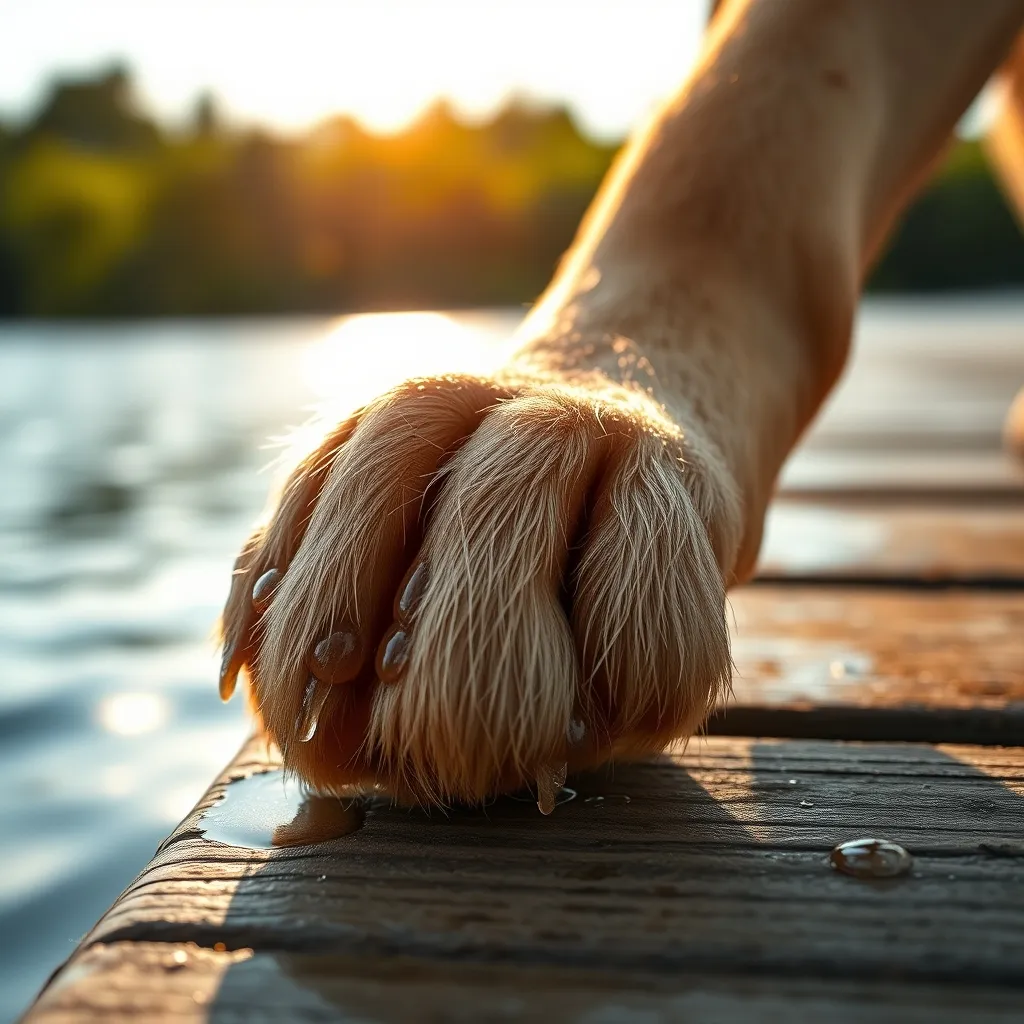
- Webbed paws. Extra membrane between the toes acts like a natural paddle, increasing surface area and propulsion with every stroke.
- Water-resistant coat. A dense, oily double coat traps air close to the skin for buoyancy and insulation. This is why breeds like the Labrador can swim comfortably in cold water for extended periods.
- Rudder-shaped tail. A thick, powerful tail acts as a steering mechanism, helping the dog change direction quickly and maintain balance in currents.
Beyond anatomy, temperament and drive play a huge role. Sporting and working breeds that were historically used for waterfowl retrieval or fishing naturally possess a high desire to enter water. That said, individual personality always matters. I have seen Labs who refused to get their paws wet and Bulldogs who adored shallow wading pools. Breed gives you strong odds, but it is never a guarantee.
Top 10 Best Swimming Dog Breeds Compared
Here is a quick-reference comparison of my top 10 picks. I have ranked them based on swimming ability, water drive, coat suitability, and overall versatility as a family companion. Use this table to narrow your search before reading the detailed profiles below.
| Rank | Breed | Size | Swimming Ability | Coat Type | Best For |
|---|---|---|---|---|---|
| 1 | Labrador Retriever | Large | Excellent | Short double coat | Families, active owners |
| 2 | Portuguese Water Dog | Medium | Excellent | Curly/wavy, hypoallergenic | Allergy-prone families |
| 3 | Newfoundland | Giant | Excellent | Long double coat | Water rescue, gentle families |
| 4 | Chesapeake Bay Retriever | Large | Excellent | Oily double coat | Hunters, cold-water swimming |
| 5 | Standard Poodle | Large | Very Good | Curly, hypoallergenic | Families wanting low shedding |
| 6 | Irish Water Spaniel | Medium-Large | Excellent | Curly, water-repellent | Experienced owners, hunters |
| 7 | Nova Scotia Duck Tolling Retriever | Medium | Excellent | Medium double coat | Active families, smaller spaces |
| 8 | Spanish Water Dog | Medium | Very Good | Curly, corded | Versatile working homes |
| 9 | American Water Spaniel | Medium | Very Good | Curly/wavy double coat | Hunters, rural families |
| 10 | Otterhound | Large | Excellent | Rough double coat | Experienced owners, rare breed enthusiasts |
Labrador Retriever and Chesapeake Bay Retriever
Labrador Retriever
No list of the best swimming dog breeds would be complete without the Labrador. I have trained Labs for over a decade and their relationship with water is almost magnetic. Originally bred on the coast of Newfoundland (despite the confusing name) to help fishermen haul nets and retrieve escaped catch, Labs possess every physical trait of an ideal swimmer: a thick otter tail, pronounced webbed paws, and a short, dense double coat that sheds water like a raincoat.
What sets Labs apart is their unmatched retrieve drive combined with a cooperative temperament. They take to water training faster than almost any other breed I work with. Whether you are tossing a bumper into a lake, hiking alongside a river, or looking for a dock-diving partner, the Lab delivers. They are also wonderful family dogs, which is why they have held the top spot in AKC registrations for over 30 consecutive years.
One word of caution: Labs are prone to joint issues like hip and elbow dysplasia. Swimming is actually one of the best exercises for managing these conditions because it builds muscle without stressing joints. If your Lab is getting older or showing stiffness, consider exploring swimming therapy for dogs as a low-impact alternative to running.
Chesapeake Bay Retriever
The Chesapeake Bay Retriever, or “Chessie,” is the toughest retriever in the water. Bred to work the frigid, choppy waters of Maryland’s Chesapeake Bay, this breed has an incredibly oily, waterproof double coat that dries faster than any other retriever’s. Their coat actually feels slightly greasy to the touch, which is perfectly normal and essential for cold-water insulation.
Chessies are more independent and protective than Labs, so they need firm, consistent training from an experienced owner. In the water, though, they are absolute powerhouses. I have watched Chessies swim against currents that would exhaust most other breeds. If you are a serious waterfowl hunter or live near cold lakes and want a loyal, driven water dog, the Chesapeake is hard to beat.
Portuguese Water Dog and Spanish Water Dog
Portuguese Water Dog
The Portuguese Water Dog, or “Portie,” was bred along the Algarve coast of Portugal to herd fish into nets, retrieve lost tackle, and even carry messages between boats. According to the AKC Portuguese Water Dog breed profile, these dogs were so valued by fishermen that they were considered working members of the crew and received their own share of the catch.
Porties have exceptionally strong webbed feet and a curly or wavy coat that is considered hypoallergenic, making them a top choice for families with allergies who also want a best swimming dog. They are athletic, intelligent, and thrive on having a job to do. Without adequate mental and physical stimulation (including water time), they can become destructive.
I recommend Porties for active families who can commit to at least 60 minutes of vigorous exercise daily. They excel at dock diving, water retrieval games, and even canine surfing competitions. Their medium size (35 to 60 pounds) also makes them more manageable than giant water breeds like the Newfoundland.
Spanish Water Dog
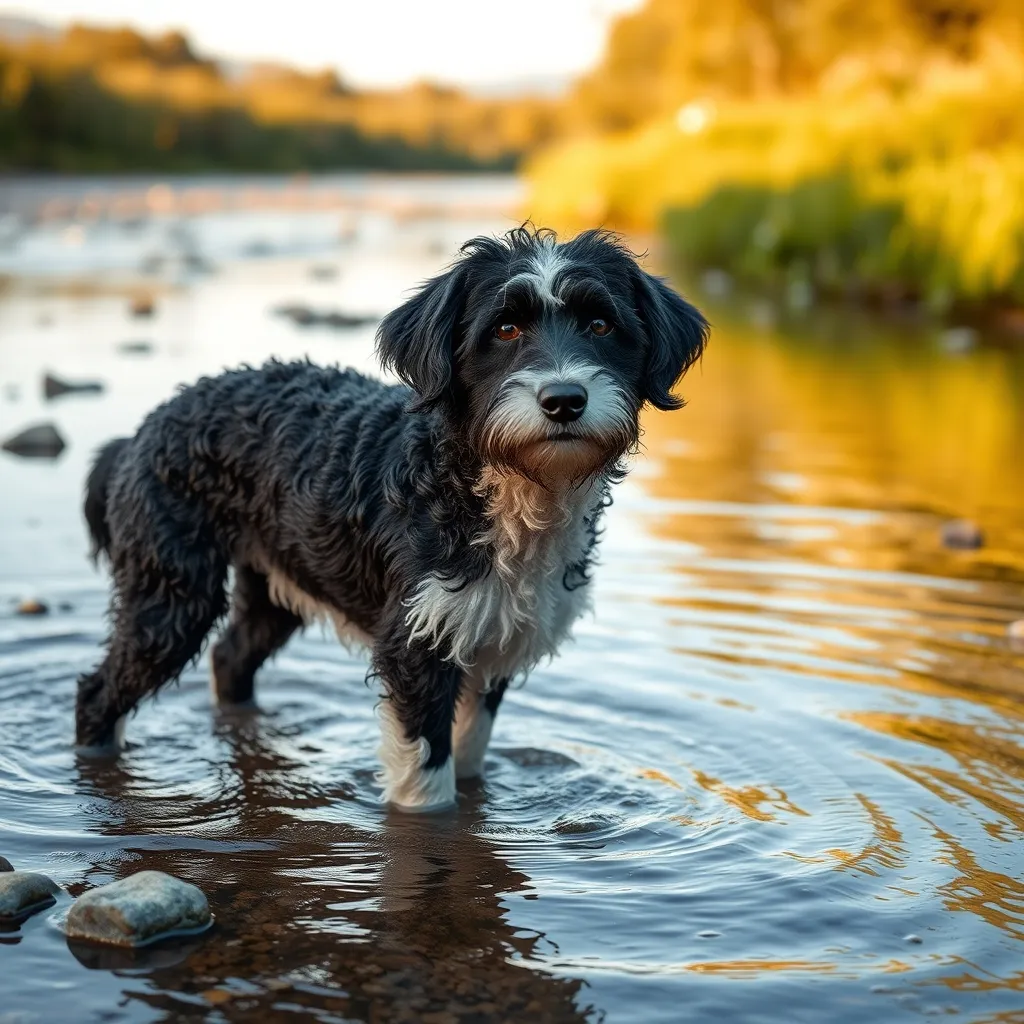
Less well-known but equally impressive in the water, the Spanish Water Dog is a versatile breed originally used for herding, hunting, and assisting fishermen along the Iberian coast. Their distinctive corded coat is naturally water-resistant and requires minimal grooming once it forms proper cords.
Spanish Water Dogs are energetic, loyal, and sometimes reserved with strangers. They bond deeply with their families and take to water naturally. At 30 to 50 pounds, they are compact enough for apartment living provided they get sufficient outdoor exercise. I find them particularly well-suited to owners who want a breed that can swim, hike, and work equally well.
Newfoundland and Standard Poodle
Newfoundland
If there is one breed I would trust to save a person in open water, it is the Newfoundland. These gentle giants, often weighing 100 to 150 pounds, were bred specifically for water rescue on the coast of Canada. Their swimming style is unique among dogs: rather than the typical “dog paddle,” Newfoundlands use a modified breaststroke that gives them extraordinary power and endurance in rough water.
Newfoundlands have a massive lung capacity, heavily webbed paws, and a thick double coat that provides buoyancy and insulation in frigid temperatures. The Newfoundland breed history includes countless documented rescues of drowning sailors and fishermen, earning them the nickname “the lifeguard dog.”
On land, they are famously calm and patient, making them exceptional family dogs. However, their size means they need space, and their thick coat requires regular grooming and monitoring for overheating in warm climates. If you live in a hot area like I do here in Austin, summer swimming sessions should be scheduled during cooler morning or evening hours. Owners should also keep up with joint care supplements since giant breeds are particularly prone to orthopedic issues.
Standard Poodle
Many people are surprised to see the Poodle on a best swimming dog list, but this breed’s iconic haircut actually originated as a functional swimming trim. The poufs of fur were left on the joints and chest to protect vital organs and joints in cold water, while the rest was shaved to reduce drag. The Standard Poodle was originally a German water retriever (“Pudelhund” literally means “splashing dog”), and their swimming instincts remain strong today.
Standard Poodles combine athletic ability with exceptional intelligence, ranking among the top three smartest dog breeds. Their curly, hypoallergenic coat does require professional grooming every 6 to 8 weeks, but in the water, it provides excellent insulation. I often recommend Standard Poodles to families who want a versatile, allergy-friendly dog that excels both in the water and on dry land.
Sporting Spaniels That Thrive in Water
Irish Water Spaniel
The tallest of all spaniels, the Irish Water Spaniel stands up to 24 inches at the shoulder and is one of the most naturally gifted swimmers I have ever worked with. Their tight, liver-colored curls are virtually waterproof, and their distinctive “rat tail” (smooth and tapered, unlike the rest of their curly body) acts as a highly effective rudder.
Irish Water Spaniels are bold, playful, and sometimes clownish, but they can be wary of strangers. They need an experienced handler who understands sporting breeds and can channel their energy productively. In the water, they are tireless and focused, making them ideal for serious waterfowl hunters and competitive dock divers.
Nova Scotia Duck Tolling Retriever
The “Toller” is the smallest retriever breed, typically weighing 35 to 50 pounds, but what they lack in size they make up for in sheer enthusiasm. Bred in Nova Scotia, Canada, these dogs were trained to “toll” (lure) ducks to the shore by playing and frolicking along the waterline, then retrieve the birds after the hunter’s shot.
Tollers are high-energy, highly intelligent, and deeply water-motivated. Their medium-length double coat repels water effectively, and their compact size makes them a great best swimming dog for owners who want retriever drive without retriever bulk. If you are considering this breed, be prepared for a dog that needs a job. Tollers who lack stimulation can develop behavioral issues quickly. For ideas on keeping active breeds engaged, check out our guide to enrichment toys that challenge the mind.
American Water Spaniel
Wisconsin’s state dog and one of the few breeds developed entirely in the United States, the American Water Spaniel is a compact, muscular swimmer bred to work from small boats in the Great Lakes region. At 25 to 45 pounds, they were specifically sized to fit in a canoe or skiff without tipping it over.
Their tightly curled double coat provides excellent protection against cold water and brambles, and their enthusiasm for retrieving from water is second only to their devotion to their owner. American Water Spaniels are relatively rare (fewer than 3,000 exist worldwide), but for the right owner, they are an outstanding choice.
Otterhound
Rounding out my top 10 is one of the rarest breeds in the world: the Otterhound. With The Kennel Club breed registration data showing fewer than 600 Otterhounds remaining globally, this breed is rarer than the giant panda. Originally bred in medieval England to hunt otters in rivers and streams, Otterhounds have massive webbed feet, a rough waterproof double coat, and an oily undercoat that makes them virtually impervious to cold water.
Otterhounds are large (80 to 115 pounds), independent, and have a powerful nose. They are not the easiest breed to train, but in the water, their endurance and power are remarkable. If you are drawn to rare breeds and have access to safe swimming areas, the Otterhound is a truly special companion.
How to Introduce Your Dog to Swimming Safely
Even breeds that are genetically built for water need a careful, positive introduction to swimming. I have seen too many well-meaning owners toss a puppy into a lake and hope for the best, which can create a lifelong fear of water. Here is the approach I use with every client:
- Start shallow. Begin with calm, shallow water where your dog can touch the bottom. A gradual entry point (like a gently sloping lake shore) is far better than a steep drop-off or a pool edge.
- Use a canine life jacket. Even strong swimmers benefit from a well-fitted life jacket during their first sessions. It provides buoyancy, a handle for you to grab, and builds your dog’s confidence in deeper water.
- Lure, never force. Use treats, a favorite toy, or your own presence in the water to encourage your dog forward. Forcing a dog into water is the fastest way to create a phobia. Positive reinforcement is the only approach I endorse.
- Keep sessions short. First swims should last no more than 5 to 10 minutes. Dogs can fatigue quickly in water, and a tired dog is a drowning risk.
- Rinse and dry after every swim. Chlorine, salt, and algae can irritate skin and ears. Rinse your dog with fresh water and dry their ears thoroughly to prevent infections.
If your dog is anxious about water or you want professional guidance, structured swimming classes for dogs can make a world of difference. A controlled environment with trained instructors takes the guesswork out of the process.
Health Benefits of Swimming for Dogs
Swimming is not just fun for water-loving breeds; it is one of the most beneficial forms of exercise available to dogs. As a trainer who frequently collaborates with veterinary rehabilitation specialists, I recommend swimming for a wide range of health goals:
- Joint health. Water’s buoyancy supports up to 90% of a dog’s body weight, making swimming ideal for dogs with arthritis, hip dysplasia, or recovering from orthopedic surgery. Learn more in our detailed guide to hydrotherapy for dogs.
- Weight management. A dog swimming at moderate intensity burns roughly 4 calories per pound of body weight per hour, significantly more than walking. For overweight dogs, swimming combined with a high-protein weight management diet can produce excellent results.
- Cardiovascular fitness. Regular swimming strengthens the heart and lungs, improving overall endurance and longevity.
- Mental stimulation. Water introduces new sensory input (temperature, resistance, buoyancy) that challenges the brain differently from land-based exercise.
- Muscle building. Swimming engages all major muscle groups simultaneously, building balanced strength without the impact stress of running on hard surfaces.
For senior dogs or those with chronic conditions, always consult your veterinarian before starting a swimming program. Certain health issues, such as heart disease or open wounds, may make swimming unsafe. Supporting your senior swimmer with proper joint care supplements can also help maintain their mobility and comfort in the water.
It is also worth noting that not all dogs should swim, regardless of breed. Brachycephalic breeds (like French Bulldogs, Pugs, and English Bulldogs) have shortened airways and heavy front-loaded bodies that make swimming extremely difficult and dangerous. Similarly, breeds with very short legs (Dachshunds, Corgis) tire quickly in water. If you own one of these breeds, supervised shallow wading with a life jacket is the safest option.
Key Points
- Look for breeds with webbed paws, water-resistant coats, and rudder-shaped tails when choosing a natural swimming dog
- Always use a properly fitted canine life jacket during your dog’s first water sessions, regardless of breed
- Keep initial swimming sessions to 5 to 10 minutes and gradually increase duration as your dog builds stamina
- Rinse your dog with fresh water after every swim to prevent skin irritation and ear infections from chlorine, salt, or algae
- Consult your veterinarian before starting a swimming program if your dog is senior, overweight, or has joint or heart conditions
Frequently Asked Questions
What dog breed is the strongest swimmer?
The Newfoundland is widely considered the strongest swimmer among all dog breeds. Bred for open-water rescue off the Canadian coast, Newfoundlands use a unique modified breaststroke (rather than the standard dog paddle) that gives them extraordinary power, endurance, and stability in rough, cold water. Their massive webbed paws, dense double coat, and large lung capacity make them the breed of choice for water rescue organizations around the world.
No, not all dogs can swim naturally. While many breeds have strong instincts and physical traits suited to swimming, brachycephalic breeds (like French Bulldogs, Pugs, and English Bulldogs) struggle significantly due to their shortened airways and front-heavy body structure. Dogs with very short legs, such as Dachshunds and Basset Hounds, also fatigue quickly in water. Every dog should be introduced to water gradually with supervision and a life jacket, regardless of breed.Can all dogs swim naturally?
Yes, Portuguese Water Dogs make excellent family pets for active households. They are affectionate, intelligent, and have hypoallergenic coats that produce less dander than most breeds. However, they require at least 60 minutes of vigorous daily exercise and plenty of mental stimulation. Without adequate activity, they can become bored and destructive. They thrive with families who enjoy outdoor adventures, especially those involving water.Are Portuguese Water Dogs good family pets?
Start by assessing your dog’s physical build and health. Dogs with long muzzles, proportionate legs, webbed paws, and a healthy weight are generally safer swimmers. Before allowing your dog to swim, consult your veterinarian, especially if your dog is very young, senior, overweight, or has heart or respiratory issues. Always supervise your dog near water, use a canine life jacket during initial sessions, and choose calm, shallow entry points for first-time swimmers.How do I know if my dog is safe to swim?
For beginners, limit swimming sessions to 5 to 10 minutes and watch for signs of fatigue such as low-hanging tail, slower paddling, or heavy panting. Experienced swimmers can enjoy 20 to 30 minutes of active swimming, but always provide rest breaks and fresh drinking water. Even strong swimmers can exhaust themselves quickly in water, so err on the side of shorter sessions and gradually build stamina over time.How long should I let my dog swim?
Swimming is not necessarily “better” than walking, but it offers unique advantages. It burns roughly 4 times more calories per minute than walking at the same perceived effort, and the water’s buoyancy supports up to 90% of the dog’s body weight, making it ideal for dogs with joint problems, arthritis, or those recovering from surgery. However, walking provides important mental stimulation through scent exploration and socialization. The best exercise plan for most dogs combines both activities.Is swimming better than walking for dogs?