
Key Takeaways
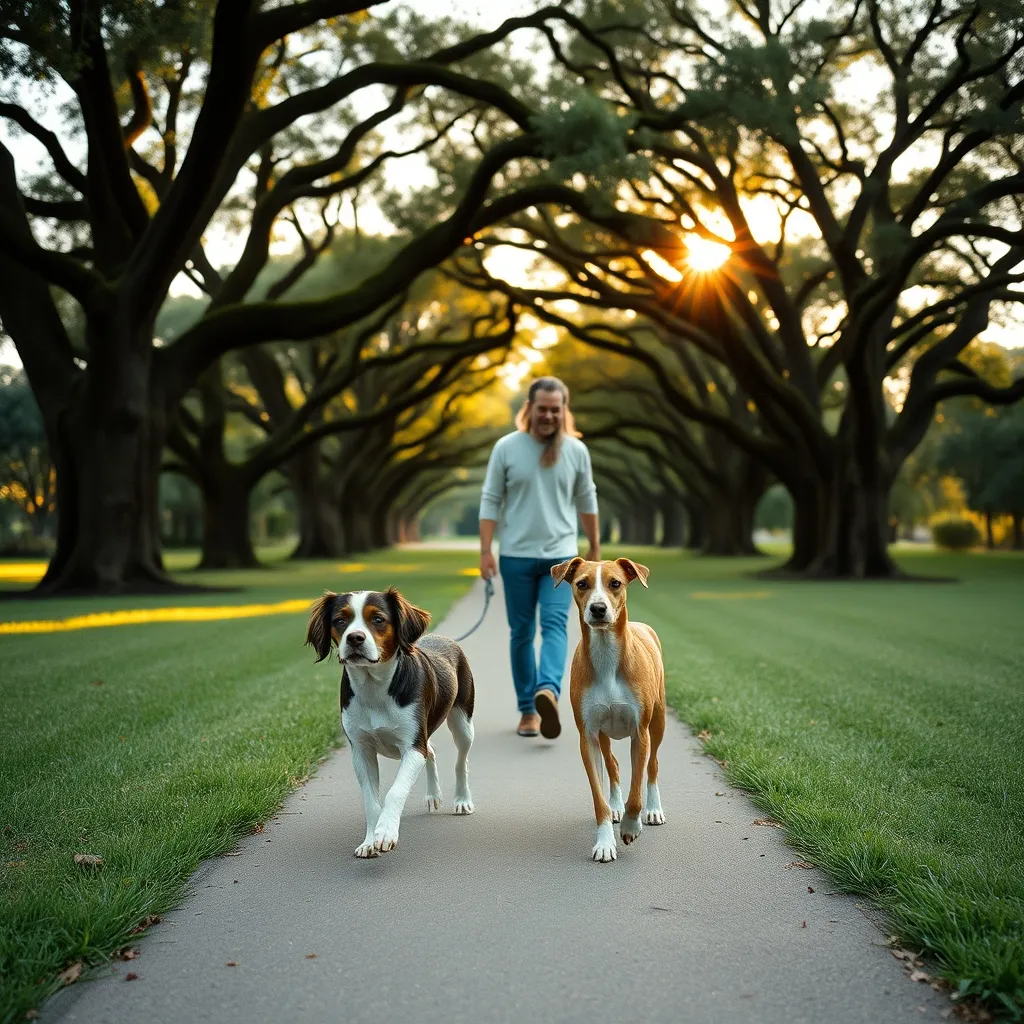
- Medium-energy dog breeds typically need 30 to 60 minutes of daily exercise, making them ideal for moderately active households
- Breeds like the Cavalier King Charles Spaniel, Basset Hound and Whippet are among the most popular medium-energy companions
- A medium-energy dog still requires daily mental enrichment alongside physical walks to prevent boredom-related behaviour problems
- Families with children often thrive with medium-energy breeds because these dogs are playful without being overwhelming
- Apartment dwellers can successfully keep medium-energy breeds provided they commit to at least two structured outings per day
- Matching your own activity level to a breed’s energy is the single biggest predictor of a successful long-term relationship with your dog
In This Guide
- What Are Medium-Energy Dog Breeds?
- Top 15 Medium-Energy Dog Breeds
- Medium-Energy Breeds by Size
- Daily Exercise Needs for Medium-Energy Dogs
- Best Medium-Energy Breeds for Families
- Medium-Energy Dogs for Apartment Living
- Training and Enrichment Tips
- Choosing the Right Medium-Energy Dog for Your Lifestyle
Over the past decade of working with dogs and their owners in Austin, I have seen one mismatch cause more rehoming heartbreak than almost any other: energy level. A marathon runner adopts a Basset Hound and feels frustrated; a retiree brings home a Border Collie and feels overwhelmed. Both situations could have been avoided by honestly assessing how much daily activity each party actually needs. That is exactly why I wrote this guide to medium-energy dog breeds, the sweet spot that fits the widest range of lifestyles.
Medium-energy dogs are not couch potatoes and they are not tireless athletes. They are the Goldilocks of the canine world: happy with a solid daily walk, a play session in the garden, and then a relaxed evening by your side. If that sounds like the kind of companion you want, keep reading.
What Are Medium-Energy Dog Breeds?
Before we dive into specific breeds, it helps to understand what trainers and behaviourists mean by “medium energy.” Energy level in dogs describes their baseline need for physical and mental activity. The American Kennel Club breed profiles rate energy on a scale that ranges from low (content with minimal exertion) to high (seemingly never tired).
A medium-energy dog typically displays these characteristics:
- Enjoys 30 to 60 minutes of moderate exercise per day
- Settles well indoors after their physical needs are met
- Can handle an occasional lazy day without destructive behaviour
- Appreciates interactive play but does not demand it every waking hour
- Adapts to varied schedules better than high-energy breeds
This does not mean medium-energy dogs are “easy.” Every dog needs training, socialisation, and enrichment. But their activity demands are more forgiving if you occasionally have a busy day or limited outdoor access. If your dog already shows signs of restlessness or anxiety linked to under-stimulation, energy mismatch might be the root cause.
Top 15 Medium-Energy Dog Breeds
I have compiled this list based on my professional experience, breed standards, and owner feedback I have gathered over more than 10 years of training. Every dog is an individual, but these breeds consistently fall into the moderate-energy category.
- Cavalier King Charles Spaniel – Affectionate, adaptable, thrives on companionship. Roughly 30 to 40 minutes of daily activity keeps them content.
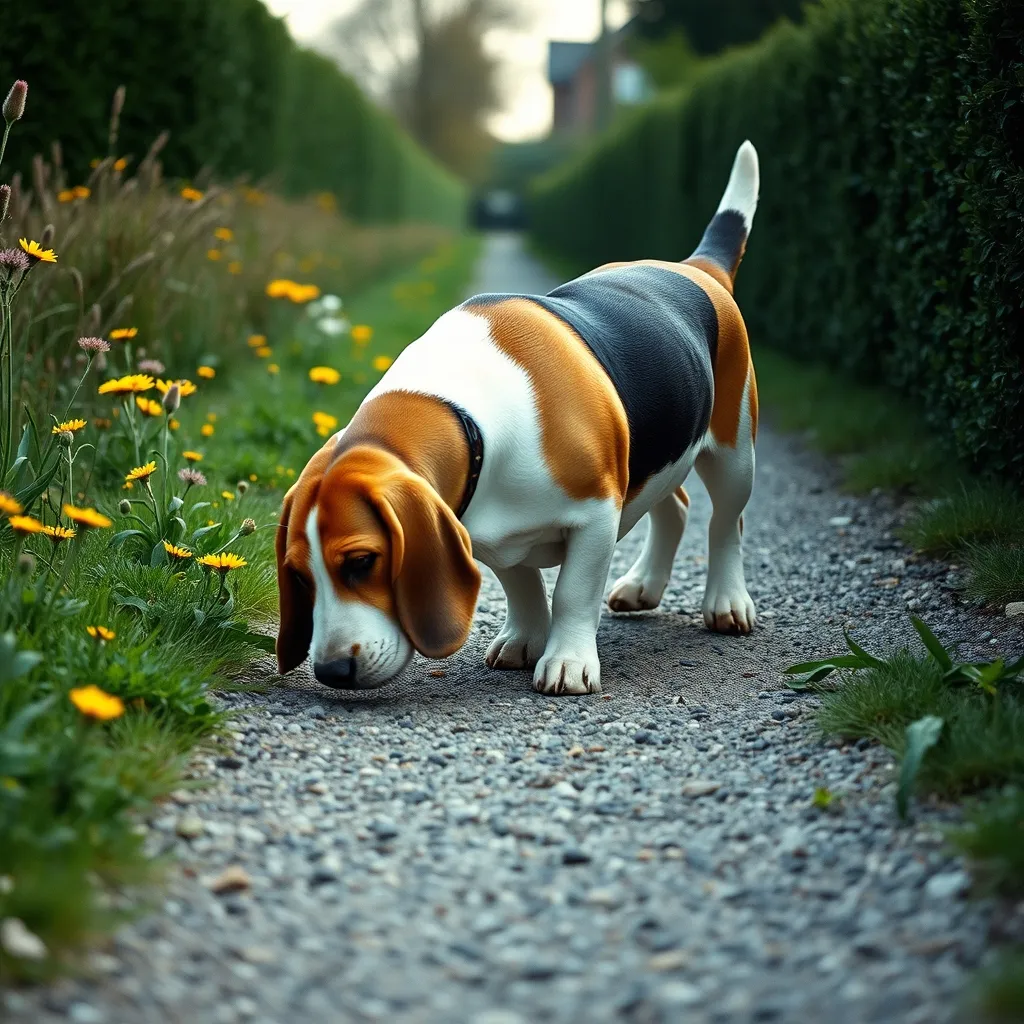
- Basset Hound – A scent-driven breed that enjoys leisurely walks. Prone to weight gain, so consistent moderate exercise is important.
- Whippet – Surprisingly calm indoors despite their speed. A short sprint session plus a walk usually suffices.
- English Bulldog – Low stamina but still needs daily movement. Heat sensitivity means shorter, cooler walks are best.
- French Bulldog – Playful and sociable without needing hours of exercise. Be mindful of brachycephalic breathing limitations.
- Cocker Spaniel – Cheerful and eager to please. Around 45 to 60 minutes of walking and play hits the mark.
- Shar-Pei – Independent and loyal. Moderate walks paired with mental stimulation keep them balanced.
- Staffordshire Bull Terrier – Muscular and affectionate. They love a good play session but settle nicely at home.
- Miniature Schnauzer – Alert and trainable. Daily walks plus puzzle toys channel their intelligence well.
- Pug – Charming and compact. Two shorter walks totalling 30 minutes are generally enough.
- Clumber Spaniel – The most laid-back of the spaniel family. Steady, moderate walks suit them perfectly.
- Tibetan Terrier – Versatile and hardy. Enjoys hiking but does not demand it daily.
- Basenji – Curious and independent. Needs about 40 minutes of activity but is famously quiet indoors.
- Standard Poodle – Often classified as high-energy, but well-bred Standards from show lines trend moderate. Around 45 to 60 minutes daily is typical.
- Greyhound – Retired racers are the ultimate medium-energy house dogs. A 20-minute off-lead run plus a gentle walk keeps them happy.
If you are adopting a mixed-breed dog, DNA testing panels can give you a rough energy estimate based on breed heritage. Observation during a two-week settling period is equally valuable.
Medium-Energy Breeds by Size
Size and energy are independent traits, yet many owners conflate them. A small dog can be high-energy (think Jack Russell Terrier), and a giant breed can be remarkably calm (think Great Dane). Below is a breakdown of medium-energy dog breeds organised by size category.
| Size Category | Example Breeds | Typical Weight | Daily Exercise |
|---|---|---|---|
| Small (under 10 kg) | Cavalier King Charles Spaniel, Pug, French Bulldog | 5–10 kg | 25–40 min |
| Medium (10–25 kg) | Cocker Spaniel, Basset Hound, Whippet, Basenji | 10–25 kg | 35–55 min |
| Large (25–40 kg) | Standard Poodle, Staffordshire Bull Terrier, Shar-Pei | 25–40 kg | 40–60 min |
| Giant (over 40 kg) | Greyhound, Clumber Spaniel, Bullmastiff | 30–65 kg | 30–50 min |
Notice how giant breeds often need fewer minutes of intense exercise than medium-sized dogs because their joints bear more load. If you are choosing a larger medium-energy breed, prioritise low-impact activities like swimming or structured leash walks to protect their musculoskeletal health.

Daily Exercise Needs for Medium-Energy Dogs
When clients ask me “how much exercise does my dog actually need?” I always answer with a question of my own: “Is your dog settling calmly in the evening?” If the answer is yes, your routine is working. If your dog is pacing, chewing furniture, or barking excessively, they likely need more stimulation.
According to the PDSA’s exercise guidelines, most adult dogs need at least one walk per day, with the duration tailored to their breed, age, and health. For medium-energy breeds, I recommend the following framework:
- Morning walk: 20 to 30 minutes at a moderate pace. Allow plenty of sniffing; it is mentally enriching.
- Midday break: A short garden potty break or a 10-minute indoor play session.
- Evening walk or play: 15 to 30 minutes. This can be a training session, fetch in the garden, or a neighbourhood stroll.
Puppies and seniors need adjustments. Puppies should follow the five-minute rule: roughly five minutes of structured exercise per month of age, twice daily. Senior dogs may need shorter, gentler outings. If you are caring for an older companion, our guide to choosing a senior dog day care can help fill activity gaps when you are at work.
Mental enrichment counts toward the daily activity budget. Puzzle feeders, snuffle mats, and short training drills can tire a medium-energy dog as effectively as a physical walk. I often tell my clients that 15 minutes of nose work equals 30 minutes of walking in terms of mental fatigue.
Best Medium-Energy Breeds for Families
Families with children frequently ask me which breeds strike the best balance between playful and manageable. Medium-energy dog breeds are often the perfect fit because they can keep up with kids during an afternoon in the park but will not bounce off the walls all evening. Here are my top picks for family life:
- Cavalier King Charles Spaniel: Gentle with toddlers, tolerant of handling, and small enough for children to walk safely.
- Cocker Spaniel: Joyful and forgiving. Responds beautifully to positive-reinforcement training, which is great for teaching children how to interact with dogs.
- Staffordshire Bull Terrier: Often called the “nanny dog” in the UK. Robust, patient, and deeply loyal to their family unit.
- Standard Poodle: Hypoallergenic coat is a bonus for families with mild allergy concerns. Intelligent and eager to participate in family activities.
- Whippet: Surprisingly gentle and affectionate. They love a burst of speed but are happy to curl up with the children afterwards.
Regardless of breed, I always recommend teaching children the “ask, invite, respect” approach: ask an adult before approaching the dog, invite the dog to come to them rather than chasing, and respect when the dog moves away. This framework prevents most bite incidents I see in family settings.
If you are bringing a new puppy home to a busy household, setting up a safe space like a crate or pen is essential. Our crate training guide for separation anxiety covers how to make this space a positive retreat rather than a punishment.
Medium-Energy Dogs for Apartment Living
Living in a flat does not rule out dog ownership, far from it. Many medium-energy dog breeds thrive in apartments because their exercise needs can be met with structured outdoor outings rather than a large garden. The keys to success are consistency and enrichment.
Breeds that do particularly well in smaller spaces include:
- French Bulldog: Compact, quiet (by bully-breed standards), and content with shorter walks.
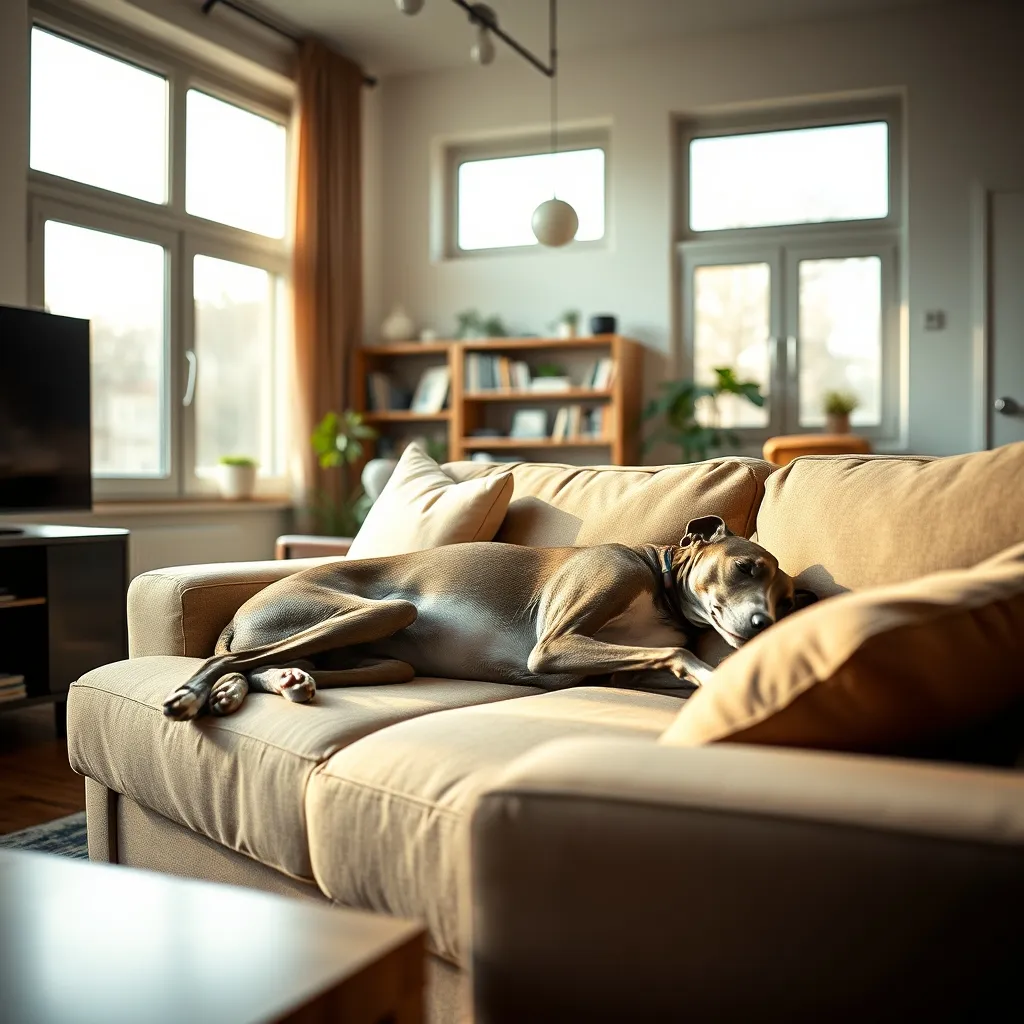
- Greyhound: This surprises many people, but retired Greyhounds are famously lazy indoors. They sprint for a few minutes, then sleep for hours.
- Basenji: Known as the “barkless dog,” which neighbours will appreciate. Still needs their daily walk, but is quiet at home.
- Pug: Small footprint, moderate energy, and a sociable temperament that handles visitors well.
- Cavalier King Charles Spaniel: Adaptable to virtually any living arrangement provided they get companionship.
If you live in an apartment, invest in indoor enrichment tools. A quality dog bed gives your pet a defined resting space. Puzzle toys and lick mats can occupy a medium-energy dog for 20 to 30 minutes while you are on a video call. And remember, even apartment dogs benefit from regular grooming sessions, which double as bonding time and gentle mental stimulation.
Training and Enrichment Tips
In my practice, I use exclusively force-free, positive-reinforcement methods. Medium-energy dog breeds respond exceptionally well to this approach because they are motivated enough to engage but not so wired that they struggle to focus.
Here are my top enrichment strategies for medium-energy breeds:
Structured Training Sessions
Keep sessions to 5 to 10 minutes, two or three times a day. Short, frequent repetitions build reliability faster than one long session. Focus on foundation behaviours: sit, down, stay, recall, and loose-lead walking. If you need guidance on the basics, our puppy potty training guide covers foundational routines that apply to all ages.
Nose Work
Scatter a handful of kibble in the grass and let your dog find each piece. This engages their olfactory system, which is one of the most tiring forms of canine enrichment. You can progress to hiding treats in boxes, under cups, or along a scent trail through the house.
Puzzle Feeders and Slow Bowls
Ditch the food bowl entirely for at least one meal a day. Use a Kong, snuffle mat, or puzzle feeder instead. This turns a two-minute meal into a 15-minute problem-solving session.
Social Outings
Medium-energy dogs are often excellent candidates for dog-friendly cafes, pet shops, and calm group walks. Exposure to novel environments at a comfortable pace builds confidence without the overstimulation risk you might see in high-energy breeds. According to the RSPCA’s guidance on dog welfare, providing a stimulating and safe environment is one of the five welfare needs every owner must meet.
If your medium-energy dog suddenly becomes destructive or restless, rule out medical causes first. Pain, thyroid imbalances, and common canine illnesses can all alter energy levels. A vet check should always precede a behaviour-modification plan.
Choosing the Right Medium-Energy Dog for Your Lifestyle
Choosing a dog based on energy level is, in my professional opinion, more important than choosing by appearance. A gorgeous breed that does not match your daily routine will leave both you and the dog frustrated. Here is a quick self-assessment I use with my clients:
- How many minutes per day can you realistically dedicate to dog exercise? If the honest answer is 30 to 60 minutes, a medium-energy breed is your match.
- Do you work from home or away? Dogs left alone for long stretches need a breed that tolerates solitude, or you need a plan such as a dog day care arrangement.
- Do you have a garden or only a balcony? Garden access is helpful but not essential; commitment to daily outings matters more.
- Are there children or elderly family members? Opt for breeds known for patience and a gentle mouth.
- Do you have allergies? Consider breeds with low-shedding coats like the Standard Poodle or Miniature Schnauzer. Our guide to food for sensitive stomachs is also worth reading if your dog has dietary sensitivities alongside your own allergy concerns.
Rescue organisations are an excellent source for medium-energy adult dogs whose temperaments are already known. Many breed-specific rescues assess energy levels as part of their rehoming process, which takes much of the guesswork out of the equation. If you are open to mixed breeds, shelter staff can often identify dogs that display moderate activity patterns during their stay.
Age also matters. A two-year-old Cocker Spaniel will have more energy than a seven-year-old of the same breed. If you want predictability, adopting an adult dog (three years or older) gives you a clearer picture of their baseline energy. For older dogs, senior dog insurance can help manage the healthcare costs that come with age-related conditions.
Finally, consider your future lifestyle changes. Medium-energy breeds are forgiving of moderate shifts, such as a new baby, a move to a smaller home, or a change in working hours, because they adapt more readily than high-energy breeds. This adaptability is one of the strongest arguments for choosing a dog in this energy category.
I have worked with hundreds of families navigating breed selection, and the ones who start with an honest energy assessment almost always end up with a dog they adore for life. Take your time, do your research, and remember that the right match is about compatibility, not just cuteness.
Key Points
- Aim for 30 to 60 minutes of daily exercise split across two or more outings for your medium-energy breed
- Supplement physical walks with nose work, puzzle feeders, and short training drills for mental enrichment
- Assess your own activity level honestly before choosing a breed; a lifestyle mismatch is the top cause of rehoming
- Consider adopting an adult dog aged three or older for a more predictable energy baseline
- Always rule out medical causes before assuming a sudden change in energy is behavioural
Frequently Asked Questions
What dogs have medium energy?
Popular medium-energy dog breeds include the Cavalier King Charles Spaniel, Basset Hound, Whippet, French Bulldog, Cocker Spaniel, Greyhound, Staffordshire Bull Terrier, and Standard Poodle. These breeds typically need 30 to 60 minutes of daily exercise and settle well indoors once their activity needs are met.
The Basset Hound and the Whippet are among the calmest medium-sized breeds. Basset Hounds are famously relaxed at home, while Whippets sprint in short bursts and then spend most of the day sleeping. Both breeds adapt well to quieter households and require minimal high-intensity exercise.What is the calmest medium-size dog?
Yes. Many medium-energy breeds, including Greyhounds, French Bulldogs, and Cavalier King Charles Spaniels, thrive in apartments. The key is providing structured daily outings and indoor enrichment such as puzzle feeders and nose-work games to compensate for the lack of garden space.Are medium-energy dogs good for apartments?
Most medium-energy dogs do well with 30 to 60 minutes of daily exercise, split between a morning walk and an evening play session. Puppies need less structured exercise (roughly five minutes per month of age, twice daily), and senior dogs may need shorter, gentler outings tailored to their joint health.How much exercise does a medium-energy dog need per day?
Medium-energy breeds tolerate alone time better than high-energy breeds, but no dog should be left alone for more than four to six hours without a break. If you work full-time, consider a dog walker, day care, or a midday visit from a friend to break up the day and provide a short outing.Can medium-energy dogs be left alone during the workday?
The Cavalier King Charles Spaniel and the Cocker Spaniel are excellent choices for first-time owners. Both breeds are eager to please, respond well to positive-reinforcement training, and have forgiving temperaments that tolerate the inevitable beginner mistakes. Their moderate exercise needs also make the daily routine manageable for new dog owners.What is the best medium-energy dog for first-time owners?