
Key Takeaways
- Elderly dog insurance typically costs between £30 and £80 per month depending on breed, age and level of cover
- Most UK insurers set an upper age limit of 8 to 10 years for new policies, though some specialist providers have no age cap
- Lifetime cover is the most comprehensive option for senior dogs because it renews the benefit limit every year
- Pre-existing conditions are almost never covered, making early enrolment the single best financial decision you can make
- Excess fees for older dogs can rise to £100 or more per claim, plus a co-payment of 20–35 % of the remaining bill
- Comparing at least three to five quotes annually could save you up to 40 % on your premium
In This Guide
- Why Elderly Dog Insurance Matters
- When Is a Dog Considered Elderly?
- Types of Cover Available for Senior Dogs
- Average Costs of Elderly Dog Insurance in 2026
- What Affects Your Premium
- Best Providers for Older Dogs in 2026
- Pre-Existing Conditions and Senior Dogs
- How to Reduce the Cost of Insuring an Older Dog
- Is Elderly Dog Insurance Actually Worth It?
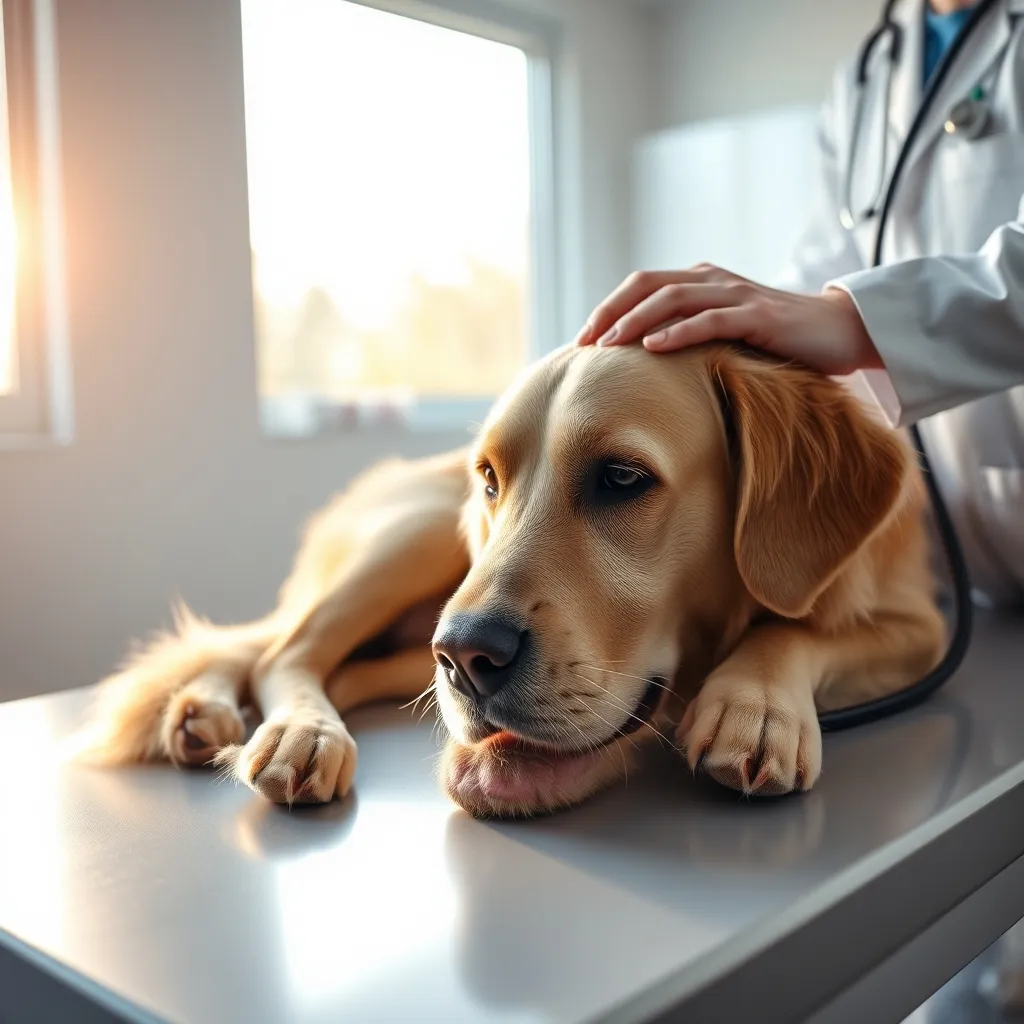
I have spent over a decade working with dogs of every age, and if there is one conversation I wish more owners would have earlier, it is about elderly dog insurance. As our dogs enter their golden years, their veterinary needs do not shrink; they multiply. Arthritis management, dental extractions, tumour removals, blood panels every six months: the bills add up fast. In my practice here in Austin, I have watched families face agonising choices simply because they assumed insurance was only for puppies. It is not. In this guide, I will walk you through what elderly dog insurance costs in 2026, which providers offer the best value and how to navigate the tricky landscape of age limits and exclusions.
Why Elderly Dog Insurance Matters
Senior dogs visit the vet twice as often as younger adults, according to data from the PDSA Animal Wellbeing (PAW) Report. A single diagnostic workup for a lump can cost £400 to £800 before treatment even begins. Surgery for a cruciate ligament tear, one of the most common orthopaedic problems in ageing dogs, runs between £1,500 and £4,000. Without cover, those figures come straight out of your savings.
Insurance does not just protect your finances. It protects your ability to say yes to the treatment your dog needs. I have seen too many owners delay diagnostics because they were worried about cost, only to discover a condition that would have been treatable weeks earlier. Elderly dog insurance removes that hesitation. It lets you and your vet make decisions based on medicine, not money.
If your senior dog also struggles with anxiety or nervous behaviour, veterinary consultations for behavioural medication become another recurring expense that good cover can help offset.

When Is a Dog Considered Elderly?
Insurers and veterinarians do not always agree on when a dog becomes “senior.” In clinical terms, a dog enters its senior years at roughly the last 25 % of its expected lifespan. For a Great Dane with a life expectancy of eight to ten years, that can be as early as age six. For a Jack Russell expected to live 14 to 16 years, seniority starts closer to ten or eleven.
Most insurance companies use a simpler threshold. The majority classify dogs as senior at age eight, though some set the line at seven for giant breeds and nine or ten for small breeds. This classification matters because it triggers higher premiums, increased excess fees and, in some cases, outright refusal of new cover. The RSPCA recommends regular health checks for dogs over seven, which aligns closely with the insurance industry’s senior threshold.
If you are caring for a senior dog, you may also want to explore specialised day care options for older dogs to keep them mentally stimulated and socially engaged.
Types of Cover Available for Senior Dogs
Not every policy works the same way, and understanding the differences is critical when you are insuring an older dog. Here are the four main types you will encounter:
Lifetime cover is the gold standard. It offers a set benefit amount that resets every year when you renew. If your dog develops a chronic condition like Cushing’s disease, treatment remains covered year after year as long as you keep the policy active. This is the type I recommend most strongly for senior dogs.
Annual or time-limited cover gives you a fixed benefit for each condition, but only for 12 months from the date of the first claim. After that year, the condition becomes excluded. For a senior dog likely to develop chronic issues, this can leave you exposed just when you need help most.
Maximum benefit cover sets a per-condition cap with no time limit. Once you have claimed up to that cap for a given condition, it is excluded permanently. This sits between lifetime and time-limited in terms of value.
Accident-only cover is the cheapest option but covers only injuries, not illness. Given that illness accounts for the majority of veterinary spending in senior dogs, I rarely recommend this for older pets unless budget is extremely tight.
Average Costs of Elderly Dog Insurance in 2026
Premiums for elderly dog insurance vary enormously. I have compiled typical monthly costs based on 2026 UK market data to give you a realistic picture.
| Dog’s Age | Small Breed (under 10 kg) | Medium Breed (10–25 kg) | Large Breed (over 25 kg) |
|---|---|---|---|
| 7–8 years | £25–£40/month | £35–£55/month | £45–£70/month |
| 9–10 years | £35–£55/month | £50–£75/month | £65–£95/month |
| 11–12 years | £45–£70/month | £60–£90/month | £80–£120/month |
| 13+ years | £55–£85/month | £75–£110/month | Limited availability |
These figures assume lifetime cover with a £4,000 to £7,000 annual benefit. Accident-only policies can be 50–70 % cheaper, but they leave illness, the biggest expense category for seniors, entirely uncovered. Keep in mind that certain breeds with known hereditary conditions, such as Cavalier King Charles Spaniels or Bulldogs, often fall at the higher end of each range.
Veterinary costs themselves are also rising. Routine senior blood panels now cost between £150 and £300, and dental procedures regularly exceed £500. If your dog has ongoing dental issues, insurance that covers dental treatment can pay for itself within a single claim.

What Affects Your Premium
Several factors determine what you will pay for elderly dog insurance. Understanding them helps you shop smarter.
Age is the single biggest driver. Premiums typically increase by 10–20 % each year once a dog passes the senior threshold. Some insurers apply a sharp jump at a specific age, while others raise prices more gradually.
Breed plays a major role because certain breeds are predisposed to expensive conditions. Labrador Retrievers, for example, are prone to hip dysplasia and elbow problems. German Shepherds face higher rates of degenerative myelopathy. Crossbreeds generally cost less to insure than pedigree dogs.
Postcode matters too. Veterinary fees in London and the South East are significantly higher than in the North of England, Scotland or Wales, and insurers adjust their pricing accordingly.
Excess and co-payment levels directly affect your premium. Choosing a higher voluntary excess, say £150 instead of £75, can reduce your monthly cost by 15–25 %. Many policies for older dogs also include a co-payment clause, typically requiring you to pay 20 % of any claim once the dog passes a certain age. This is standard practice and not a reason to avoid cover entirely.
Claims history influences renewal pricing. A dog with multiple claims in the past year will see a steeper increase at renewal than one with a clean record. However, switching providers to avoid a price hike can backfire because any condition you have already claimed for becomes a pre-existing condition with the new insurer.
Your dog’s overall health profile is relevant as well. Dogs that maintain a healthy weight and receive regular appropriate exercise often have fewer claims, which can help keep renewal premiums in check.
Best Providers for Older Dogs in 2026
Not all insurers welcome senior dogs with open arms. Some impose strict upper age limits for new policies, while a handful of specialist providers have built their entire business around older pets. Here is what I have found after reviewing the UK market for 2026.
Providers with no upper age limit for new policies include Petplan, which remains one of the most widely recommended options for senior dogs. They offer lifetime cover and do not refuse dogs based on age alone, though premiums rise accordingly. Kennel Club Insurance, underwritten by Allianz, also accepts dogs at any age for new policies.
Specialist senior providers like Petgevity focus exclusively on older pets and often provide more transparent pricing for the 10-plus age group. Their policies tend to have higher excess levels but can be more competitively priced than mainstream insurers for very old dogs.
Budget-friendly options from providers like Bought By Many (now ManyPets) offer flexible cover levels that let you tailor your policy to your budget. Their “Value” tier can suit owners who want some protection without paying top-tier premiums.
When comparing providers, always look beyond the headline premium. Check the annual benefit limit, the per-condition limit, the excess structure (fixed, percentage or both), whether dental treatment is included, and how the insurer handles ongoing conditions at renewal. A cheap policy that excludes most of what your senior dog actually needs is no bargain at all.
If you also need to consider your homeowners insurance and dog ownership, it is worth checking whether any provider offers bundled discounts.
Pre-Existing Conditions and Senior Dogs
This is the topic that causes the most frustration, and I understand why. A pre-existing condition is anything your dog has shown symptoms of, been diagnosed with or received treatment for before the policy start date. With elderly dogs, the list of pre-existing conditions tends to be longer simply because they have had more years to accumulate health issues.
The hard truth is that no standard UK insurer covers pre-existing conditions. If your dog was treated for an ear infection three years ago, ear-related claims may be excluded. If blood tests revealed elevated liver enzymes, liver conditions could be excluded. Some insurers review pre-existing conditions after a symptom-free period, typically two to three years, and may consider removing the exclusion, but this is not guaranteed.
This is precisely why I urge every puppy owner I work with to get insurance during the first year. The earlier you enrol, the fewer pre-existing conditions your dog accumulates, and the more comprehensive your cover remains as they age.
For dogs with existing health issues, your best strategy is to maintain your current policy rather than switching. If you switch, every previously claimed condition becomes pre-existing with the new provider. Staying with your current insurer keeps those conditions covered, even though your premium will rise.
If your senior dog has conditions such as common canine illnesses that are already documented, be completely transparent on your application. Failing to disclose a known condition can void your entire policy when you need it most.

How to Reduce the Cost of Insuring an Older Dog
Even with the inevitable age-related premium increases, there are practical steps you can take to keep elderly dog insurance more affordable.
Increase your voluntary excess. Raising your excess from £75 to £150 or £200 can reduce your monthly premium by 15–25 %. Only do this if you can comfortably cover the excess amount when a claim arises.
Compare quotes every year. Loyalty rarely pays in insurance. Use comparison tools to check at least three to five quotes at each renewal. Just remember the pre-existing condition caveat: switching may cost you cover for conditions already claimed.
Consider a lower annual benefit limit. If you are currently on a £12,000 lifetime policy but your typical annual claims are well under £4,000, dropping to a £5,000 or £7,000 limit can offer meaningful savings.
Pay annually instead of monthly. Most insurers charge a small premium, usually 5–10 %, for monthly payments. If your cash flow allows it, paying upfront for the year saves money.
Keep your dog healthy. This sounds obvious, but it genuinely matters. Dogs that maintain a healthy body weight are less likely to develop diabetes, joint problems and heart disease. Regular dental care reduces the risk of expensive extractions. Consistent, age-appropriate exercise routines support joint health and cardiovascular function. A healthier dog means fewer claims, which helps keep your renewal premium lower.
Feeding a diet that supports your senior dog’s specific needs also plays a role. Dogs with sensitive stomachs or food allergies may benefit from specialised nutrition that reduces the frequency of gastrointestinal claims.
Is Elderly Dog Insurance Actually Worth It?
This is the question I hear most often from owners of senior dogs, and my answer is almost always yes, with a few caveats.
If your dog is currently healthy and has been insured since youth, keeping your policy active is a straightforward decision. You have built up a claims history, your conditions are covered, and dropping the policy now means losing all of that accumulated value.
If your dog is uninsured and over eight, the calculation is trickier. You will pay higher premiums, face larger excesses, and any existing conditions will be excluded. But even with those limitations, a single emergency, a gastric torsion, a ruptured spleen, a complicated fracture, can cost £3,000 to £8,000. One major incident could easily exceed two or three years of premium payments.
The only scenario where I might hesitate to recommend insurance is if you have substantial savings set aside specifically for veterinary care, at least £5,000 to £10,000, and are comfortable self-insuring. Even then, you lose the peace of mind that comes with knowing every decision can be based purely on what is best for your dog.
For dogs dealing with separation anxiety in their senior years, the combination of behavioural support and potential medication costs makes insurance even more valuable. Behavioural consultations alone can run £150 to £300 per session, and some policies now include cover for prescribed behavioural treatments.
I also want to address something that comes up in my work with senior dog day care clients: many day care facilities require proof of insurance or up-to-date vaccinations. Having active cover simplifies the process of arranging professional care for your older dog.
Ultimately, elderly dog insurance is not about whether your dog will need veterinary treatment in their final years. They almost certainly will. It is about whether you want to face those bills with a financial safety net or without one. After ten years of watching families navigate this decision, I can tell you that the families who kept their dogs insured are overwhelmingly the ones who feel they were able to give their pet the best possible care right to the end.
Key Points
- Enrol your dog as early as possible; every year you wait adds potential pre-existing condition exclusions
- Choose lifetime cover for the most reliable protection against chronic senior conditions
- Compare at least three to five quotes at each annual renewal to avoid overpaying
- Raise your voluntary excess to £150–£200 to reduce monthly premiums without sacrificing essential cover
- Maintain your dog’s healthy weight and dental hygiene to minimise claims and keep renewal costs manageable
Frequently Asked Questions
Is it worth insuring an elderly dog?
In most cases, yes. Senior dogs are far more likely to need expensive veterinary treatment, and a single emergency can cost £3,000 to £8,000. Even with higher premiums and excess fees, insurance provides a financial safety net that allows you to make treatment decisions based on your dog’s wellbeing rather than your bank balance. The only exception is if you have £5,000 to £10,000 in dedicated savings specifically for veterinary emergencies.
Petplan and Kennel Club Insurance are widely regarded as top choices because they accept dogs at any age for new lifetime policies. For specialist cover, Petgevity focuses exclusively on older pets and offers transparent pricing for dogs aged ten and above. The best policy for your individual dog depends on breed, existing conditions and your budget, so always compare at least three to five quotes before committing.What is the best pet insurance for elderly dogs in 2026?
If your 14-year-old dog is already insured, absolutely keep the policy active. Dropping it would mean losing cover for any conditions already on record. If your dog is currently uninsured, getting a new policy at 14 will be expensive, with high premiums, large excesses and significant exclusions. However, accident-only or limited cover can still protect against sudden emergencies like fractures or gastric torsion, which can occur at any age.Should I insure my 14-year-old dog?
No standard UK insurer covers pre-existing conditions at the point of enrolment. Some providers will review exclusions after a symptom-free period of two to three years and may remove them, but this is at the insurer’s discretion and not guaranteed. The most effective strategy is to insure your dog early, before conditions develop, and maintain continuous cover throughout their life.Do any insurers cover pre-existing conditions in older dogs?
Older dogs are statistically more likely to develop serious health conditions including cancer, organ disease, arthritis and dental problems. They visit the vet more frequently and require more diagnostic tests. Insurers price premiums based on risk, and the risk of expensive claims rises significantly with age. Breed, postcode and claims history further influence the cost. Choosing a higher voluntary excess and maintaining your dog’s overall health can help moderate premiums.Why does elderly dog insurance cost so much more?
A co-payment clause requires you to pay a percentage of each claim, typically 20–35 %, after the excess has been deducted. Many insurers apply this automatically once a dog reaches a certain age, often eight or ten years old. For example, on a £1,000 claim with a £100 excess and a 20 % co-payment, you would pay £100 excess plus £180 co-payment (20 % of the remaining £900), totalling £280 out of pocket. The insurer would cover the remaining £720.What does the co-payment clause mean for senior dog insurance?