
Key Takeaways
- Most small dog breeds weigh under 10 kg and adapt exceptionally well to apartment living with proper exercise routines
- Breeds like the Cavalier King Charles Spaniel and French Bulldog rank among the top 5 quietest small breeds, making them ideal for shared walls
- Small dogs need a minimum of 30 to 60 minutes of daily exercise, depending on the breed’s energy level
- Grooming costs for small breeds range from £30 to £80 per session, with some low-shedding breeds requiring professional grooming every 6 to 8 weeks
- Small breed puppies should be socialised to at least 100 new experiences before 16 weeks of age to prevent fear-based behavioural issues
- Feeding a small dog typically costs between £20 and £50 per month for high-quality food formulated for small breed metabolism
In This Guide
- Why Small Dog Breeds Make Perfect Apartment Companions
- Top Small Dog Breeds for Apartment Living
- Understanding Small Dog Breed Temperaments
- Exercise and Activity Needs for Small Dogs
- Grooming and Health Considerations
- Training Tips for Small Dog Breeds
- Feeding and Nutrition for Small Dogs
- Choosing the Right Small Dog Breed for Your Lifestyle
After more than a decade working with dogs of every size, I can tell you with absolute confidence that small dog breeds are some of the most rewarding companions you will ever share your life with. I have helped hundreds of apartment dwellers find their perfect match, and I have seen firsthand how the right small breed can transform a compact living space into a joyful home. Whether you are a first-time dog owner or a seasoned pet parent downsising from a larger breed, this guide covers everything you need to know about choosing, training, and caring for a small dog in an apartment setting.
Why Small Dog Breeds Make Perfect Apartment Companions
Living in an apartment does not mean you have to give up the dream of dog ownership. In my professional experience, small dog breeds often thrive in smaller spaces better than many people expect. The key lies in understanding that a dog’s suitability for apartment life depends far more on temperament and energy level than on size alone.
Small breeds, typically weighing under 10 kg, require less physical space to move comfortably through your home. They are easier to transport, whether you are taking the lift to the ground floor or heading to the vet in a taxi. Their smaller size also means lower food costs, smaller beds, and more manageable grooming needs in many cases.
However, I always remind my clients that “small” does not automatically mean “easy.” Some small breeds, like the Jack Russell Terrier, have energy levels that rival dogs three times their size. The secret to successful apartment living with a small dog is matching your lifestyle honestly with the breed’s natural tendencies. I have seen too many people choose a breed based on looks alone, only to find themselves overwhelmed by a tiny dog with enormous needs.
One of the biggest advantages I have observed with small dogs in apartments is their ability to get adequate exercise even in limited spaces. A good game of indoor fetch down a hallway, combined with daily walks, can satisfy many small breeds completely. According to the Kennel Club, small breeds generally need between 30 and 60 minutes of exercise daily, which is very achievable even for busy professionals.
Top Small Dog Breeds for Apartment Living
Over the years, I have worked with dozens of small dog breeds in apartment settings, and some consistently stand out as excellent choices. Here are my top recommendations based on temperament, noise level, exercise needs, and overall adaptability.
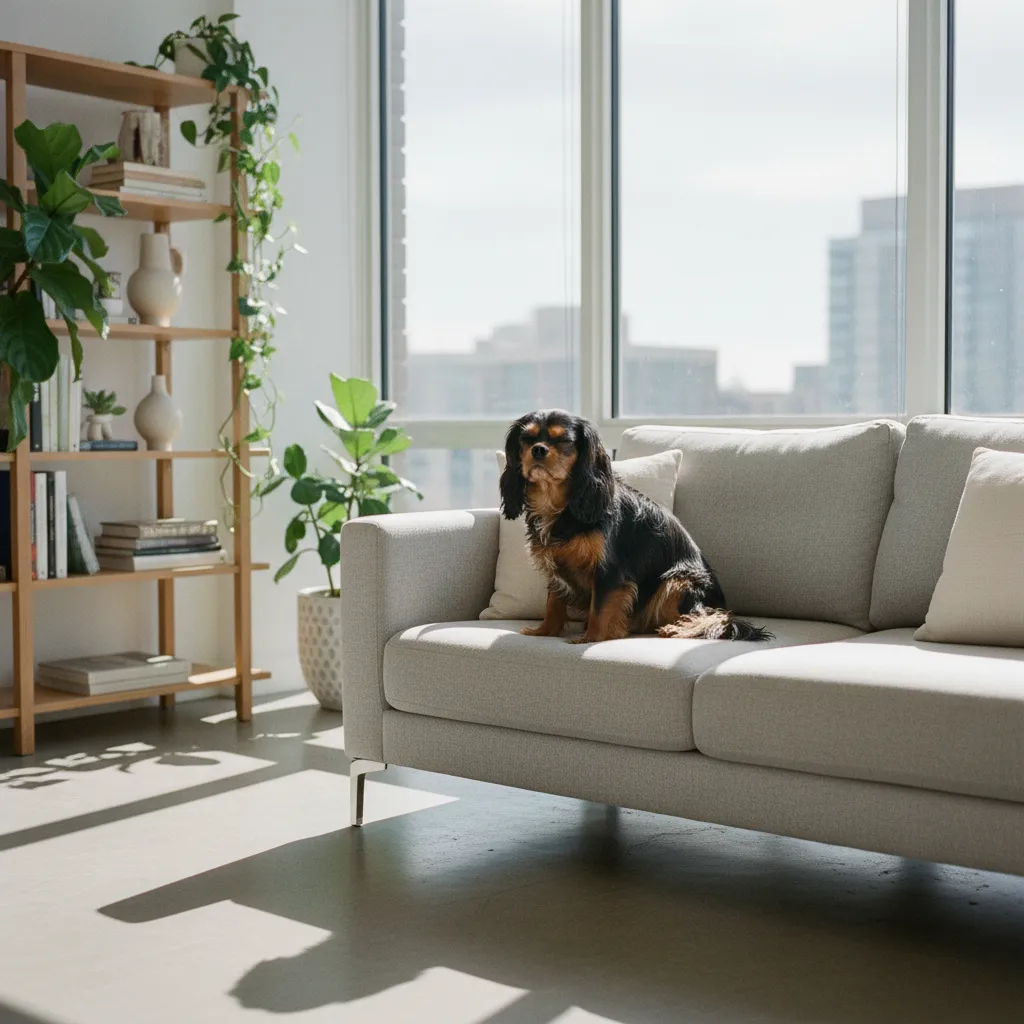
The Cavalier King Charles Spaniel is my number one recommendation for apartment dwellers. These gentle souls weigh between 5.5 and 8 kg, rarely bark excessively, and are content to curl up on the sofa after a moderate walk. They are incredibly affectionate and do well with families, singles, and seniors alike.
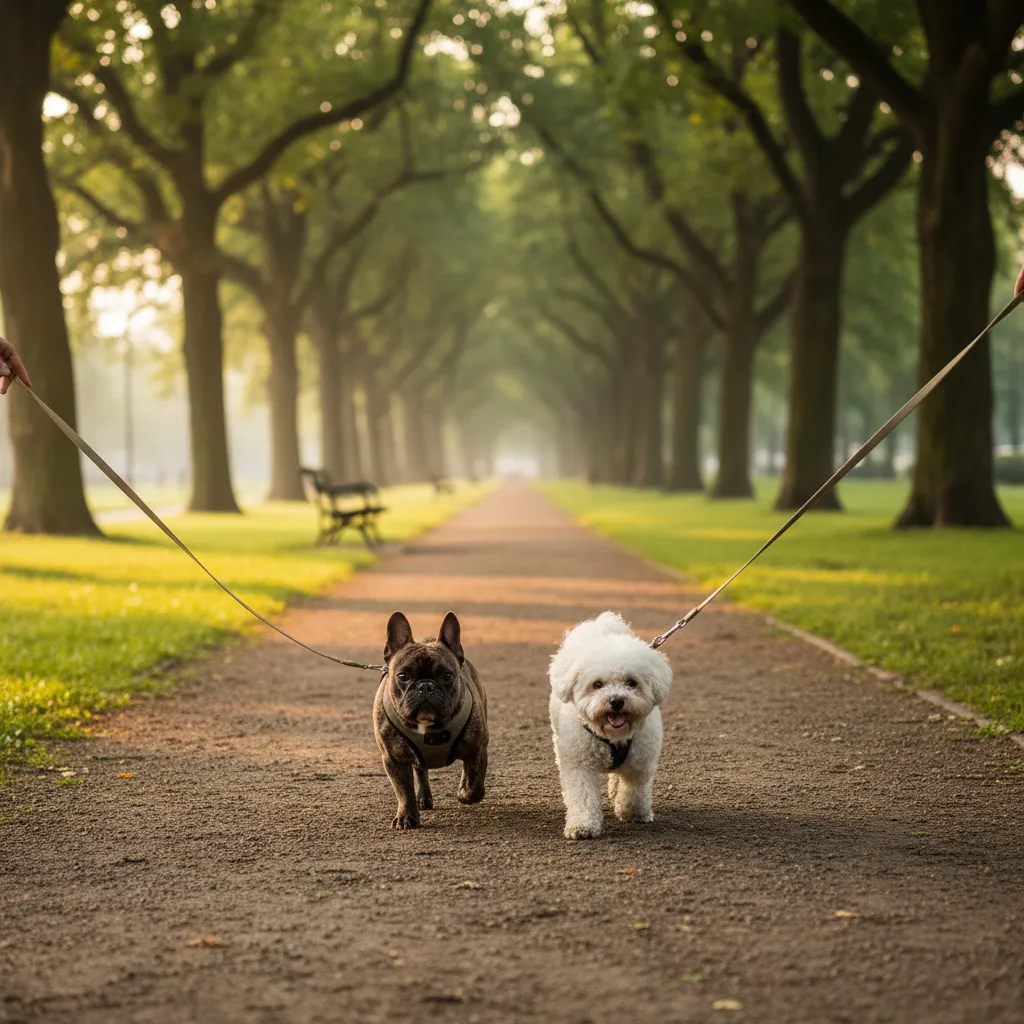
The French Bulldog has surged in popularity for good reason. Compact, quiet, and endlessly entertaining, Frenchies are natural apartment dogs. They do not require extensive exercise and are quite happy with short walks and indoor play sessions. Just be mindful of their sensitivity to heat and their potential for respiratory issues due to their brachycephalic structure.
The Bichon Frise is another breed I frequently recommend. Weighing around 5 to 8 kg, these cheerful dogs are hypoallergenic, minimal shedders, and adapt beautifully to indoor living. They do need regular grooming, but their friendly temperament and moderate energy make them wonderful companions.
The Miniature Dachshund brings big personality in a tiny package. Weighing just 4 to 5 kg, these dogs are loyal, clever, and surprisingly adaptable to flat living. They do have a tendency to bark, which I address through early training, but their exercise needs are quite manageable.
Other excellent apartment-friendly small breeds include the Shih Tzu, Maltese, Pug, Yorkshire Terrier, Havanese, and Italian Greyhound. Each brings unique qualities to apartment life, and the best choice depends entirely on your personal circumstances.
| Breed | Weight (kg) | Daily Exercise | Barking Level | Shedding | Apartment Suitability |
|---|---|---|---|---|---|
| Cavalier King Charles Spaniel | 5.5 – 8 | 40 – 60 min | Low | Moderate | Excellent |
| French Bulldog | 8 – 13 | 30 – 45 min | Low | Low | Excellent |
| Bichon Frise | 5 – 8 | 30 – 45 min | Low to Moderate | Very Low | Excellent |
| Miniature Dachshund | 4 – 5 | 30 – 45 min | Moderate to High | Low | Very Good |
| Shih Tzu | 4 – 7 | 30 – 40 min | Low to Moderate | Low | Excellent |
| Yorkshire Terrier | 2 – 3 | 30 – 40 min | Moderate to High | Very Low | Very Good |
| Pug | 6 – 8 | 30 – 40 min | Low | High | Excellent |
| Maltese | 3 – 4 | 30 min | Moderate | Very Low | Excellent |
| Havanese | 4 – 7 | 30 – 45 min | Low to Moderate | Very Low | Excellent |
| Italian Greyhound | 3 – 5 | 40 – 60 min | Low | Very Low | Very Good |
Understanding Small Dog Breed Temperaments
One of the most important lessons I have learnt in my career is that temperament varies enormously across small dog breeds. Understanding these differences is critical to making the right choice for your apartment lifestyle.
I broadly categorise small breed temperaments into four groups. Companion breeds like the Cavalier, Maltese, and Havanese were bred specifically to be lap dogs. They crave human contact, tend to be calm indoors, and are generally quiet. These breeds are my first recommendation for anyone who works from home or spends significant time in their flat.
Terrier types, including the Yorkshire Terrier, Jack Russell, and Miniature Schnauzer, were originally bred for hunting vermin. They are bold, energetic, and often vocal. I love terriers, but I always caution apartment dwellers that these breeds need more mental stimulation and structured exercise to prevent behavioural issues like excessive barking and destructive chewing.
Toy breeds such as the Chihuahua, Pomeranian, and Papillon fall somewhere in between. They can be wonderfully affectionate but also surprisingly feisty. I find that proper early socialisation makes the biggest difference with these breeds. A well-socialised Chihuahua is a completely different dog from one that has been carried everywhere and shielded from the world.
Brachycephalic breeds like the French Bulldog and Pug have their own unique temperament profile. They tend to be laid-back, humorous, and deeply bonded to their owners. Their lower exercise tolerance actually makes them well suited to apartment life, though their health needs require careful attention.
Regardless of breed, I always encourage my clients to meet individual dogs before committing. Even within a breed, personality can vary significantly. A reputable breeder or rescue organisation, such as those registered with the PDSA, will help match you with a dog whose individual temperament suits your living situation.
Exercise and Activity Needs for Small Dogs
This is where I see the most common mistakes with small dog breeds in apartments. Many people assume that because a dog is small, it barely needs any exercise. Others go to the opposite extreme and over-exercise their tiny companion. Neither approach serves the dog well.
Most small breeds need 30 to 60 minutes of exercise daily, broken into two or three sessions. For a Cavalier King Charles Spaniel, this might look like a 20-minute morning walk, a brief lunchtime toilet break, and a 30-minute evening walk with some off-lead time if possible. For a more energetic breed like a Miniature Poodle, you might add in a training session or puzzle game to burn mental energy.
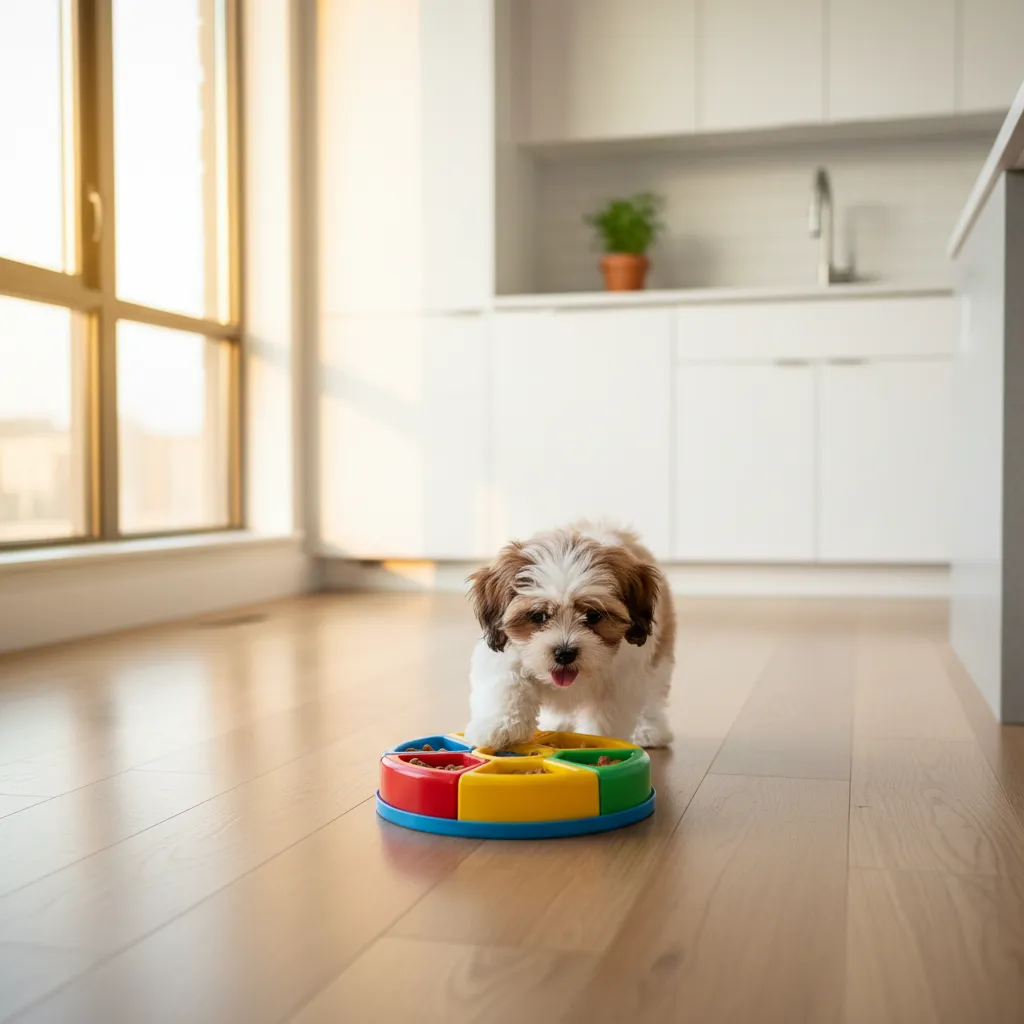
I am a huge advocate of mental enrichment for apartment dogs. Snuffle mats, puzzle feeders, frozen stuffed Kongs, and scent games can tire out a small dog just as effectively as physical exercise. In my experience, a 15-minute training session can be equivalent to a 30-minute walk in terms of energy expenditure. This is particularly valuable on days when weather makes outdoor exercise less appealing.
Indoor exercise ideas that I recommend to my apartment-dwelling clients include:
- Hallway fetch with a soft toy
- Hide and seek games throughout the flat
- Tug of war with appropriate-sized toys
- Indoor agility using cushions and chairs
- Trick training sessions of 10 to 15 minutes
One thing I always stress is the importance of consistent daily routines. Small dogs in apartments do best when they know what to expect. A regular schedule of walks, meals, play, and rest helps prevent anxiety and behavioural problems. I have seen countless cases where an inconsistent routine led to separation anxiety, excessive barking, or house training regression.
Grooming and Health Considerations
Each small dog breed comes with its own grooming requirements and health predispositions, and understanding these before you commit is essential. I have worked with too many frustrated owners who did not realise their adorable Shih Tzu would need professional grooming every 6 to 8 weeks.
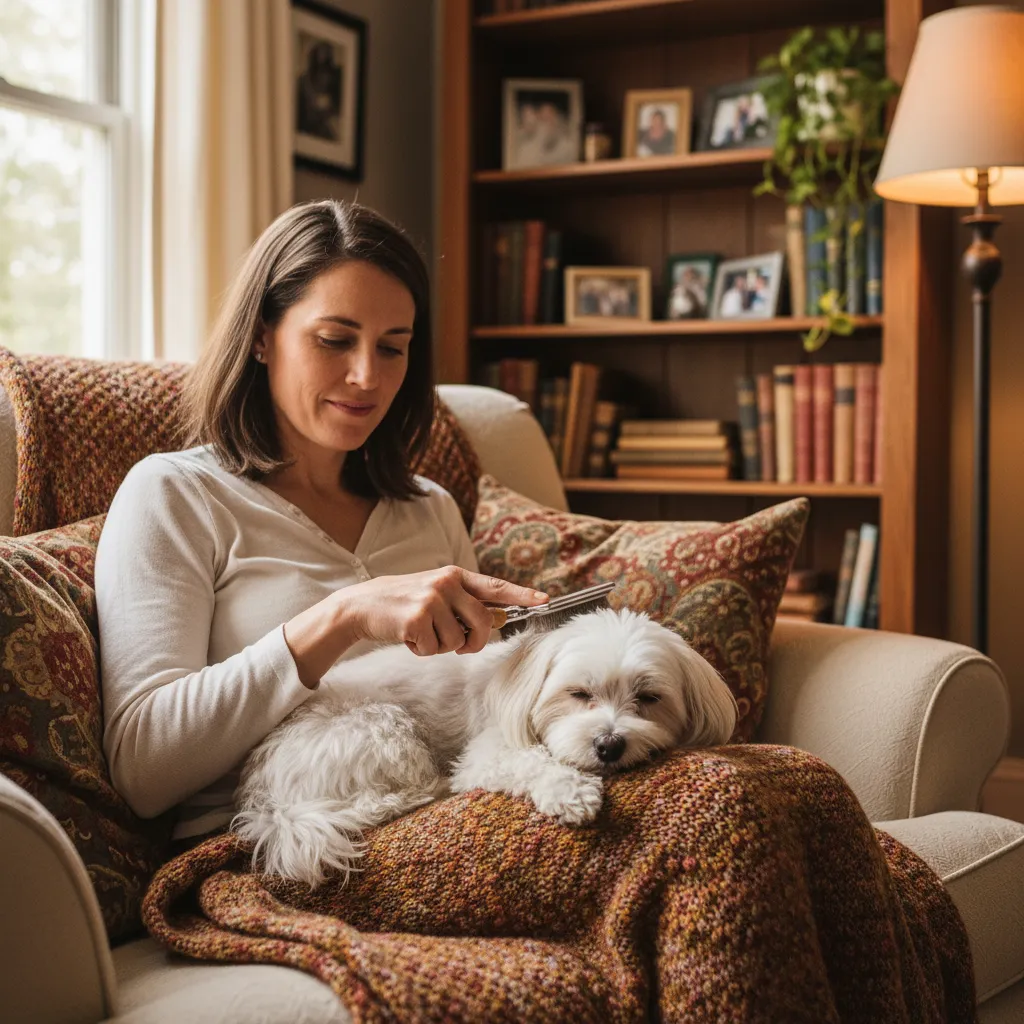
Low-shedding breeds like the Bichon Frise, Maltese, and Miniature Poodle are often marketed as hypoallergenic. While no dog is truly hypoallergenic, these breeds do produce fewer allergens and leave less hair on your furniture. The trade-off is that their continuously growing coats require regular professional grooming, typically costing between £30 and £80 per session.
Short-coated breeds like the French Bulldog and Chihuahua need minimal grooming but may shed more than you expect. A weekly brush and monthly bath usually suffice. Pugs, despite their short coat, are notorious shedders and benefit from daily brushing during shedding season.
From a health perspective, small breeds are generally long-lived, with many reaching 12 to 16 years. However, they are prone to specific conditions that I believe every prospective owner should understand:
- Dental disease affects up to 80% of small dogs by age three, making daily tooth brushing essential
- Luxating patella (slipping kneecap) is common in many toy breeds and may require surgical correction
- Tracheal collapse can affect small breeds, particularly when walked on a collar rather than a harness
- Hypoglycaemia is a risk in very small breeds, especially puppies, requiring regular feeding schedules
- Brachycephalic obstructive airway syndrome affects flat-faced breeds and can require lifelong management
I strongly recommend investing in pet insurance for any small breed dog. Veterinary costs for these conditions can be substantial, and having coverage gives you peace of mind. The RSPCA provides excellent guidance on choosing appropriate insurance cover for your pet.
Training Tips for Small Dog Breeds
Training small dog breeds is one of my greatest passions, and I have strong opinions about getting it right. The single biggest mistake I see is what I call “small dog syndrome,” where owners inadvertently reinforce problematic behaviours because they seem cute or harmless in a tiny dog.
A Chihuahua that growls when someone approaches its owner is exhibiting the same resource guarding behaviour that would be taken seriously in a Rottweiler. A Yorkie that barks incessantly at every noise is not being “cute”; it is stressed and needs help. I treat every small dog with the same respect and training standards I would apply to any larger breed.
My approach to training small breeds is built on force-free, positive reinforcement methods. This means rewarding desired behaviours with treats, praise, and play rather than using punishment or intimidation. Small dogs are particularly sensitive to harsh corrections, and aversive methods can cause lasting emotional damage.
For apartment-specific training, I focus on several key areas:
Quiet behaviour training: I teach dogs a “quiet” cue using positive reinforcement. When the dog is calm and quiet, I mark the behaviour with a clicker or verbal marker and reward. Over time, the dog learns that silence pays better than barking. This is essential for maintaining good relationships with neighbours.
House training: Small breeds can be notoriously challenging to house train. Their tiny bladders mean more frequent toilet breaks, and many small dogs dislike going out in cold or wet weather. I recommend taking puppies out every 1 to 2 hours initially, using a consistent command, and rewarding enthusiastically for outdoor toileting. Puppy pads can be useful during the transition, but I encourage moving to outdoor-only toileting as soon as practical.
Separation anxiety prevention: This is a huge issue for apartment dogs. I start by teaching puppies to be comfortable alone for short periods from the very first week at home. Gradually building up alone time, using enrichment toys during absences, and avoiding dramatic departures and arrivals all help prevent this debilitating condition. According to the British Veterinary Association, separation anxiety affects a significant proportion of dogs in the UK and is one of the most common reasons for behavioural referrals.
Socialisation: I cannot stress this enough. Small breed puppies need to be positively exposed to at least 100 new experiences before they reach 16 weeks of age. This includes different people, dogs, surfaces, sounds, and environments. Well-socialised small dogs are confident, relaxed, and far less likely to develop fear-based aggression or anxiety.
Feeding and Nutrition for Small Dogs
Nutrition for small dog breeds requires specific attention because their metabolism works differently from larger dogs. Small breeds have a higher metabolic rate per kilogramme of body weight, which means they burn energy faster and need calorie-dense food relative to their size.
I always recommend feeding a high-quality commercial diet specifically formulated for small breeds. These foods have smaller kibble sizes that are easier for tiny mouths, and they contain the appropriate calorie density and nutrient balance for small breed metabolism. Expect to spend between £20 and £50 per month on quality food, which is considerably less than feeding a large breed.
Feeding frequency is important. While adult large dogs typically eat twice daily, I recommend three smaller meals per day for very small breeds, particularly those under 5 kg. This helps maintain stable blood sugar levels and prevents the hypoglycaemia that can affect tiny dogs. Puppies under six months may need four meals daily.
Obesity is a serious concern for apartment-dwelling small dogs. Because they get less incidental exercise than dogs with garden access, it is easy for calories to add up. I have seen countless small dogs carrying dangerous amounts of extra weight, putting strain on their joints, heart, and respiratory system. The Pet Food Manufacturers’ Association provides useful body condition scoring guides to help you assess whether your dog is at a healthy weight.
Treats should make up no more than 10% of daily calorie intake. When I am training, I use tiny pieces, often breaking a single commercial treat into three or four portions. For a 4 kg dog, even a few extra treats per day can represent a significant calorie surplus.
Choosing the Right Small Dog Breed for Your Lifestyle
After all the information I have shared, the most important step is honest self-assessment. I have developed a framework that I use with every client considering a small dog for their apartment, and I want to share it with you.
First, consider your daily schedule. How many hours will the dog be alone? If you work full-time outside the home, breeds prone to separation anxiety like the Cavalier or Bichon may struggle without a dog walker or daycare arrangement. More independent breeds like the Shih Tzu or Miniature Dachshund may cope better, though no dog should be left alone for more than four hours regularly.
Second, think about your activity level. Be brutally honest. If you enjoy long countryside walks, a robust small breed like the Miniature Poodle or Jack Russell will match your energy. If you prefer gentle strolls and quiet evenings, a Pug or French Bulldog will be happier with your pace.
Third, consider noise sensitivity. If you live in a flat with thin walls and close neighbours, barking is not just annoying; it can cause serious disputes. Breeds known for being quiet, such as the Cavalier, French Bulldog, and Italian Greyhound, are safer choices. If you adore terriers but worry about noise, invest heavily in training from day one.
Fourth, evaluate your grooming commitment. Long-coated breeds are beautiful but demanding. If you cannot commit to daily brushing and regular professional grooming, choose a short-coated or wire-coated breed instead.
Finally, consider adoption. Rescue organisations across the country have wonderful small dogs looking for homes. Many are already house trained, past the demanding puppy stage, and have known temperaments. I have placed many of my clients with rescue small breeds, and the outcomes have been overwhelmingly positive.
Whatever breed you choose, remember that every small dog is an individual. The best apartment dog is one whose needs you can consistently meet, whose temperament complements your lifestyle, and whose company brings genuine joy to your daily life. In my experience, when the match is right, living with a small dog in an apartment is not a compromise; it is a wonderful way of life.
Key Points
- Match your daily schedule and activity level honestly with a breed’s exercise and companionship needs before committing
- Invest in early socialisation before 16 weeks and force-free training to prevent common small dog behavioural issues
- Feed a small breed-specific diet split into 2 to 3 meals daily to support their faster metabolism
- Budget for professional grooming every 6 to 8 weeks if choosing a long-coated or continuously growing coat breed
- Use a harness instead of a collar to protect your small dog’s delicate trachea during walks
Frequently Asked Questions
What is the best small dog breed for a first-time owner in an apartment?
I consistently recommend the Cavalier King Charles Spaniel for first-time apartment dwellers. They are gentle, quiet, easy to train, and adapt beautifully to smaller spaces. Their moderate exercise needs and affectionate temperament make them forgiving of the typical mistakes new owners make. The Bichon Frise is another excellent choice for beginners, particularly for those concerned about shedding and allergies.
Most small dog breeds need 30 to 60 minutes of exercise daily, broken into two or three sessions. This should include outdoor walks for toileting and mental stimulation, supplemented by indoor play and enrichment activities. Higher-energy breeds like Jack Russell Terriers may need closer to 60 minutes, while lower-energy breeds like Pugs and French Bulldogs are often content with 30 minutes of gentle activity.How much exercise does a small dog need in an apartment?
In my experience, small breeds can be more challenging to house train, primarily because their tiny bladders need emptying more frequently. Puppies may need toilet breaks every 1 to 2 hours initially. Consistency, patience, and enthusiastic positive reinforcement for outdoor toileting are essential. Avoid punishment for accidents, as this only teaches the dog to hide when they need to go rather than alerting you.Are small dogs harder to house train than large dogs?
The quietest small breeds include the Cavalier King Charles Spaniel, French Bulldog, Italian Greyhound, Basenji, and Shih Tzu. However, any dog can develop excessive barking if under-stimulated or anxious. Proper training, adequate exercise, and mental enrichment are more important than breed choice alone when it comes to managing noise in an apartment setting.Which small dog breeds bark the least?
I recommend that no dog be left alone for more than 4 hours at a stretch. Small breeds with strong companion instincts, such as the Cavalier and Bichon Frise, may struggle with even shorter periods if not properly trained for alone time. If you work away from home, consider a dog walker, doggy daycare, or a more independent breed. Building alone-time tolerance gradually from puppyhood is essential for preventing separation anxiety.How long can a small dog be left alone in an apartment?
The most common health issues I see in small breeds include dental disease (affecting up to 80% by age three), luxating patella, tracheal collapse, and hypoglycaemia in very small dogs. Brachycephalic breeds like Pugs and French Bulldogs are also prone to breathing difficulties. Regular veterinary check-ups, dental care, appropriate harness use, and pet insurance are all important preventative measures.What health problems are common in small dog breeds?