
Key Takeaways
- The critical socialisation window closes around 14 to 16 weeks, making early, positive exposure to new people, surfaces and sounds essential
- Short sessions of three to five minutes, repeated two to three times daily, produce faster results than one long session
- Puppies can begin learning basic cues such as sit, down and name recognition from eight weeks of age using reward-based methods
- Consistent house-training routines typically produce reliable results within four to six weeks when combined with management and reinforcement
- Force-free training builds stronger long-term recall and impulse control than punishment-based approaches, according to peer-reviewed behaviour research
- By six months, a well-socialised puppy should respond to at least five core cues in low-distraction environments with 80 percent reliability
In This Guide
- Why Early Puppy Training Matters
- Weeks 8 to 10: Building Trust and Settling In
- Weeks 11 to 12: Basic Commands and House Training
- Weeks 13 to 16: Socialisation and Leash Skills
- Weeks 17 to 20: Impulse Control and Recall
- Weeks 21 to 26: Consolidation and Real-World Proofing
- Week-by-Week Training Milestones at a Glance
- Common Puppy Training Mistakes to Avoid
- Choosing the Right Training Approach for Your Puppy
I have spent the past decade helping families raise confident, well-adjusted dogs, and one question comes up more than any other: “When should I start puppy training, and what do I teach first?” The answer is simpler than most new owners expect. Puppy training begins the moment your pup walks through the door, and every gentle interaction in those early weeks shapes the adult dog you will live with for the next 10 to 15 years.
In this guide, I break down a practical, force-free training plan organised week by week across the first six months. Whether you have brought home a tiny Chihuahua or a boisterous Labrador, the developmental milestones are remarkably similar. What changes is the pace at which individual puppies absorb new skills, so treat each timeline as a flexible framework rather than a rigid schedule. If you are still deciding on a breed, my guide to the best dog breeds for families with children can help you choose a temperament that matches your lifestyle.
Why Early Puppy Training Matters
Puppies are not blank slates, but between eight and sixteen weeks their brains are extraordinarily receptive to new experiences. Researchers at the RSPCA describe this as the primary socialisation period, a window during which positive exposure to people, animals, sounds and surfaces builds neural pathways that support lifelong confidence. Miss that window, and you will spend far longer addressing fear-based behaviours later.
From a practical standpoint, early training also prevents the small nuisance habits that escalate into serious problems. Nipping, jumping, counter-surfing and pulling on the lead are all easier to redirect at 10 weeks than at 10 months. I always tell my clients that five minutes of proactive training today saves five weeks of rehabilitation tomorrow.
Force-free, reward-based methods are not just kinder; they are more effective. A 2020 study published in the Journal of Veterinary Behavior found that dogs trained with positive reinforcement displayed fewer stress-related behaviours and achieved more reliable responses than those trained with aversive tools. That is why every technique in this plan relies on treats, praise and play rather than corrections.
Weeks 8 to 10: Building Trust and Settling In
The first two weeks at home are about relationship, not obedience. Your puppy has just left their littermates, and everything smells, sounds and feels unfamiliar. Here is what to focus on.
Name Recognition
Say your puppy’s name in a cheerful tone. The instant they look at you, mark the behaviour with a “yes” and deliver a small, soft treat. Repeat this five to eight times in a row, twice a day. Within three to four days, most puppies will snap their head towards you on hearing their name, which forms the foundation for every cue that follows.
Crate Introduction
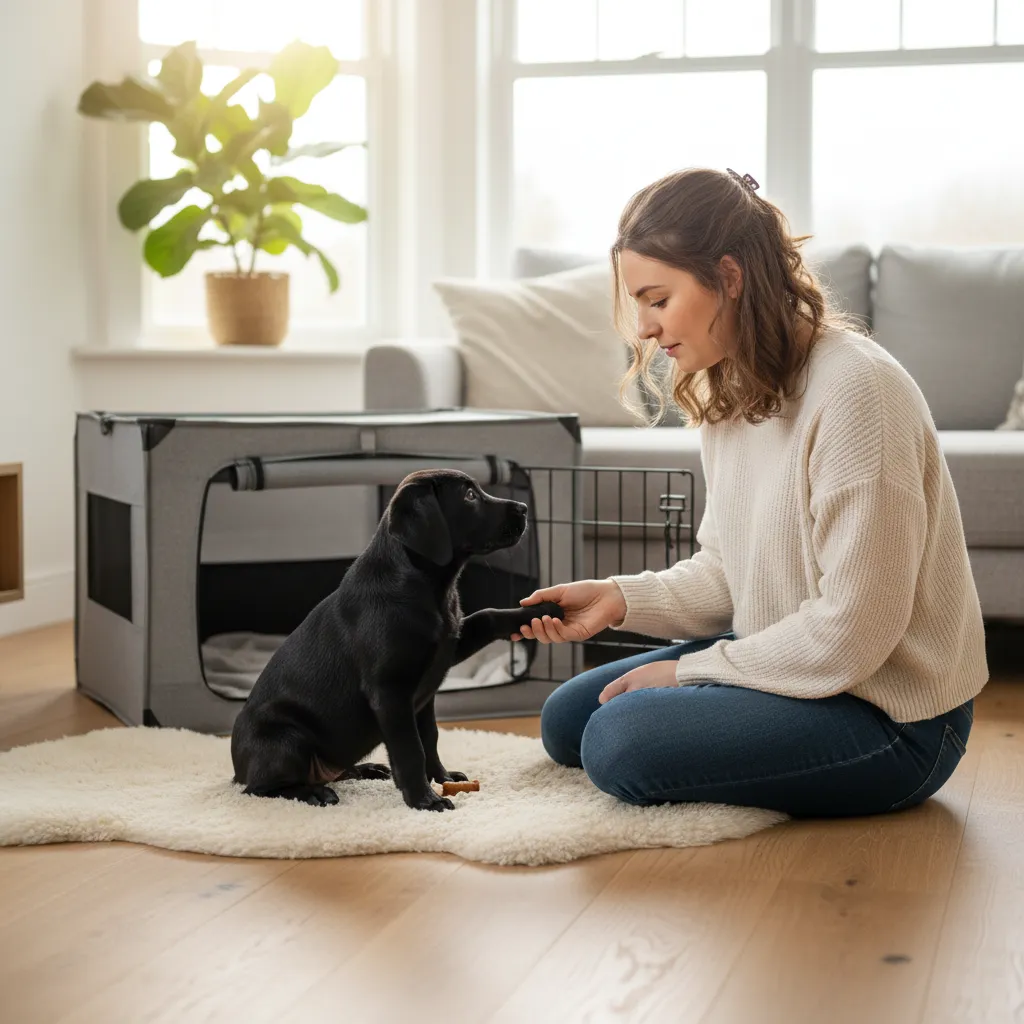
Place the crate in a quiet corner of the living area with the door open. Toss treats inside and let the puppy explore at their own pace. Never force a puppy into the crate or use it as punishment. Over the first week, gradually build up to closing the door for 30 seconds, then one minute, then five. This gentle conditioning prevents the isolation distress that so many owners struggle with later. If you are raising a smaller breed in a flat, my guide to small dog breeds for apartments covers crate sizing and placement in compact spaces.
Handling Exercises
Gently touch your puppy’s paws, ears, mouth and tail while they eat from your hand. Pair every touch with a treat so they learn that human contact predicts good things. These sessions make future vet visits, grooming and nail trims dramatically less stressful.
Toilet Training Foundations
Take your puppy outside every 30 to 45 minutes, immediately after eating, drinking, playing or waking from a nap. When they toilet in the right spot, reward generously. Accidents indoors should be cleaned with an enzymatic cleaner and ignored; scolding a puppy for an accident only teaches them to hide when they need to go. The Kennel Club recommends this approach as part of their puppy training guidance.
Weeks 11 to 12: Basic Commands and House Training
By now your puppy should be comfortable in their new environment and bonded to you. It is time to introduce the first formal cues.
Sit
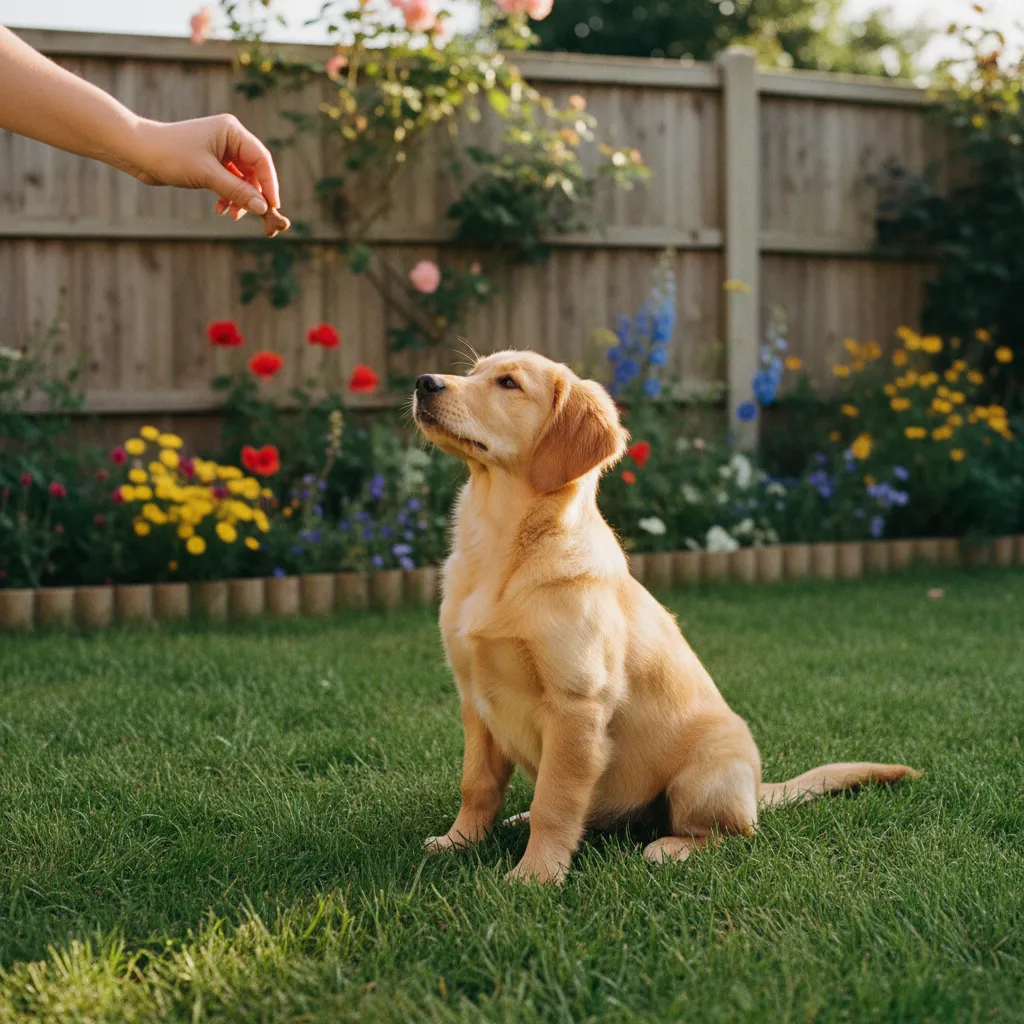
Hold a treat just above your puppy’s nose and move it slowly backwards over their head. As their bottom lowers, say “sit”, mark with “yes” and reward. Most puppies grasp this in a single session. Once reliable indoors, practise in the garden, then on quiet walks.
Down
From a sit, lure the treat straight down to the floor and slightly forward. The puppy should fold into a down position. Mark and reward. Down is harder for excitable puppies, so be patient and keep sessions to three minutes maximum.
Leave It (Introduction)
Place a treat in your closed fist. When the puppy stops nudging and pulls their nose away, even for a second, mark and reward from your other hand. This teaches them that backing off from something they want actually earns them something better.
House-Training Progress
By week 12, you can start extending the interval between toilet breaks to 60 to 90 minutes, provided you are still supervising closely. Keep a simple log of when your puppy eats, drinks and toilets so you can spot patterns and pre-empt accidents.
Weeks 13 to 16: Socialisation and Leash Skills
This is the most important phase. The socialisation window is beginning to close, so prioritise safe, positive exposure to as many novel stimuli as possible. Note that your puppy should have received their second vaccination before mixing with unknown dogs; check with your vet for the all-clear.
Socialisation Checklist
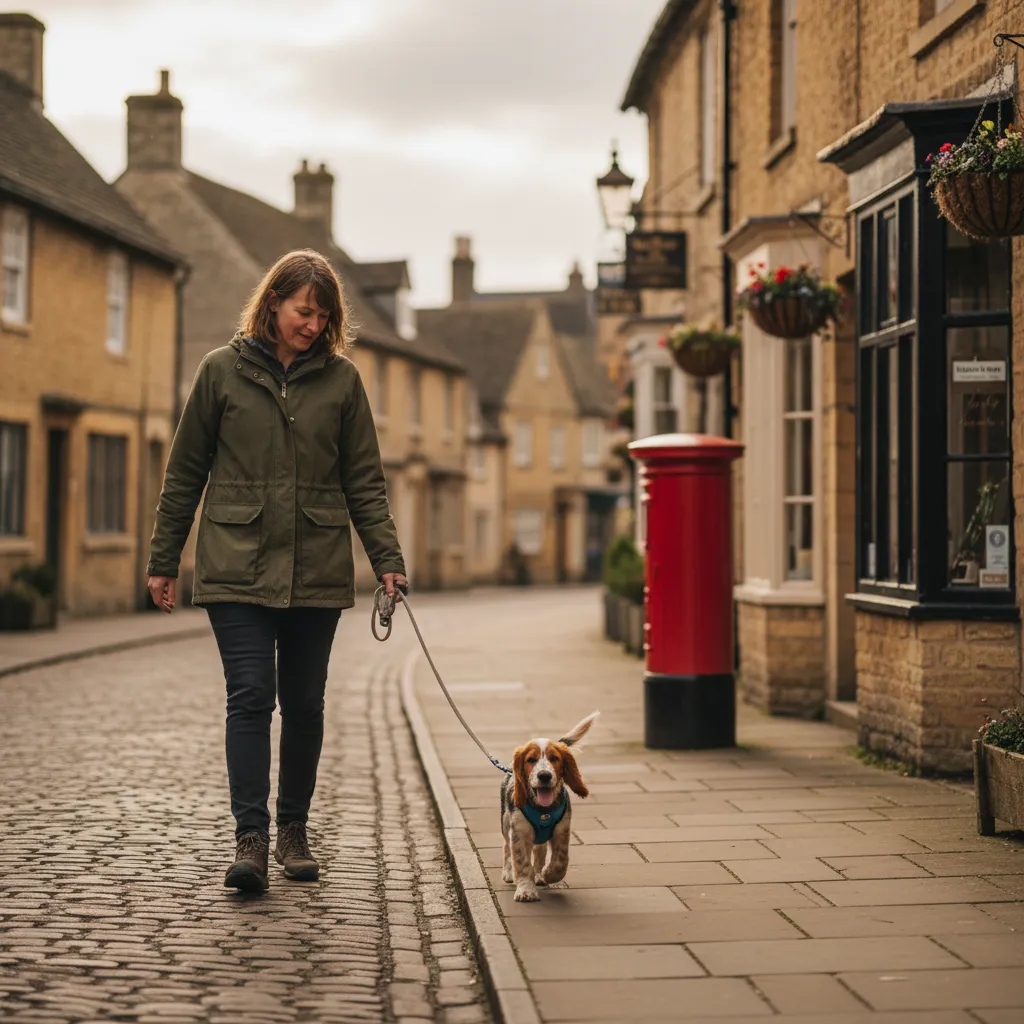
I ask every client to aim for at least three new experiences per week during this period. That might include meeting a person in a wheelchair, hearing a bus engine, walking over a metal grate or visiting a friend’s home. The key is to let the puppy observe at a comfortable distance and reward calm behaviour; never drag them closer to something that frightens them.
If you have chosen a large dog breed, socialisation is especially important because fearful behaviour in a 35-kilogramme adult dog is much harder to manage safely than in a small breed.
Loose-Lead Walking
Attach a lightweight lead and let your puppy drag it around the house for short periods so they get used to the sensation. Then pick up the lead and follow the puppy without applying pressure. When they walk beside you with a loose lead, mark and reward every few steps. If they pull, stop completely and wait until the lead goes slack before moving again. Consistency here prevents years of pulling later.
Puppy Classes
A well-run puppy class provides controlled socialisation, structured play and professional guidance. Look for a trainer who uses positive reinforcement only, limits class sizes to six to eight puppies, and matches play partners by size and temperament. The Association of Pet Dog Trainers (APDT) maintains a directory of accredited trainers across the UK.
Weeks 17 to 20: Impulse Control and Recall
Around four months, puppies enter a more independent phase. They are teething, their confidence is growing, and they start testing boundaries. This is where impulse-control games and reliable recall become essential.
Wait and Stay
Ask for a sit, then hold your palm up and say “wait”. Take one step back, return immediately and reward. Gradually increase the distance and duration over several sessions. The goal by week 20 is a 30-second stay at a distance of three metres in a low-distraction environment.
Recall (Come)
Start indoors. Say your puppy’s name followed by “come” in an excited tone, then run a few steps backwards. When they reach you, reward with a high-value treat and enthusiastic praise. Never call your puppy to you for something unpleasant, such as ending a play session or trimming nails; this poisons the cue faster than almost anything else.
Once indoor recall is reliable, practise in the garden on a long line. A five-metre training lead gives your puppy freedom to explore while you maintain safety. Only move to off-lead recall in a secure area when your puppy responds nine times out of ten on the long line.
Drop It
Offer your puppy a toy. When they take it, present a treat near their nose and say “drop it”. The moment they release, mark and reward, then give the toy back. Returning the toy teaches the puppy that dropping something does not mean losing it, which makes them far more willing to let go of items in the future.
Managing Teething
Provide a rotation of appropriate chew toys, frozen carrots and rubber Kongs stuffed with soft food. If your puppy nips your hands during play, calmly withdraw attention for 10 seconds, then re-engage. This teaches bite inhibition without frightening your puppy or damaging your bond.
Weeks 21 to 26: Consolidation and Real-World Proofing
The final stretch of this plan is about taking everything your puppy has learned and making it reliable in the real world. Trainers call this “proofing”: practising cues with increasing levels of distraction, distance and duration.
Raising the Bar Gradually
If your puppy can sit in the kitchen, try asking for a sit in the garden. If they can stay for 30 seconds in silence, try asking for a stay while someone rings the doorbell. Change only one variable at a time. If you increase distraction, decrease duration or distance until the puppy succeeds, then build back up.
Public Outings
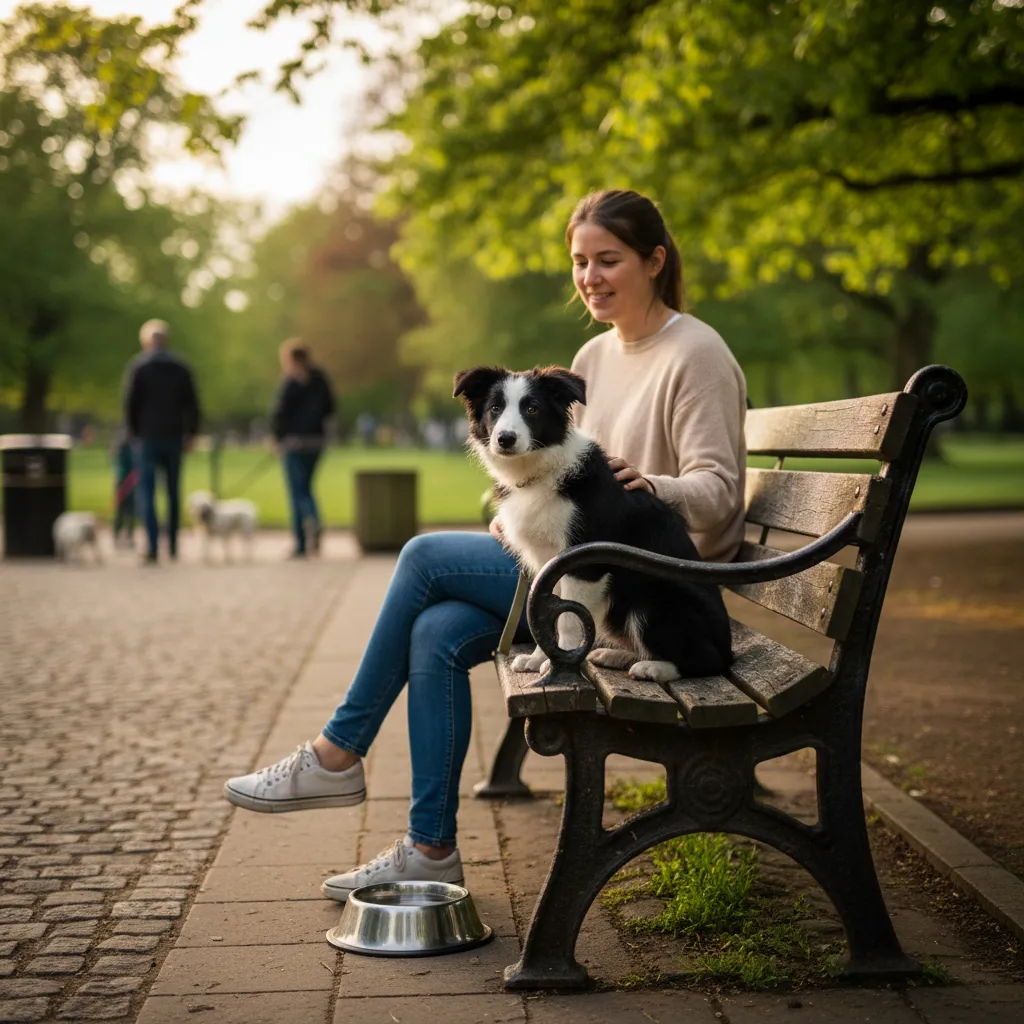
Visit pet-friendly cafés, hardware shops and parks during quieter hours. Reward calm behaviour generously. These outings build the habit of checking in with you even when the environment is exciting. For family dogs, practising polite greetings with strangers is especially valuable during this phase.
Alone-Time Training
By five months, your puppy should be able to settle alone for 30 to 60 minutes without distress. Build this gradually: step out of the room for 10 seconds, return and reward calm behaviour. Slowly increase absences. If your puppy shows signs of genuine distress, such as howling, destructive behaviour or house soiling only when alone, consult a qualified behaviourist. The Blue Cross offers free behaviour advice as a helpful first step.
Adolescence Preview
Between five and six months, many puppies enter a second fear period. Previously confident dogs may suddenly spook at familiar objects. This is normal brain development. Do not force exposure. Instead, allow your puppy to approach at their own pace, reward bravery and wait for the phase to pass, usually within two to three weeks.
Week-by-Week Training Milestones at a Glance
I created this reference table so you can track your puppy’s progress at a glance. Remember, these are guidelines; every puppy develops at their own pace.
| Age (Weeks) | Key Focus | Core Skills to Practise | Target Milestone |
|---|---|---|---|
| 8 to 10 | Trust and routine | Name recognition, crate introduction, handling, toilet schedule | Puppy responds to name 8 out of 10 times |
| 11 to 12 | First cues | Sit, down, leave it introduction, house training | Sit on first cue indoors; toilet breaks extended to 60 minutes |
| 13 to 16 | Socialisation | Novel experiences, loose-lead walking, puppy class | 3 new experiences per week; walks on loose lead for 20 metres |
| 17 to 20 | Impulse control | Wait, recall, drop it, teething management | 30-second stay at 3 metres; 9 out of 10 recall on long line |
| 21 to 26 | Real-world proofing | Cues in new environments, public outings, alone time | Responds to 5 core cues with 80% reliability in moderate distraction |
Common Puppy Training Mistakes to Avoid
After working with hundreds of puppy owners, I see the same errors repeated. Avoiding these will save you weeks of frustration.
Training for Too Long
Puppies have the attention span of a goldfish. Sessions longer than five minutes lead to frustration on both sides. Three short sessions spread across the day are far more effective than one 20-minute block.
Repeating Cues
If you say “sit, sit, sit” before your puppy responds, you are teaching them that the cue is a three-word phrase. Say it once, wait three seconds, then lure if needed. One cue, one response.
Inconsistent Rules
If one family member allows the puppy on the sofa and another does not, the puppy learns that rules are optional. Hold a family meeting before the puppy arrives and agree on household rules that everyone will enforce consistently. This is especially relevant for families with children; my article on the best family dog breeds covers how to set up shared responsibilities.
Punishing Accidents
Rubbing a puppy’s nose in a mess or shouting does not teach them where to toilet. It teaches them to avoid toileting in front of you, which makes outdoor training harder. Clean up, adjust your schedule and move on.
Skipping Socialisation
Owners sometimes keep puppies indoors until their vaccinations are fully complete, missing the critical socialisation window entirely. You can safely carry your puppy to new environments, invite vaccinated dogs to your home and expose them to novel sounds via recordings. The Kennel Club’s socialisation resources offer a thorough checklist.
Choosing the Right Training Approach for Your Puppy
Not every puppy learns at the same speed, and breed tendencies do influence training style. A Border Collie thrives on complex problem-solving games, while a Bulldog may prefer shorter, food-driven sessions. Large breed puppies often benefit from extra lead-training repetitions because pulling becomes a bigger safety concern as they grow.
Regardless of breed, the principles remain the same: reward what you want, manage what you do not, and build complexity gradually. If you ever feel stuck, a qualified trainer can observe your specific puppy and tailor the plan. Look for credentials such as APDT membership, IMDT certification or ABTC registration to ensure the trainer uses evidence-based, force-free methods.
For owners of small breeds in apartments, indoor enrichment games such as scatter feeding, snuffle mats and puzzle toys are especially valuable for burning mental energy when garden space is limited.
One final piece of advice: enjoy this stage. Puppyhood is chaotic, exhausting and occasionally maddening, but it is also the period when you lay the groundwork for a partnership built on trust, communication and mutual respect. Every treat you deliver, every calm redirect you offer and every patient second you invest is shaping the dog your puppy will become.
Key Points
- Start name recognition and crate training from day one at eight weeks, keeping sessions under five minutes
- Prioritise three new positive experiences per week between weeks 13 and 16 to maximise the socialisation window
- Practise recall on a five-metre long line before attempting off-lead exercises in open spaces
- Build alone time gradually, aiming for 30 to 60 minutes of calm independence by five months
- Choose a trainer with APDT, IMDT or ABTC credentials to ensure force-free, evidence-based methods
Frequently Asked Questions
At what age should I start puppy training?
You can begin basic training the day you bring your puppy home, typically at eight weeks of age. Start with name recognition, gentle handling exercises and crate introduction. Formal cues such as sit and down can be introduced from week 11, once your puppy has settled into their new routine.
Keep individual sessions to three to five minutes for puppies under 16 weeks. You can gradually extend to 10 minutes for older puppies, but two or three short sessions spread across the day are always more effective than one long block. End every session on a success so your puppy stays motivated.How long should each puppy training session last?
Absolutely not. While the first six months offer the easiest learning window, dogs of any age can learn new behaviours through positive reinforcement. Adolescent and adult dogs may take slightly longer to change established habits, but with patience and consistency, meaningful progress is always possible.Is it too late to train a puppy after six months?
Use small, soft treats that your puppy can swallow quickly without breaking focus. Tiny cubes of cooked chicken, commercial training treats or pieces of cheese work well. Treats should make up no more than 10 percent of your puppy’s daily calorie intake, so adjust meal portions accordingly to avoid weight gain.What treats work best for puppy training?
When your puppy nips, calmly withdraw all attention for 10 seconds, then re-engage with a toy. This teaches bite inhibition by showing that teeth on skin ends the fun. Avoid jerking your hand away or yelping loudly, as some puppies find this exciting rather than discouraging. Consistent, calm responses produce the best results within two to four weeks.How do I stop my puppy biting during play?
A clicker is an excellent tool because it provides a precise, consistent marker that tells your puppy exactly which behaviour earned the reward. However, a verbal marker such as “yes” works just as well if you are consistent with timing. The most important factor is that the marker always predicts a treat, regardless of whether you use a click or a word.Should I use a clicker for puppy training?