
Key Takeaways
- Large dog breeds generally weigh between 50 and 100 pounds, while giant breeds exceed 100 pounds at maturity
- Most large breeds require a minimum of 60 to 90 minutes of daily exercise to maintain healthy joints, weight and mental balance
- Feeding costs for large dogs average $80 to $150 per month depending on breed size and dietary requirements
- Large breed puppies need specially formulated large-breed puppy food to support controlled bone growth and reduce the risk of developmental orthopedic disease
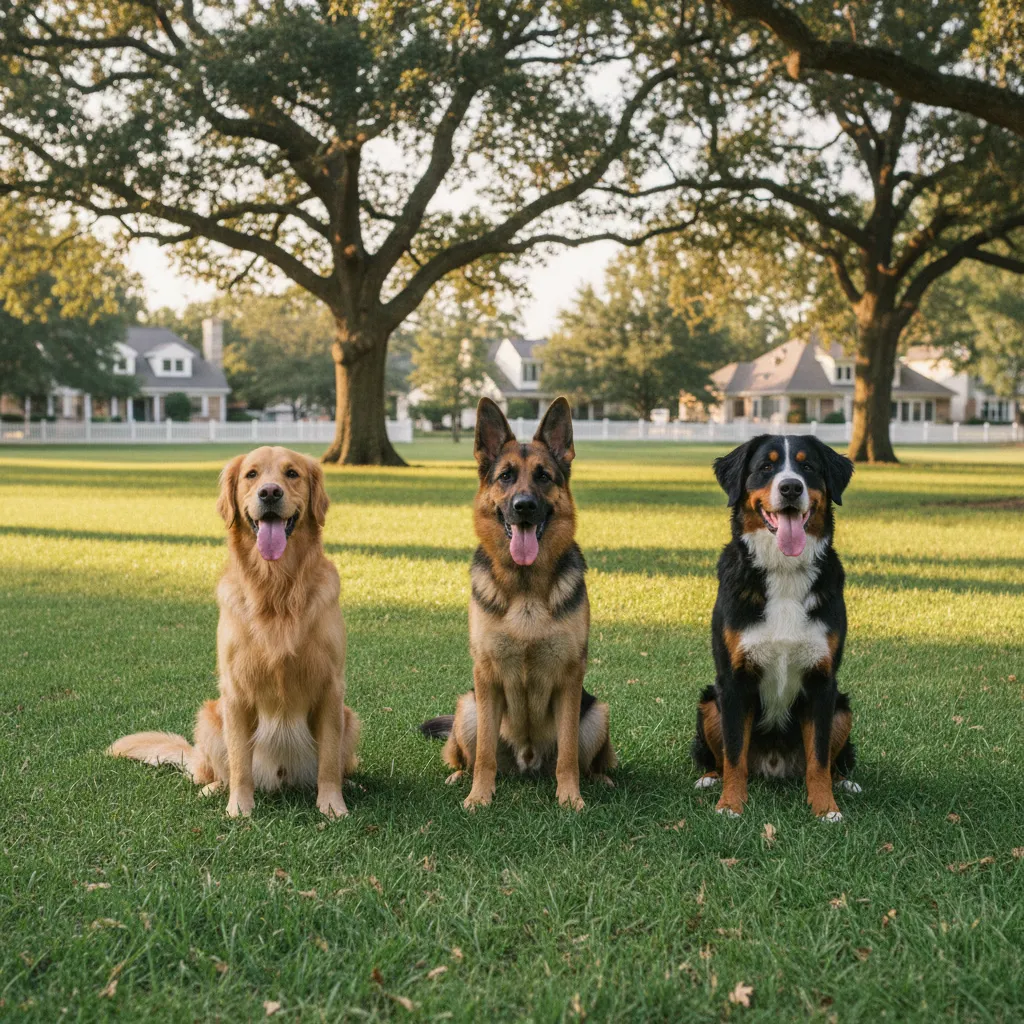
- Breeds like the Golden Retriever, Labrador Retriever and Bernese Mountain Dog consistently rank among the top family-friendly large breeds due to their patient, sociable temperaments
- The average lifespan of large breeds ranges from 8 to 12 years, with giant breeds often living closer to 6 to 8 years
In This Guide
- What Qualifies as a Large Dog Breed
- Temperament Traits Across Popular Large Breeds
- Exercise and Activity Requirements
- Nutrition and Feeding Guidelines
- Health Considerations for Large Breeds
- Family Compatibility and Living Arrangements
- Grooming and Daily Care
- Training and Socialization Essentials
- Comparing Popular Large Dog Breeds
- Choosing the Right Large Breed for Your Lifestyle
After more than a decade of working with dogs of every size, I can tell you that large dog breeds hold a special place in the hearts of families, outdoor enthusiasts and first-time owners alike. There is something deeply reassuring about a big, calm dog resting at your feet after a long day. But choosing the right large breed goes far beyond falling in love with a cute puppy photo. These dogs come with specific care requirements, distinct temperament profiles and genuine lifestyle considerations that every prospective owner needs to understand before bringing one home.
In this guide, I am drawing on my professional experience as a Certified Professional Dog Trainer to walk you through everything you need to know about large dog breeds: their personalities, health needs, exercise demands and how they fit into different family dynamics. Whether you are considering a gentle giant like the Great Dane or an active working breed like the German Shepherd, this article will help you make an informed, confident decision.
What Qualifies as a Large Dog Breed
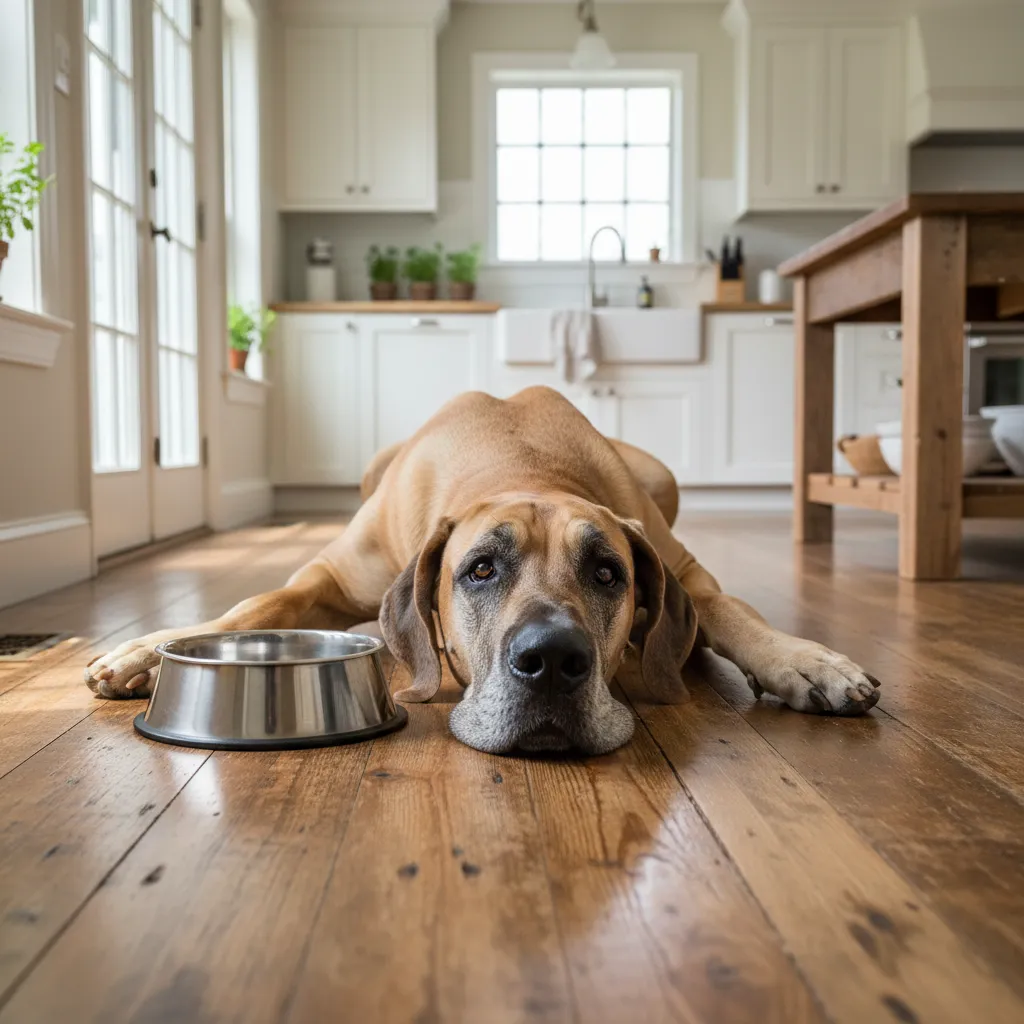
The term “large dog breeds” covers a broad spectrum of sizes, and it helps to break things down a bit. According to the American Kennel Club, large breeds typically weigh between 50 and 100 pounds and stand roughly 22 to 27 inches at the shoulder. Dogs that exceed 100 pounds, such as the English Mastiff, Saint Bernard or Great Dane, are often classified as giant breeds.
This distinction matters because size directly impacts everything from food intake and veterinary costs to the amount of space a dog needs to live comfortably. A 55-pound Boxer and a 180-pound English Mastiff are both considered “large,” but their daily needs are vastly different. When I consult with families about large dog breeds, I always start by asking: how much space do you have, what is your activity level, and what is your budget for ongoing care? Those three questions narrow the field quickly.
Some popular breeds that fall into the large category include the Labrador Retriever, Golden Retriever, German Shepherd, Rottweiler, Doberman Pinscher, Boxer, Bernese Mountain Dog, Great Dane, Rhodesian Ridgeback and Standard Poodle. Each of these dogs brings a unique combination of temperament, energy level and care requirements that we will explore throughout this article.
Temperament Traits Across Popular Large Breeds
One of the most common misconceptions I encounter in my training practice is the idea that all large dog breeds are calm, easygoing couch companions. While some certainly fit that description, others are high-energy, intensely driven working dogs that need a clear purpose and consistent mental stimulation.
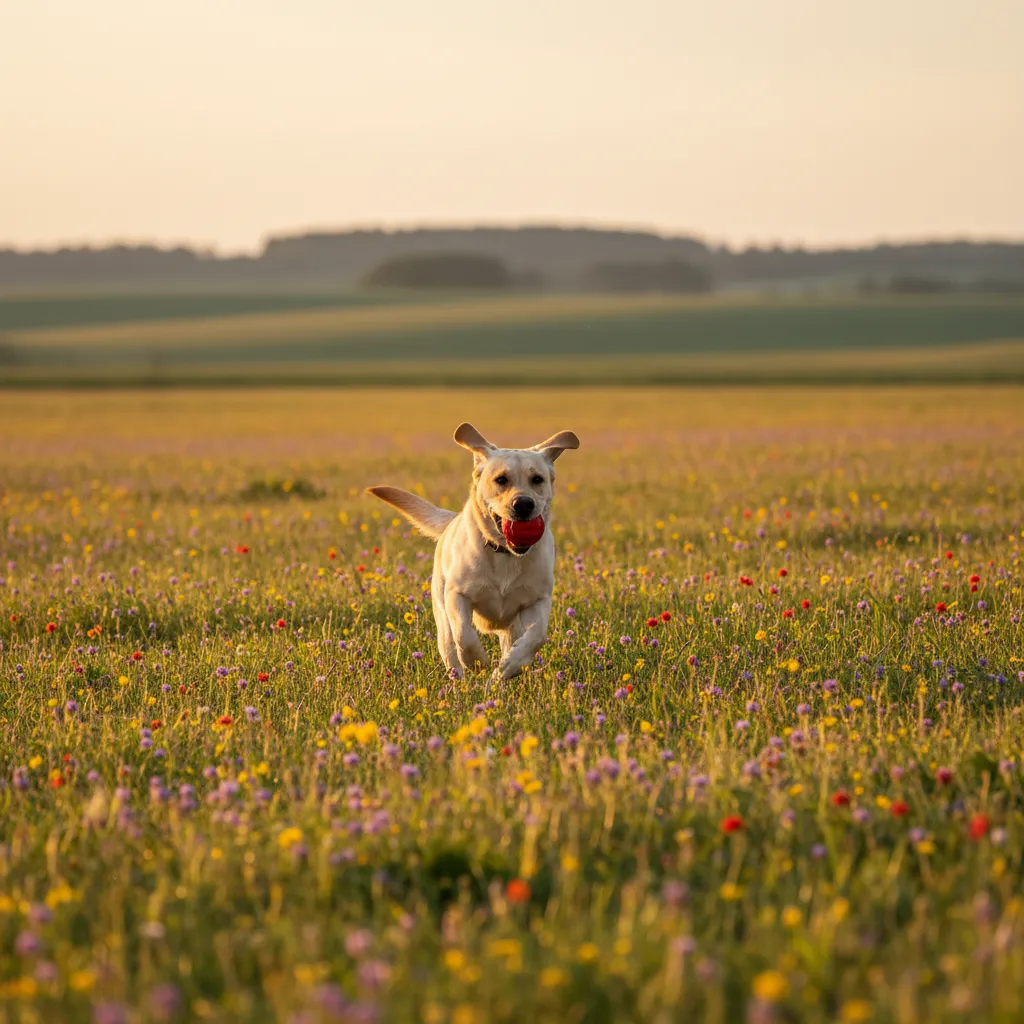
The Labrador Retriever, which has been the most popular breed in the United States for decades, is known for its friendly, outgoing and eager-to-please temperament. Labs thrive on social interaction and do well with children, making them an excellent choice for active families. The Golden Retriever shares many of these traits, adding a gentle patience that makes it one of the most reliable therapy and service dogs in the world.
On the other end of the spectrum, breeds like the German Shepherd and Belgian Malinois are working dogs through and through. They are loyal, intelligent and protective, but they require experienced handlers who can provide structured training and meaningful work. Without adequate mental engagement, these breeds often develop frustration-based behaviors like excessive barking, destructive chewing or leash reactivity. I have worked with dozens of German Shepherd owners who were caught off guard by the breed’s intensity.
The Great Dane, despite its enormous size, is often described as a “gentle giant” and tends to be surprisingly mellow indoors. Rottweilers are deeply devoted to their families and naturally confident, but they benefit enormously from early socialization to build comfort with strangers and novel situations. Bernese Mountain Dogs are affectionate, good-natured and tend to bond closely with every member of the household, though they can be somewhat reserved with unfamiliar people until properly introduced.
Understanding breed-specific temperament is the foundation of a successful match. I always recommend spending time with adult dogs of any breed you are considering, not just puppies. Puppies are universally adorable, but an adult dog gives you a much clearer picture of the temperament you will be living with for the next decade. If you are also exploring smaller companions, our guide on small dog breeds for apartments offers a helpful contrast in temperament and space requirements.
Exercise and Activity Requirements
Large dog breeds as a group need significantly more exercise than most people anticipate. I tell my clients to plan for a minimum of 60 to 90 minutes of physical activity every day for the majority of large breeds, and some working breeds like the Belgian Malinois, Weimaraner or Vizsla need even more.
This exercise should include a combination of structured walks, off-leash play in a secure area, and mentally stimulating activities like training sessions, scent work or puzzle toys. A 30-minute stroll around the block is rarely sufficient for a healthy, young large-breed dog. Without adequate physical and mental outlets, large dogs are far more likely to develop problem behaviors including destructive chewing, counter surfing, excessive barking and leash pulling.
That said, it is equally important not to over-exercise large-breed puppies. Their bones and joints are still developing, and repetitive high-impact activities like long runs or intense jumping can contribute to orthopedic problems later in life. A general rule I follow is five minutes of structured exercise per month of age, twice daily, until the puppy reaches skeletal maturity. For large breeds, full skeletal maturity often does not occur until 14 to 18 months of age, and for giant breeds, it can take up to 24 months.
Some breeds are exceptions to the high-exercise rule. The Basset Hound, Bullmastiff and English Mastiff are more low-energy large breeds that are content with moderate daily walks and plenty of rest. If you want a big dog but your lifestyle is more sedentary, these breeds are worth serious consideration.
Nutrition and Feeding Guidelines
Feeding a large dog properly is one of the most important things you can do for its long-term health, and it starts from day one. Large-breed puppies have specific nutritional requirements that differ from small and medium breeds. They need food that supports slow, steady growth rather than rapid weight gain. The Association of American Feed Control Officials (AAFCO) guidelines recommend that large-breed puppy formulas contain controlled levels of calcium and phosphorus to reduce the risk of developmental orthopedic disease, including conditions like hip dysplasia and osteochondrosis.
As adults, most large breeds require between 1,500 and 2,500 calories per day, depending on their weight, age, activity level and metabolism. A working-line German Shepherd in active training will need significantly more fuel than a retired Greyhound spending its golden years on the sofa. I recommend feeding large dogs two measured meals per day rather than free-feeding, as this helps prevent obesity, a serious and common problem in large breeds that accelerates joint deterioration and shortens lifespan.
Monthly feeding costs for large breeds typically range from $80 to $150 for quality commercial food, and can go higher if you feed a raw or fresh-cooked diet. Giant breeds like the Great Dane or Saint Bernard can easily consume 6 to 10 cups of food per day, pushing monthly food bills above $200. This is a significant ongoing expense that prospective owners should factor into their budget well before they bring a puppy home.
Health Considerations for Large Breeds
Every breed has its predispositions, but large dog breeds as a group share several common health vulnerabilities that owners should be aware of. The most prevalent include hip and elbow dysplasia, cruciate ligament injuries, bloat (gastric dilatation-volvulus), heart disease and certain cancers.
Hip dysplasia is a genetic condition in which the hip joint does not develop properly, leading to pain, lameness and arthritis. It is particularly common in German Shepherds, Labrador Retrievers, Rottweilers and Golden Retrievers. Responsible breeders screen their breeding stock through organizations like the Orthopedic Foundation for Animals (OFA) and only breed dogs with good or excellent hip scores.
Bloat is a life-threatening emergency in which the stomach fills with gas and can twist on itself, cutting off blood supply. Deep-chested breeds like Great Danes, Weimaraners, Standard Poodles and Irish Setters are at highest risk. As the PetMD veterinary team notes, preventive gastropexy, a surgical procedure that tacks the stomach to the abdominal wall, is increasingly recommended for high-risk breeds during routine spay or neuter surgery.
Cancer is unfortunately a leading cause of death in several large breeds. Golden Retrievers have a cancer rate estimated at nearly 60 percent, and Bernese Mountain Dogs, Rottweilers and Boxers also face elevated cancer risks. Regular veterinary checkups, maintaining a healthy weight and staying current on recommended health screenings can help with early detection.
The average lifespan for large breeds ranges from 10 to 12 years, while giant breeds typically live 6 to 10 years. Annual veterinary costs for large breeds generally fall between $500 and $1,500, and owners should plan for the possibility of major orthopedic or oncology expenses later in the dog’s life. Pet insurance purchased during puppyhood can be a worthwhile investment.
Family Compatibility and Living Arrangements
One question I hear constantly in my consultations is: “Is a large dog good with kids?” The answer, as with most things in dog training, is that it depends entirely on the individual dog, the specific breed characteristics and, critically, how the family manages the relationship between children and the dog.
Breeds like the Labrador Retriever, Golden Retriever, Bernese Mountain Dog and Newfoundland are widely considered excellent family dogs due to their patient, tolerant and affectionate natures. They tend to be forgiving of the clumsy handling that young children sometimes dish out. However, I always emphasize that no dog, regardless of breed, should be left unsupervised with small children. Even the gentlest large breed can accidentally knock a toddler over simply by wagging its tail enthusiastically.
For families with older children who can participate in training and care, more active breeds like the German Shepherd, Standard Poodle or Boxer can be wonderful companions. These dogs often form deep bonds with kids who engage them in play, training and outdoor adventures. The shared responsibility of caring for a large dog can teach children empathy, consistency and respect for animals.
Regarding living space, most large breeds do best with access to a securely fenced yard, but a yard alone is not a substitute for structured exercise and interaction. I have worked with plenty of large dogs in apartments and condos who thrived because their owners were committed to daily walks, park visits and enrichment activities. The key factor is not square footage; it is the owner’s commitment to meeting the dog’s physical and mental needs every single day. That said, for a comparison with breeds that naturally adapt well to smaller spaces, take a look at our resource on the best small dog breeds for apartment living.
Grooming and Daily Care
Grooming needs vary enormously across large dog breeds. A short-coated breed like the Boxer or Rhodesian Ridgeback needs minimal brushing, perhaps once a week, while a double-coated breed like the German Shepherd, Golden Retriever or Bernese Mountain Dog will shed heavily, especially during seasonal coat changes in spring and fall. During these shedding seasons, daily brushing with an undercoat rake or deshedding tool is essential to manage loose fur and prevent matting.
Breeds with longer coats, such as the Afghan Hound or Irish Setter, require regular professional grooming sessions every 6 to 8 weeks, adding another ongoing expense. Standard Poodles, while technically low-shedding, need frequent clipping and coat maintenance to prevent their curly hair from matting painfully.
Beyond coat care, large breeds require regular attention to their nails, ears and teeth. Large, heavy dogs who walk primarily on soft surfaces may not wear down their nails naturally, and overgrown nails can alter gait and contribute to joint problems. I recommend checking nails every two weeks and trimming as needed. Ear cleaning is especially important for breeds with floppy ears like Labradors and Basset Hounds, as the warm, moist environment inside folded ears promotes bacterial and yeast infections.
Dental care is another area where large breeds benefit from consistent attention. Daily tooth brushing with a dog-specific enzymatic toothpaste is the gold standard. Dental chews and water additives can supplement, but they should not replace brushing. Periodontal disease affects the vast majority of dogs over three years of age, and the associated bacteria can impact heart, kidney and liver health.
Training and Socialization Essentials
I cannot overstate how important early training and socialization are for large dog breeds. A poorly socialized 10-pound dog is a nuisance; a poorly socialized 80-pound dog is a genuine safety concern. The critical socialization window for puppies closes at approximately 16 weeks of age, and the experiences a puppy has during this period shape its adult temperament more than almost any other factor.
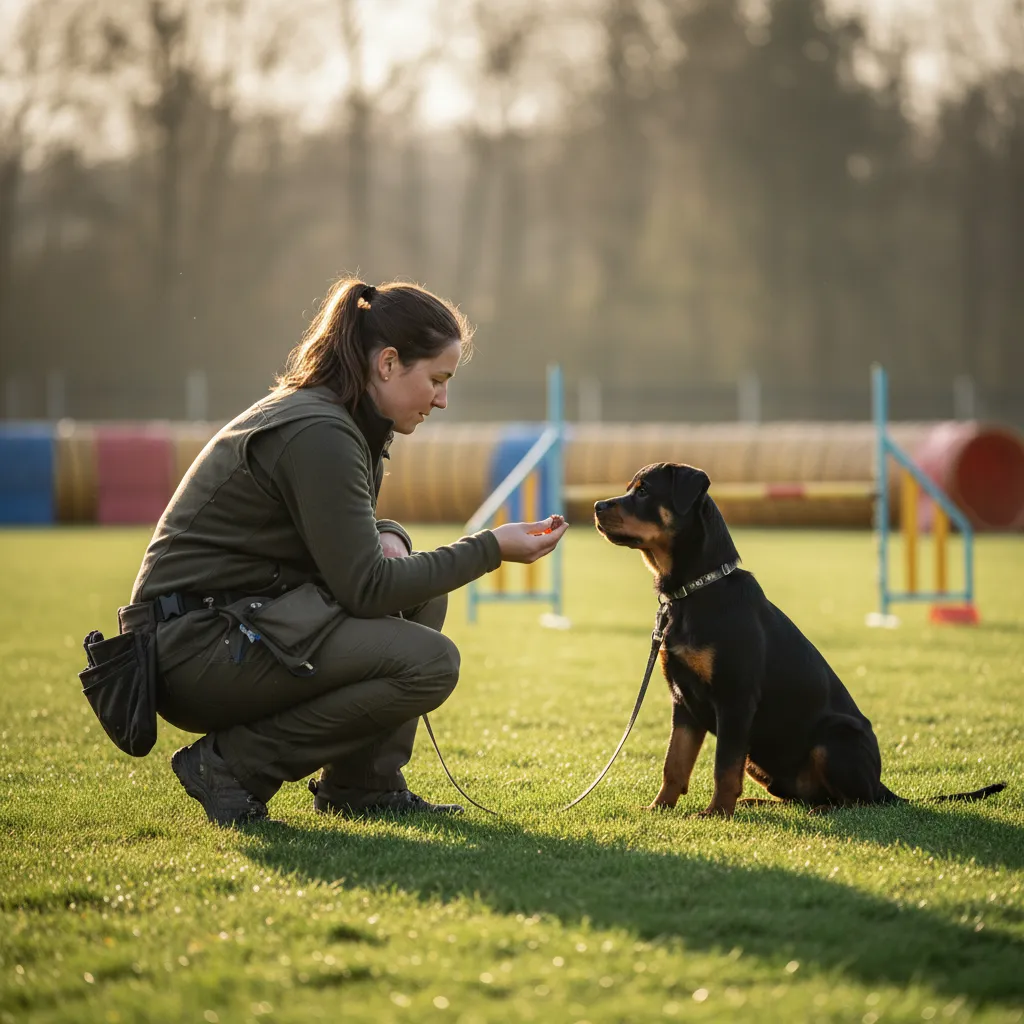
For large-breed puppies, I recommend a structured socialization program that exposes the puppy to a wide variety of people, dogs, environments, surfaces, sounds and handling experiences in a positive, non-threatening way. Puppy socialization classes led by qualified trainers are invaluable. The goal is not to overwhelm the puppy but to build confidence and resilience through carefully managed positive experiences.
Basic obedience training should begin as soon as you bring your large-breed puppy home. Focus on foundational cues like sit, down, stay, come and loose-leash walking. These skills are not optional for a dog that will eventually weigh 60 to 100 pounds or more. A large dog that pulls on leash can injure its owner, and a dog without a reliable recall is unsafe off-leash.
I exclusively use force-free, positive reinforcement training methods with all breeds, but I find it especially critical with large breeds that have strong guarding or working instincts. Harsh corrections can damage trust, increase anxiety and actually make aggressive behavior worse in breeds like the German Shepherd, Rottweiler or Cane Corso. Reward-based training builds a cooperative relationship in which the dog wants to work with you, not because it fears consequences but because good things happen when it makes good choices.
For owners dealing with separation anxiety in large breeds, which is more common than many people realize, a gradual desensitization approach is the most effective path. I have helped hundreds of large-breed dogs learn to feel comfortable and secure when alone, and the key is always patience, consistency and a systematic plan tailored to the individual dog.
Comparing Popular Large Dog Breeds
To help you compare some of the most popular large dog breeds at a glance, I have put together this reference table covering key characteristics that matter most to prospective owners.
| Breed | Weight Range | Lifespan | Energy Level | Shedding | Family Friendly |
|---|---|---|---|---|---|
| Labrador Retriever | 55-80 lbs | 11-13 years | High | Heavy | Excellent |
| Golden Retriever | 55-75 lbs | 10-12 years | High | Heavy | Excellent |
| German Shepherd | 50-90 lbs | 9-13 years | Very High | Heavy | Good (with training) |
| Rottweiler | 80-135 lbs | 9-10 years | Moderate-High | Moderate | Good (with socialization) |
| Great Dane | 110-175 lbs | 7-10 years | Moderate | Light-Moderate | Excellent |
| Bernese Mountain Dog | 70-115 lbs | 7-10 years | Moderate | Heavy | Excellent |
| Boxer | 50-80 lbs | 10-12 years | High | Light | Excellent |
| Standard Poodle | 40-70 lbs | 10-18 years | High | Low (hypoallergenic) | Excellent |
| Doberman Pinscher | 60-100 lbs | 10-12 years | Very High | Light | Good (with training) |
| Newfoundland | 100-150 lbs | 9-10 years | Low-Moderate | Heavy | Excellent |
This table provides a starting point, but I encourage prospective owners to research each breed in depth. Energy level, for example, can vary significantly between show lines and working lines within the same breed. A field-bred Labrador and a show-bred Labrador may look similar but have very different activity needs and drive levels.
Choosing the Right Large Breed for Your Lifestyle
Choosing the right large breed is ultimately about honest self-assessment. I have seen too many families fall in love with a breed’s appearance or reputation only to find that the reality of daily life with that dog does not match their expectations. Here is my honest framework for making the right choice.
If you are a first-time dog owner: Consider breeds known for their forgiving, eager-to-please temperaments, such as the Labrador Retriever, Golden Retriever or Standard Poodle. These breeds are responsive to training, generally tolerant of beginner mistakes and adaptable to a variety of living situations.
If you have young children: Prioritize breeds with documented patience and gentleness, like the Bernese Mountain Dog, Newfoundland or Golden Retriever. Avoid high-drive working breeds unless you have significant dog experience and can commit to the training required to manage them safely around small children.
If you are very active and outdoorsy: Breeds like the Rhodesian Ridgeback, Weimaraner, Vizsla or German Shorthaired Pointer make excellent adventure partners. They thrive on hiking, running, swimming and other vigorous outdoor activities and can keep pace with even the most athletic owners.
If you want a calm, lower-energy companion: Look at the Great Dane, Bullmastiff, Greyhound (retired racers are wonderful pets) or Basset Hound. These breeds enjoy their downtime and are perfectly content with moderate daily exercise and plenty of cozy rest. While small breeds are often associated with lower energy, many large breeds are actually calmer than their smaller counterparts.
If allergies are a concern: The Standard Poodle and Giant Schnauzer produce less dander than most large breeds, making them better options for households with mild allergies. No dog is truly 100 percent hypoallergenic, but these breeds come closer than most.
Regardless of which breed you choose, I strongly recommend working with a reputable breeder who conducts comprehensive health testing, or adopting from a breed-specific rescue organization. A responsible source will be transparent about the breed’s challenges, health clearances and the individual puppy’s or dog’s temperament. Avoid pet stores and online sellers who cannot provide health documentation or allow you to meet the puppy’s parents.
Finally, budget realistically. Between food, veterinary care, training, grooming, supplies and potential emergency medical expenses, the lifetime cost of owning a large breed dog often falls between $15,000 and $30,000. That investment is absolutely worth it for the right family, but it is a commitment that deserves careful planning.
Key Points
- Plan for at least 60 to 90 minutes of daily exercise and invest in structured training from puppyhood
- Feed large-breed puppies a specially formulated large-breed puppy food to protect developing joints and bones
- Budget $80 to $150 per month for food alone, and factor in annual veterinary costs of $500 to $1,500
- Begin socialization before 16 weeks of age and enroll in a positive-reinforcement puppy class
- Match the breed’s energy level and temperament to your honest lifestyle assessment, not your ideal version of yourself
Frequently Asked Questions
What are the best large dog breeds for families with children?
The Labrador Retriever, Golden Retriever, Bernese Mountain Dog, Newfoundland and Boxer are consistently ranked among the best large breeds for families. These breeds are known for their patience, gentleness and enjoyment of human companionship. However, all interactions between dogs and young children should be supervised, and the dog should receive proper socialization and training from an early age.
Annual costs for a large dog breed typically range from $1,500 to $4,000, including food ($960 to $1,800), routine veterinary care ($500 to $1,500), grooming ($200 to $600), training, supplies and pet insurance. Emergency medical expenses or chronic health conditions can add significantly to these figures, so building an emergency fund or purchasing pet insurance early is advisable.How much does it cost to own a large dog breed per year?
Yes, many large breeds can adapt well to apartment living if their exercise and mental stimulation needs are met consistently. Lower-energy breeds like the Great Dane, Greyhound and Bullmastiff are particularly well-suited to apartment life. The critical factor is not the size of your living space but your commitment to providing daily walks, enrichment activities and outdoor time. Breeds with very high energy or strong herding instincts are generally more challenging in apartments.Can large dog breeds live comfortably in apartments?
Most large dog breeds have an average lifespan of 10 to 12 years, while giant breeds like the Great Dane, Saint Bernard and Irish Wolfhound typically live 6 to 10 years. Factors that influence longevity include genetics, diet, exercise, weight management and the quality of veterinary care. Keeping your large dog at a healthy weight is one of the single most impactful things you can do to extend its life.How long do large dog breeds typically live?
Hip and elbow dysplasia are among the most prevalent health concerns across large breeds, particularly in German Shepherds, Labrador Retrievers, Rottweilers and Golden Retrievers. Other common issues include bloat (gastric dilatation-volvulus), cruciate ligament injuries, heart conditions and certain cancers. Choosing a breeder who conducts thorough health screenings through organizations like the Orthopedic Foundation for Animals significantly reduces the risk of inherited conditions.What is the most common health problem in large dog breeds?
Large dog breeds are not inherently harder to train, and many large breeds, including Labrador Retrievers, Golden Retrievers, Standard Poodles and German Shepherds, are among the most trainable dogs of any size. The difference is that training is more consequential with a large dog. Behaviors like jumping up or pulling on leash that might be tolerable in a 15-pound dog become genuine safety issues in a 90-pound dog. Starting training early and using consistent, positive reinforcement methods is essential for all large breeds.Are large dog breeds harder to train than small dogs?
Large-breed puppies should eat a food specifically formulated for large-breed growth. These formulas contain controlled levels of calcium, phosphorus and calories to promote slow, steady bone development and reduce the risk of developmental orthopedic diseases. Avoid feeding adult food or all-life-stages formulas that are not specifically approved for large-breed puppies. Your veterinarian can recommend a brand that meets AAFCO standards for large-breed puppy nutrition.What should I feed a large breed puppy?