
Key Takeaways
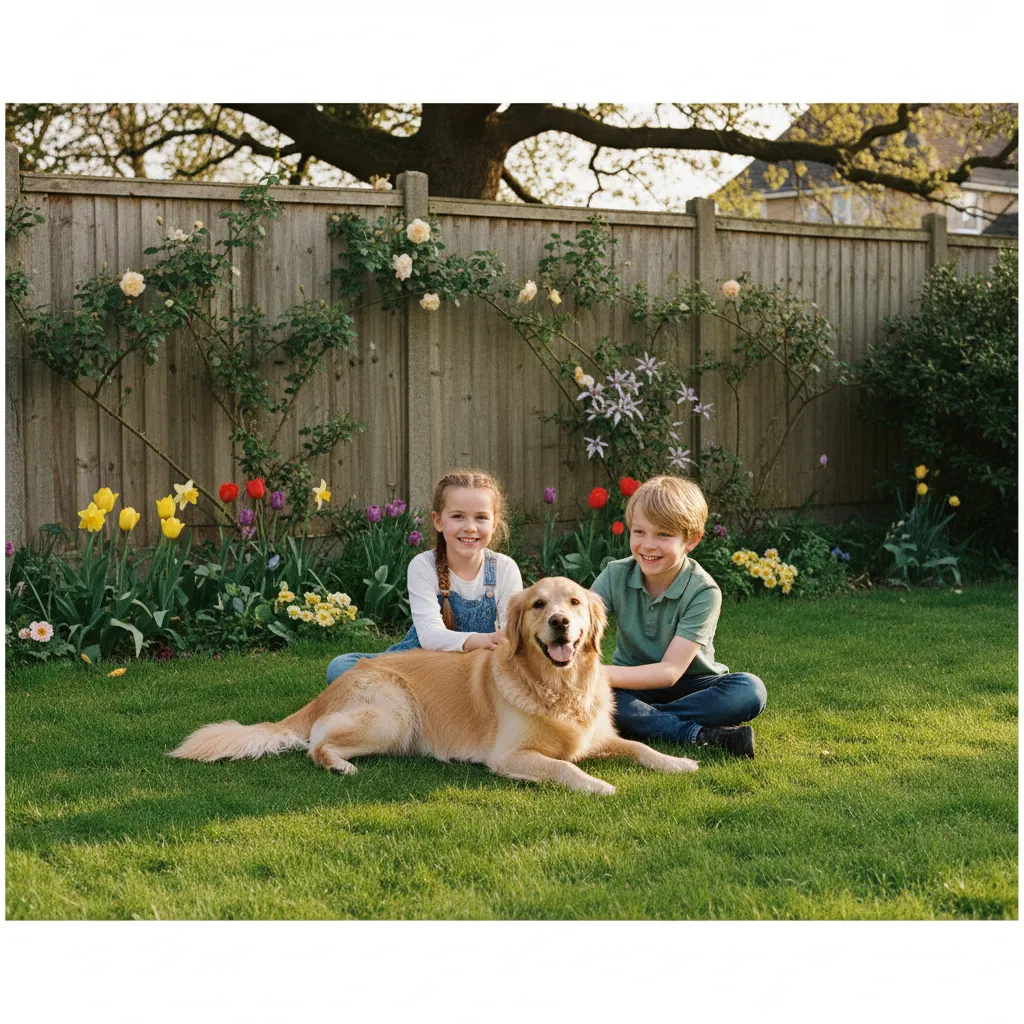
- The best family dog breeds share core traits: patience, trainability, moderate to high energy and a gentle disposition around children of all ages
- Golden Retrievers and Labrador Retrievers consistently rank as the top 2 family breeds worldwide, thanks to their forgiving temperaments and eagerness to please
- Families in smaller homes should consider breeds like the Cavalier King Charles Spaniel or Beagle, which thrive in spaces under 100 square metres
- Puppies require 8 to 16 weeks of structured socialisation with children to build lasting, positive associations
- Supervision between dogs and children under 6 years old should be constant; even the gentlest breed can react unpredictably to sudden movements
- Adoption from a rescue centre is a viable route: around 30% of dogs in UK shelters are purebred or identifiable mixes suited to family life
In This Guide
- Why Choosing the Right Breed Matters for Families
- Key Traits to Look for in Family Dog Breeds
- Best Large Family Dog Breeds
- Best Medium-Sized Family Dog Breeds
- Best Small Family Dog Breeds
- Family Dog Breed Comparison at a Glance
- How to Match a Breed to Your Family’s Lifestyle
- Preparing Your Home and Children for a New Dog
Bringing a dog into a household with children is one of the most rewarding decisions a family can make, but it is also one that deserves careful thought. I have spent more than a decade working with families through puppy classes, separation anxiety cases and behaviour consultations, and the single biggest factor I see in long-term success is breed suitability. A mismatch between a dog’s needs and a family’s reality leads to stress for everyone: the parents, the children and, most importantly, the dog. In this guide I will walk you through the best family dog breeds, explain what makes them tick and help you find the perfect companion for your household.
Why Choosing the Right Breed Matters for Families
Every breed was originally developed for a purpose: herding, guarding, retrieving, ratting or simply companionship. Those original drives do not disappear just because a dog now lives in a semi-detached house with a small garden. A Border Collie that has nothing to herd may start “herding” your toddler by nipping at ankles. A terrier bred to hunt vermin may struggle to coexist peacefully with the family hamster. Understanding breed tendencies is not about putting dogs in rigid boxes; it is about setting everyone up for success from day one.
According to the Kennel Club, prospective owners should evaluate four pillars before choosing a breed: energy level, size, grooming requirements and temperament. I would add a fifth: tolerance for unpredictable handling. Children, especially those under six, grab ears, step on tails and shriek at close range. Some breeds take this in stride; others find it overwhelming. When we talk about the best family dog breeds, we are really talking about dogs that score highly across all five of those pillars.
If you are already drawn to bigger companions, our guide to large dog breeds and their temperament, care needs and family compatibility goes into greater depth on what to expect from breeds over 25 kilograms.
Key Traits to Look for in Family Dog Breeds
Before diving into specific breeds, it helps to understand the traits that consistently appear in dogs that do well with children. In my experience as a trainer, these are the non-negotiables:
Patience and tolerance. A family dog must be able to cope with noise, sudden movements and the occasional accidental rough handling that comes with young children. Breeds with a high bite-inhibition threshold, meaning they are slow to escalate from discomfort to a bite, are ideal. Retrievers and spaniels tend to excel here because they were selectively bred for “soft mouths” to carry game without damaging it.
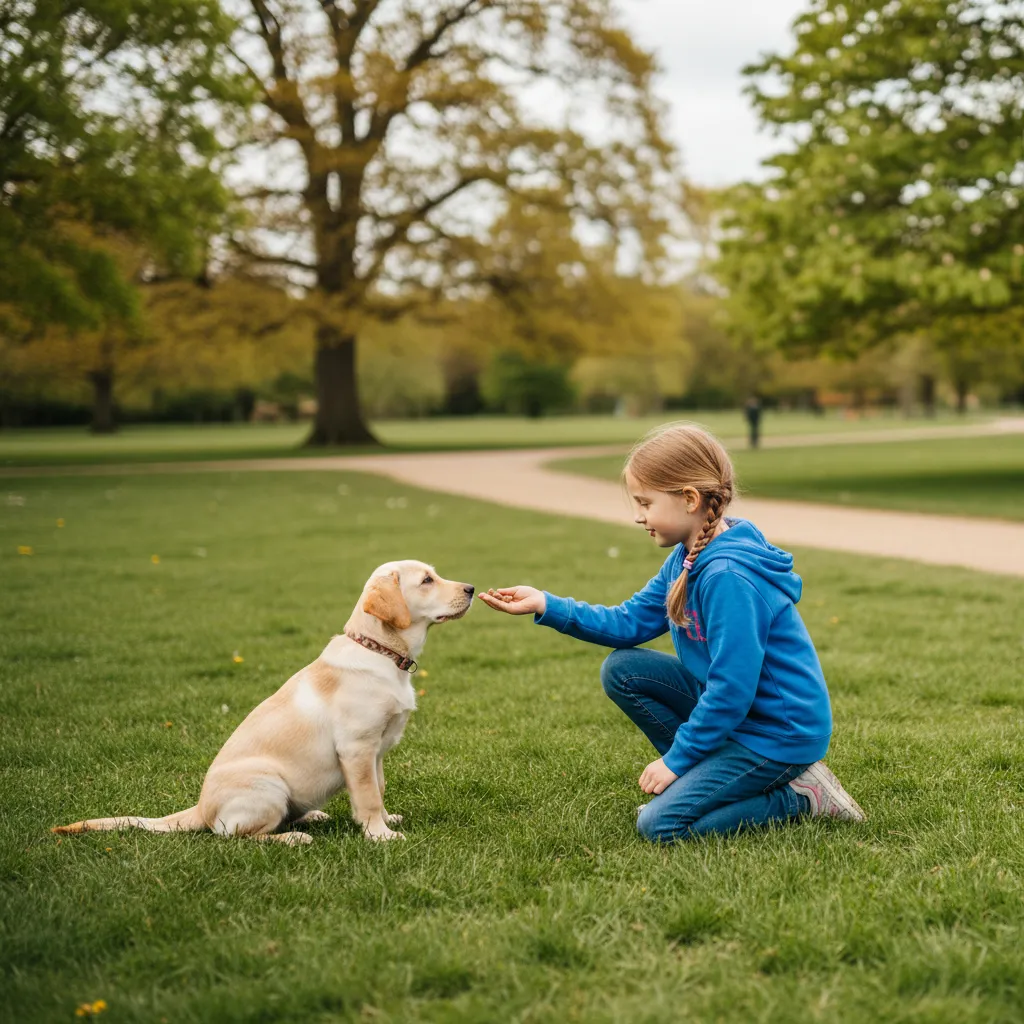
Trainability. Dogs that respond well to positive reinforcement are easier for families to manage. When a dog learns quickly that sitting politely earns treats, walks become smoother and household routines become calmer. Breeds like the Labrador Retriever and Poodle are famously trainable, which is why they appear on virtually every list of best family dog breeds.
Appropriate energy level. This is where many families get it wrong. A young, active family that hikes every weekend might love the stamina of a Vizsla or a Springer Spaniel. A family with a newborn and a three-year-old who are mostly at home might do better with a calmer breed like a Greyhound or a Cavalier King Charles Spaniel. Matching energy prevents behavioural issues such as destructive chewing, excessive barking and hyperactivity indoors.
Sociability with strangers and other animals. Family life involves visitors, playdates, trips to the park and encounters with neighbourhood cats. Dogs that are naturally sociable or at least neutral around new people and animals integrate into these scenarios more smoothly.
Moderate grooming needs. While this is not a temperament trait, it matters practically. Families with young children are already busy. A breed that requires professional grooming every four to six weeks, like a Bichon Frise, adds time and cost. Breeds with low-maintenance coats, such as the Beagle or the Staffordshire Bull Terrier, reduce that burden.
Best Large Family Dog Breeds
Large breeds often top the list for families because their size makes them sturdy enough to handle the rough-and-tumble play of older children. Here are my top picks.
Golden Retriever
The Golden Retriever is the breed I recommend most often to families with children of mixed ages. Their patience is extraordinary. I have watched Goldens sit perfectly still while toddlers climbed over them, then spring to life for a game of fetch with a ten-year-old minutes later. They are highly trainable, respond beautifully to reward-based methods and rarely show aggression. The trade-off is grooming: expect regular brushing and a fair amount of shedding. They also need at least 60 minutes of exercise daily, ideally split between walks and off-lead play.
Labrador Retriever
The Labrador has been the UK’s most popular breed for decades, and for good reason. Labs are outgoing, gentle and remarkably adaptable. They excel in households that enjoy outdoor activities because they have seemingly boundless energy until around age five, when they begin to mellow. One caveat: Labradors are prone to weight gain, so families must be careful with treats and portion sizes. The RSPCA recommends twice-yearly weight checks for the breed. For a deeper look at care considerations for larger breeds like the Labrador, see our article on large dog breeds and family compatibility.
Irish Setter
Often overlooked, the Irish Setter is a fantastic family dog for active households. They are playful, affectionate and wonderfully silly, which children adore. Their energy level is high, so they are best suited to families with a garden and the time for 90 or more minutes of exercise per day. Their beautiful red coat requires regular brushing but is less prone to matting than a Golden Retriever’s.
Newfoundland
If you have the space, the Newfoundland is a gentle giant that was literally bred to rescue children from water. They are calm, patient and deeply devoted to their families. Their size, often exceeding 60 kilograms, means they need room to move, and their thick double coat demands consistent grooming. But for families with a larger home and a love of the outdoors, the “Newfie” is unmatched in its devotion. Learn more about caring for very large breeds in our large dog breeds guide.
Best Medium-Sized Family Dog Breeds
Medium-sized breeds offer a wonderful balance: big enough to be robust playmates, small enough to manage in a typical family home.
Beagle
Beagles are merry, curious and wonderfully tolerant of children. They were bred to work in packs, which makes them naturally sociable with both people and other dogs. Their compact size, typically 10 to 11 kilograms, makes them manageable for older children to walk. The one challenge is recall: Beagles follow their noses, so off-lead reliability takes dedicated training. I always advise Beagle families to invest in a solid recall programme using high-value food rewards from puppyhood.
Cocker Spaniel
The English Cocker Spaniel is a happy, waggy breed that bonds deeply with every member of the family. They are eager to please and quick to learn, making them a joy to train. They do require regular ear care because their long, floppy ears are prone to infections. Cockers need around 60 minutes of exercise daily and thrive when given a job to do, whether that is fetching a ball or learning tricks with the children.
Staffordshire Bull Terrier
The “Staffie” might surprise some readers, but this breed has a long history as a family companion. The Kennel Club describes the Staffordshire Bull Terrier as having a particular affinity for children, earning it the nickname “the nanny dog” in generations past. Staffies are loyal, affectionate and remarkably patient. They are also relatively low maintenance in terms of grooming. The key is early socialisation: a well-socialised Staffie raised with children is one of the most devoted family dogs you will find.
Standard Poodle
The Standard Poodle is far more than a show dog. This breed is one of the most intelligent of all domestic dogs, ranking in the top three for trainability according to canine intelligence studies. Their hypoallergenic coat makes them an excellent choice for families where allergies are a concern. Standard Poodles are athletic, playful and gentle, and they adore learning new things. The grooming commitment is significant, with professional clips needed every six to eight weeks, but many families find this a worthwhile trade-off for a non-shedding coat.
Best Small Family Dog Breeds
Small breeds can be brilliant family dogs, particularly for families in flats or smaller homes. The key is choosing breeds that are sturdy enough for family life rather than extremely fragile toy breeds. For a comprehensive look at compact breeds suited to smaller spaces, our guide on small dog breeds for apartments is an excellent starting point.
Cavalier King Charles Spaniel
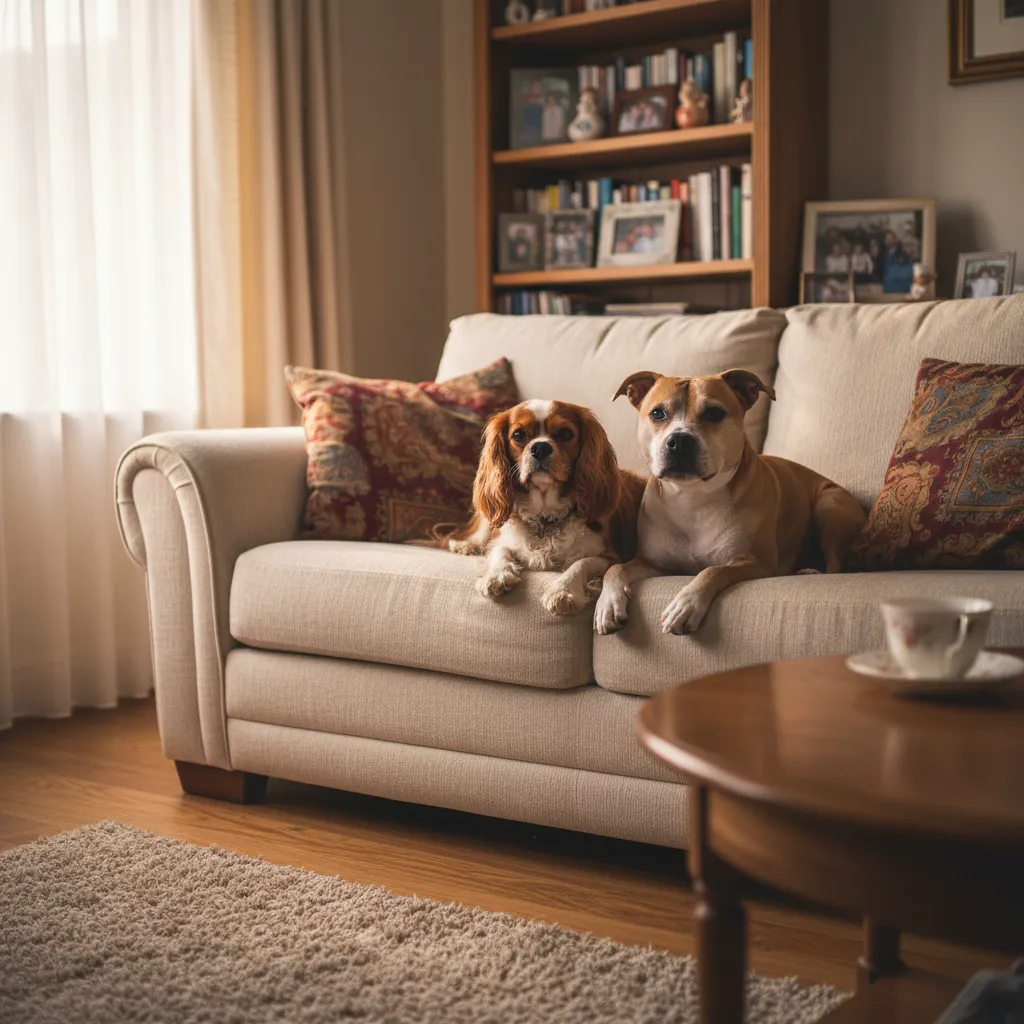
The Cavalier is the quintessential lap dog that also loves a good walk. They are gentle, affectionate and remarkably adaptable to different energy levels. A Cavalier is just as happy snuggling on the sofa during a film as it is chasing a ball in the garden. They weigh around 6 to 8 kilograms, making them easy for children to manage. Health screening is important with this breed, as they are predisposed to heart conditions, so always choose a breeder who conducts cardiac testing.
French Bulldog
French Bulldogs have surged in popularity and for family-specific reasons: they are compact, playful, rarely bark excessively and form strong bonds with children. They need less exercise than many breeds, with 30 to 45 minutes daily being sufficient. However, prospective owners should be aware of brachycephalic (flat-faced) health concerns, including breathing difficulties and overheating. The British Veterinary Association advises choosing breeders who prioritise health testing and longer muzzle length.
Border Terrier
The Border Terrier is a hardy, cheerful little dog with a wiry coat that requires minimal grooming. They are affectionate with family members and robust enough for active play. At around 5 to 7 kilograms, they are easy to transport and manage. Border Terriers do have a prey drive, so households with small pets like rabbits should exercise caution. For families without other small animals, however, Borders are wonderfully adaptable. You can learn more about other small breed options in our small dog breeds apartment guide.
Family Dog Breed Comparison at a Glance
The table below compares the breeds featured in this article across the criteria that matter most to families. Use it as a quick reference when narrowing down your shortlist of best family dog breeds.
| Breed | Size | Energy Level | Grooming Needs | Trainability | Best For |
|---|---|---|---|---|---|
| Golden Retriever | Large (25-34 kg) | High | Moderate to High | Excellent | Active families, mixed-age children |
| Labrador Retriever | Large (25-36 kg) | High | Low to Moderate | Excellent | Outdoor-loving families |
| Irish Setter | Large (27-32 kg) | Very High | Moderate | Good | Very active families with older children |
| Newfoundland | Giant (55-68 kg) | Low to Moderate | High | Good | Families with space and a calm lifestyle |
| Beagle | Medium (10-11 kg) | Moderate to High | Low | Moderate | Sociable families, multi-dog homes |
| Cocker Spaniel | Medium (13-15 kg) | Moderate to High | Moderate | Excellent | Families wanting an eager-to-please companion |
| Staffordshire Bull Terrier | Medium (11-17 kg) | Moderate | Low | Good | Families wanting a loyal, affectionate dog |
| Standard Poodle | Medium to Large (20-32 kg) | Moderate to High | High (professional grooming) | Excellent | Allergy-conscious families |
| Cavalier King Charles Spaniel | Small (6-8 kg) | Low to Moderate | Moderate | Good | Smaller homes, calmer families |
| French Bulldog | Small (8-13 kg) | Low | Low | Moderate | Flat living, less active families |
| Border Terrier | Small (5-7 kg) | Moderate | Low | Good | Active families in smaller homes |
How to Match a Breed to Your Family’s Lifestyle
A breed might look perfect on paper, but the real question is whether it fits your family’s daily reality. Here is how I guide the families I work with through this decision.
Assess your honest activity level. Not your aspirational level, your actual one. If you currently walk for 20 minutes a day, a breed needing 90 minutes will not magically motivate you to triple that. Be realistic. A Cavalier King Charles Spaniel or a French Bulldog will thank you for honesty, and your furniture will remain intact.
Consider the ages of your children. Families with toddlers and babies need breeds with exceptional patience and a low startle response. Golden Retrievers, Labradors and Newfoundlands are excellent here. Families with children aged eight and older have more flexibility because older children can learn to respect a dog’s boundaries. This opens the door to breeds like the Irish Setter or Cocker Spaniel that thrive with interactive, respectful play.
Think about your living space. A Labrador can live happily in a flat, but only if the family commits to multiple long walks and enrichment activities every day. If daily walks are limited to a quick lap around the block, a smaller breed is a better match. Our guide to small dog breeds for apartments covers this topic in detail.
Factor in allergies. Roughly 10% of the UK population is allergic to dogs, according to Allergy UK. If anyone in the household is affected, consider breeds that produce fewer allergens, such as the Standard Poodle, Bichon Frise or Portuguese Water Dog. No breed is truly hypoallergenic, but low-shedding breeds significantly reduce exposure.
Budget for the long term. Larger breeds cost more to feed, insure and treat at the vet. Breeds with known hereditary conditions, like the Cavalier’s heart issues or the French Bulldog’s respiratory concerns, may incur higher veterinary bills over their lifetime. The PDSA estimates that the lifetime cost of owning a dog ranges from £6,000 to over £33,000, depending on breed and size.
Rescue or breeder? Both are valid paths. If you choose a breeder, look for Kennel Club Assured Breeders who health-test their dogs. If you choose rescue, many organisations temperament-test dogs and can tell you whether a particular dog is suitable for life with children. I have placed dozens of rescue dogs with families, and the outcomes have been overwhelmingly positive when the match is made thoughtfully.
Preparing Your Home and Children for a New Dog
Finding the right breed is only half the equation. Preparation at home is just as important for ensuring a smooth transition.
Teach children how to interact safely. Before the dog arrives, practise “gentle hands” with a stuffed toy. Show children where dogs like to be stroked (chest and shoulders) and where they do not (top of the head, tail). Explain that a dog should never be disturbed while eating or sleeping. I recommend families create a simple set of “dog rules” and display them on the fridge where everyone can see them.
Create a safe space for the dog. Every dog, regardless of breed, needs a retreat: a crate, a bed in a quiet corner or a gated area where children cannot follow. This is non-negotiable. When the dog retreats to its safe space, the rule is that nobody disturbs it. This one boundary prevents the majority of stress-related behavioural issues I see in family dogs.
Start training immediately. Puppy socialisation should begin as soon as your puppy has had its first vaccinations. Between 8 and 16 weeks, puppies are in a critical socialisation window where positive experiences with children, household noises and new environments shape their temperament for life. Enrol in a force-free puppy class; the investment pays dividends for years to come.
Establish supervision protocols. No matter how gentle the breed, I advise constant adult supervision when dogs and children under six are together. Even the most patient dog has limits, and young children cannot yet read canine body language. As children grow and demonstrate consistent respect for the dog’s boundaries, supervision can gradually become less intensive.
Plan for the adolescent phase. Puppies between 6 and 18 months go through an “adolescent” period where training seems to unravel. This is normal. Breeds like the Labrador and Beagle can be particularly boisterous during this phase. Consistency, patience and a good trainer will get you through it. Do not give up on your dog during adolescence; the calm, well-mannered adult is just around the corner.
Choosing from the best family dog breeds is ultimately about finding a dog whose needs align with your family’s lifestyle, energy and expectations. Whether you opt for a bounding Golden Retriever, a steadfast Staffie or a gentle Cavalier, the foundation of a happy family-dog relationship is always the same: proper preparation, consistent training and mutual respect. If you approach the decision with realistic expectations and a commitment to your dog’s wellbeing, you will gain a companion that enriches your family’s life for years to come.
Key Points
- Match your dog’s energy level to your family’s actual daily routine, not your ideal one
- Prioritise breeds with high patience and bite-inhibition thresholds if you have children under six
- Create a dedicated safe space in your home where the dog can retreat undisturbed
- Begin puppy socialisation during the 8 to 16 week critical window with a force-free trainer
- Budget for lifetime costs including insurance, food and veterinary care before committing to a breed
Frequently Asked Questions
What is the best family dog breed for first-time owners?
The Labrador Retriever and the Golden Retriever are my top recommendations for first-time owners. Both breeds are forgiving of training mistakes, respond exceptionally well to positive reinforcement and have gentle, patient temperaments with children. Their eagerness to please makes the learning curve for new owners much smoother, and there is a wealth of breed-specific training resources available.
Yes, well-bred and properly socialised Staffordshire Bull Terriers are excellent family dogs. The Kennel Club recognises the breed for its affinity with children. As with any breed, early socialisation, consistent training and responsible ownership are essential. I have worked with many Staffie families and consistently find them to be loyal, affectionate and patient with younger family members.Are Staffordshire Bull Terriers safe around children?
It varies significantly by breed. High-energy breeds like the Irish Setter and Labrador Retriever need 60 to 90 minutes or more of daily exercise. Medium-energy breeds like the Beagle and Cocker Spaniel do well with around 60 minutes. Lower-energy breeds such as the Cavalier King Charles Spaniel and French Bulldog are content with 30 to 45 minutes. Always supplement physical exercise with mental enrichment like puzzle feeders and training games.How much exercise do family dog breeds need each day?
No breed is completely hypoallergenic, but low-shedding breeds produce fewer allergens. The Standard Poodle, Bichon Frise, Portuguese Water Dog and Soft-Coated Wheaten Terrier are popular choices for allergy-conscious families. I recommend spending time around the specific breed before committing and consulting an allergist if symptoms are severe.Which family dog breeds are best for people with allergies?
Both options can work beautifully. A puppy allows you to shape socialisation from the start, which is ideal if you have very young children. An adult rescue dog often comes with basic training already in place, and rescue organisations can tell you whether a dog has been assessed as suitable for life with children. The best choice depends on your family’s time, patience and lifestyle. I always encourage families to visit local rescue centres and speak with staff about temperament-tested dogs.Should I get a puppy or an adult rescue dog for my family?
Children as young as four can participate in simple tasks like filling a water bowl under supervision. By age seven or eight, most children can help with feeding routines and basic grooming. Walking the dog independently is generally appropriate from around age 10 to 12, depending on the child’s maturity and the dog’s size and behaviour. Involving children in age-appropriate care teaches responsibility and strengthens the bond between child and dog.At what age can children start helping with dog care?